304 vs 316 Stainless Steel for Vibrating Screens
![[field:title/]](/uploads/allimg/260708/1-260FQ55324W6-lp.jpg)
Callback
| 304 Stainless Steel | General Screening Applications |
| 316 Stainless Steel | Corrosive & Wet Environments |
| Compare | Cost • Corrosion Resistance • Service Life |
Learn the differences between 304 and 316 stainless steel for vibrating screen mesh.
Compare corrosion resistance, operating conditions, service life, and material cost.
Find the right stainless steel screen mesh for your screening application.
304 vs 316 Stainless Steel for Vibrating Screens
Vibrating screen mesh is continuously exposed to material impact, constant vibration, and corrosive environments. As a result, the mesh material directly affects service life, maintenance costs, and equipment performance. Both 304 and 316 stainless steel are commonly used for vibrating screen mesh, but they differ in corrosion resistance, suitable operating conditions, and material cost, making them two of the most frequently compared options during material selection.
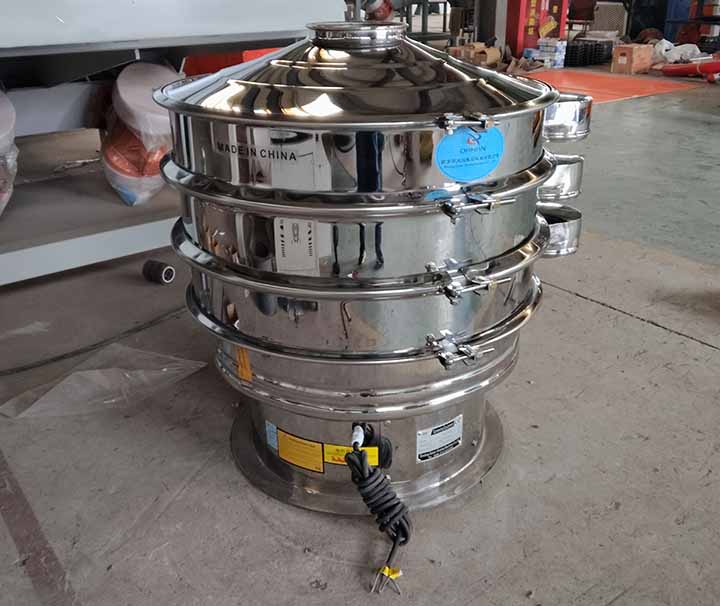
Choosing between 304 and 316 stainless steel involves more than comparing prices. Material type, moisture content, exposure to salt, operating conditions, and maintenance requirements should all be considered. This guide compares the two materials in terms of performance, applications, cost, service life, and industry recommendations to help you select the right vibrating screen mesh.
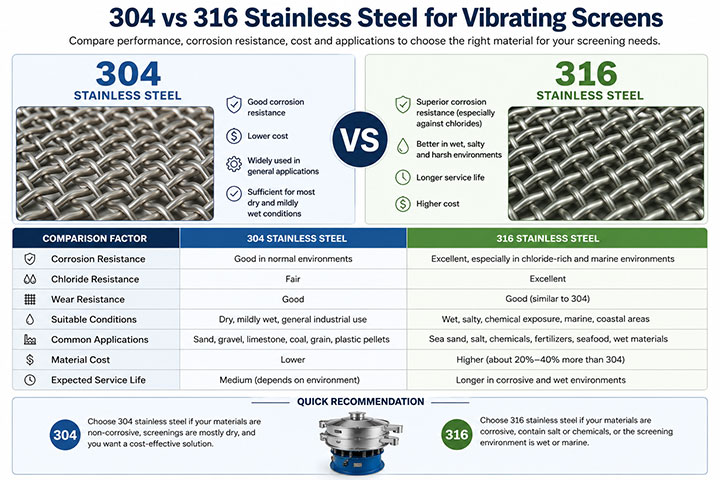
304 vs 316 Comparison Table
| Comparison Item | 304 Stainless Steel | 316 Stainless Steel |
| Corrosion Resistance | Suitable for General Environments | Suitable for Salt and Corrosive Environments |
| Chloride Resistance | Standard | Better |
| Wear Resistance | Similar to 316 | Similar to 304 |
| Recommended Screening Environment | Dry Screening, General Wet Screening | Coastal Areas, Salty Environments, Corrosive Materials |
| Service Life | Depends on Operating Conditions | Typically Longer in Corrosive Environments |
| Material Cost | Lower | Higher |
| Typical Applications | Sand, Ore, Grain, Coal | Sea Sand, Salt Products, Corrosive Materials |
When Should You Choose 304?
304 stainless steel is suitable for most general screening applications where materials are not continuously exposed to salt or corrosive substances.
It is commonly used for screening sand, silica sand, coal, limestone, construction aggregates, plastic pellets, and grain. When the equipment operates indoors in a dry environment with limited cleaning requirements, 304 stainless steel provides a practical balance between material cost and service life. If the screening process is free from seawater, salt spray, or chemical cleaning solutions, 304 is often an appropriate choice.
When Should You Choose 316?
316 stainless steel is recommended for screening applications exposed to corrosive conditions.
If the screened material contains salt or chlorides, or if the equipment operates in coastal areas or humid environments, 316 stainless steel helps reduce corrosion-related mesh wear. It is commonly selected for sea sand, salt products, fertilizer materials, seafood processing, and long-term wet screening applications.
For equipment that requires frequent washing or continuous contact with corrosive liquids, 316 stainless steel can reduce rust formation, extend mesh replacement intervals, and minimize maintenance downtime.
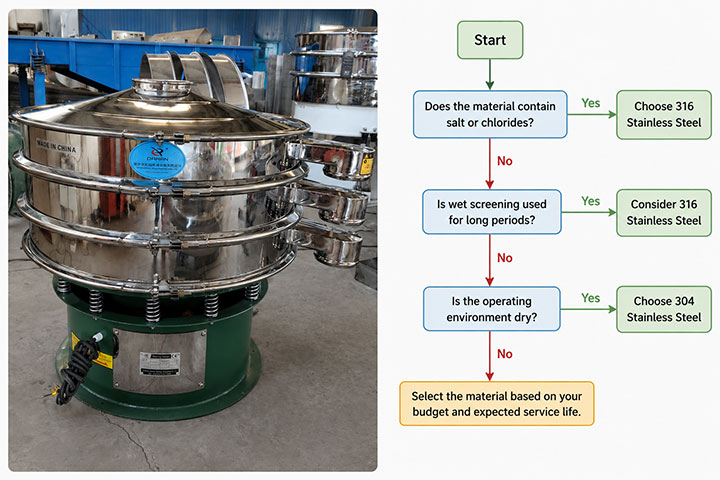
Real Decision Guide
The following decision flow helps buyers select the appropriate stainless steel material for their screening application.
Performance Comparison Under Different Screening Conditions
Different screening conditions require different mesh materials.
| Screening Application | Recommended Material |
| Construction Sand & Aggregate | 304 |
| Silica Sand | 304 |
| Coal | 304 |
| Limestone | 304 |
| Grain & Pellets | 304 |
| Wet Ore Screening | 316 |
| Sea Sand | 316 |
| Salt Products | 316 |
| Fertilizer Raw Materials | 316 |
| Long-Term Wet Environments | 316 |
It is important to note that screen mesh service life depends not only on material grade but also on wire diameter, aperture size, vibration frequency, screen tension, and material impact. Therefore, 304 or 316 stainless steel should be selected based on both operating conditions and equipment specifications.
Cost vs Service Life
There is a price difference between 304 and 316 stainless steel, but purchase cost should not be the only factor. For standard screening applications, 304 stainless steel usually meets production requirements with a lower initial investment. In environments containing moisture, salt, or corrosive substances, 316 stainless steel can reduce corrosion-related replacements and lower maintenance expenses over time. Material selection should be based on operating hours, maintenance schedules, and screening conditions rather than purchase price alone.
Industry Recommendations
Different industries have different material requirements for vibrating screen mesh.
| Industry | Recommended Material |
| Mining | 304 |
| Construction Aggregates | 304 |
| Coal Processing | 304 |
| Agricultural Granules | 304 |
| Plastic Pellets | 304 |
| Sea Sand Screening | 316 |
| Salt Processing | 316 |
| Fertilizer Production | 316 |
| Coastal Production Lines | 316 |
| Long-Term Wet Screening | 316 |
If production conditions change, such as switching from dry screening to wet screening, the mesh material should also be re-evaluated.
Why Choose Our Stainless Steel Vibrating Screen Mesh
DAHAN Machinery supplies both 304 and 316 stainless steel vibrating screen mesh and offers custom manufacturing based on aperture size, wire diameter, weaving pattern, and installation dimensions.
Our mesh is available in various opening sizes and dimensions for rotary vibrating screens, linear vibrating screens, dewatering screens, and other screening equipment. Every batch of raw material is inspected before production, and each mesh undergoes dimensional, flatness, and appearance inspections before packaging and shipment. Our engineers can also recommend suitable mesh materials based on your screening application and equipment specifications.
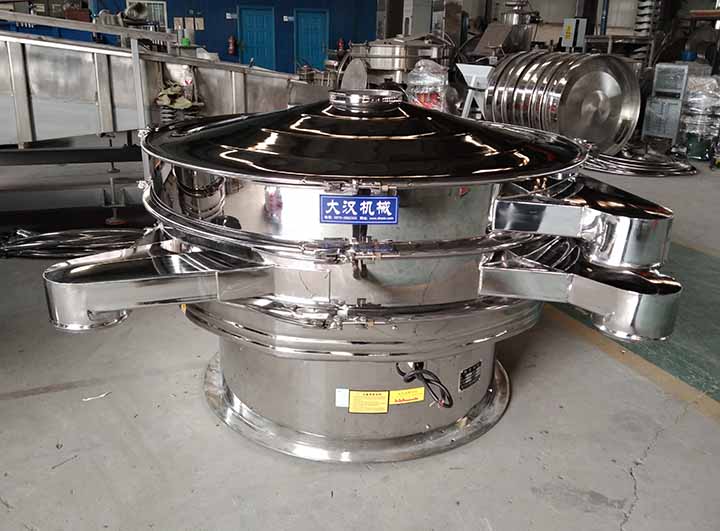
How We Manufacture Stainless Steel Vibrating Screen Mesh
Our stainless steel vibrating screen mesh is produced through a complete manufacturing process that includes raw material inspection, stainless steel wire drawing, mesh weaving, surface leveling, aperture and wire diameter inspection, cutting or edge wrapping, followed by packaging and shipment. During production, the aperture size, mesh flatness, and overall appearance are inspected multiple times to maintain dimensional consistency and installation compatibility.
FAQ
Should I use 304 or 316 stainless steel?
If your screening application does not involve prolonged exposure to salt or corrosive substances, 304 stainless steel is usually sufficient. For long-term wet screening or environments with salt spray and corrosion, 316 stainless steel is generally the preferred option.
What is the difference between 304 and 316 mesh?
The primary difference is corrosion resistance. Because 316 stainless steel contains molybdenum, it offers better resistance to chlorides and corrosive environments than 304 stainless steel, while both materials provide similar wear resistance in most screening applications.
Is stainless steel suitable for high-vibration screening?
Yes. Stainless steel screen mesh has good strength and toughness, making it suitable for continuous vibration screening. However, mesh life is also affected by screen tension, vibration frequency, wire diameter, and material impact.
Is 316 worth the higher price?
For wet, coastal, or salt-containing environments, 316 stainless steel can reduce corrosion-related mesh replacement and maintenance frequency. The long-term operating cost should be evaluated together with the initial purchase cost.
Is 316 easier to machine than 304?
For woven vibrating screen mesh, machinability is generally not the deciding factor. Material selection is typically based on screening conditions, corrosion resistance, and expected service life.
Both 304 and 316 stainless steel are suitable materials for vibrating screen mesh, but each performs best under different operating conditions. 304 stainless steel is suitable for general screening applications, while 316 stainless steel is recommended for environments involving moisture, salt, or corrosive substances. Selecting the right material based on the screened material, operating environment, and maintenance requirements can help reduce mesh replacement frequency and support stable equipment operation.
-
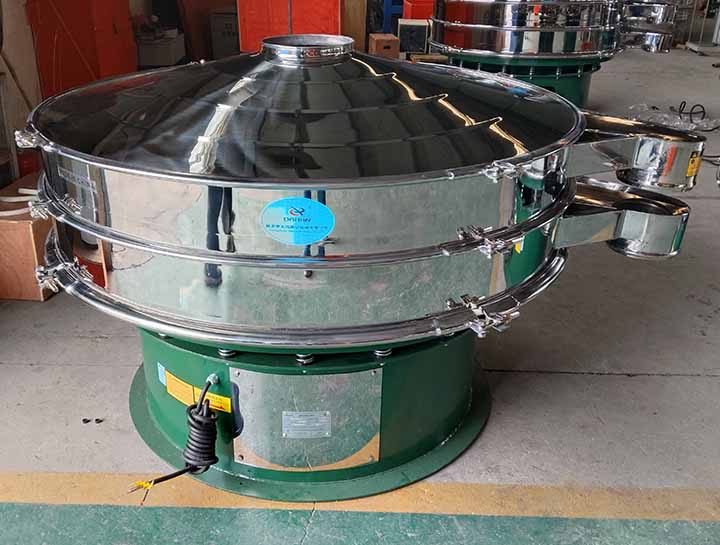
Vibro Sifter Flour
The Vibro Sifter Flour uses a motor-driven eccentric weight to generate three-dimensional vibration...
-
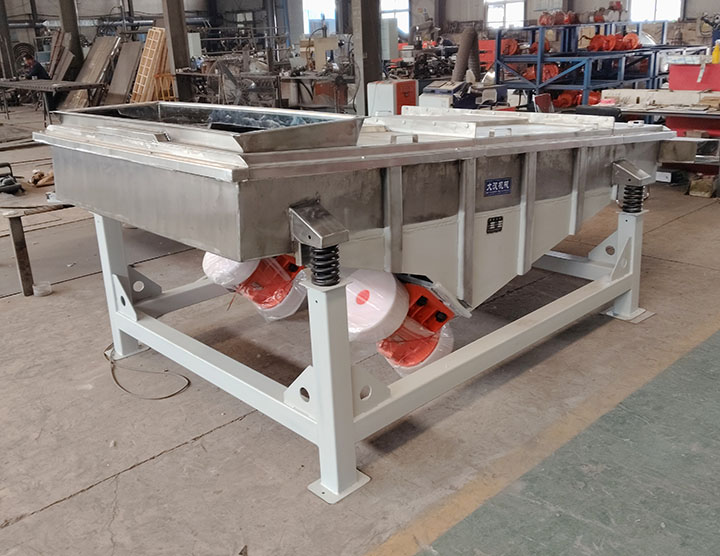
Linear Vibrating Screen For Plastic Particles
Linear Vibrating Screen For Plastic Particles is used for screening and grading plastic particles...
-
High -frequency vibration sieve for latex paint filter
High -frequency vibration sieve for latex paint filter is a filtration device designed for high-viscosity liquid systems such as water-based paints ...
-
Swing Vibrating Screen Screening Petroleum Coke Powder
The Swing Vibrating Screen Screening Petroleum Coke Powder is designed to process fine, dusty, and potentially statically and sticky materials like petroleum coke powder...

Email:
sale@xxdahan.com
WhatsApp:
+86 15236742901
Add:
1000m West of Forest Park,Yanjin County,Xinxiang City,Henan Province,China.