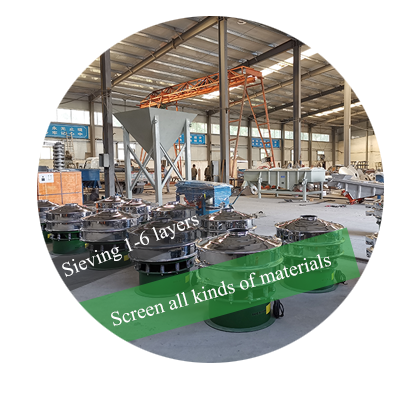
Solder Powder Ultrasonic Sieve
![[field:title/]](/uploads/261019/6-2610191H2152a.jpg)


Callback
| Mesh Range: | 80–635 Mesh* |
| Capacity: | 100–5,000 kg/h* |
| Ultrasonic Frequency: | 18–38 kHz* |
| Screen Layers: | 1–5 Layers |
Fine screening for solder powder particle classification.
Ultrasonic vibration helps reduce mesh blinding.
Multiple layers separate different particle sizes.
Screen specifications customized to your requirements.
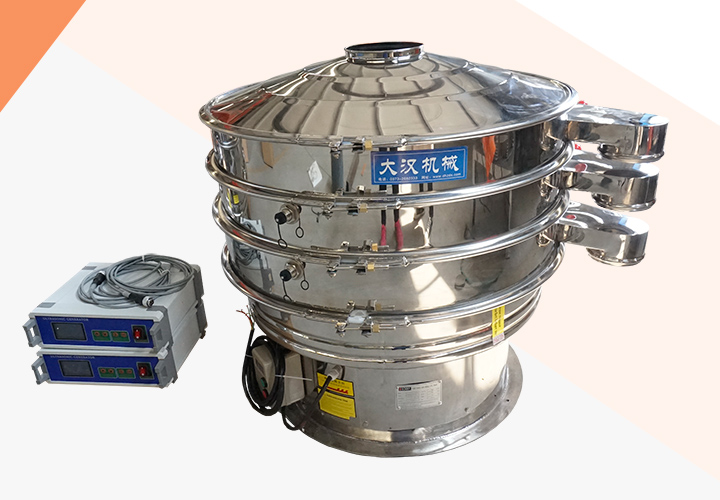
In high-end SMT solder paste manufacturing and metal 3D printing, fine solder powder is inherently sticky, moisture-sensitive, and prone to electrostatic agglomeration. Traditional vibrating screens fail to break electrostatic adsorption, resulting in sluggish output and mesh blinding. The Solder Powder Ultrasonic Sieve integrates a standard three-dimensional mechanical vibration base with high-frequency, low-amplitude ultrasonic waves. This advanced system suspends micro-sized metal particles in a low-altitude fluidized state, significantly reducing mesh blinding and agglomeration, preventing powder deformation, and keeping flow channels unobstructed for T3 to T6 specifications.
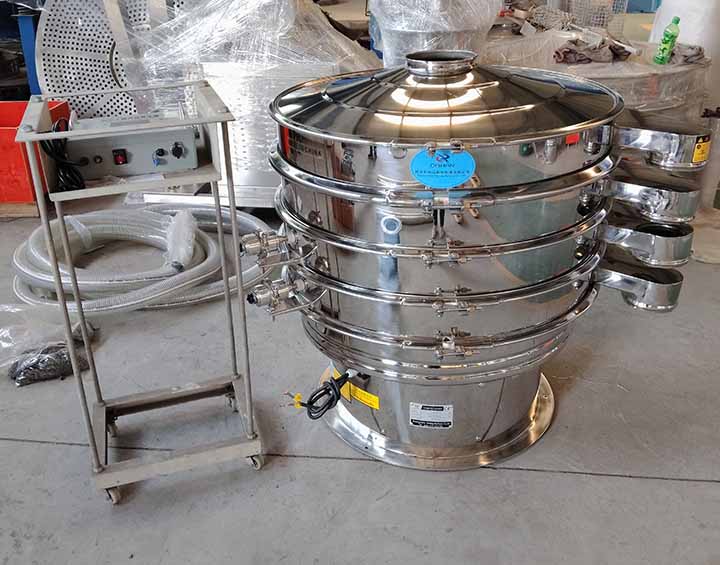
Core Components & External Transducer Design of Solder Ultrasonic Sieve
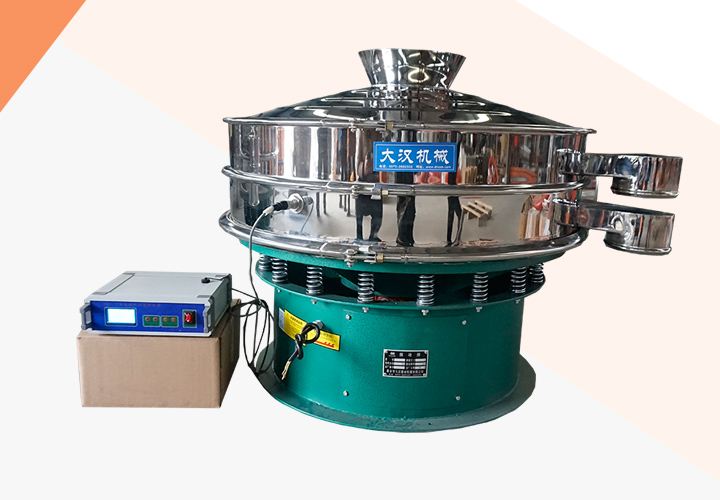
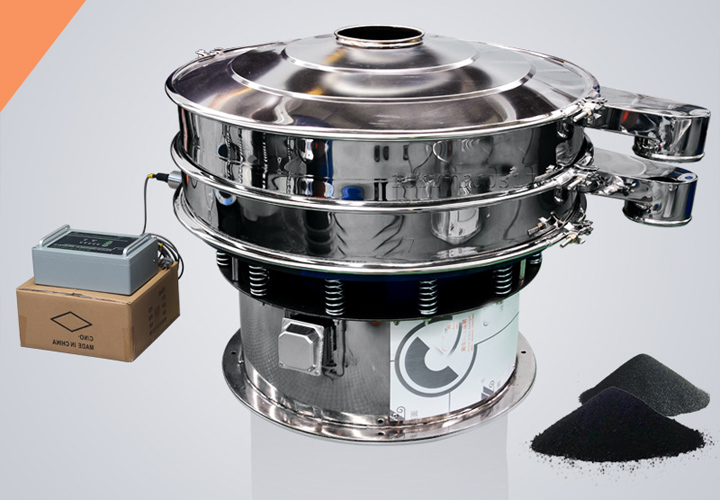
The Solder Powder Ultrasonic Sieve is engineered with precision architecture to ensure high-purity, high-precision, and damage-free classification of fine metal powders. Its core framework is systematically divided into three major components:
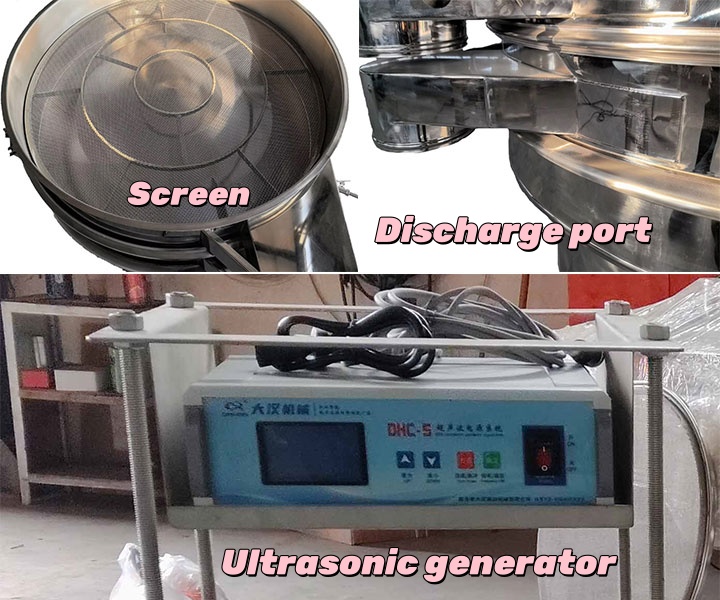
Industrial Three-Dimensional Vibration Base:
The base of the device is driven by a heavy-duty industrial vibration motor, generating stable three-dimensional circular and gravity movements to drive the bulk material forward efficiently.
316L Sanitary Stainless Steel Contact Surfaces:
All components in direct contact with the tin powder are manufactured from premium 316L stainless steel, featuring a high-standard mirror polish. This ultra-smooth finish minimizes powder residue, prevents cross-contamination, and allows for rapid cleaning between production batches.
Advanced External Ultrasonic Generator & Transducer System:
Unlike internal designs, the external transducer configuration successfully isolates conductive heat away from the vibrating screen. During operation, high-frequency signals convert into longitudinal mechanical vibrations (33,000 to 40,000 times/sec), which are evenly amplified across the wire mesh. This acceleration breaks electrostatic adsorption, dislodges trapped particles, and prevents temperature-sensitive solder powder from overheating or chemical oxidation.
Watch the Ultrasonic Sieve Shaker in Action
See how our advanced ultrasonic vibration technology prevents mesh blinding, fluidizes fine powders, and ensures high-efficiency screening during live operation.
Key Advantages of Solder Powder Ultrasonic Sieve in Fine Classification
Designed specifically for high-precision powder processing, the ultrasonic solder powder screening system delivers critical performance advantages over conventional equipment:
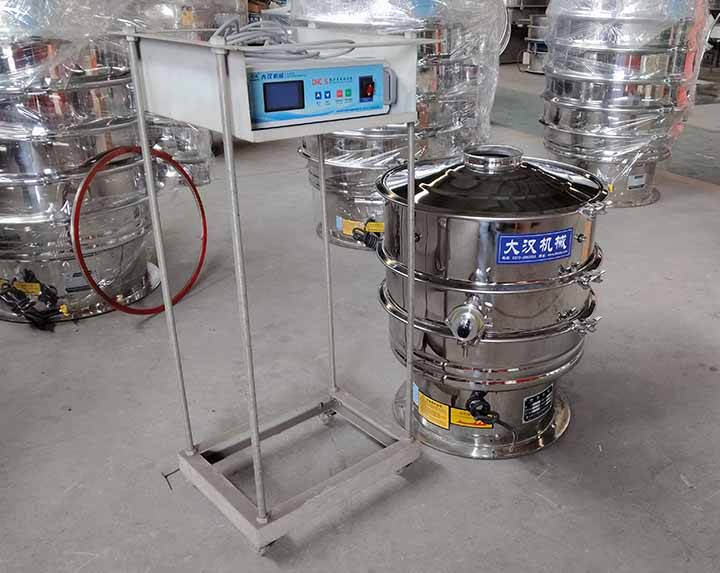
Narrow Particle Size Control (400 Mesh & Finer):
When classifying fine solder powder through 400-mesh and finer screens, the system precisely controls particle size distribution within a strict band, effectively removing oversized foreign objects and unwanted ultra-fine dust.
Elimination of Rubber Bouncing Balls:
The system completely replaces traditional mechanical bouncing balls with ultrasonic high-frequency energy, avoiding physical wear, rubber debris, and secondary metal wire mesh contamination while significantly extending screen lifespan.
Preservation of Spherical Fullness (No Deformation):
Because the micro-vibration process is gentle and uniform, delicate solder powder avoids physical deformation caused by violent impacts, preserving the original spherical morphology required for high-end SMT soldering.
Advanced Thermal & Oxidation Protection:
Equipped with an external transducer configuration, surface temperature increases are tightly controlled to an absolute minimum. This effectively blocks thermal conduction and protects reactive metal surfaces from high-temperature chemical oxidation.
Key Industrial Applications of Ultrasonic Solder Sieve
Engineered for high-precision fine powder processing, the ultrasonic solder powder sieve is widely deployed across advanced electronics, semiconductor, and additive manufacturing industries:
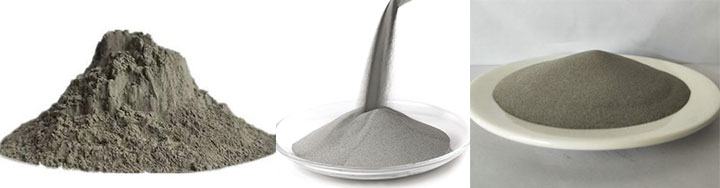
SMT Solder Paste Manufacturing (T4 & T5 Grades): Responsible for classifying raw alloy powders produced via atomization, precisely extracting 20 to 38-micron T4 grade or 15 to 25-micron T5 grade finished products required for high-performance solder paste.
Microelectronic Semiconductor Packaging (T6 Grade): Utilized for final impurity filtration and classification during the preparation of ultrafine T6 grade tin powder, meeting strict particle distribution standards for micro-pitch wafer-level soldering.
Metal 3D Printing & Additive Manufacturing: Ideal for the secondary recovery, classification, and purification of reactive spherical metal powders—such as specialized titanium alloys and tin alloys—ensuring consistent particle flow in micro-additive manufacturing.
Technical Specifications & Available Models
| Model | Effective screening diameter (mm) | Screen mesh size range | No. of layers | Power (KW) |
|---|---|---|---|---|
| DHC-400 | 340 | 80-600 MESH | 1-3 LAYERS | 0.18 KW |
| DHC-600 | 540 | 80-600 MESH | 1-3 LAYERS | 0.25 KW |
| DHC-800 | 730 | 80-600 MESH | 1-3 LAYERS | 0.55 KW |
| DHC-1000 | 900 | 80-600 MESH | 1-3 LAYERS | 0.75 KW |
| DHC-1200 | 1100 | 80-600 MESH | 1-3 LAYERS | 1.1 KW |
| DHC-1500 | 1400 | 80-600 MESH | 1-3 LAYERS | 1.5 KW |
| DHC-1800 | 1700 | 80-600 MESH | 1-3 LAYERS | 2.2 KW |
Solder Powder Ultrasonic Sieve Price & Customization Options
The baseline price for a Dahan Machinery ultrasonic solder powder sieve typically ranges from $1,050 to $3,828. Final investment costs vary based on specific structural configurations, sealing performance, and advanced customization requirements:
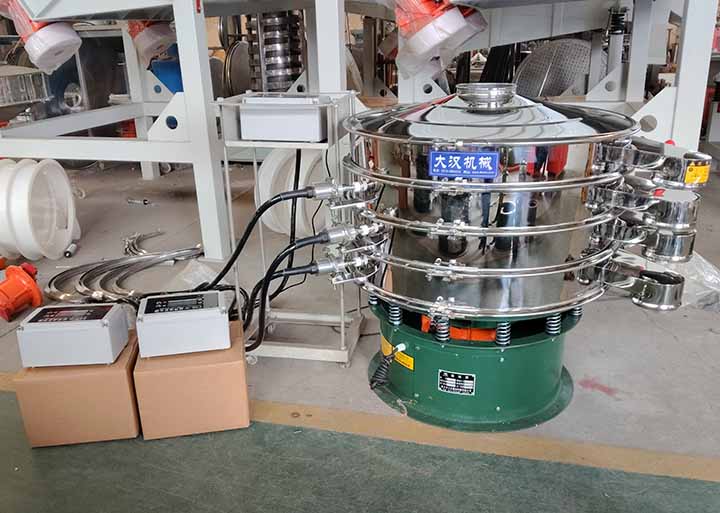
Explosion-Proof Configuration (+$650 to +$1350): Because fine metal powders carry a risk of deflagration at certain air-suspended concentrations, selecting ATEX/IECEx certified explosion-proof motors, explosion-proof control boxes, and anti-static grounding devices ensures absolute operational safety.
Nitrogen Protection & Sealing System (+$1100 to +$2200): Adding nitrogen charging ports, gas control valves, and precision oxygen content monitoring sensors establishes a fully enclosed, inert, oxidation-resistant environment required for reactive tin and metal powders.
Premium Components (Optional Upgrade): Upgrading to imported ultrasonic generators and high-temperature-resistant transducers provides more continuous signal output, extended durability, and superior heat management for heavy-duty industrial lines.
Frequently Asked Questions About Solder Ultrasonic Sieves
Q: Why must an external transducer be used for tin powder grading instead of an internal one?
A: An internal transducer placed inside the mesh frame has direct physical contact with the tin powder. Continuous operation generates slight localized heat, which can easily cause surface oxidation of the fine tin particles and even lead to micro-melting or adhesion. Our external transducer design completely isolates the heat source from the material, ensuring the chemical stability and physical properties of the solder powder remain intact.
Q: What role does the nitrogen protection system play in sieving?
A: Tin and alloy powders are chemically reactive at the micron level. Nitrogen purging involves injecting high-purity nitrogen into the fully enclosed casing to displace oxygen. The system only initiates screening once the internal oxygen concentration drops below a safe threshold, preventing the formation of oxide scale during rapid flow and ensuring superior soldering performance for downstream solder paste.
Q: Is it easy to clean the equipment when switching between T4 and T5 powder grades?
A: Yes. The equipment utilizes a quick-opening clamp design, allowing operators to loosen the clamps and remove the screen frame within 5 minutes. Because all interior surfaces feature high-standard mirror polishing with zero dead corners, cleaning can be swiftly completed using alcohol spraying and an air gun, effectively preventing cross-contamination between different production batches.
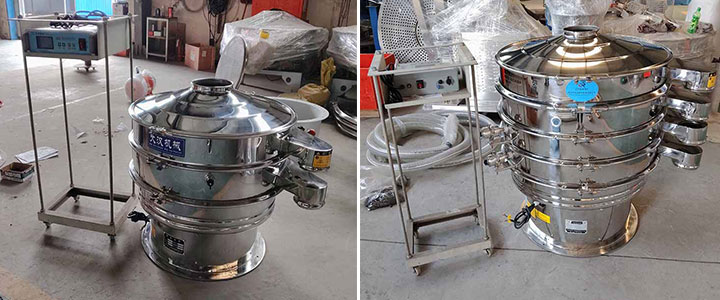
The Dahan Machinery Solder Powder Ultrasonic Sieve effectively overcomes the challenges of clogging, electrostatic adhesion, and low output rates for micron-sized metal powders through advanced high-frequency micro-amplitude vibration waves. Featuring an external heat-resistant transducer, a fully sealed nitrogen-purging anti-oxidation structure, and customizable explosion-proof configurations, it delivers a reliable, high-precision particle size classification solution for the advanced electronics, SMT, and metal additive manufacturing industries.
Ready to Upgrade Your Metal Powder Screening Line?
Contact Dahan Machinery today to get expert technical consultation, customized explosion-proof/nitrogen-sealed solutions, and a free quotation tailored to your capacity requirements (T3-T6 grades).

Email:
sale@xxdahan.com
WhatsApp:
+86 15236742901
Add:
1000m West of Forest Park,Yanjin County,Xinxiang City,Henan Province,China.