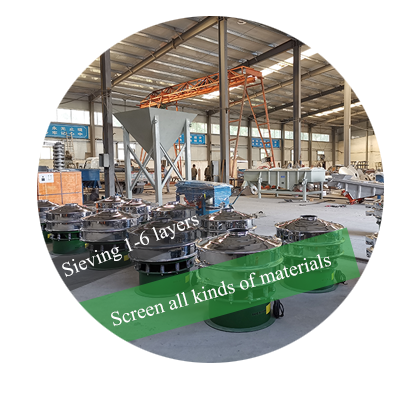
Dehydrated Vegetable Sifter
![[field:title/]](/uploads/allimg/260609/1-2606091H32B56-lp.jpg)
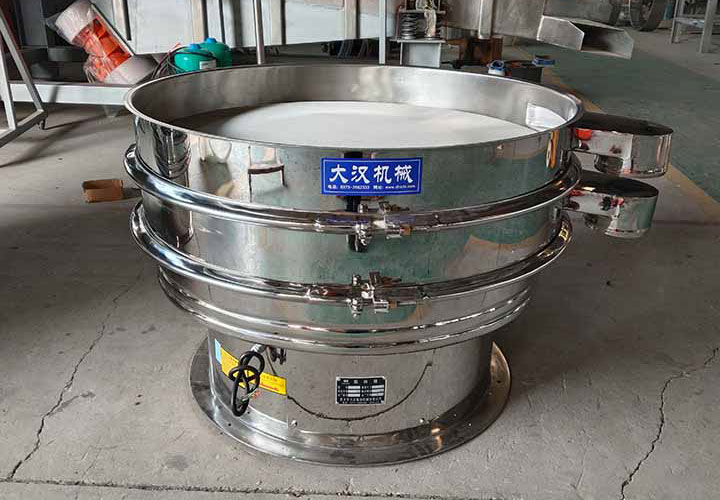
Why Choose a Gentle Dehydrated Vegetable Sifter to Prevent Breakage?
Dried vegetables such as carrot cubes and mushroom slices have low moisture content and high brittleness. The high shearing force of traditional industrial vibrating screens often causes secondary damage and high breakage rates, resulting in severe material waste and lower yield. Additionally, lightweight items like onion skins and leek segments easily generate static electricity, leading to screen blinding, frequent line shutdowns, and workshop dust pollution.
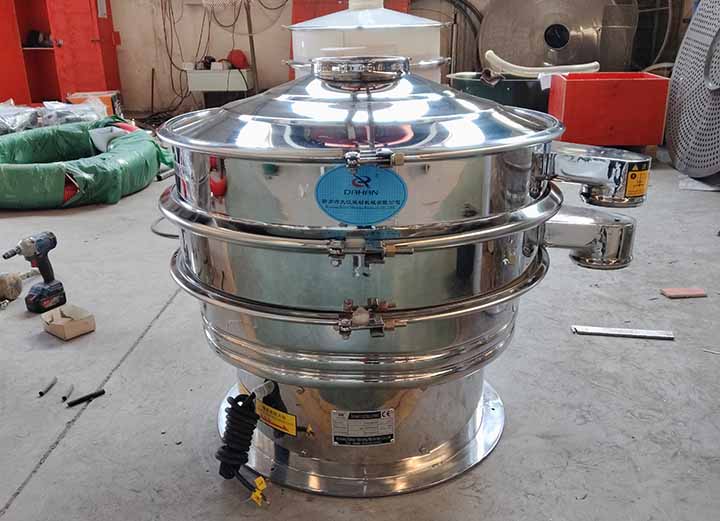
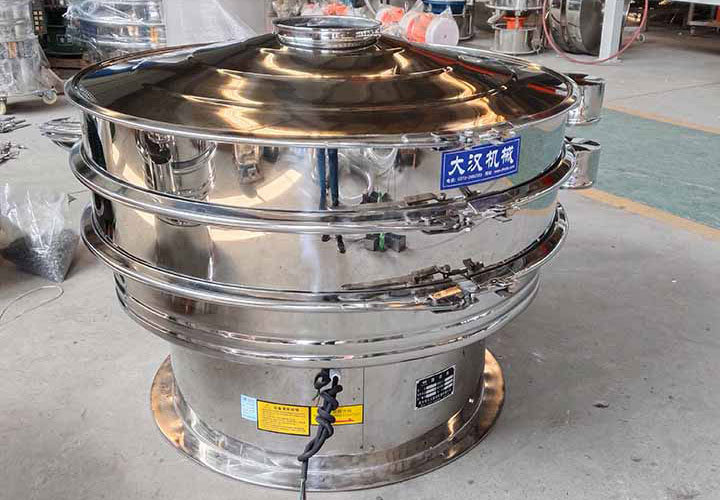
Our industrial Dehydrated Vegetable Sifter provides advanced grading and impurity-removal solutions designed specifically for food processing plants. Constructed entirely from food-grade 304 stainless steel with mirror-polished seamless welds, it fully complies with international food hygiene standards. With a flexible hourly screening capacity ranging from 100kg to 3,300kg, it ensures dust-free, high-efficiency sorting for diverse dehydrated food production lines.
Watch: See Our Industrial Dehydrated Vegetable Sifter in Action
Key Technical Advantages: Gentle Motion, Anti-Clogging & Sanitary Design
Our industrial Dehydrated Vegetable Sifter integrates zero-damage tumbling motion, advanced mesh-cleaning systems, and strict food-grade construction to ensure maximum yield and continuous operation.
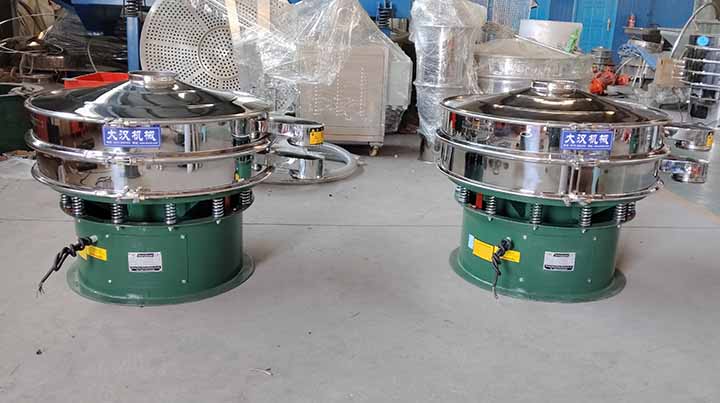
Low-Impact Biomimetic Gyratory Motion
The equipment utilizes a low-amplitude, low-frequency biomimetic tumbling design. Instead of jumping violently, delicate vegetable slices and granules slide smoothly across the screen surface in a gentle circular motion, significantly reducing mechanical friction and preventing fragile products from shattering.
Dual Anti-Clogging & Anti-Static System
To overcome screen blinding from lightweight leaves and electrostatically charged dust, food-grade silicone bouncing balls continuously strike the mesh underside to dislodge trapped particles. For ultra-light or sticky ingredients, an optional ultrasonic mesh cleaning system generates micro-vibrations to break static adhesion instantly.
Ra 0.4μm Sanitary Polish & Fast Cleaning
Built from premium 304 or 316L stainless steel, all material-contact surfaces feature seamless welds polished to a mirror finish (Ra ≤ 0.4 μm). This ultra-smooth interior eliminates dead zones where bacterial growth or mold could occur, allowing quick washdowns between product batches.
Dehydrated Vegetable Sizer & Grader: Application Scenarios
Different dehydrated agricultural products require tailored mesh apertures and vibration trajectories. The following table outlines how our industrial vegetable sifter handles major food processing applications to ensure consistent sizing and zero waste:
| Material Name | Condition Before Screening | Target Output After Sizing | Impurity & Powder Removal |
|---|---|---|---|
| Diced Carrots | Dried mixture containing uneven fragments and fine dust. | Standard 5mm * 5mm uniform granules | Remove scrap fragments & powder < 1mm |
| Crispy Shiitake Mushroom Slices | Mix of whole mushrooms, broken stems, and crumbs. | Grade A (>15mm) & Grade B (8-15mm slices) | Separate crushed particles < 5mm |
| Green Onion Rings / Segments | Contains rings, lightweight skin sheets, and fiber fines. | Complete, high-purity rings (3-8mm) | Extract static onion skin and airborne dust |
| Dehydrated Garlic Granules | Blended with hard agglomerates and ultra-fine powder. | Standard 20-40 mesh precision granules | Crush/block agglomerates and extract fines |
Core Structural Components & Design Highlights of the Vegetable Sifter
To ensure high durability, easy maintenance, and sanitary compliance, our industrial dehydrated vegetable sifter integrates several precision-engineered structural components:
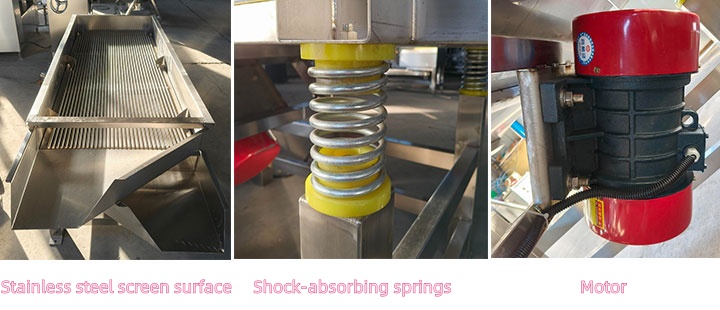
- Adjustable-Force Dual-Vibration Motors: Serving as the dynamic vibration source, operators can easily adjust the eccentric block angles to customize the material running trajectory—ideal for both lightweight onion rings and heavy carrot cubes.
- Quick-Opening Clamping Rings: Designed around the perimeter for rapid screen replacement. Workers can change sieve meshes manually within 3 minutes, effectively avoiding cross-contamination of flavors between different vegetable runs.
- Fully Enclosed Dustproof Top Cover: Features a 3D structure equipped with an inspection observation window and food-grade silicone seals, completely isolating irritating dust generated by garlic and onions.
- Optimized 15° Gravity Discharge Port: Engineered to follow the natural flow direction, allowing processed vegetables to discharge smoothly by gravity while preventing mechanical damage from collision.
How to Choose the Right Dehydrated Vegetable Sifter Model?
Selecting the ideal industrial vibrating sifter requires evaluating several core engineering parameters: bulk density, target hourly capacity, grading layers, and plant layout constraints.
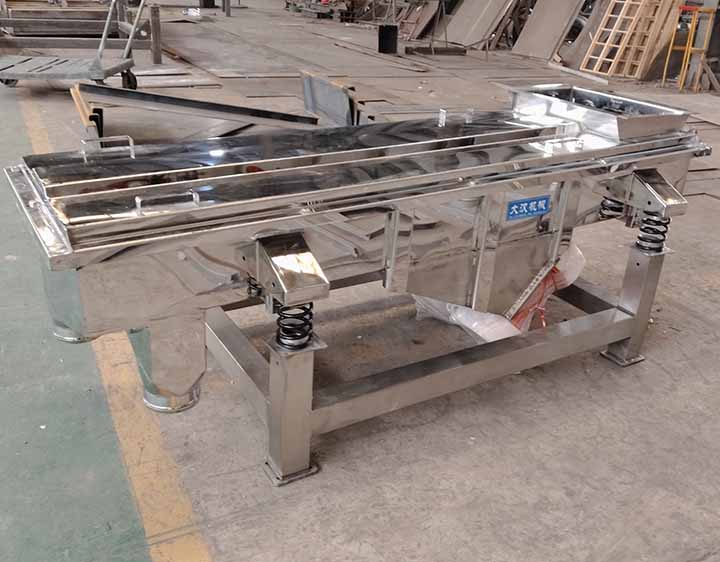
Key selection principles include:
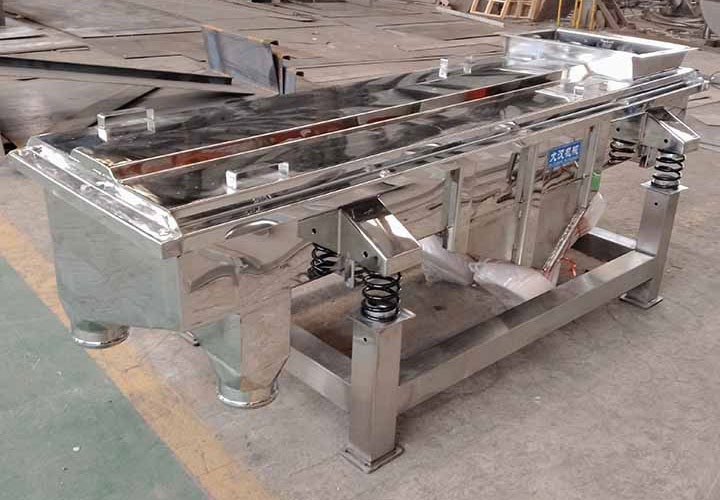
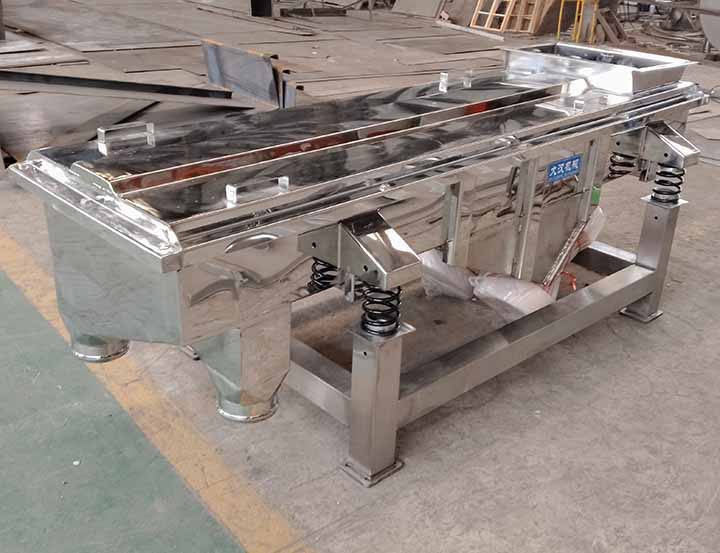
- Bulk Density & Screen Area: Dehydrated onion rings feature a low density of only 0.15 g/cm³, whereas carrot cubes reach approximately 0.5 g/cm³. Lighter materials require a larger effective screening area. For example, a 500 kg/h processing requirement is typically handled by an 800mm diameter round sifter, while a 2-ton/h large-scale line may require a linear sorting machine (e.g., 1.2m x 2.5m).
- Number of Screening Layers: A single-layer screen is ideal for basic dust removal and impurity separation, whereas a three-layer model is necessary to grade mushroom slices simultaneously into Grade A, Grade B, Grade C, and fine powder.
- Factory Height Limitations: Multi-layer screening machines have a taller overall profile; engineers should measure the vertical clearance between the feed conveyor and the workshop floor prior to purchase.
How Much Does a Dehydrated Vegetable Sifter Cost? Price & Customization Guide
The typical price of an industrial Dehydrated Vegetable Sifter ranges from $1,500 to $9,700, with the final quotation depending on several key manufacturing and configuration variables:
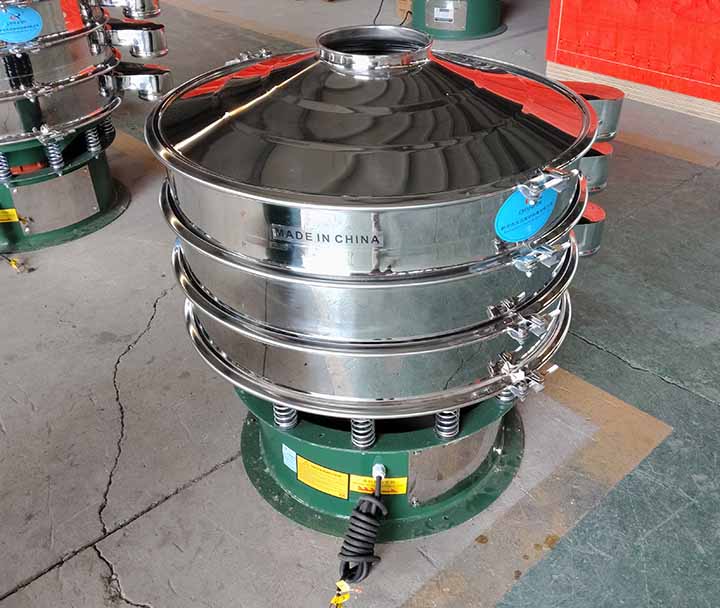
- Material Selection: A standard model featuring 304 stainless steel for food-contact parts with a carbon steel base is cost-effective. Upgrading to a full 316L stainless steel body for enhanced corrosion resistance increases raw material costs by over 30%.
- Equipment Size & Layer Count: A compact single-layer 600mm micro-sieve starts around $1,800, whereas heavy-duty, large three-layer models (e.g., 1500mm diameter) require custom engineering and higher investment.
- Optional Anti-Clogging Systems: Adding an advanced ultrasonic transducer system to eliminate electrostatic adhesion and screen blinding will adjust the overall project budget.
- Special Surface & Motor Treatments: Export-grade mirror polishing (Ra ≤ 0.4μm) and explosion-proof motor upgrades incur additional specialized labor and component costs.
Frequently Asked Questions About Dehydrated Vegetable Sifters
Dehydrated vegetables are very crisp. Will the material stick to the mesh due to static electricity generated by friction?
Yes, lightweight dehydrated garlic slices and onion flakes easily build up electrostatic charges during friction. Our specialized solution incorporates anti-static materials into the silicone seals and bouncing balls. Additionally, an optional ultrasonic generator can be mounted on the mesh frame to continuously break the static layer through high-frequency micro-vibrations, preventing mesh blinding.
Is it easy to change the mesh? If I need to switch from onions to carrots, how long does cleaning take?
Absolutely. Thanks to our quick-opening clamp ring system, operators can disassemble the sieve frame by releasing just four heavy-duty clamps without special tools. Screen mesh replacement or thorough water washdowns of the mirror-polished interior typically take only 10 to 15 minutes, preventing flavor cross-contamination between batches.
Is the machine noisy during operation? Will it affect factory workers?
No. The sifter is engineered with heavy-duty composite rubber damping springs. Compared to conventional metal springs, rubber springs reduce mechanical shock and dampen over 85% of operational noise, maintaining sound levels below 75 dB(A) to comply with international occupational health standards.
The Dehydrated Vegetable Sifter utilizes low-amplitude, gentle gyratory vibrations to safeguard delicate dried products like carrot cubes, crispy shiitake mushroom slices, and spring onion rings. Combined with food-grade 304/316L mirror polishing, mechanical bouncing balls, and optional ultrasonic mesh cleaning systems, it solves breakage, static blinding, and hygiene challenges simultaneously. Whether you are scaling up an existing food processing line or selecting equipment based on bulk density and throughput targets, our engineering team is ready to assist.
Ready to Upgrade Your Food Processing Line? Get a Free Custom Quotation & CAD Drawings
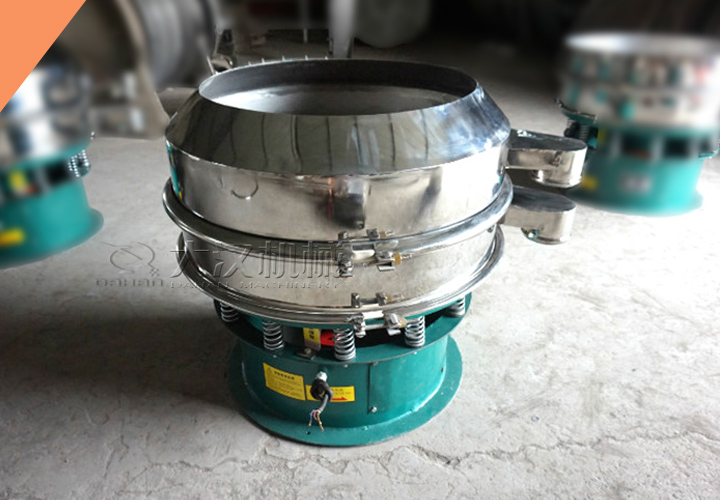
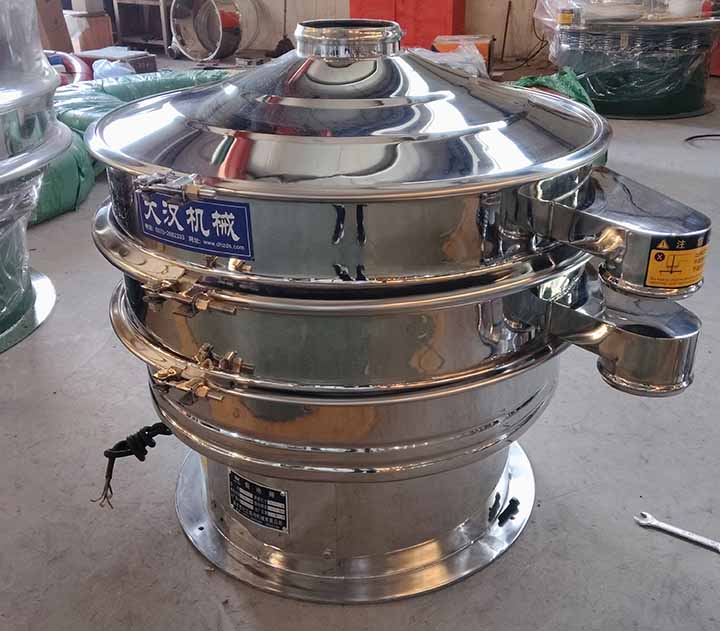
Need professional technical drawings, material test reports, or an exact factory-direct price for your dehydrated vegetable project? Send us your raw material specifications and hourly capacity requirements today.

Email:
sale@xxdahan.com
WhatsApp:
+86 15236742901
Add:
1000m West of Forest Park,Yanjin County,Xinxiang City,Henan Province,China.