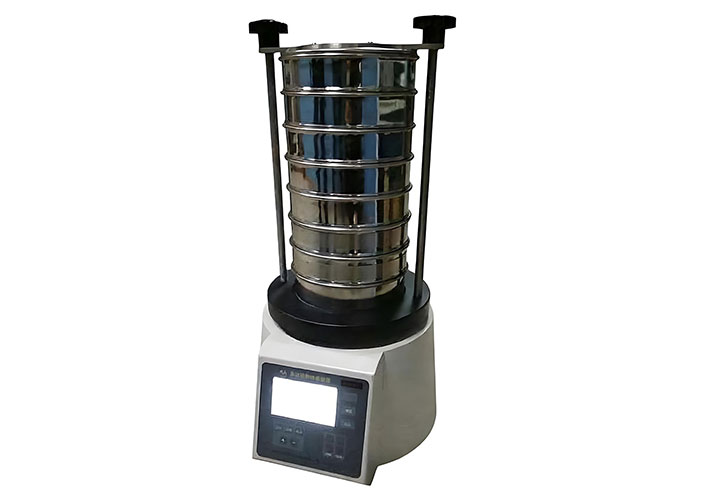
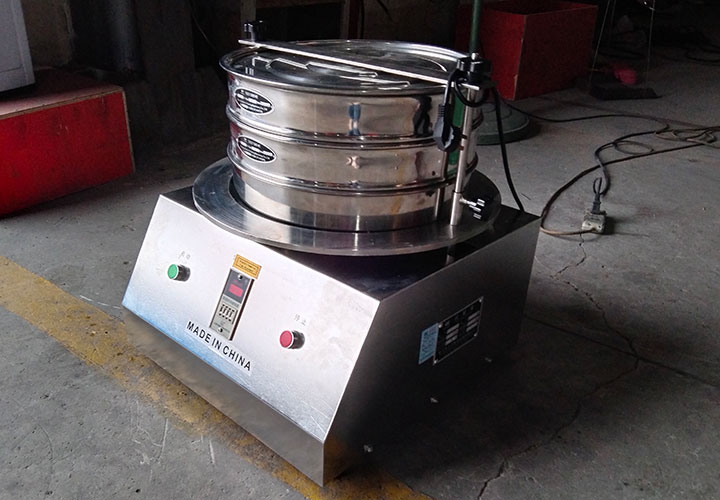
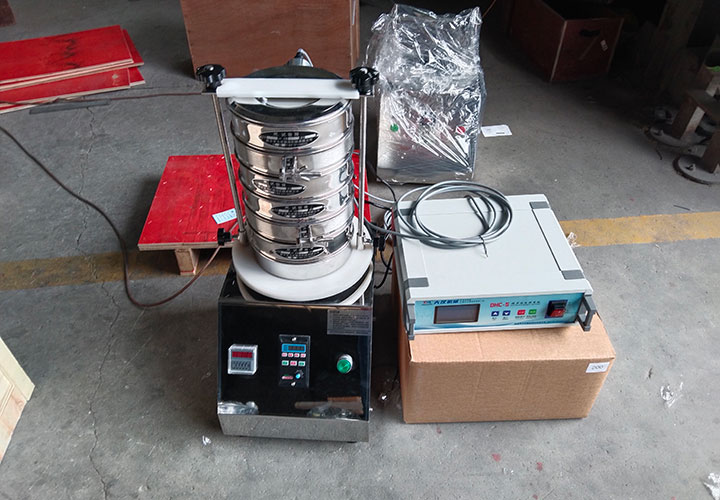
Particle Size Analysis Sieve
![[field:title/]](/uploads/260815/1-260Q5152535P8.jpg)
Callback
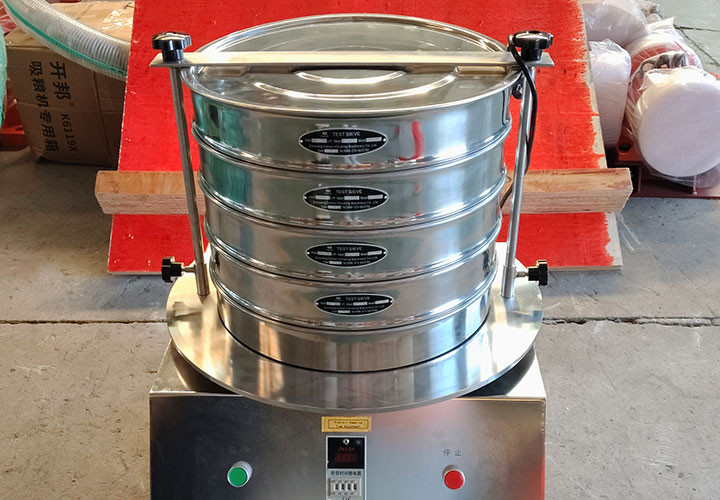
| Mesh Range: | 20–500 Mesh |
| Diameter: | 200 / 300 mm |
| Material: | SS304 / SS316L |
For laboratory particle size analysis.
ASTM E11 and ISO 3310-1 compliant options available.
What Is a Particle Size Analysis Sieve?
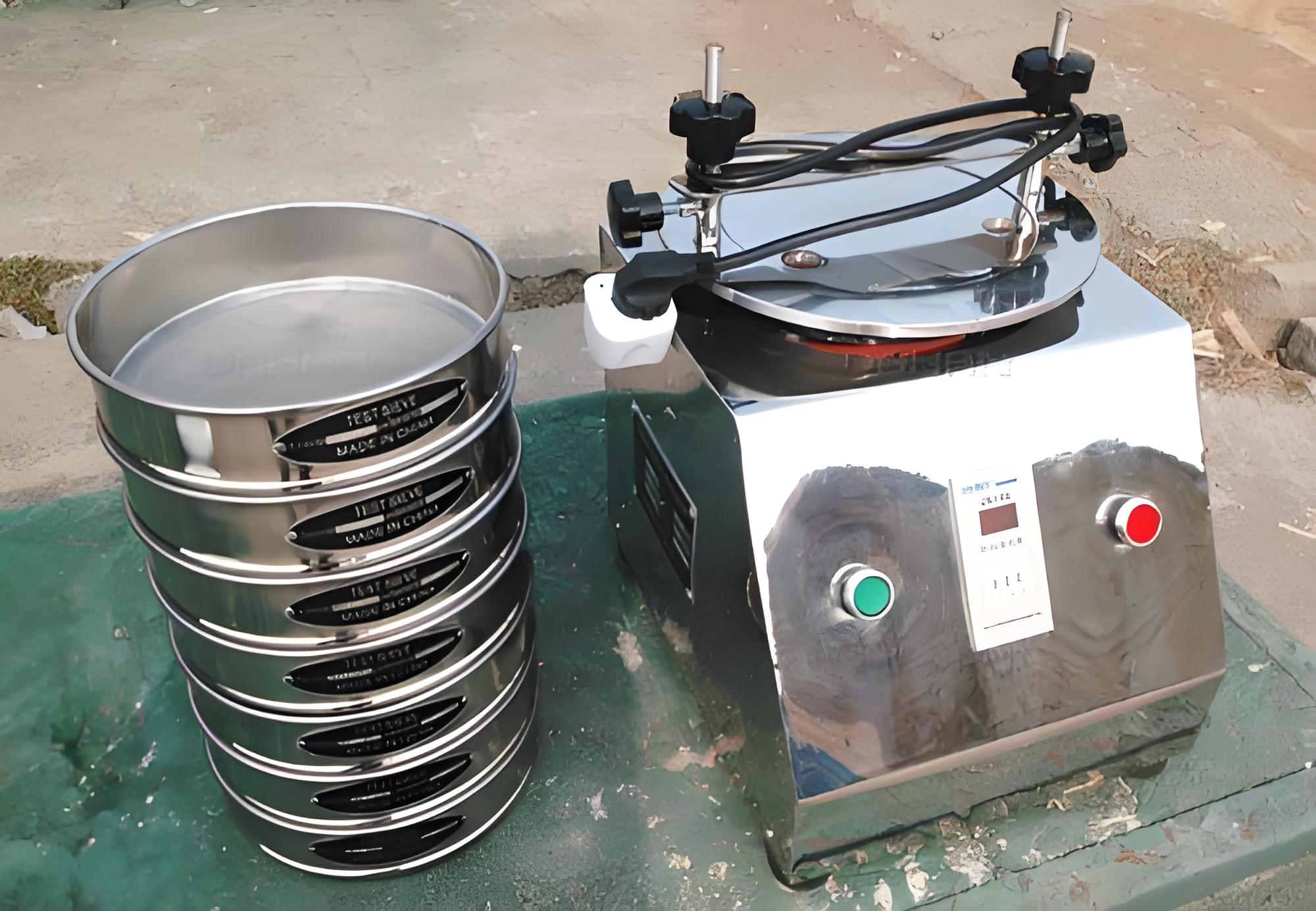
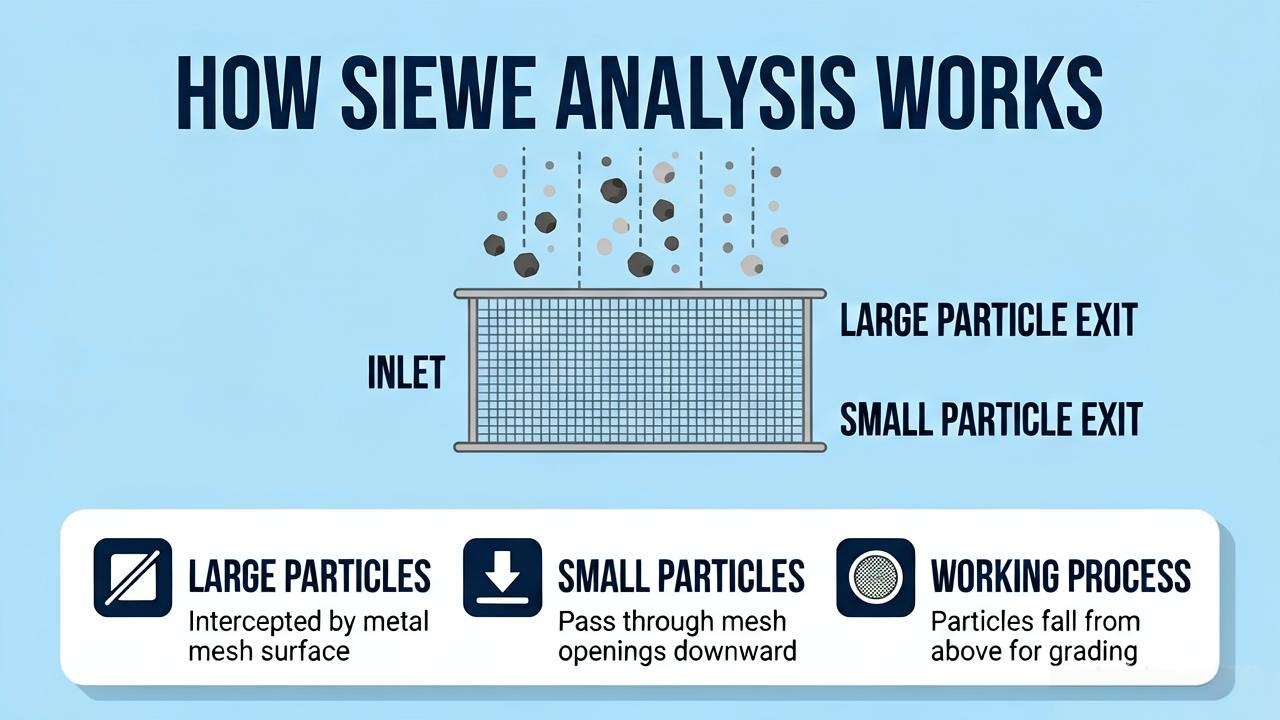
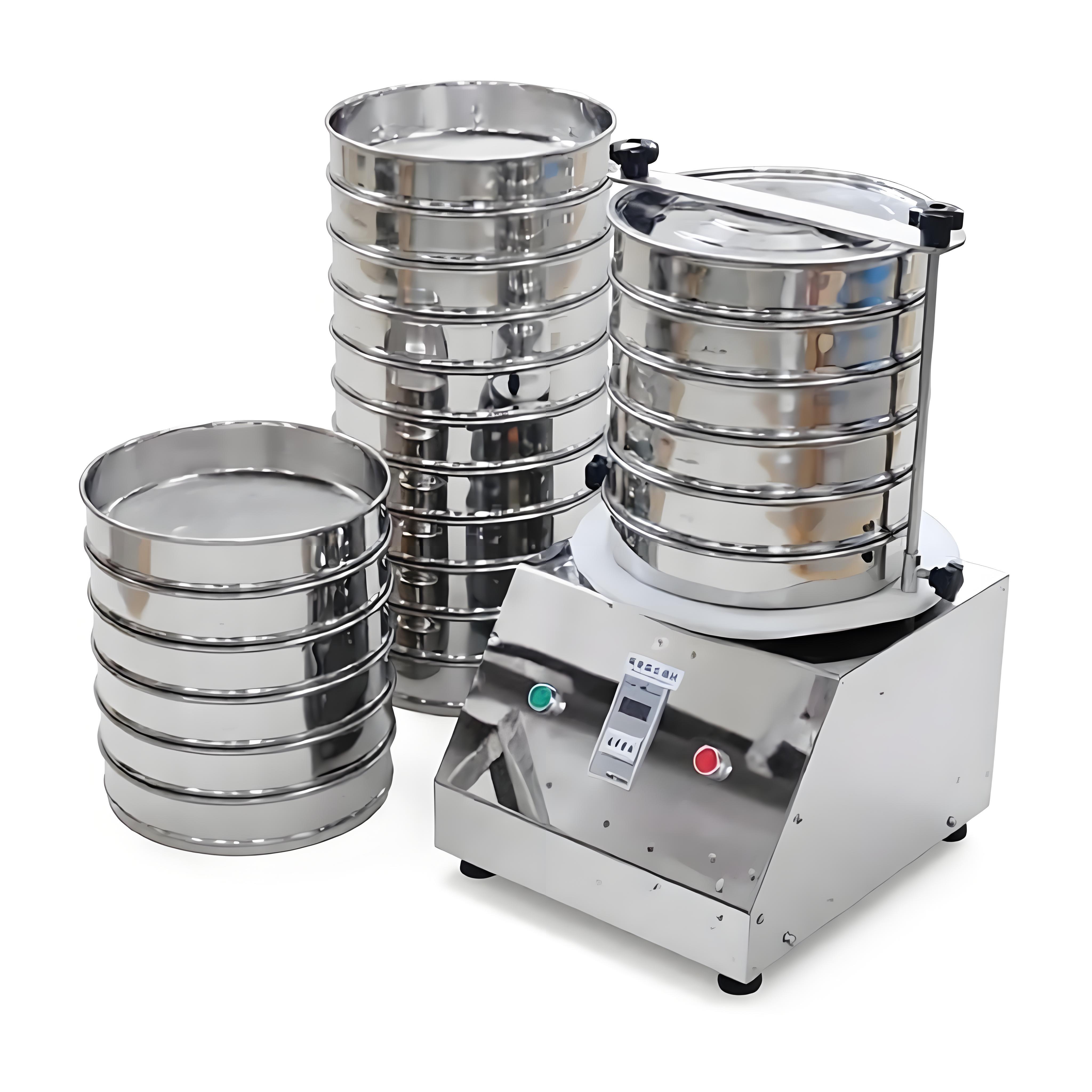
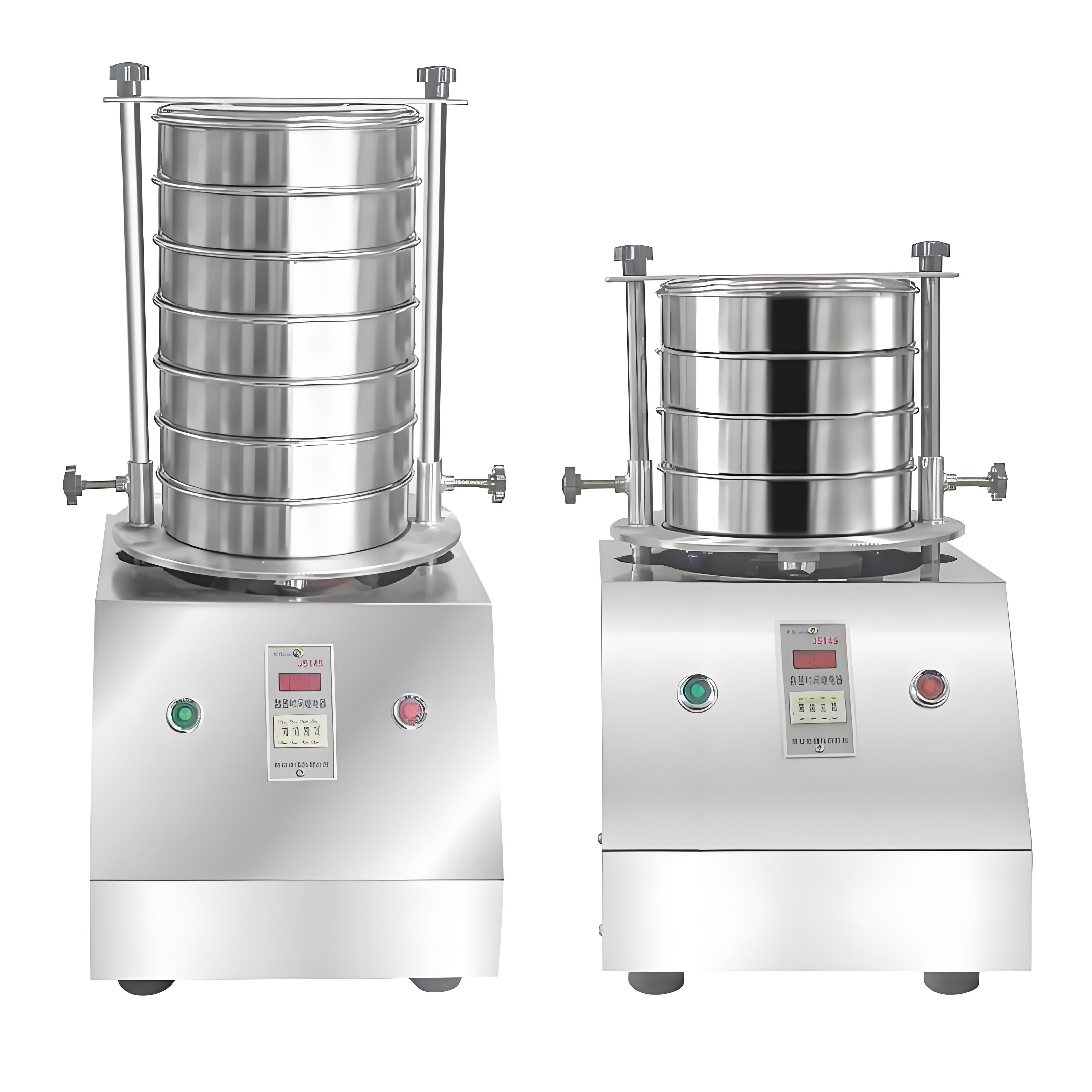
A particle size analysis sieve is a precision instrument used to determine the particle size distribution of granular materials. It consists of a rigid cylindrical frame holding a woven wire mesh with precisely sized square openings, known as apertures. When a sample is agitated on the sieve, particles smaller than the apertures pass through, while larger particles are retained. This process, known as sieve analysis or gradation test, is the oldest technique for measuring particle size distributions but remains a standard laboratory operation.
Why Particle Size Distribution Matters
Particle size directly influences flowability, chemical reactivity, solubility, compressibility, and abrasiveness. In pharmaceuticals, particle size affects dissolution rates. In construction, concrete strength depends on aggregate grading. Inconsistent particle sizes can cause dust issues, blockages, or poor mixing. A particle size analysis sieve provides the quantitative data needed to verify that materials meet specifications.
What Standards Govern Particle Size Analysis Sieves?
| Standard | Region | Key Specifications |
|---|---|---|
| ASTM E11 | USA | Three tolerance grades: Compliance, Inspection, Calibration |
| ISO 3310-1 | International | Woven wire test sieve requirements |
| DIN 66165-1 | Germany | Principles of sieve analysis for disperse materials |
All standards are based on a geometric progression. The multiplying factor for ASTM and Tyler sieves is 1.189; for ISO sieves it is 1.414. Sieves meeting these standards deliver consistent, comparable results.
How Do You Perform a Sieve Analysis?
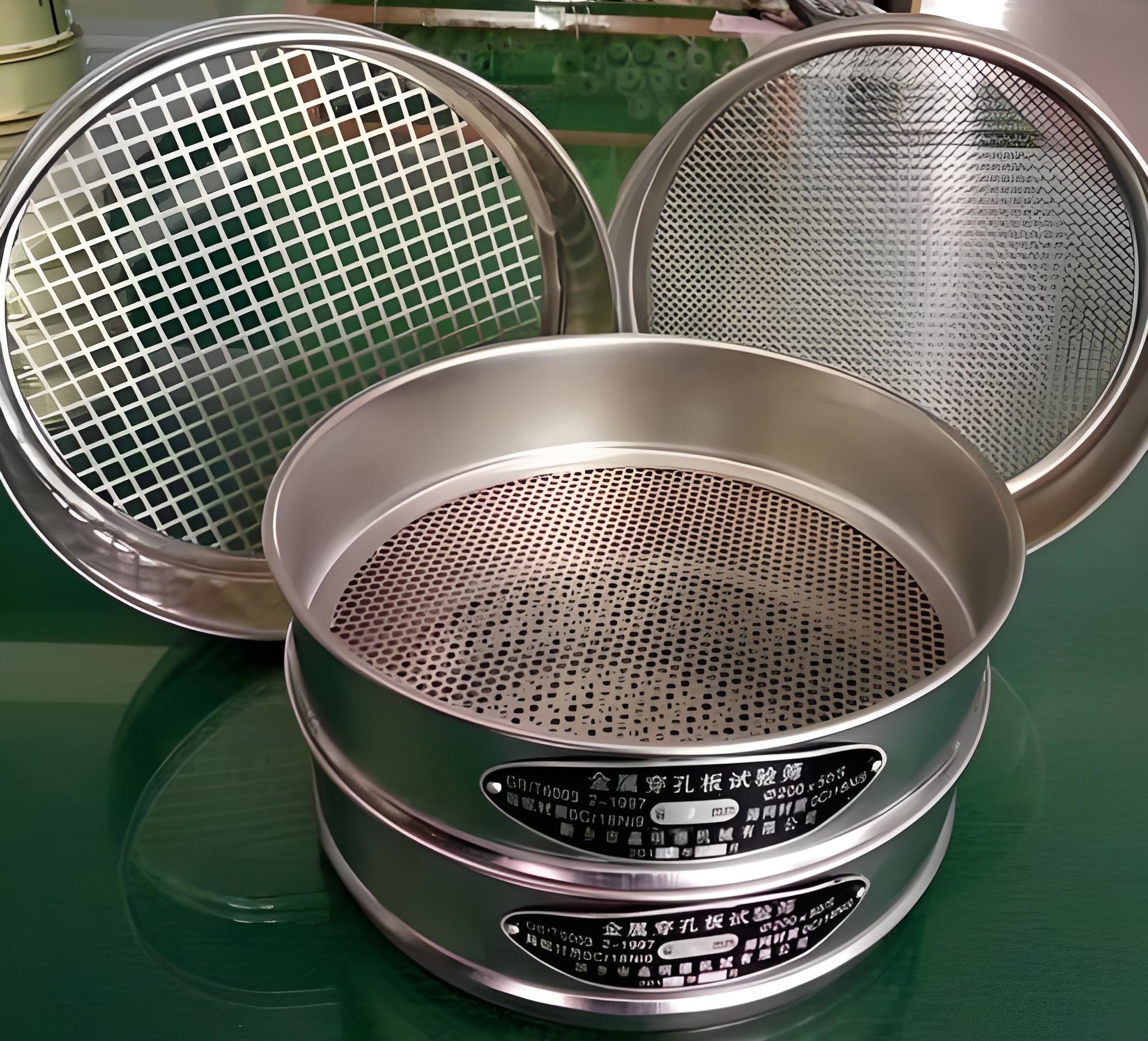
Step 1: Sample Preparation – Select sieves appropriate for the expected particle size range. The sample must be representative—use splitting techniques such as coning and quartering. Weigh each empty sieve to 0.1 grams accuracy.
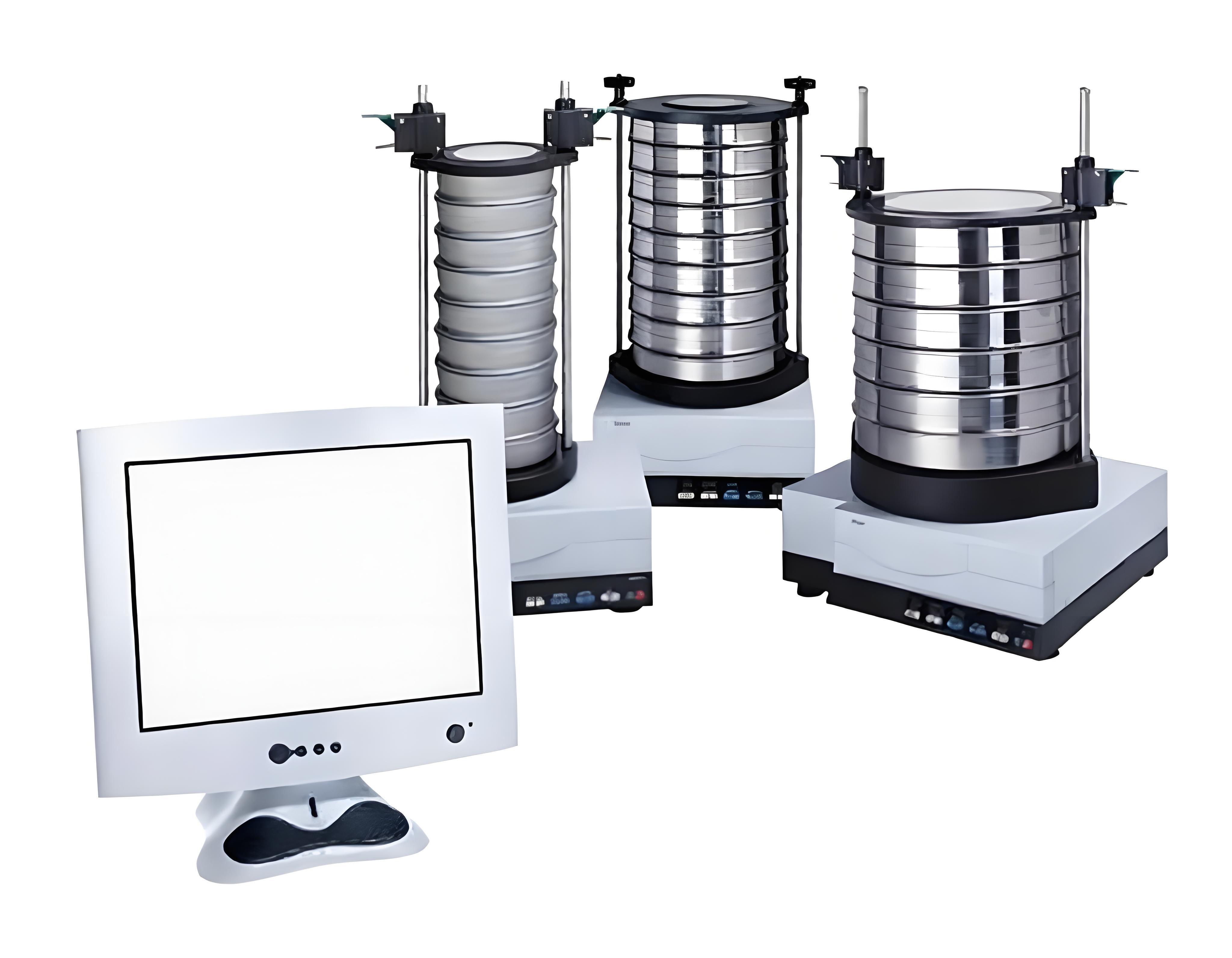
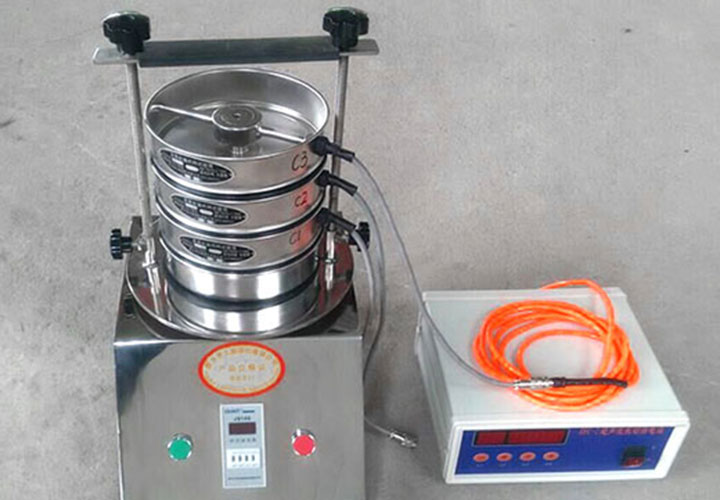
Step 2: Assembling the Stack – Stack sieves in ascending order of fineness (smallest opening on bottom, largest on top), with a collecting pan at the bottom and a lid on top. Do not overload—no more than a couple of millimetres depth of powder on a working sieve.
Step 3: Agitation – Place the stack in a mechanical sieve shaker. Agitate for up to about 30 minutes. A working limit can be established by stopping when the weight on any sieve changes by less than 0.5% in 5 minutes.
Step 4: Weighing and Analysis – Weigh each sieve with retained material. Subtract empty weights. Convert to percentages of total sample weight. A difference of less than 1% between total recovered and original sample is acceptable. Plot the data as a gradation curve.
What Are the Most Common Mistakes in Sieve Analysis?
Unrepresentative Sampling – The most critical error. If the sample doesn't reflect the bulk material, results are meaningless.
Sample Overloading – Too much material blinds the mesh, preventing smaller particles from passing through.
Inconsistent Sieving Time – Insufficient time skews distribution toward coarse end; excessive time offers no benefit.
Worn or Damaged Sieves – New sieves have tolerances of around ±5 μm; old sieves may have much greater variation.
The Particle Shape Assumption – Sieve analysis measures a particle based on its second-smallest dimension. A long, thin particle may pass end-on through an opening much smaller than its actual length. This is not a random error; it is a systematic bias.
What Are the Real Limitations of Sieve Analysis?
Simplicity vs. Precision – Sieve analysis requires no complex instrumentation and delivers quick results. However, a standard stack typically contains a maximum of eight sieves, meaning the entire distribution is defined by just eight data points.
Particle Shape as Systematic Bias – As noted, sieve analysis measures particles based on their second-smallest dimension. For needle-like or flake-shaped materials, results can systematically deviate from true size distributions.
Practical Lower Size Limit – Below approximately 50 μm, accuracy is compromised as fine particles agglomerate due to electrostatic forces. Standard woven wire sieves cover 20 μm to 1 mm. Electro-etched sieves down to 5 μm are available but expensive and fragile.
The Illusion of Precision – Tables of standard sieve sizes can give the appearance of offering precision down to a micron, which is unjustified. The aperture in a woven wire sieve is a complex 3D shape formed by four crossing wires.
Sieve Analysis vs. Other Particle Sizing Methods
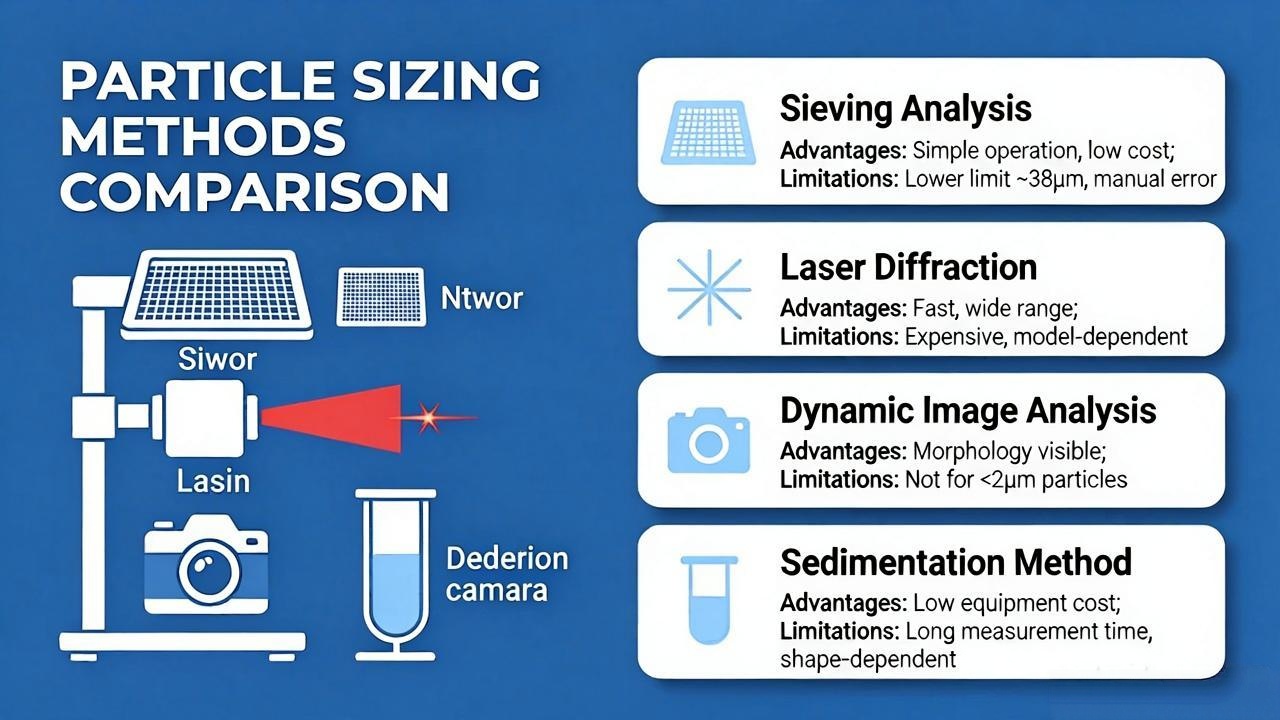
| Method | Range | Advantages | Disadvantages |
|---|---|---|---|
| Sieve Analysis | 20 μm – 125 mm | Simple, direct measurement | Coarse resolution (max 8 data points), shape-dependent bias |
| Laser Diffraction | 0.01 μm – 3 mm | Wide range, fast, high resolution | Indirect measurement, expensive equipment |
| Dynamic Image Analysis | 1 μm – 30 mm | Direct visualization, measures shape | Requires sample dispersion |
| Sedimentation | 1 – 100 μm | Suitable for fine particles | Slow, assumes spherical shape |
How Do You Choose the Right Sieve for Your Application?
Aperture Size (Mesh) – Sieve mesh sizes range from 20 to 500 mesh. A higher mesh number means smaller openings. For example, a #4 sieve has a 4.75 mm opening; a #200 sieve has a 75 μm opening.
Frame Diameter – Common diameters are 200 mm (8 inches) and 300 mm (12 inches). The 200 mm diameter is the standard laboratory version.
Material – Stainless steel (304 or 316L) offers durability and corrosion resistance.
Standards Compliance – Ensure the sieve meets ASTM E11, ISO 3310-1, or relevant standards.
Building a Sieve Stack – Use a √2 (1.414) progression, where each successive sieve opening is approximately 1.414 times smaller than the one above it.
Frequently Asked Questions
Q: What is the difference between a test sieve and a regular sieve?
A: A test sieve is a calibrated precision instrument manufactured to strict tolerances under ASTM E11 or ISO 3310-1, designed for quantitative particle size analysis rather than simple separation.
Q: What is the smallest particle size a test sieve can measure?
A: Standard woven wire sieves measure down to approximately 20 μm. Specialized electro-etched sieves can go down to 5 μm, but these are expensive and fragile.
Q: What is the difference between dry sieving and wet sieving?
A: Dry sieving is for free-flowing materials. Wet sieving adds water to break up clumps and wash fine particles through—useful for clay or silt.
Q: Can test sieves be calibrated and recertified?
A: Yes. Calibration-grade sieves undergo the most rigorous inspection, with at least twice as many openings measured as Inspection-grade sieves.
Q: How does particle shape affect sieve analysis results?
A: Sieve analysis measures a particle based on its second-smallest dimension—a systematic bias, not a random error.
A particle size analysis sieve is an essential tool for quality control, research, and production across industries that handle granular materials. Accurate sieve analysis ensures product quality, process efficiency, and regulatory compliance. Selecting the right sieve—with appropriate mesh size, frame diameter, and standard compliance—is the foundation of reliable results. Dahan offers high-precision particle size analysis sieves designed for laboratory and industrial applications, manufactured to meet ASTM and ISO standards with mesh sizes from 20 to 500 mesh and diameters of 200 mm or 300 mm.
-
How to Choose the Right ASTM E11 Test Sieve Size and Mesh?
Choosing the right test sieve is not simply a matter of selecting a mesh number ...
-
How to Clean and Maintain Stainless Steel Laboratory Test Sieves?
Stainless steel laboratory test sieves are precision tools used for particle size analysis ...
-
Sieve Calibration Grades: Compliance vs. Inspection vs. Calibration Under ASTM E11-24
Sieve calibration is not simply a process of making a test sieve “more accurate.” Under ASTM E11-24, Compliance ...

Email:
sale@xxdahan.com
WhatsApp:
+86 15236742901
Add:
1000m West of Forest Park,Yanjin County,Xinxiang City,Henan Province,China.