Analytical Sieve (Micro Sieve)
Callback
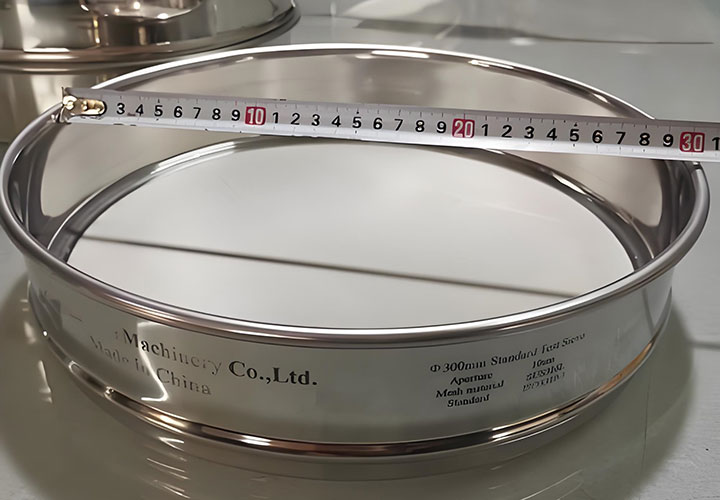
| Diameter: | 75 / 100 / 200 / 300 mm |
| Material: | Stainless Steel |
For particle size analysis by manual or mechanical sieving.
Standard and customized configurations available.
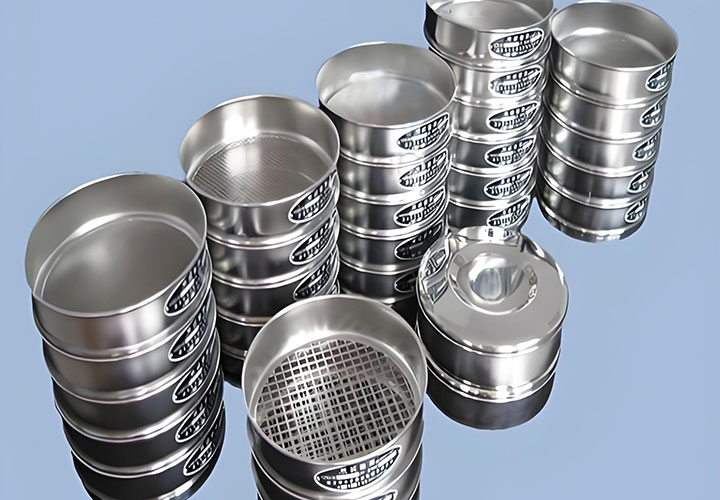
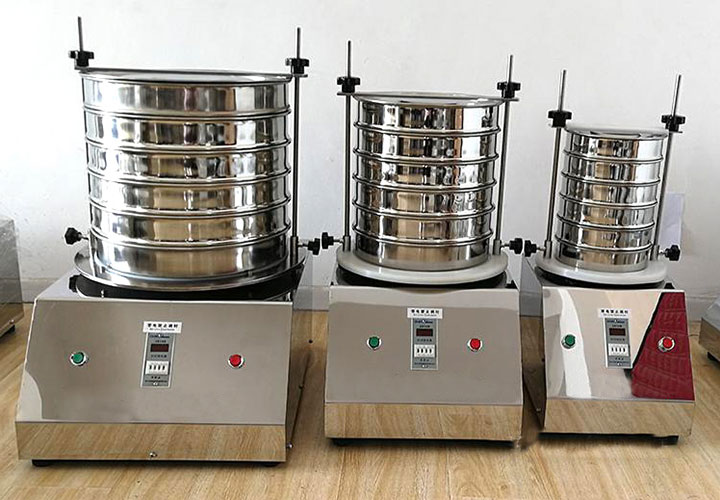
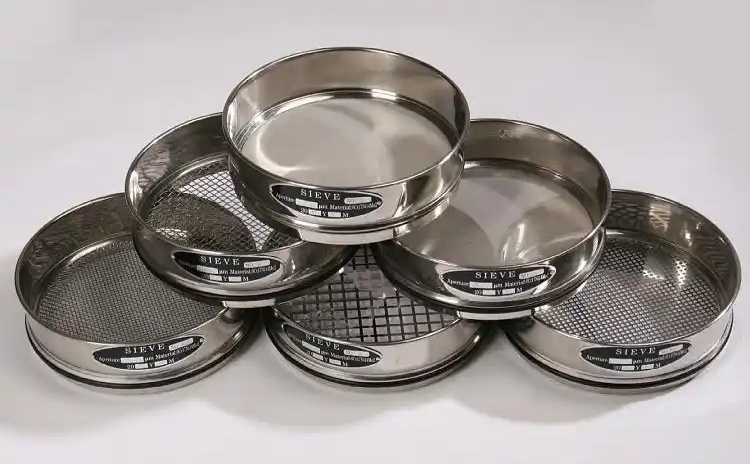
An Analytical Sieve (Micro Sieve) is designed for precise particle size analysis of powders, granules and fine particulate materials. By separating samples according to controlled aperture sizes, it helps determine particle size distribution for laboratory testing, quality control and material research.
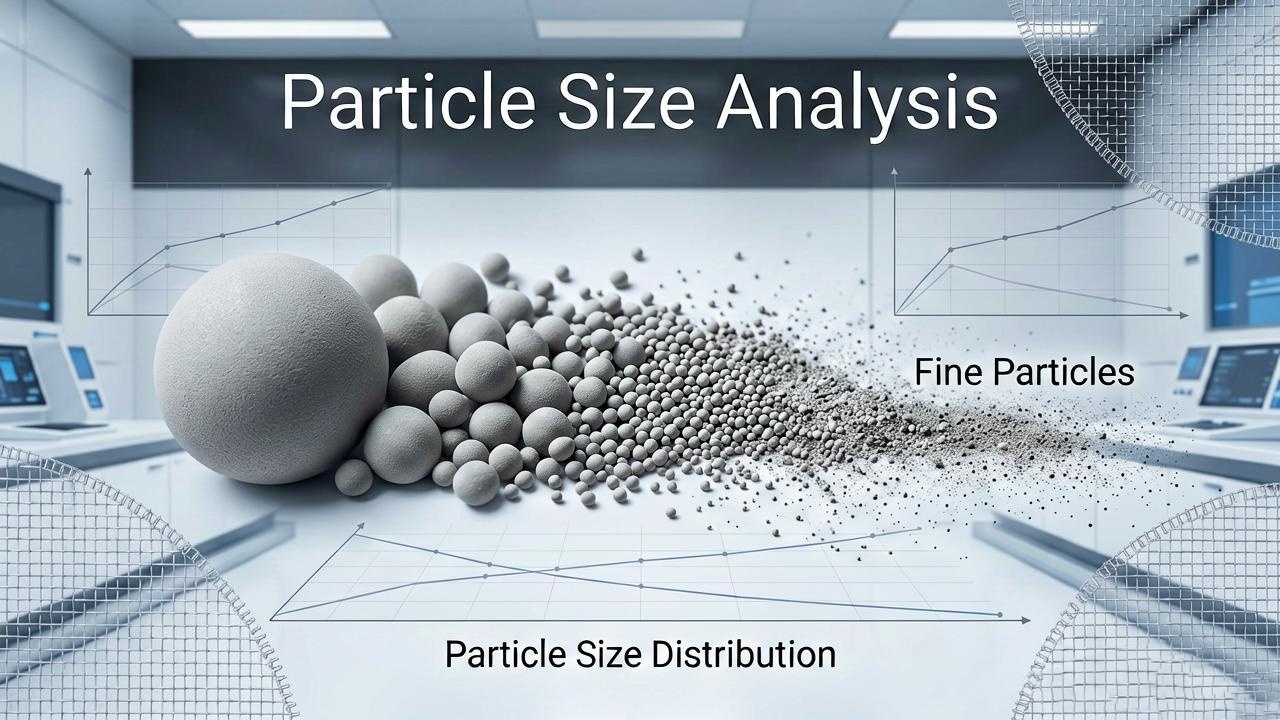
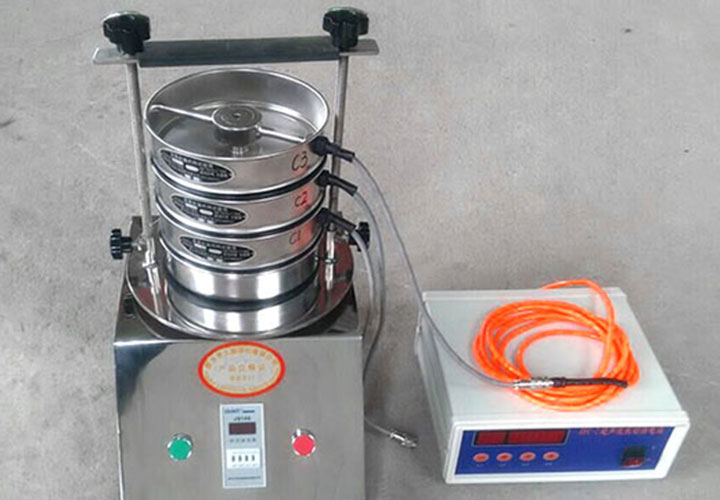
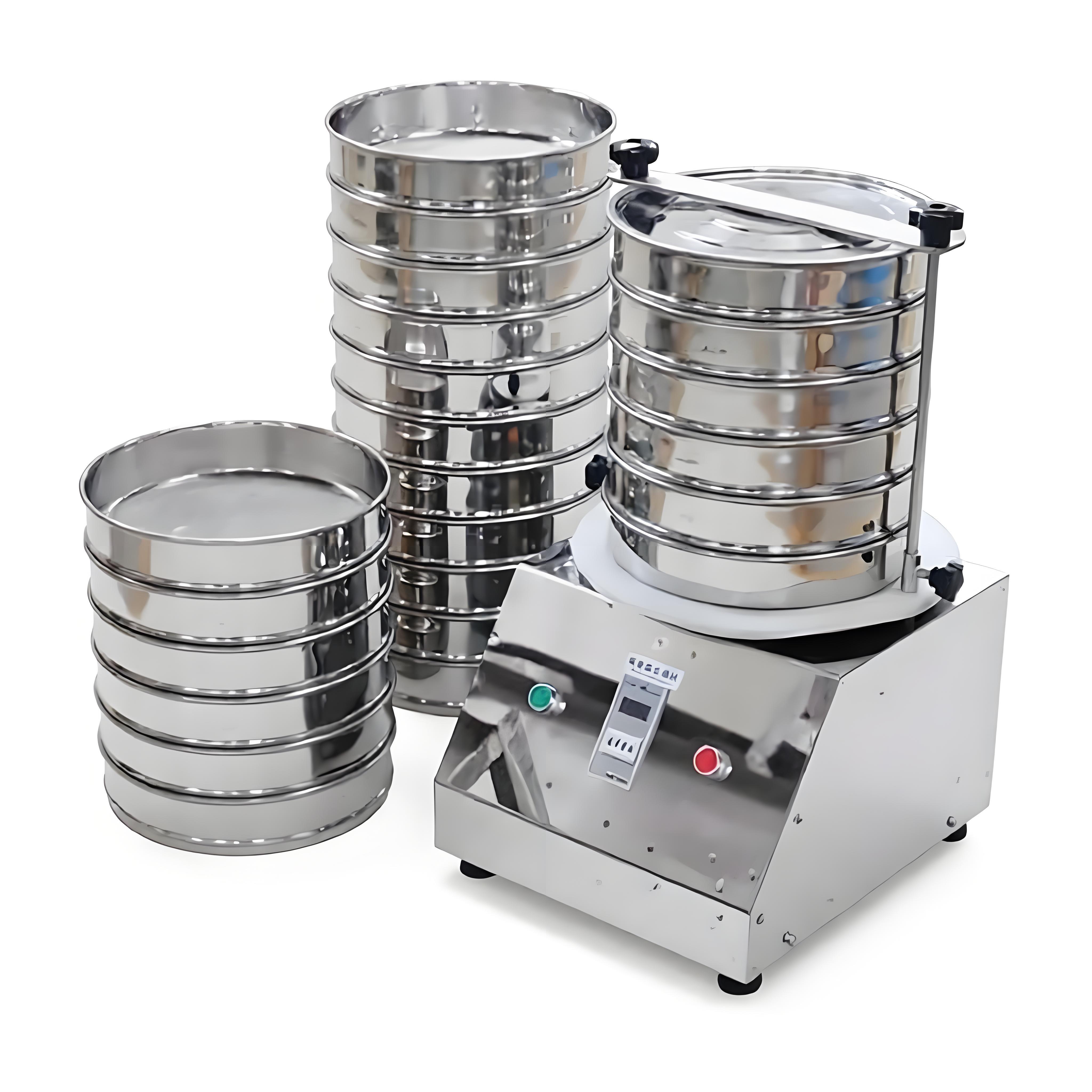
Different sieve diameters, aperture sizes and mesh configurations can be selected according to material characteristics, sample quantity and testing requirements. The sieve can also be used with a compatible laboratory sieve shaker when controlled and repeatable agitation is required.
What Is an Analytical Sieve?
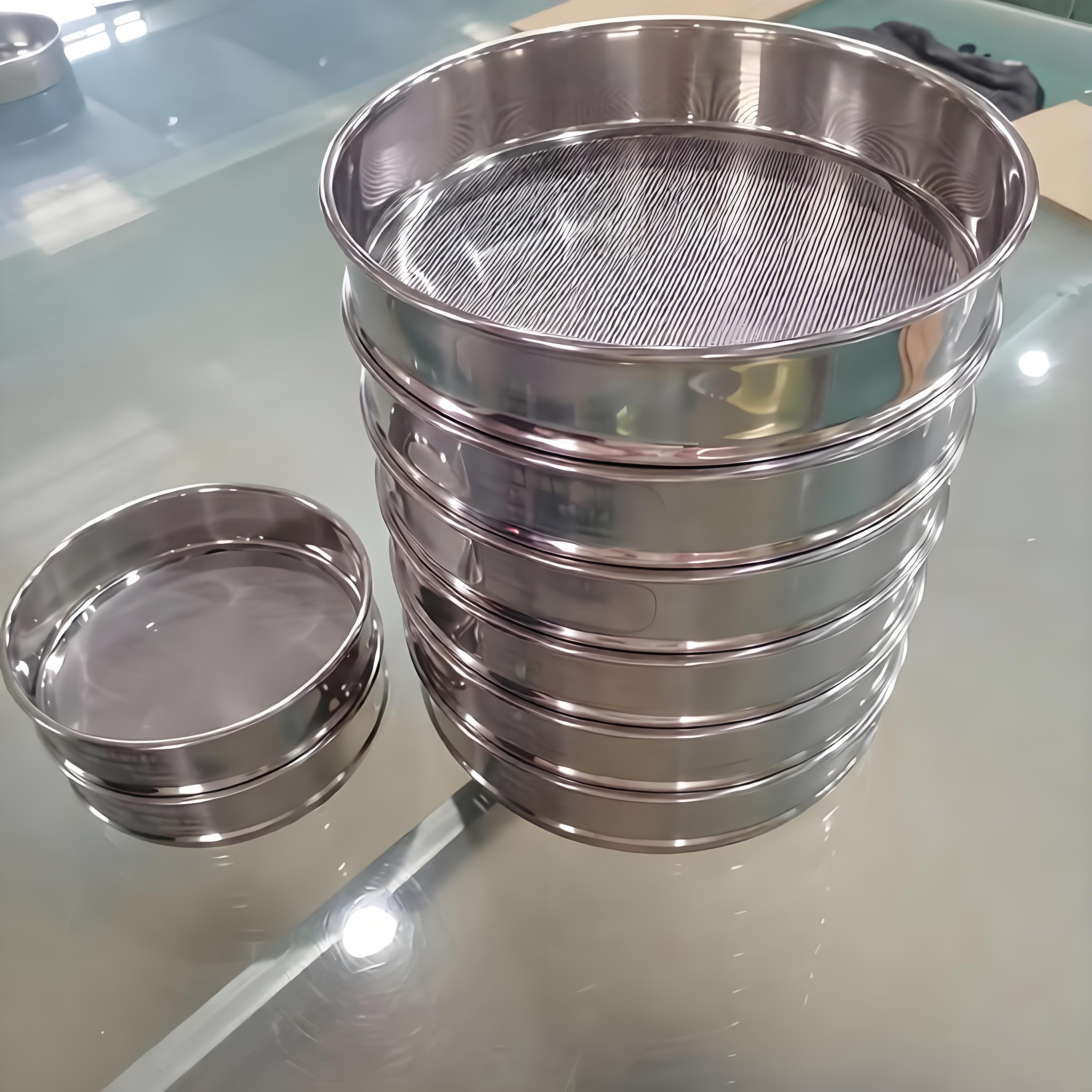
An Analytical Sieve (Micro Sieve) is a precision laboratory sieve used to separate particles according to size. A sample is placed on one or more sieves with different apertures, allowing smaller particles to pass through while larger particles remain on the mesh.
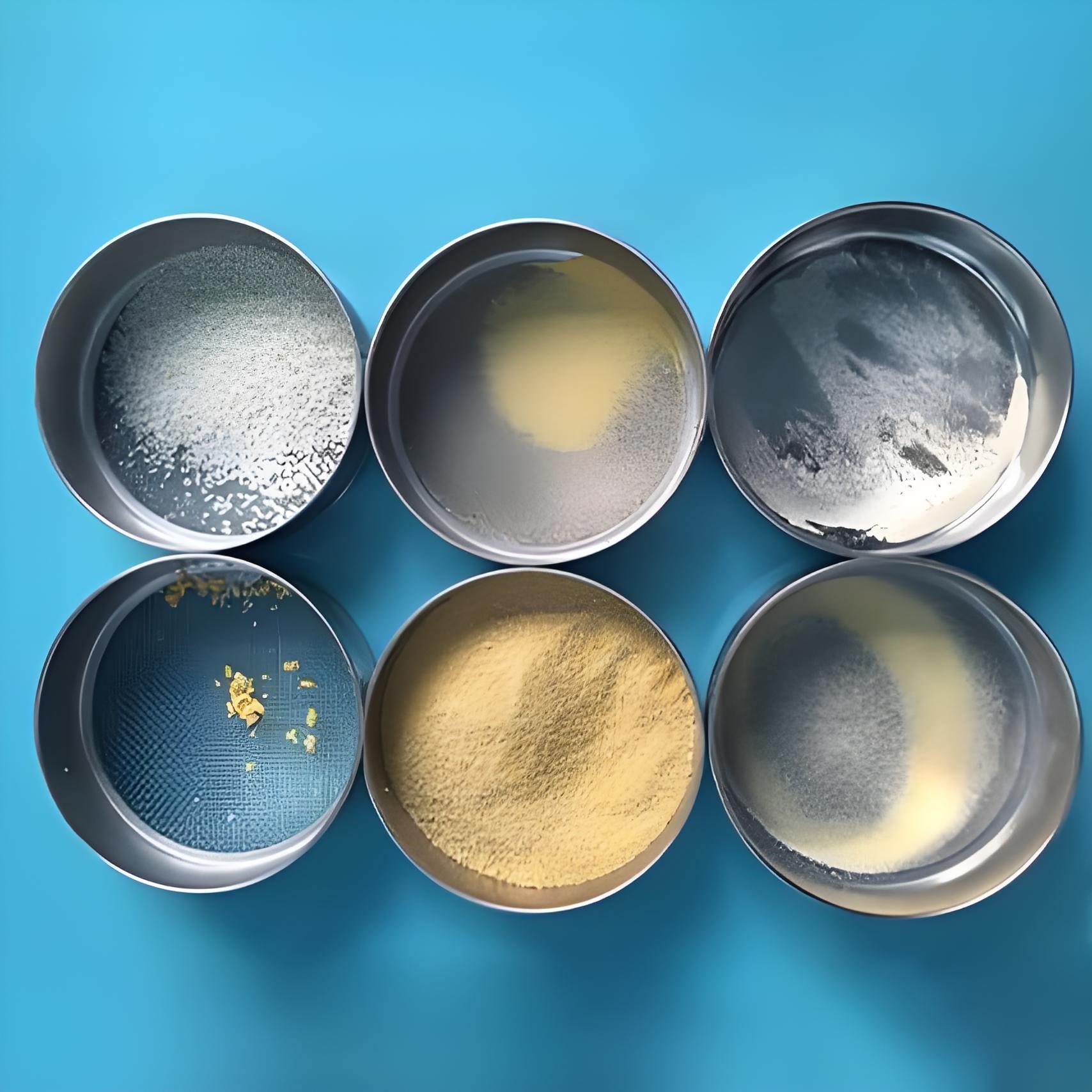
After sieving, the material retained on each sieve can be weighed to determine the percentage within each particle-size range. This provides particle size distribution information for material characterization and quality control.
How Analytical Sieving Works?
A typical analytical sieving process includes five basic steps.
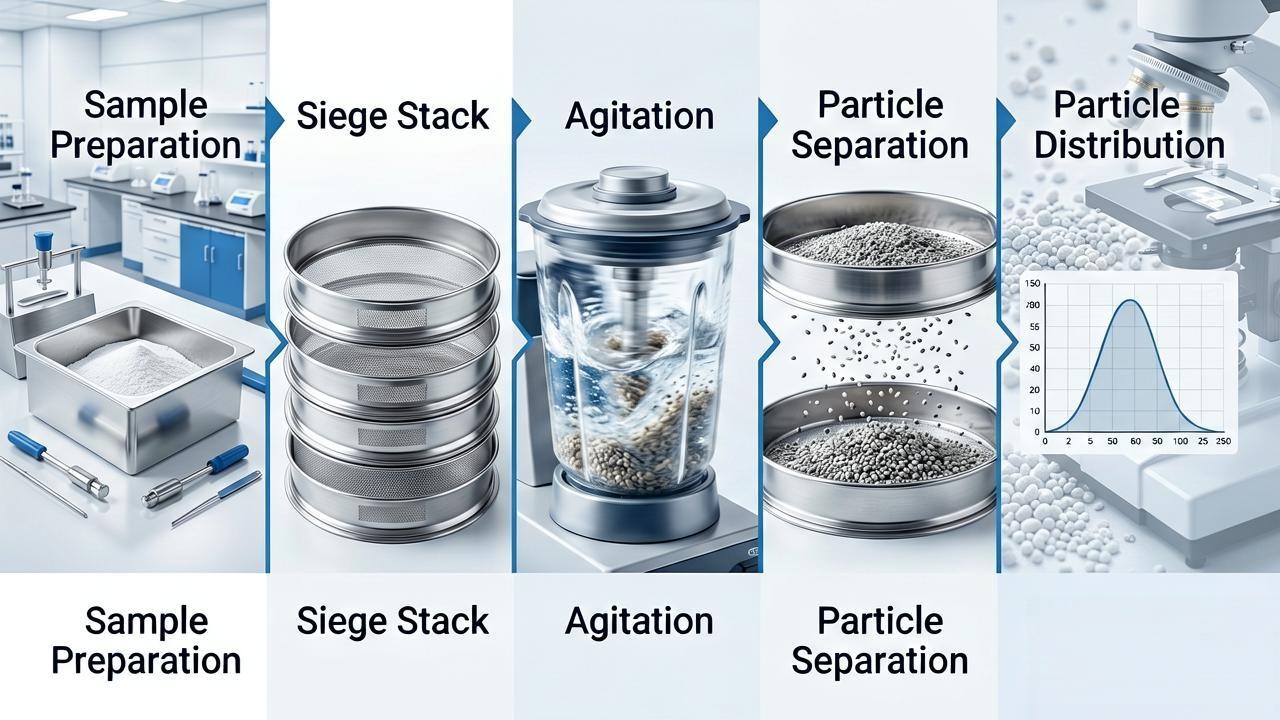
Select the Aperture Sizes: Choose apertures that cover the target particle-size range. Multiple sieves with progressively smaller openings can be used when several particle-size fractions need to be measured.
Prepare the Sample: Use a representative sample and avoid excessive loading, which can reduce separation efficiency and affect the result.
Arrange the Sieve Stack: When several sieves are used, the larger apertures are normally placed above the smaller apertures, with a receiver below the sieve stack.
Apply Controlled Agitation: Mechanical or manual agitation allows particles to move across the mesh and pass through suitable openings. The required method and duration depend on the material and testing procedure.
Determine the Retained Material: Material retained on each sieve is collected and weighed. The results can then be expressed as percentages to determine particle size distribution.This is the basic principle of analytical sieve analysis used for particle-size determination.
Micro Sieve for Fine Particle Analysis
A Micro Sieve is intended for applications requiring fine or precision particle separation. It is particularly useful when smaller apertures are needed to characterize fine powders and other small particles.Fine-particle sieving can be affected by agglomeration, mesh blocking, static effects and insufficient particle movement. Appropriate aperture selection and controlled screening conditions are therefore important for repeatable results.
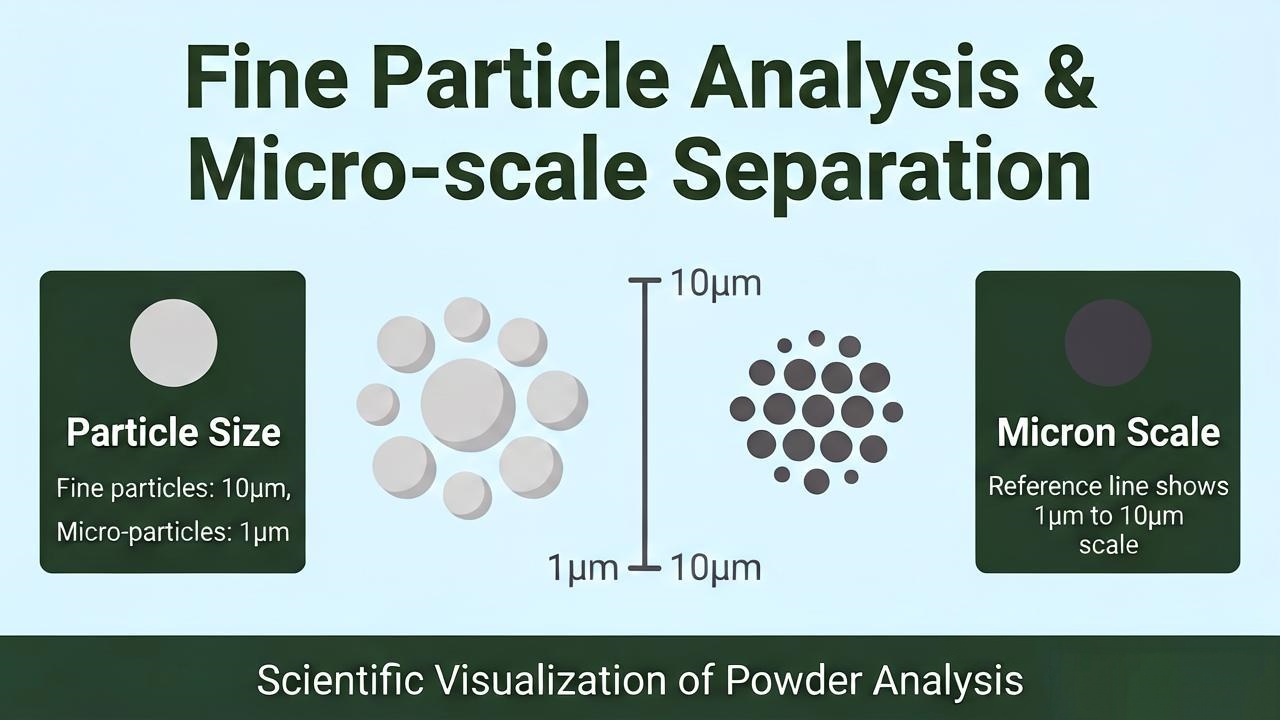
Research has demonstrated micro-sieve applications for fine powder fractionation in the micrometer range.
An Analytical Sieve (Micro Sieve) should therefore be selected according to the actual target particle size, mesh construction and testing method. A Micro Sieve is not simply a smaller-diameter sieve; its main purpose is fine or precision separation.
Technical Specifications
For analytical work, the nominal aperture size should be considered together with the applicable sieve specification rather than selecting a sieve only by mesh number.
| Parameter | Specification |
|---|---|
|
Sieve Type |
Analytical Sieve / Micro Sieve |
|
Main Application |
Particle Size Analysis |
|
Frame Material |
Stainless Steel |
|
Mesh Material |
Stainless Steel or fine mesh according to application |
|
Available Diameters |
75 / 100 / 200 / 300 mm |
|
Aperture Selection |
According to material and testing requirements |
|
Aperture Type |
Precision square aperture or micro-aperture |
|
Sieve Height |
Standard or customized |
|
Screening Method |
Manual or mechanical sieving |
|
Sieve Shaker Compatibility |
According to sieve diameter and configuration |
Analytical Sieve vs. Standard Test Sieve
An Analytical Sieve (Micro Sieve) and a standard test sieve can overlap in application because test sieves are widely used for analytical particle-size determination.
The appropriate sieve depends on the required aperture, construction, testing method and applicable specification.
| Feature | Analytical Sieve | Standard Test Sieve |
|---|---|---|
|
Primary Purpose |
Particle size analysis |
Particle separation and standardized testing |
|
Typical Materials |
Powders, granules and fine particles |
Powders, granules and particulate materials |
|
Aperture Selection |
Based on analytical requirements |
Based on specified standard series |
|
Fine Particle Analysis |
Suitable with fine or micro apertures |
Depends on selected aperture |
|
Main Consideration |
Analytical requirements |
Standardized construction and aperture |
Testing Standard Information
For standardized testing, test sieves should be selected according to the applicable specification. ISO 3310-1 covers technical requirements and testing for metal wire cloth test sieves, while ASTM E11 is also widely used for standardized test sieve specifications.
Aperture Size, Mesh Number and Particle Size
Mesh number and aperture size should not be treated as identical specifications.Mesh number indicates the approximate number of openings per linear inch, while aperture size describes the actual opening through which particles pass. For analytical particle-size testing, the nominal aperture in micrometers or millimeters is therefore an important selection parameter.
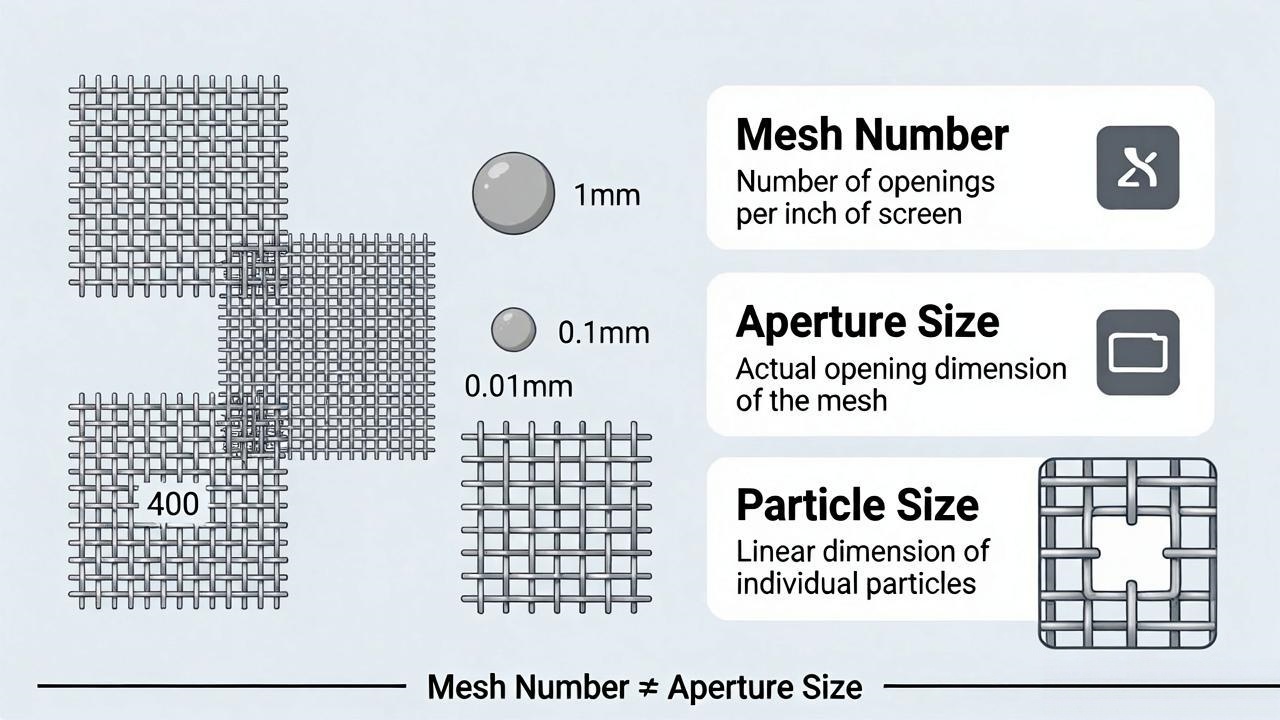
This is especially important for fine and micro-aperture sieves, where small differences in opening size can affect the particle fractions obtained.
Applications
An Analytical Sieve (Micro Sieve) can be used for particle-size analysis, quality control and material characterization.
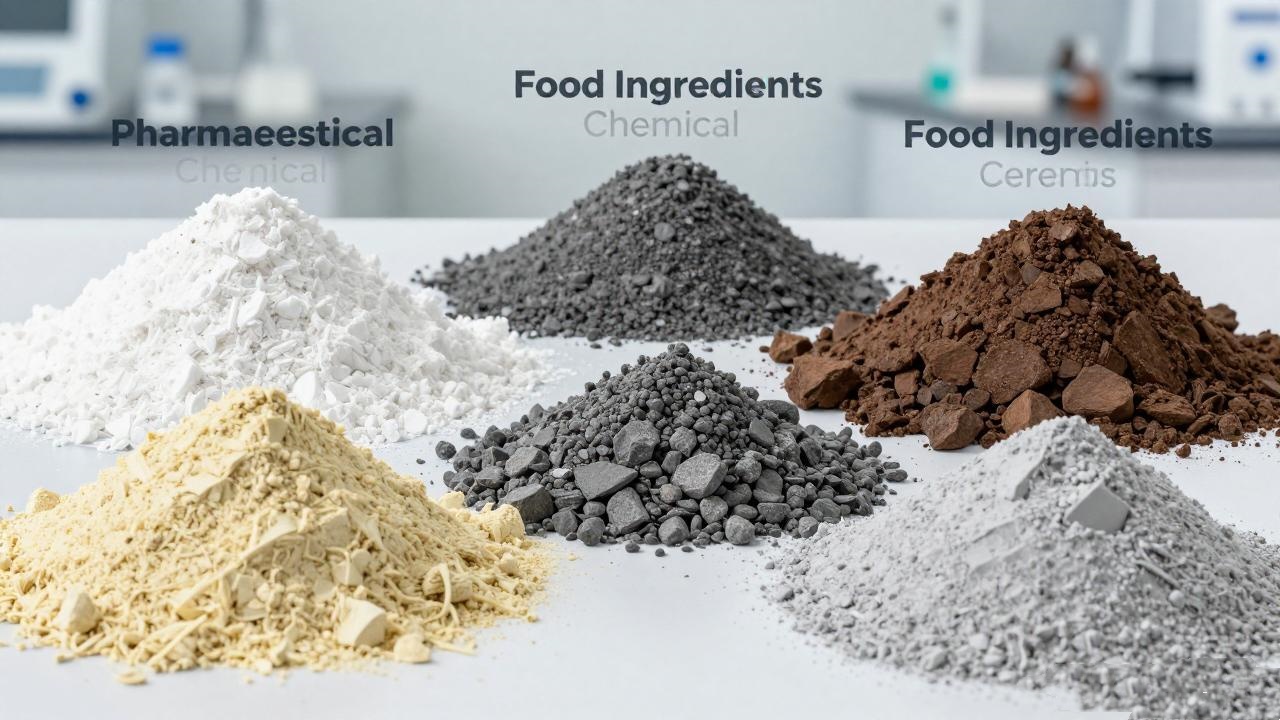
Pharmaceutical Powder Analysis: Suitable for evaluating the particle-size distribution of powders and granules where particle size can affect processing and material performance.
Chemical Powder Analysis: Used to classify and compare chemical powders according to particle size.
Food and Ingredient Analysis: Suitable for powdered ingredients, flour, additives and other particulate food materials.‘
Mineral and Ceramic Powders: Useful for separating fine mineral, ceramic and abrasive materials into different particle-size fractions.
Research and Quality Control: Suitable for laboratory research, incoming material inspection, production quality control and batch comparison.
How to Choose an Analytical Sieve?
Choosing the correct Analytical Sieve (Micro Sieve) mainly depends on five factors.
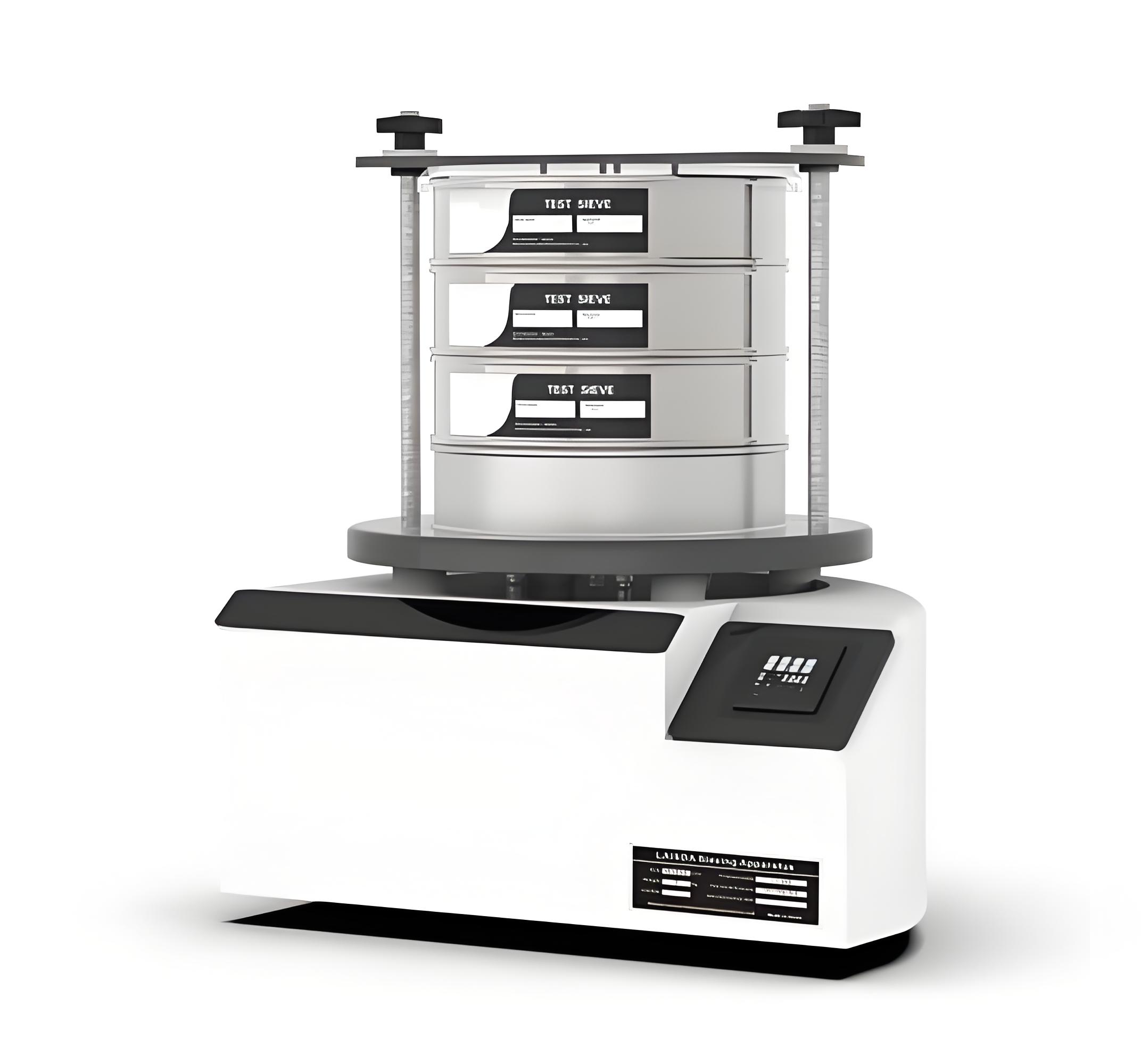
Aperture Size: Select apertures that cover the target particle-size range and provide sufficient separation between the required fractions.
Sieve Diameter: Choose the diameter according to sample quantity, required screening area and compatible laboratory equipment.
Mesh Type: Woven wire mesh is suitable for many analytical applications, while fine or micro-aperture configurations can be selected for smaller particles.
Frame and Mesh Material: Stainless steel is commonly used for laboratory sieves because of its strength, corrosion resistance and suitability for repeated cleaning.
Testing Standard: If the analysis must comply with a specific standard, select the sieve according to its aperture, construction and applicable inspection requirements.Analytical Sieve with a Laboratory Sieve Shaker
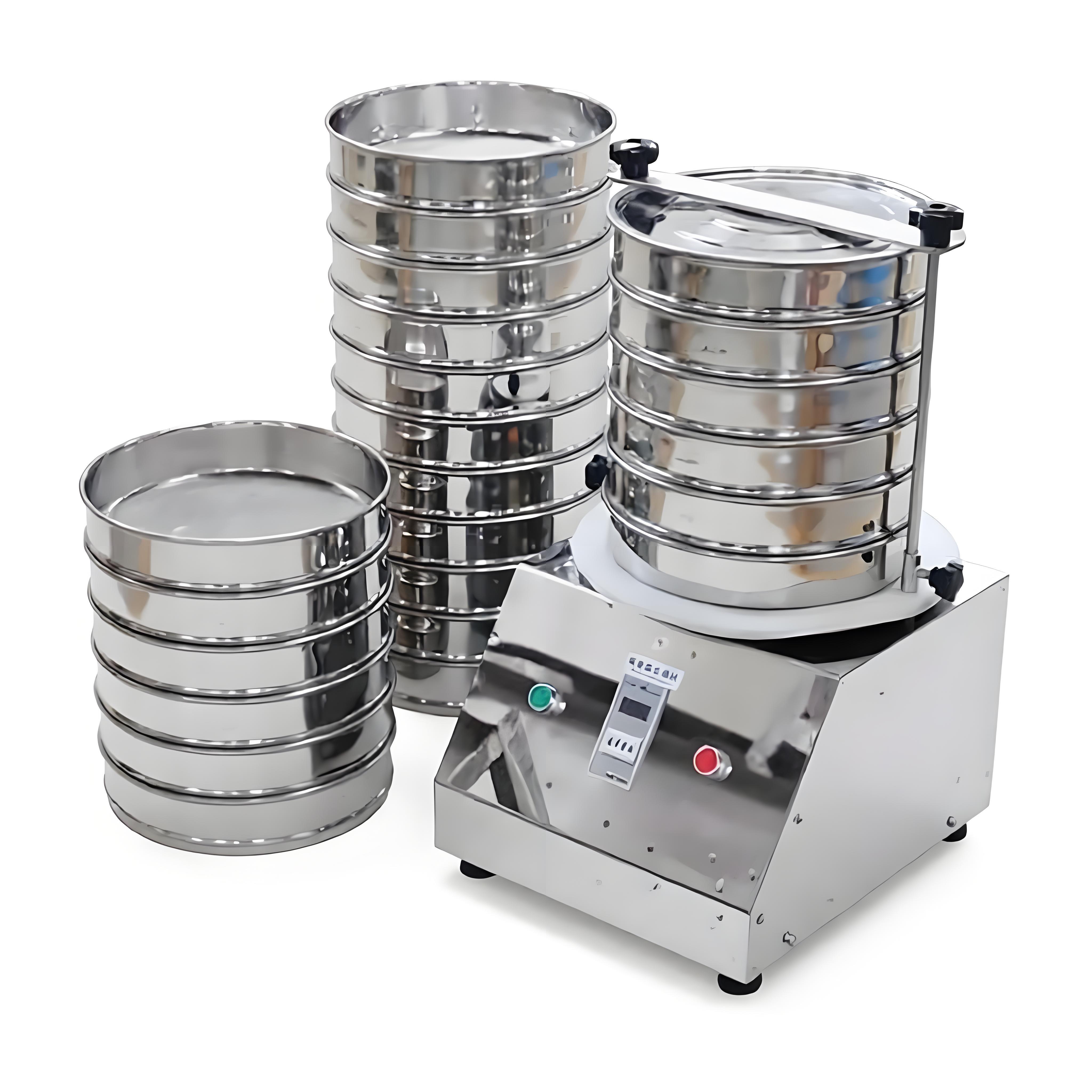
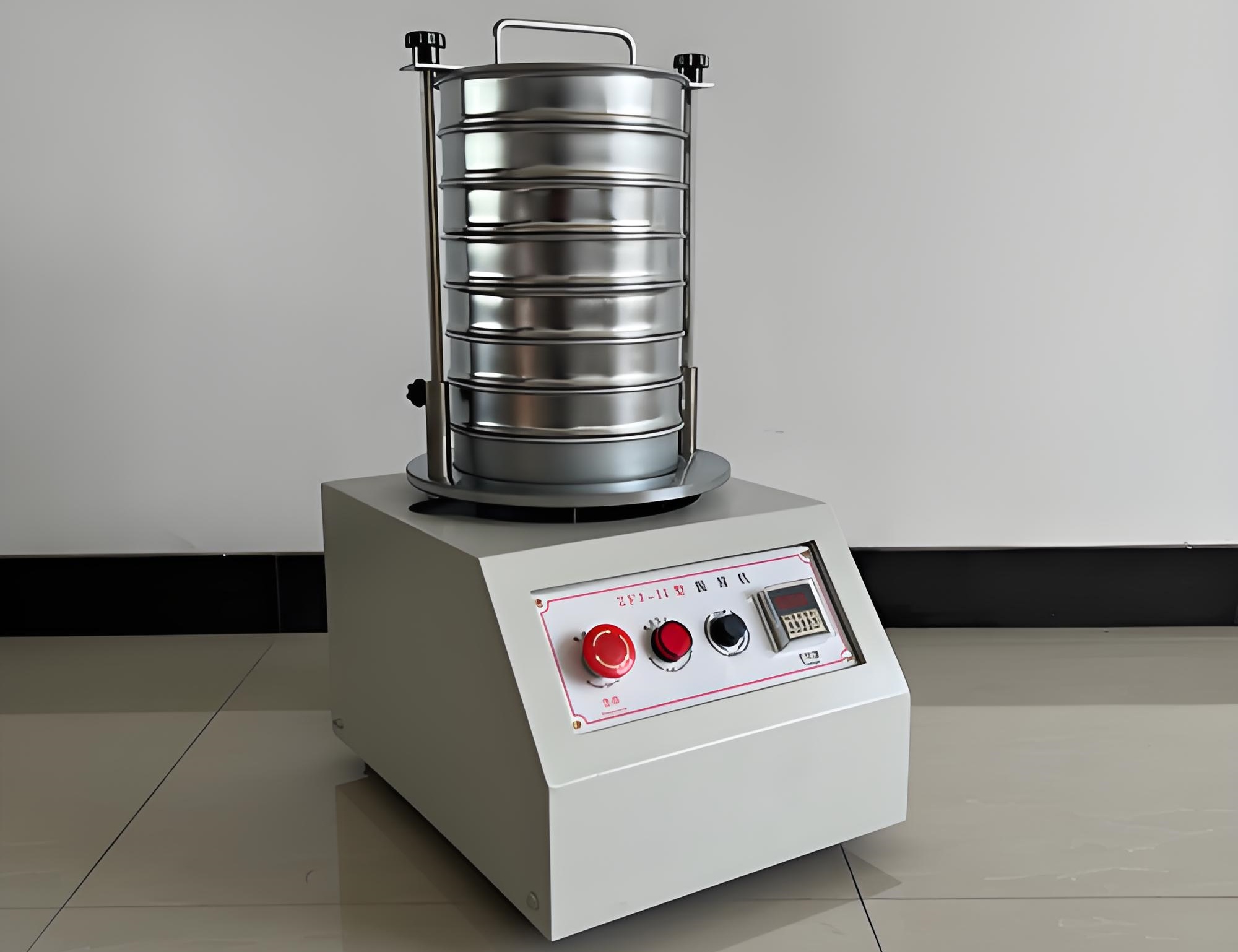
An Analytical Sieve (Micro Sieve) can be used manually for small samples or with a compatible laboratory sieve shaker when controlled and repeatable agitation is required.
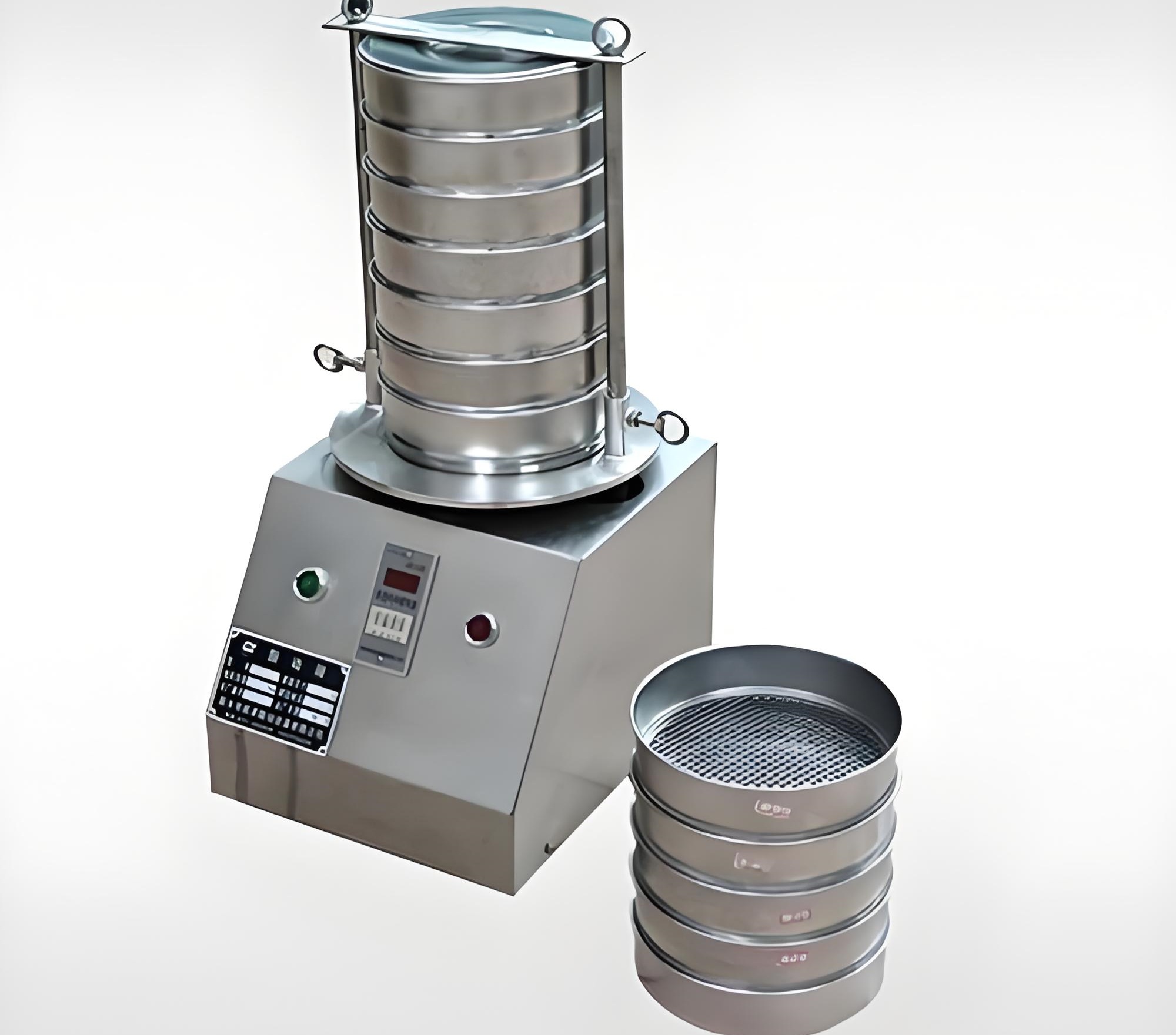
For fine powders, screening conditions should be selected according to particle characteristics, sample loading and the required analytical method. Excessive loading or unsuitable agitation can reduce separation efficiency.
Why Choose Dahan Analytical Sieve?
Dahan supplies analytical sieves for particle-size analysis, fine powder classification and laboratory quality-control applications. Different sieve diameters, aperture configurations and material options can be selected according to sample characteristics and testing requirements.For fine-particle applications, the sieve configuration can be matched to the required aperture range and compatible screening method.
Frequently Asked Questions
What is an Analytical Sieve?
An analytical sieve is a precision laboratory sieve used to separate particles according to aperture size and determine particle size distribution.
What is a Micro Sieve used for?
A Micro Sieve is used for fine particle separation and analysis when smaller or more precisely controlled apertures are required.
What aperture size should I choose?
The aperture should be selected according to the target particle-size range and testing method. A series of suitable apertures is normally used when a particle-size distribution is required.
What is the difference between an Analytical Sieve and a Test Sieve?
The terms can overlap because test sieves are commonly used for analytical particle-size testing. The appropriate sieve depends on the required aperture, construction and applicable testing specification.
Can an Analytical Sieve be used with a sieve shaker?
Yes. A compatible laboratory sieve shaker can provide controlled and repeatable agitation during particle-size analysis.
Get the Right Analytical Sieve for Your Application
The correct Analytical Sieve (Micro Sieve) depends on particle size, sample quantity, material characteristics, aperture requirements and applicable testing standards.
Provide your material type, target particle-size range, required sieve diameter and testing requirements to determine a suitable configuration.
-
Sieve Calibration Grades: Compliance vs. Inspection vs. Calibration Under ASTM E11-24
Sieve calibration is not simply a process of making a test sieve “more accurate.” ...
-
How to Choose the Right ASTM E11 Test Sieve Size and Mesh?
Choosing the right test sieve is not simply a matter of selecting a mesh number ...
-
How to Clean and Maintain Stainless Steel Laboratory Test Sieves?
Stainless steel laboratory test sieves are precision tools used for particle size analysis ...

Email:
sale@xxdahan.com
WhatsApp:
+86 15236742901
Add:
1000m West of Forest Park,Yanjin County,Xinxiang City,Henan Province,China.