How to Choose the Right ASTM E11 Test Sieve Size and Mesh?
Choosing the right test sieve is not simply a matter of selecting a mesh number. The correct choice depends on the particle-size range, required aperture, testing objective, sample quantity, sieve diameter, equipment compatibility, and applicable test method.
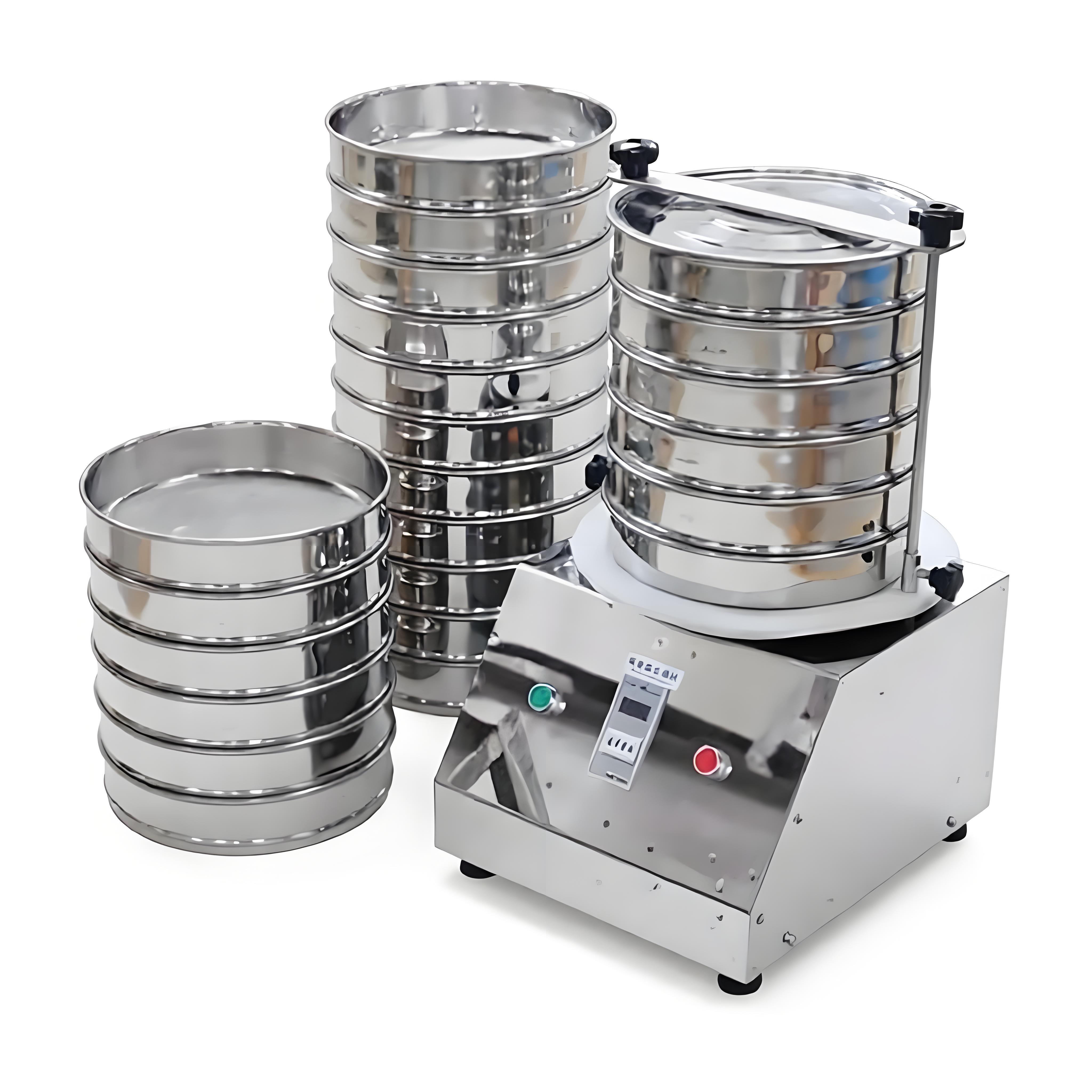
If you are wondering How to Choose the Right ASTM E11 Test Sieve Size and Mesh for Your Lab?, use this simple selection process:
Particle-size range → Aperture → ASTM sieve designation → Sieve configuration → Diameter → Verification level
The objective is to select the sieve configuration that provides the information required by your test without adding unnecessary sieve sizes.
ASTM Sieve Number, Mesh and Aperture
ASTM E11-24 specifies requirements for woven wire test sieve cloth, test sieve construction, standard and non-standard frame sizes, and procedures for inspecting test sieves. It covers nominal aperture sizes from 125 mm down to 20 μm.
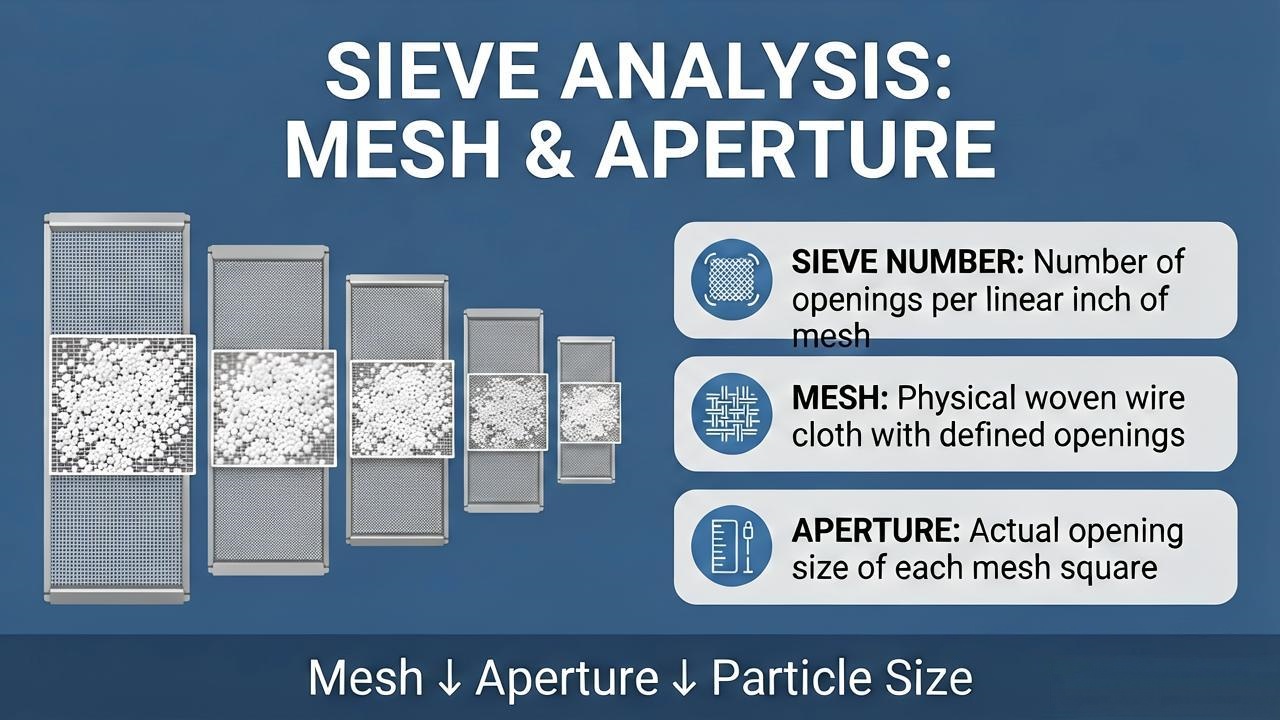
The ASTM sieve designation identifies the standard sieve size, while the aperture is the nominal opening of the sieve.
Some common examples include:
| ASTM Sieve | Nominal Aperture |
|---|---|
| No. 40 | 425 μm |
| No. 100 | 150 μm |
| No. 200 | 75 μm |
| No. 325 | 45 μm |
For ASTM applications, do not rely on mesh number alone. Confirm the required ASTM sieve designation and nominal aperture.
ASTM E11 Sieve Selection Decision Guide
The easiest way to understand How to Choose the Right ASTM E11 Test Sieve Size and Mesh for Your Lab? is to make the selection in the following order.
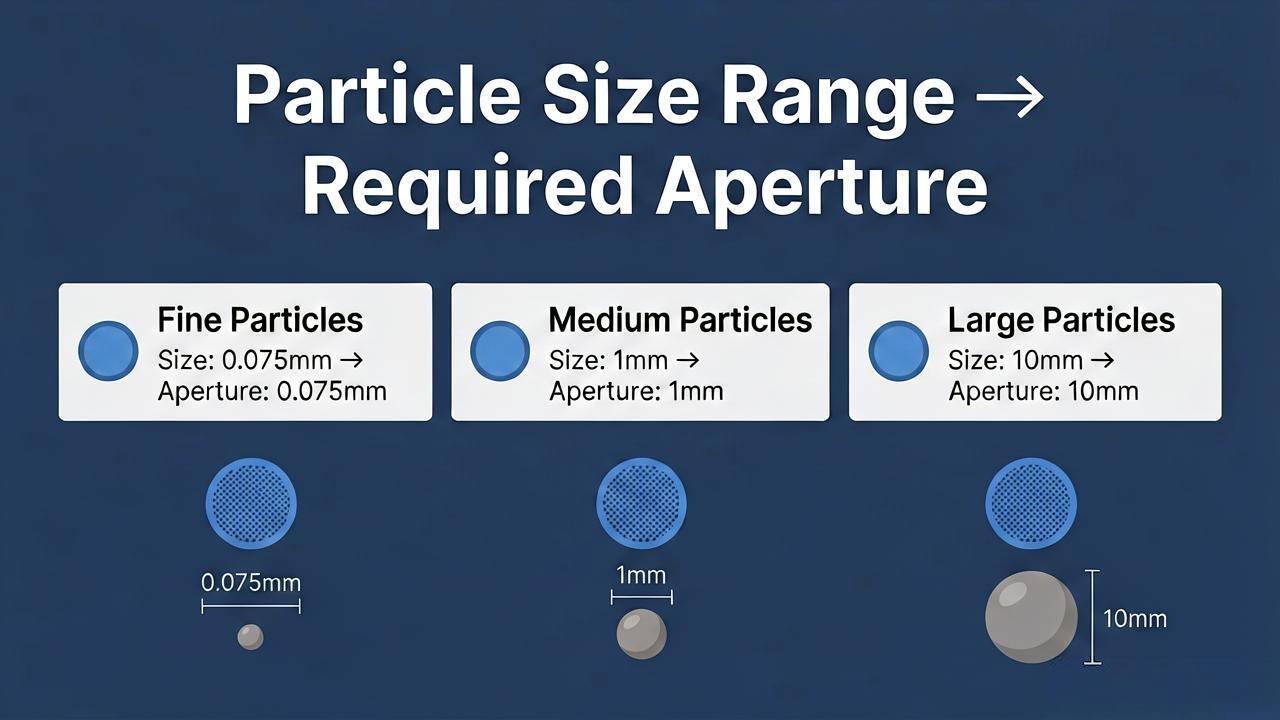
Define the Particle-Size Range
Determine:
- Largest particle size of interest
- Smallest particle size of interest
- Critical particle-size limit
- Pass/fail testing or particle-size distribution
For example, if the required range is 75–425 μm, the relevant sieve sizes can be narrowed down before considering other specifications.
The applicable test method should take priority if it specifies particular sieve openings or testing conditions.
Select the Required Aperture
Once the particle-size requirement is known, identify the aperture needed for the separation.
For example:
- 425 μm → No. 40
- 150 μm → No. 100
- 75 μm → No. 200
If the purpose is only to determine whether a material meets a 150 μm limit, a No. 100 sieve may be sufficient.
If the purpose is to determine particle-size distribution, several sieve sizes may be required.
The key rule is:
Choose the required aperture first, then identify the corresponding ASTM sieve designation.
Choose a Single Sieve or Sieve Stack
Use a single sieve when you need to check one critical particle-size limit or perform a simple pass/fail test.
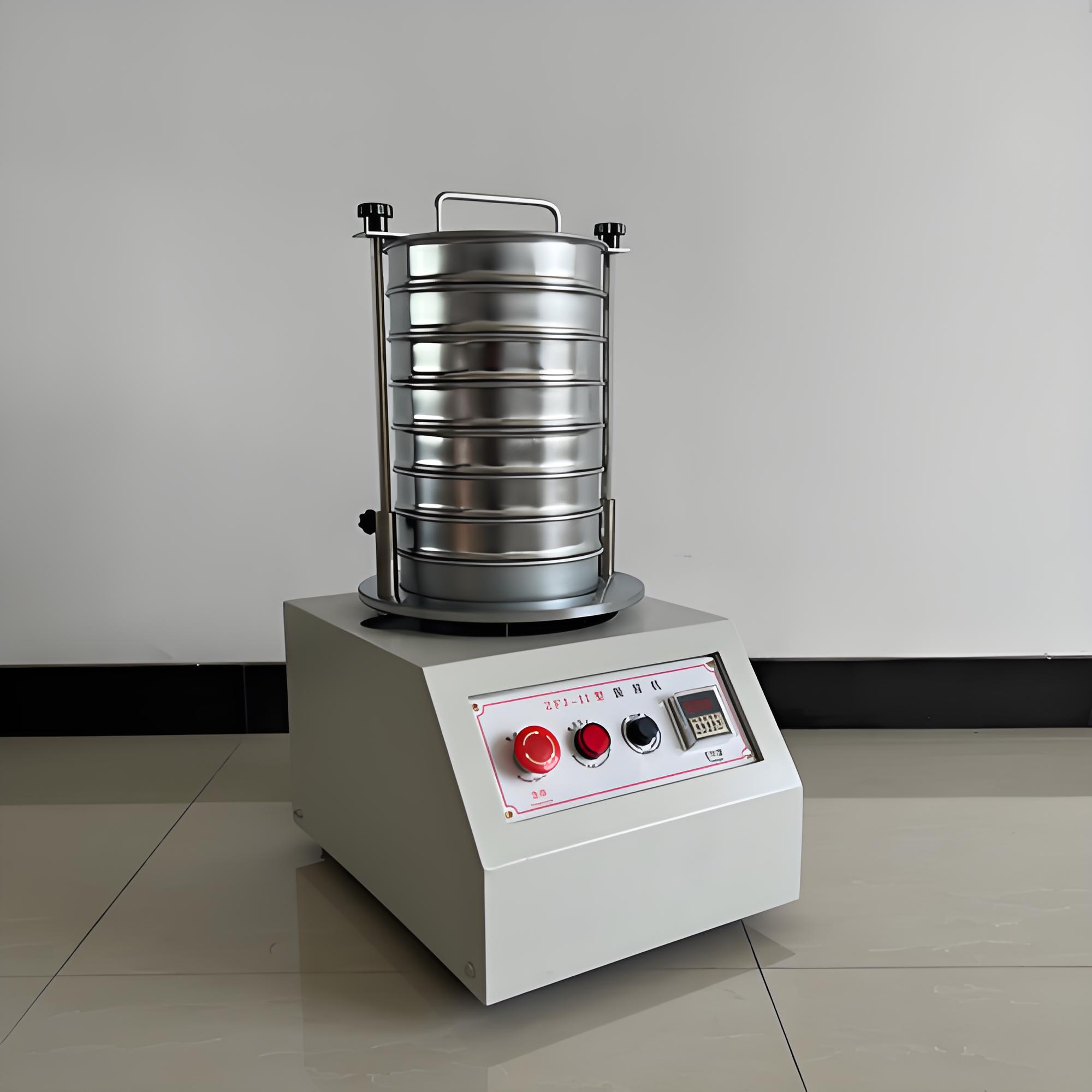
Use a sieve stack when you need to determine particle-size distribution or separate material into several size fractions.
For a 75–425 μm range, one possible configuration is:
No. 40 → No. 100 → No. 200 → Pan
The actual series should follow the applicable test method and the level of particle-size information required.
More sieve sizes do not automatically produce better results. Use only the separation points that contribute useful information.
Match Sieve Diameter With Sample Quantity
Aperture and sieve diameter serve different purposes.Aperture determines the intended particle-size separation.Sieve diameter determines the available screening area.
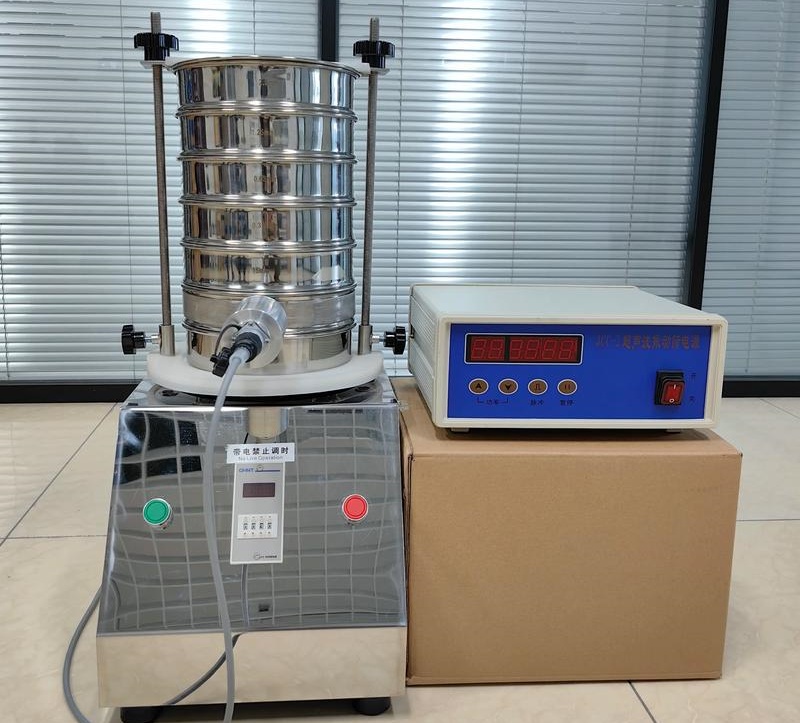
Consider:
- Sample quantity
- Required screening area
- Laboratory space
- Sieve shaker compatibility
- Applicable test method
Do not select sieve diameter based on particle size alone.
Select the Appropriate Verification Level
ASTM E11-24 defines three confidence levels: Compliance, Inspection, and Calibration. Calibration test sieves have at least twice as many openings measured as Inspection test sieves.
Compliance is suitable when the sieve needs to meet the applicable specification for routine testing.
Inspection provides a higher level of opening verification.
Calibration is intended for applications requiring greater measurement confidence and reference control.
The highest verification level is not automatically necessary. Select the level required by the test method, laboratory quality system, customer specification, or documentation requirements.
Example: Choosing a Sieve for a 150 μm Limit
Suppose a laboratory needs to determine whether a powder meets a 150 μm particle-size limit.
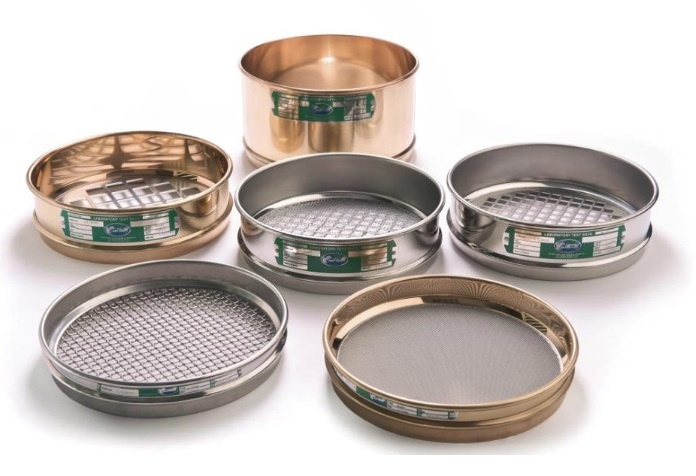
The selection process is:
Required separation: 150 μm
ASTM sieve designation: No. 100
Testing configuration: Single No. 100 sieve when only one critical limit is required
Particle-size distribution: Add other sieve sizes when required by the applicable method
This example shows that you do not need to know the ASTM sieve number before beginning the selection process. If you know the required particle size, the corresponding aperture and sieve designation can be identified.
Common Sieve Selection Mistakes
Choosing by Mesh Number Alone: Confirm the ASTM sieve designation and nominal aperture before ordering.
Choosing the Sieve Before Defining the Test Requirement: Start with the particle-size range and testing objective rather than selecting a commonly used mesh size.
Choosing Diameter Based on Particle Size: Sieve diameter should be considered according to sample quantity, screening area, and equipment compatibility.
Using Too Many or Too Few Sieves: Use enough separation points for the required analysis without adding unnecessary sizes.
Ignoring the Applicable Test Method: Material-specific methods may specify sieve openings, sample quantities, sieve diameter, or other testing conditions. Those requirements should take priority.
ASTM E11 Sieve Selection Checklist
| What do you know? | What should you determine? |
|---|---|
| Material | Material characteristics |
| Particle-size range | Largest and smallest relevant particles |
| Critical size | Required aperture |
| Testing objective | Single sieve or sieve stack |
| Sample quantity | Suitable sieve diameter |
| Test requirements | Verification level |
If you do not know the exact sieve number, providing the material and required particle-size range is enough to begin the selection process.
Need Help Choosing an ASTM E11 Test Sieve?
You do not need to know the exact sieve number before requesting a quotation.
Simply provide:
- Material:
- Particle-size range or critical size:
- Approximate sample quantity:
- Testing method, if known:
If you already know the required sieve diameter or verification level, include those details as well.
Dahan can use these parameters to help determine a suitable ASTM E11 test sieve configuration for your application.
For complete sieve sizes and specifications, see the ASTM E11 Standard Test Sieve page.
FAQ
What ASTM sieve should I use for particle-size analysis?
Select the sieve according to the required aperture, particle-size range, testing objective, and applicable test method. Particle-size distribution generally requires a series of sieves.
How do I convert an ASTM sieve number to microns?
Use the corresponding nominal aperture. For example, No. 40 is 425 μm, No. 100 is 150 μm, and No. 200 is 75 μm.
Should I choose Compliance, Inspection or Calibration?
Choose according to the testing, quality-control, documentation, and measurement-confidence requirements of your application. ASTM E11-24 defines all three levels.
Final Guide
The selection process for How to Choose the Right ASTM E11 Test Sieve Size and Mesh for Your Lab? can be reduced to five decisions:
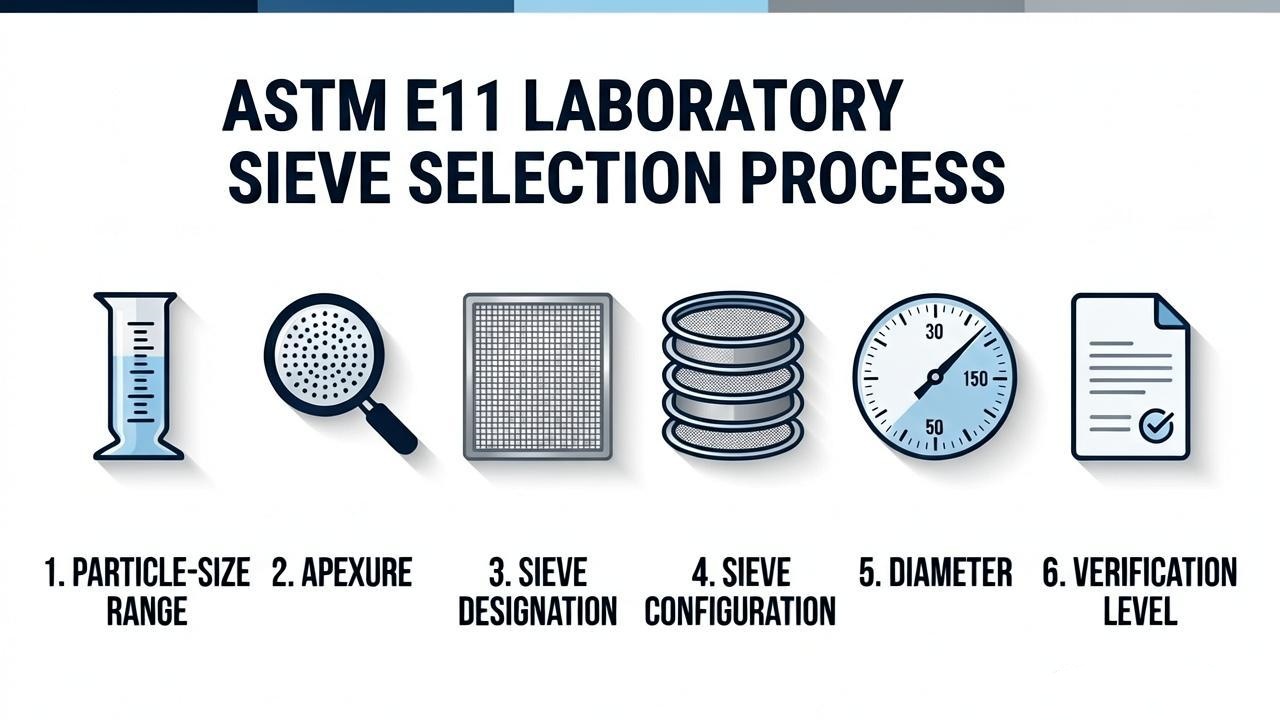
- Define the particle-size range.
- Select the required aperture.
- Choose a single sieve or sieve stack.
- Match sieve diameter with sample quantity and equipment.
- Select the appropriate verification level.
The right sieve is not necessarily the finest, largest, or highest-verification option. It is the configuration that matches the material, particle-size range, testing objective, sample quantity, equipment, and verification requirements.
If you are still unsure How to Choose the Right ASTM E11 Test Sieve Size and Mesh for Your Lab?, provide your material and particle-size requirements. Dahan can help determine a suitable sieve configuration for your laboratory application.

Email:
sale@xxdahan.com
WhatsApp:
+86 15236742901
Add:
1000m West of Forest Park,Yanjin County,Xinxiang City,Henan Province,China.