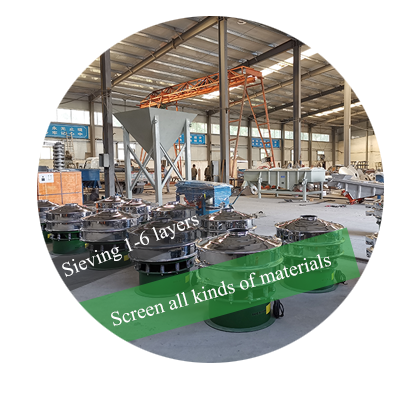
Stainless Steel vs Carbon Steel Vibrating Screen
Stainless Steel vs Carbon Steel Vibrating Screen have the same structure and screening principle. The difference lies in the metal material used for the parts in contact with the material or the entire machine. Stainless steel vibrating screens are typically made of 304 or 316 stainless steel, with a smooth surface and strong corrosion resistance; carbon steel vibrating screens are welded from ordinary carbon steel plates, offering higher mechanical strength and relatively lower manufacturing costs. Both types of equipment can be equipped with different screen sizes, with screening meshes generally ranging from 2 to 500 mesh, adjustable according to the screen material and material characteristics. Screening output is affected by the equipment diameter, number of layers, material particle size, and moisture content. Small equipment can process 100 kg of material per hour, while large equipment can reach 3300 kg per hour.
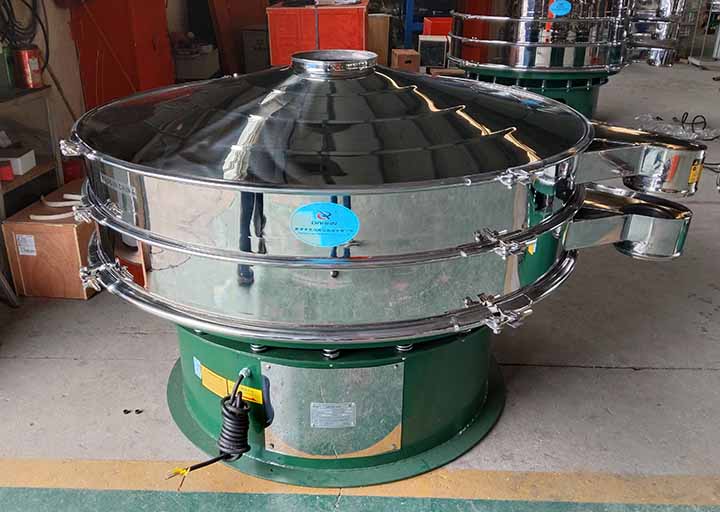
Comparison Table of Stainless Steel and Carbon Steel Materials
| Comparison Item | Stainless Steel Vibrating Sieve | Carbon Steel Vibrating Sieve |
| Material | 304, 316 stainless steel | Q235 carbon steel |
| Corrosion resistance | Strong | Weak |
| Rust resistance | Not easy to rust | Requires anti-rust treatment |
| Cleaning difficulty | Easy to clean | Requires frequent cleaning |
| Equipment price | Relatively high | Relatively low |
| Service life | Longer | Depends on maintenance conditions |
| Maintenance cost | Relatively low | Relatively high |
| Applicable environment | Humid and corrosive environments | Ordinary industrial environments |
| Applicable materials | Starch, sugar powder, plastic particles, metal powder | Ore, sand and gravel, coal, limestone |
| Common industries | Food, chemical, powder processing | Mining, building materials, metallurgy |
| Screen mesh size | 2 ~ 500 mesh | 2 ~ 500 mesh |
| Screening output | Tens of kilograms to tens of tons/hour | Tens of kilograms to tens of tons/hour |
What are the screening characteristics of vibrating screens made of different materials?
Both stainless steel and carbon steel vibrating screens are suitable for screening powders, granules, and lumpy materials; however, there are some differences in the operating environment and maintenance requirements between the two materials.
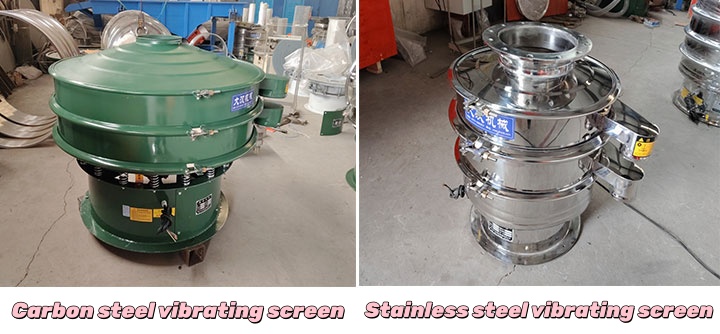
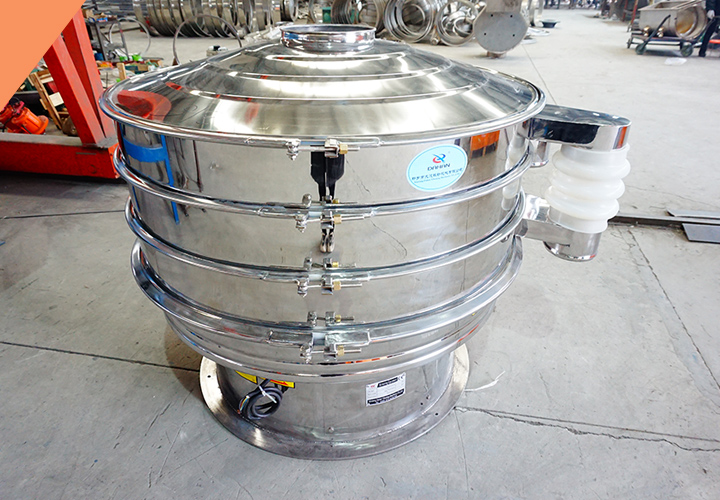
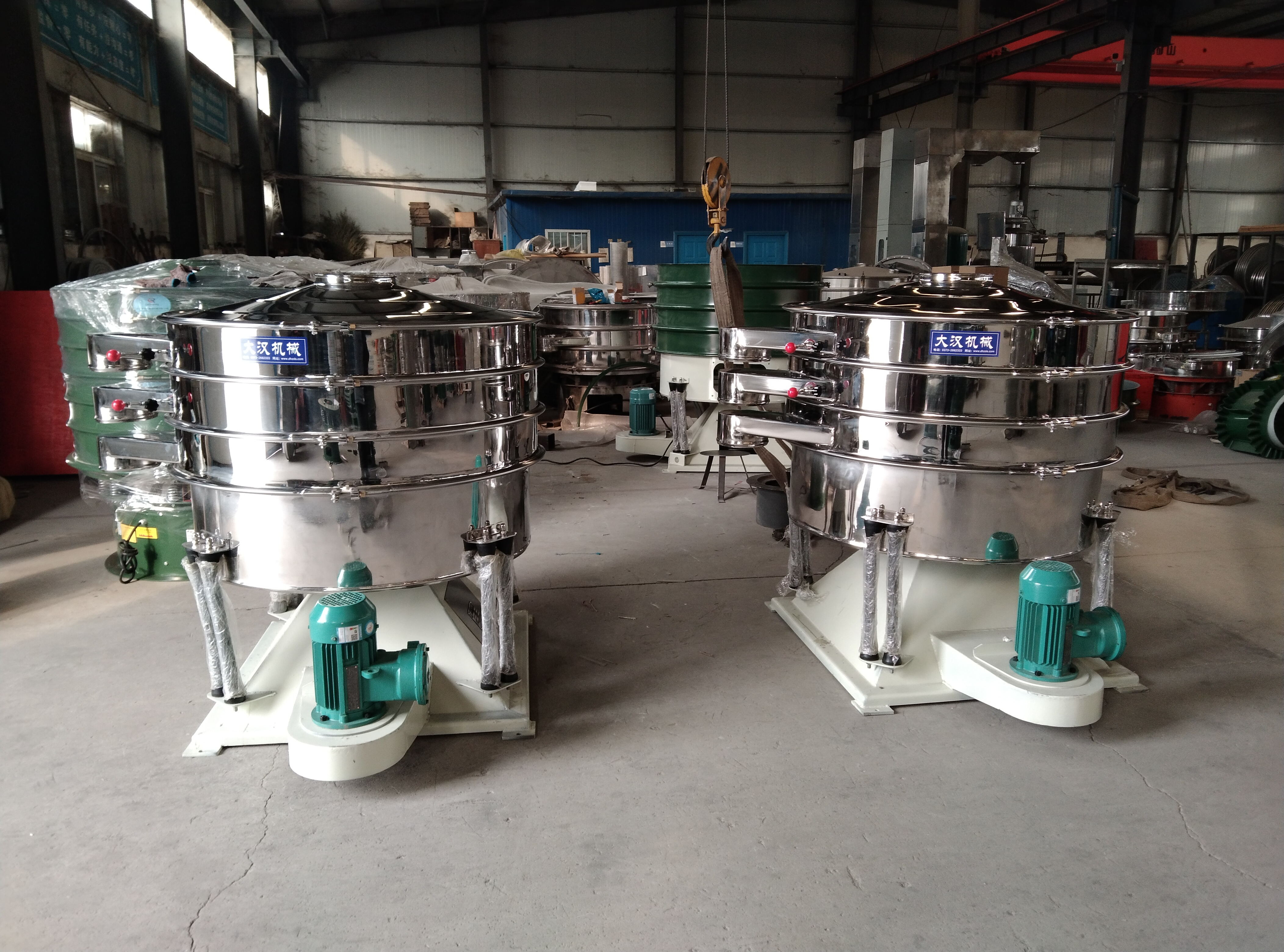
Stainless steel vibrating screens reduce material agglomeration caused by electrostatic adsorption or magnetic attraction when screening fine powders. The fine surface of the stainless steel mesh prevents the formation of metal oxide scale, and the mesh shape remains square even after 72 hours of continuous operation, maintaining screening accuracy. It also withstands temperatures up to 120°C, leaving less residue after screening sticky or wet materials, facilitating cleaning.
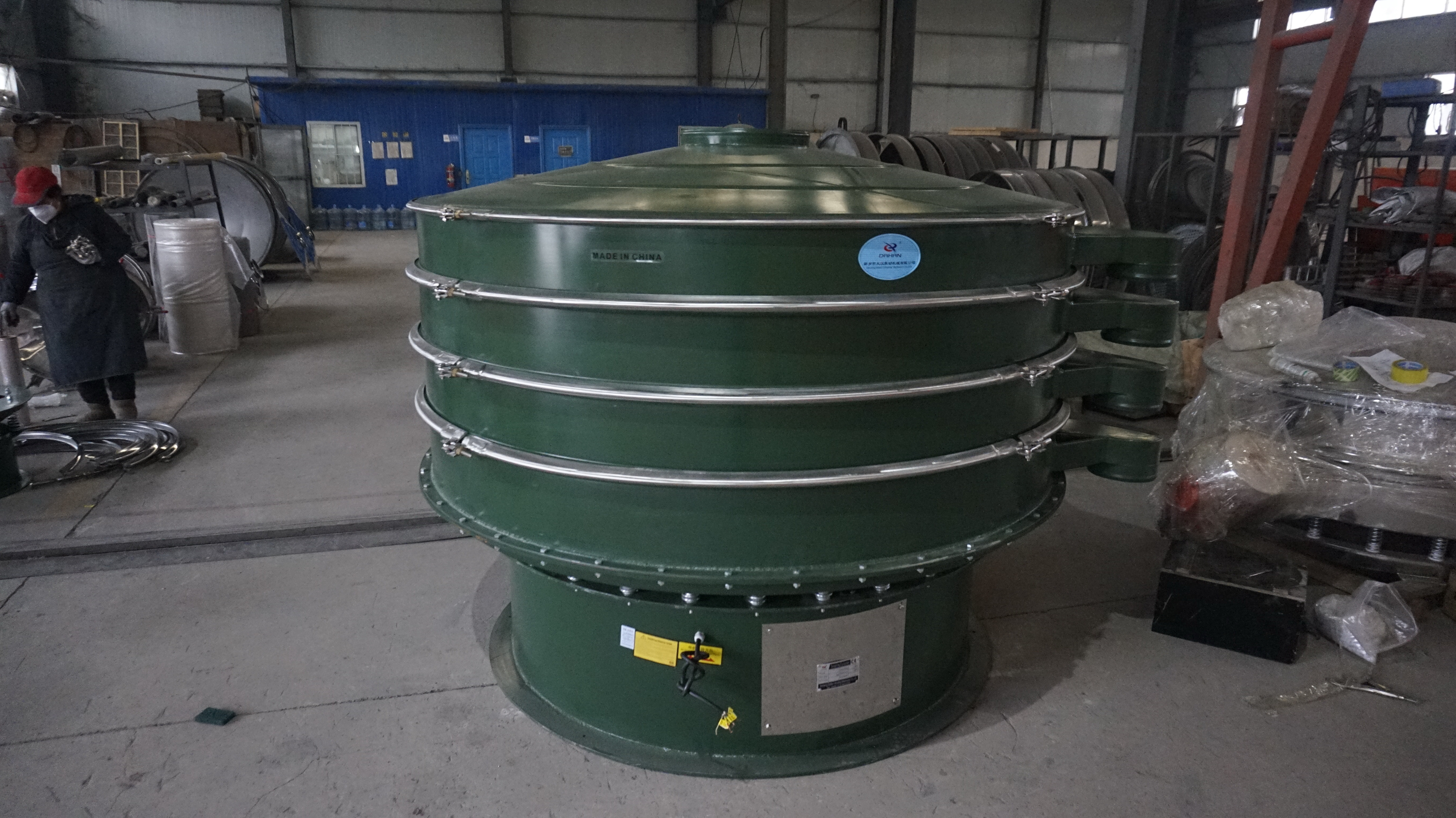
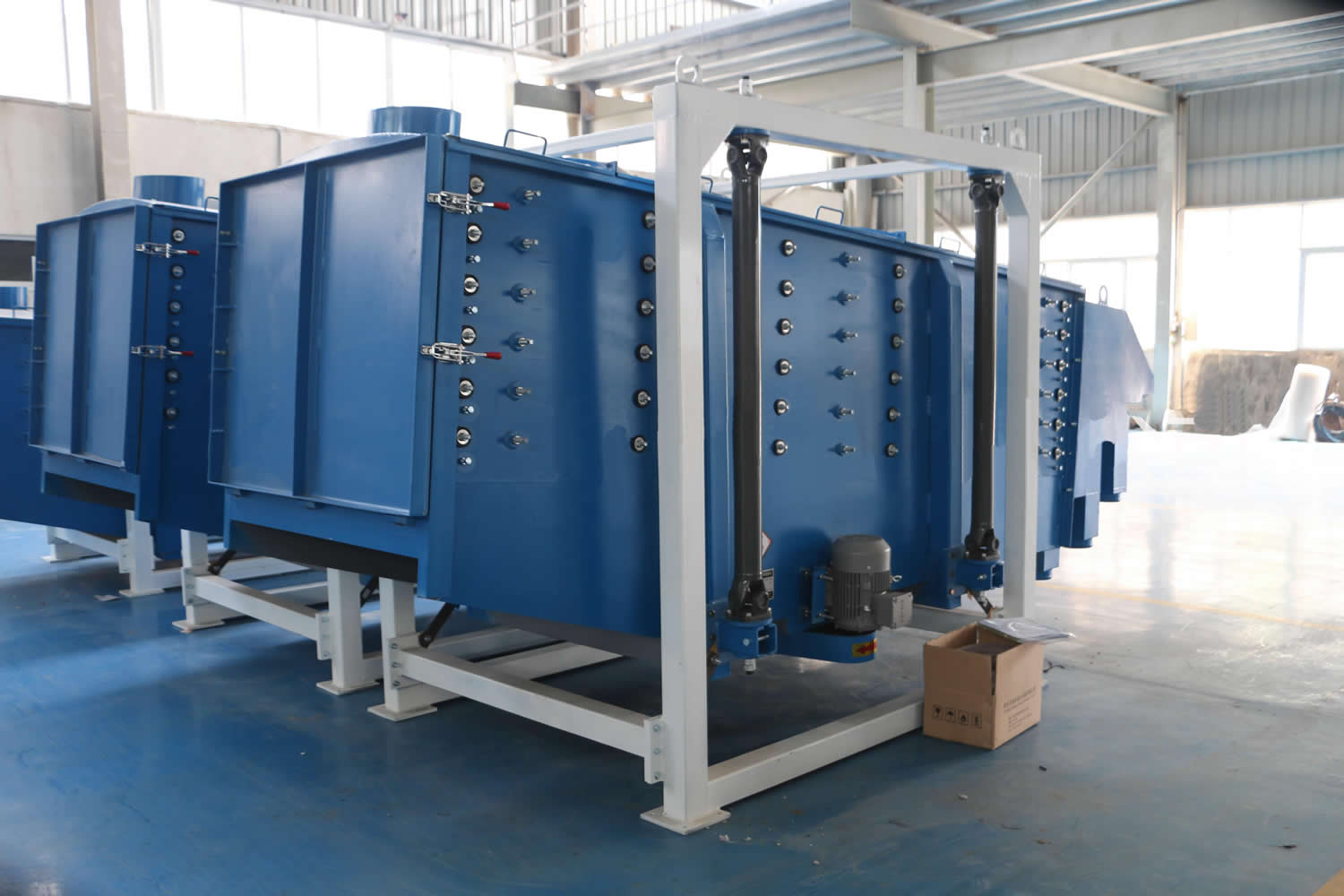
Carbon steel vibrating screens possess high strength and excellent shock and impact resistance. When screening large pieces of material, the carbon steel screen box and liners are less prone to tearing and deformation. The rigidity of the carbon steel screen body can be adjusted by welding reinforcing ribs. Even under high amplitude vibrations of up to 50kN, the overall stability of the screen structure is high, making it suitable for coarse screening of dry, large-particle materials.
Price Difference Between Carbon Steel and Stainless Steel Vibrating Screens
The price difference between stainless steel and carbon steel vibrating screens is determined by the cost of raw materials, processing time, and consumable parts.
Under the same model, number of screening layers, and configuration, stainless steel vibrating screens are generally more expensive than carbon steel vibrating screens. This is because stainless steel raw materials are more expensive, and the welding processes, polishing, and manufacturing requirements differ. A carbon steel vibrating screen with a capacity of 60-5500 kg/h and 1-5 screen layers costs around $410, while a single-layer stainless steel vibrating screen costs around $692. Alternatively, a combination of a carbon steel base and stainless steel for the material contact parts can be chosen to balance procurement costs and usage requirements.
How to Choose Vibrating Screen Material Based on Material Characteristics?
When selecting a vibrating screen, the characteristics of the material must first be considered. If the material is corrosive, carbon steel should be avoided. Specific suggestions are provided below for reference.
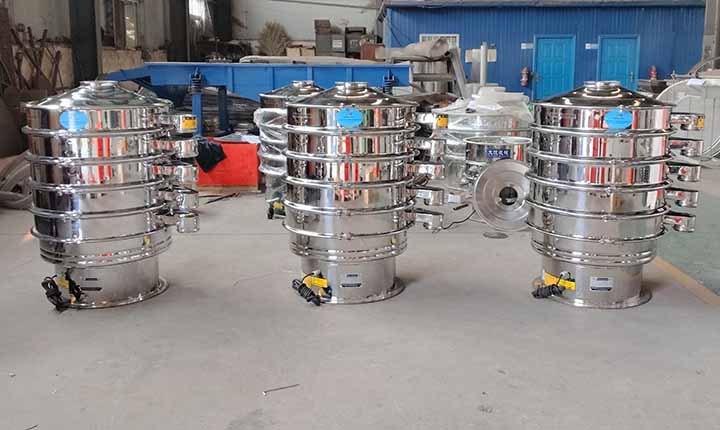
If the material contains acidic, alkaline, or saline components, such as fertilizer raw materials, metal salt powder, or detergent raw materials, a stainless steel vibrating screen is recommended to reduce the risk of surface corrosion. For chemically stable materials such as quartz sand, coal, limestone, and construction sand, carbon steel vibrating screens are suitable.
For materials requiring high cleanliness, such as milk powder raw materials, starch, sugar powder, seasonings, and plant protein powder, stainless steel vibrating screens are easier to clean and maintain. Carbon steel equipment is commonly used for industrial materials like ores, aggregates, and slag.
For materials with high moisture content that easily clump or adhere to the equipment surface, stainless steel surfaces are smoother, resulting in less material adhesion. For materials with larger particle sizes, higher specific gravity, and stronger impact, such as iron ore, crushed stone, and coke particles, carbon steel vibrating screens offer better structural support.
How to prevent carbon steel screening machines from rusting?
Carbon steel vibrating screens may oxidize and rust during long-term use, therefore, regular maintenance is necessary. Consult the factory for painting, powder coating, or anti-corrosion coating treatments to reduce contact between the metal and air and moisture. Avoid prolonged exposure to humid environments during use, and promptly clean up residual materials and accumulated water after shutdown. For vibrating screens installed outdoors, rainproof facilities can be added. This can extend the service life of the vibrating screen.
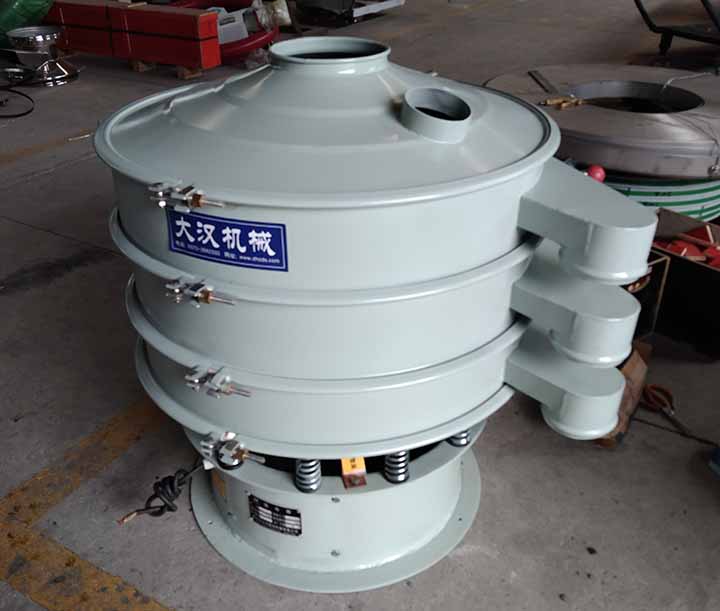
Selection Table
| Material | Recommended Material |
| Starch, sugar powder, condiments | Stainless steel vibrating sieve |
| Metal powder, plastic particles | Stainless steel vibrating sieve |
| Fertilizer raw materials, salt materials | Stainless steel vibrating sieve |
| Quartz sand, limestone | Carbon steel vibrating sieve |
| Coal, coke | Carbon steel vibrating sieve |
| Ore, construction sand and gravel | Carbon steel vibrating sieve |
Applications of Carbon Steel Vibrating Screens and Stainless Steel Vibrating Screens
Carbon steel vibrating screens are commonly used in industries such as mining, building materials, metallurgy, coal, sand and gravel processing, and refractory materials. They can be used for grading construction sand and gravel aggregates in quarries, cold screening of sintered ore, dewatering and desliming of raw coal in coal preparation plants, and processing granular materials in manufactured sand production lines. Stainless steel vibrating screens are mostly used in food factories for grading white sugar granules, multi-stage screening of salt, and removing impurities from seasoning powders; in the lithium battery industry for coarse and fine grading of lithium iron phosphate and ternary cathode materials; and for screening and filtering various oral medication powders. They are suitable for production scenarios with certain requirements for equipment corrosion resistance and cleanliness.
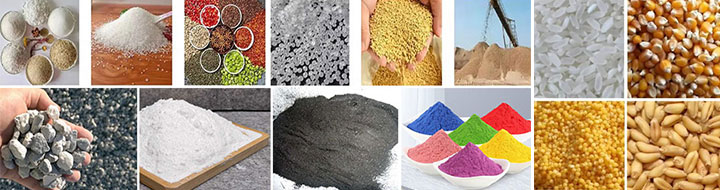
The differences between stainless steel and carbon steel vibrating screens in terms of screening principle, screening mesh range, and output are minor. The main differences lie in material characteristics, corrosion resistance, maintenance methods, and procurement costs. Stainless steel vibrating screens are more suitable for production environments that handle corrosive or easily adhered materials, or require cleanliness. For common industrial materials such as ores, sand, and coal, carbon steel vibrating screens offer better value for money. Users should consider the chemical properties, hygiene requirements, and physical characteristics of the materials when selecting a vibrating screen to meet their production needs.
-
Vibrating Sieve for Powder
Vibrating Sieve for Powder is commonly used for powder classification and screening. It uses a vibrating motor to generate excitation force...
-
Stainless steel sieve for filter milk
The stainless steel sieve for filter milk is a screening equipment for milk filtration, mainly made of 304 or 316 food-grade stainless steel...
-
High -frequency vibration sieve for latex paint filter
High -frequency vibration sieve for latex paint filter is a filtration device designed for high-viscosity liquid systems such as water-based paints ...
-
Electric Automatic Sieve Shaker Vibrating Sieve Machine
Electric Automatic Sieve Shaker Vibrating Sieve Machine are commonly used in laboratories and industrial production...

Email:
sale@xxdahan.com
WhatsApp:
+86 15236742901
Add:
1000m West of Forest Park,Yanjin County,Xinxiang City,Henan Province,China.