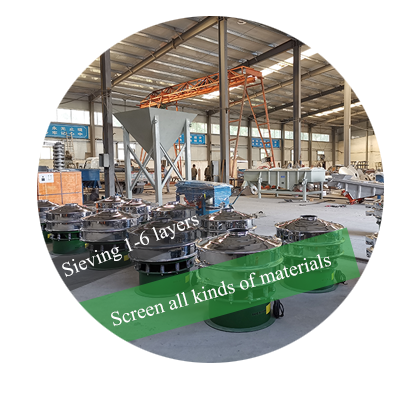
Screening Machine
![[field:title/]](/uploads/260912/6-2609121K512C8.jpg)
Callback
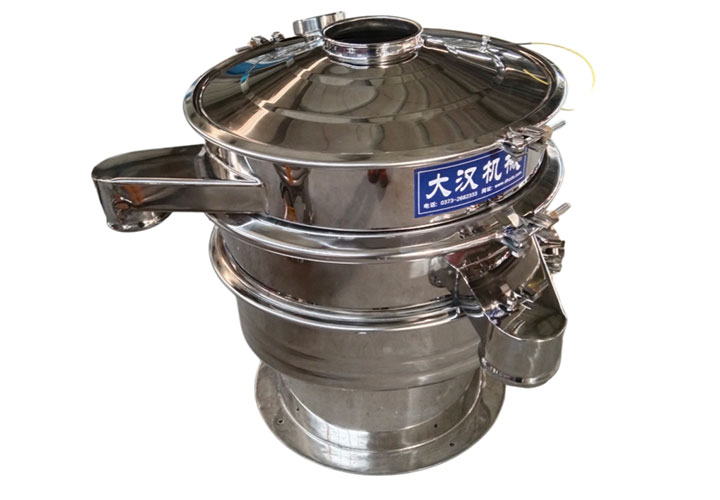
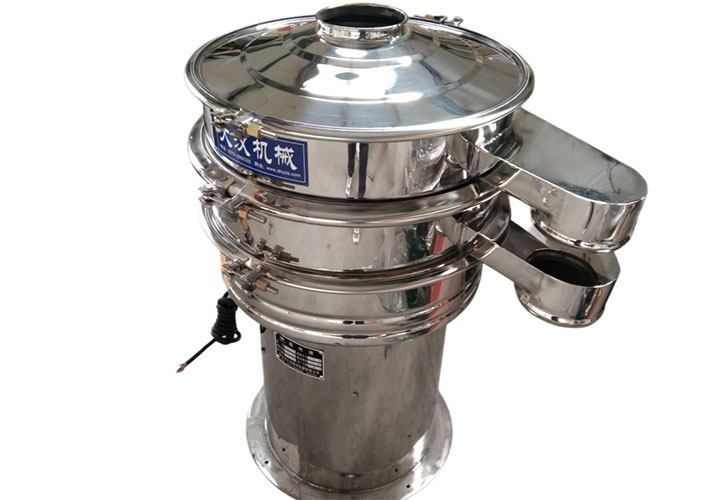
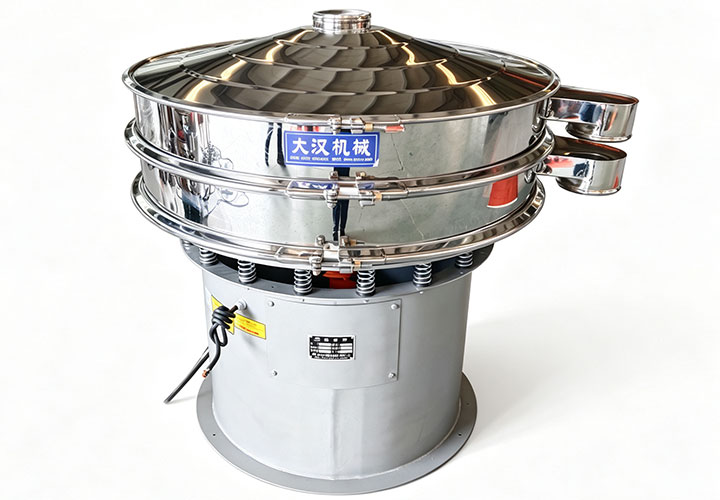
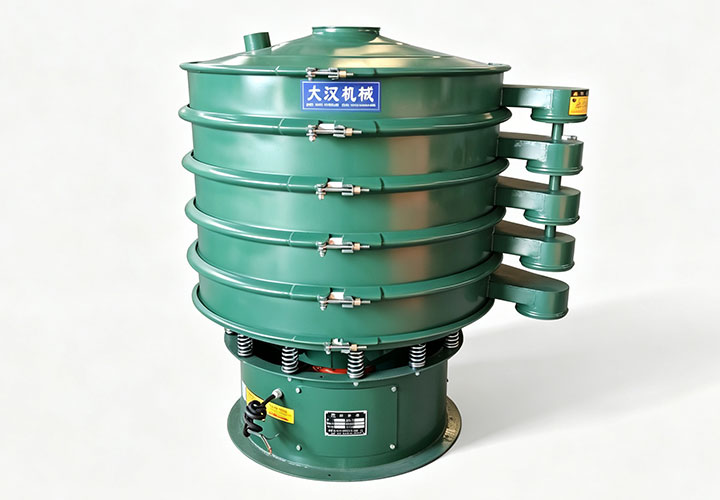
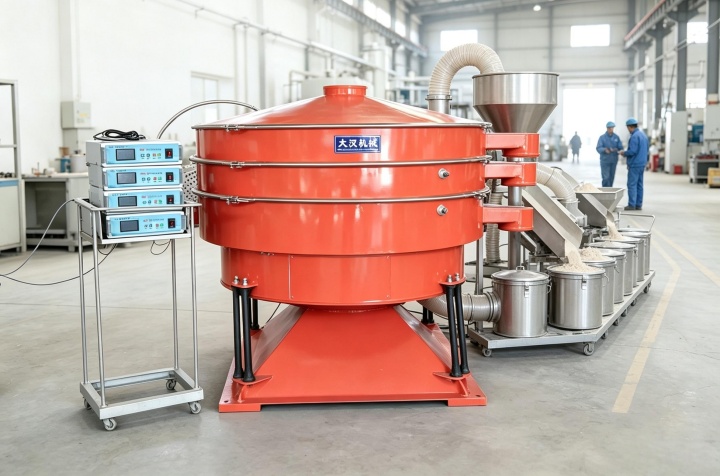
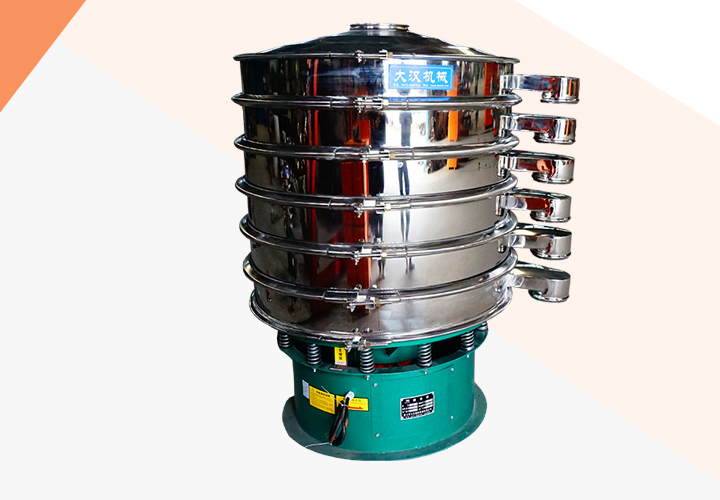
Screening machine is a mechanical equipment that uses physical separation technology to classify, remove impurities or accurately sort granular, powdery or block materials. Its core function is to separate materials into products of different specifications or purity according to their particle size, shape, density and other characteristics.
| Mesh size: | 2-500 mesh |
| Capacity: | 100-3300kg/h |
| Number of layers: | 1-5 layers |
| motor power: | 0.75-5.5kW |
| Materials: | Plastic, carbon steel, stainless steel |
| Customization: | Extended discharge port, raised base cylinder, etc. |
| Applicable materials: | Powders, granules, viscous substances, liquids |
A screening machine is a vital industrial device that uses precision sieves to separate materials and remove impurities, adaptable to various material grading scenarios. By utilizing controlled vibration, these machines efficiently categorize powders, granules, and slurries. You can choose different mesh sizes of sieves to meet exact screening requirements, ranging from coarse separation to ultra-fine powder processing.
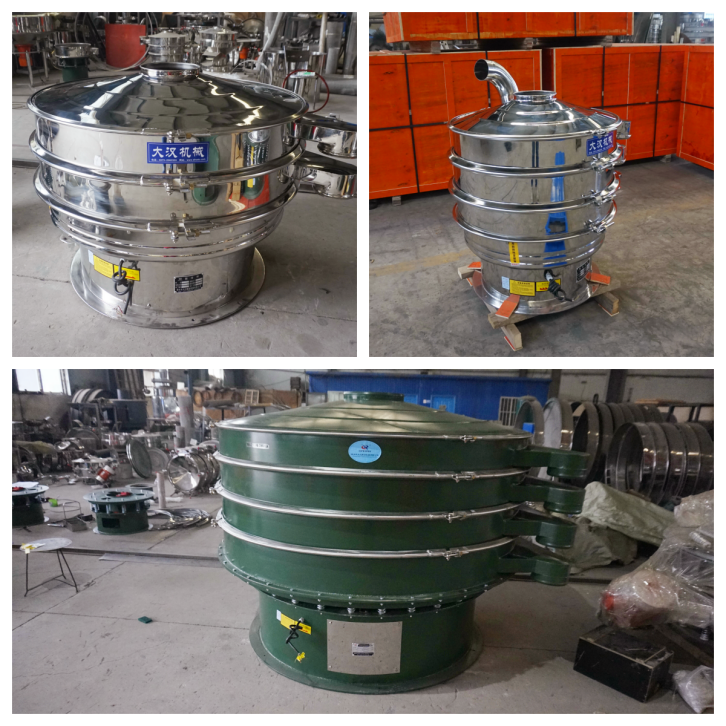
Coarse screening typically utilizes 4-20 mesh screens to remove large particles; 20-100 mesh screens are optimized for medium particle size grading; while 100-500 mesh screens (or higher) are designed to sieve finer powders. With a vibration frequency ranging from 800 to 3000 rpm and adjustable amplitude, our machines offer processing capacities from 100 kg to 20 tons per hour to suit diverse production volumes.
Need a professional selection recommendation? Contact our technical team for a customized screening solution today.
Types of Industrial Screening Machines
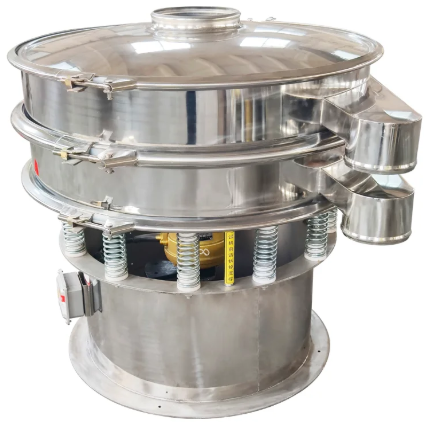
Screening machines serve as indispensable pretreatment equipment in the production of Chinese medicinal materials and granular preparations. They effectively remove impurities (such as sand, fiber, or powder) to ensure finished product quality. Common types include:
|
Type |
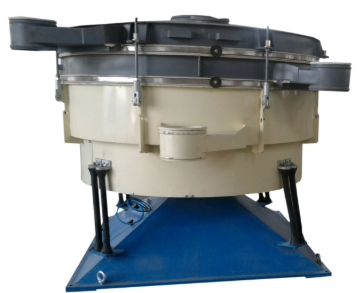
Swing screen |
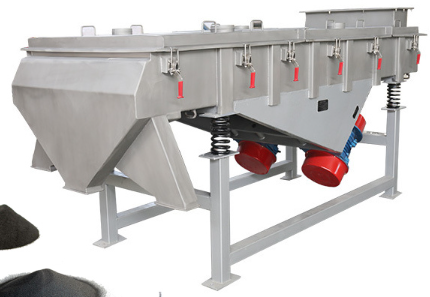
Linear vibrating screen |
Rotary screen |
|
Picture |
|
|
|
|
Principle |
Three-dimensional artificial swing motion, low frequency and high amplitude |
High frequency vibration motor drive, vertical motion trajectory |
Horizontal rotary centrifugal screening |
|
Advantages |
Screening accuracy ≥95%, mesh range 20-200 mesh, processing capacity 300-1000kg/h, suitable for sticky/light materials |
Large processing capacity (up to 5t/h), high screening efficiency, but high noise (≥80dB) |
Fully enclosed design, anti-cross contamination, but the screen replacement is more complicated |
|
Application |
Medium Medicinal slices, granules, ultrafine powders |
Classification of bulk Chinese medicinal materials after coarse crushing |
Refining of toxic medicinal materials and precious fine medicinal materials |
|
Type |
Screening accuracy |
Applicable mesh |
Noise |
Energy consumption |
Maintenance cycle |
|
Swing screen |
≥95% |
20-200 |
≤75dB |
1.5kW |
3 months |
|
Vibrating screen |
85-90% |
10-100 |
≥80dB |
3kW |
1 month |
|
Rotary screen |
90-95% |
30-150 |
≤65dB |
2.2kW |
6 months |
Advanced Features of Screening Machines
Our screening machines are engineered to classify materials based on particle size, shape, and density. They handle dry or wet, light or heavy, fragile or sticky materials with minimal risk of breakage or clogging, preserving material integrity. By adjusting the vibration amplitude and screen angle, you can significantly enhance efficiency. Our equipment requires fewer parts and less maintenance, reducing operational costs while adapting to granular, powdery, and flaky material types.
Technical Demonstration
Watch how our screening equipment operates in real-world scenarios to ensure high-efficiency separation.
Technical Parameters of Screening Machine
|
Technical parameters |
Unit |
Typical value range (for reference only) |
Remarks |
|
Processing capacity (output) |
t/h or m³/h |
1-500+ |
Varies according to material density and equipment model |
|
Number of screening layers |
Layers |
1-5+ |
Determines the number of particle sizes that can be separated at the same time |
|
Screen surface size |
square meters |
0.5-50+ |
Effective screening area of a single layer of screen |
|
Screen hole size (aperture) |
mm or μm |
0.02-100+ |
Choose according to the particle size range of the material to be separated |
|
Screening efficiency |
% |
80-99+ |
Refers to the proportion of materials that meet the particle size requirements and are effectively separated, which is affected by many factors |
|
Vibration frequency |
Hz |
10-50+ |
Affects the movement speed and separation effect of materials on the screen surface, and different types of screen machines vary greatly |
|
Amplitude |
mm |
1-10+ |
Affects the throwing height and looseness of materials, and different types of screen machines vary greatly |
|
Applicable materials |
|
Various |
For example: sand, mineral powder, chemical raw materials, grain, food, etc., specific models are targeted |
Working Principle and Structure
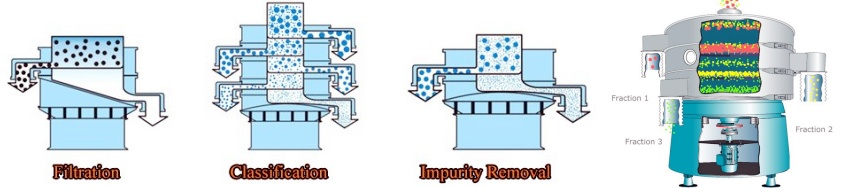
Screening machines utilize vibration, rotation, and shaking to move material across the screen surface, dividing it based on hole size. Larger materials remain on top, while smaller particles pass through.
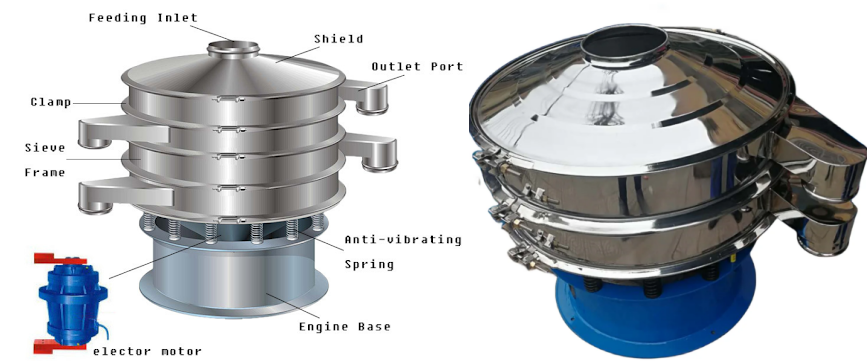
The system is supported by a stable frame. The drive unit, typically a motor driving an eccentric block, generates the necessary vibration. Multi-layered screen boxes allow for simultaneous multi-stage grading, while shock-absorbing springs ensure minimal environmental impact.
Recommended Mesh Sizes by Application
|
Mesh number |
Application field |
Applicable particle size range |
|
20 mesh |
Coarse particle screening |
0.85mm - 1.0mm |
|
40 mesh |
Building materials, chemicals |
0.42mm - 0.5mm |
|
60 mesh |
Food, medicine |
0.25mm - 0.3mm |
|
80 mesh |
Cosmetics, coatings |
0.18mm - 0.2mm |
|
100 mesh |
Fine chemicals, plastics |
0.15mm - 0.18mm |
|
200 mesh |
Ultrafine screening |
0.075mm - 0.1mm |
|
300 mesh |
Nano materials, special powders |
0.05mm - 0.075mm |
Applicable Materials and Industry Use Cases
Screening machines are versatile tools for separation, impurity removal, and dehydration. Powdered materials include resins, flour, starch, cement, and minerals. Granular materials include plastic pellets, grains, catalysts, and feed. Slurries are processed for solid-liquid separation in paints and food production.
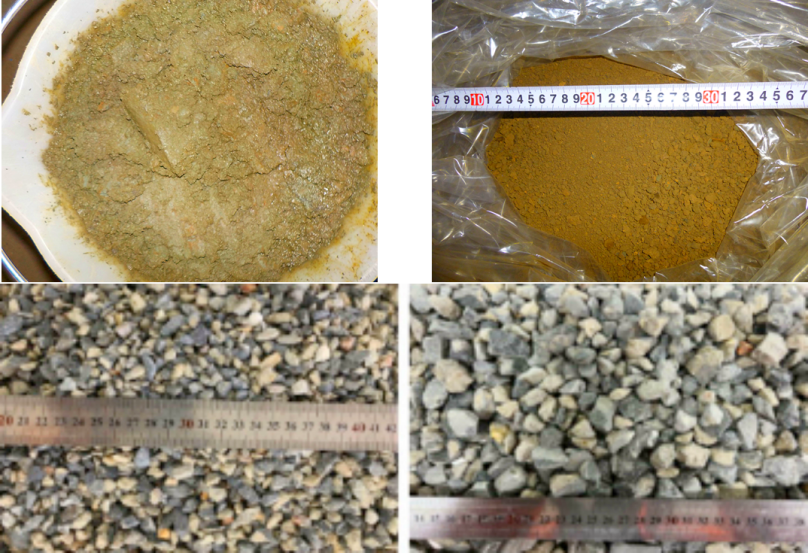
Industries served include Mining (ore grading), Agriculture (seed/feed processing), Recycling (construction waste), Food (consistent quality control), and Pharmaceuticals (particle size regulation).
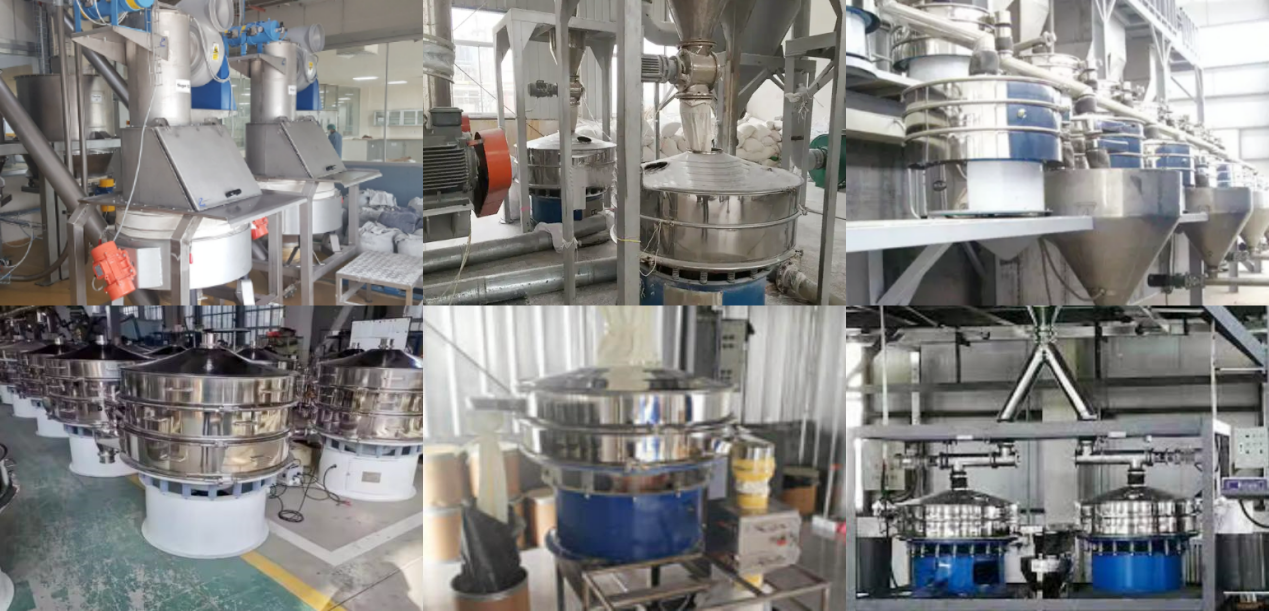
Screening Machine Price & Customization
Pricing varies based on complexity: Laboratory/small-batch units range from $1,000–$3,000. Industrial vibrating or drum screens cost $3,000–$8,000. Large-scale automated systems, including probability screens or air classifiers, start at $10,000. Note: Stainless steel options are available for higher hygiene standards.
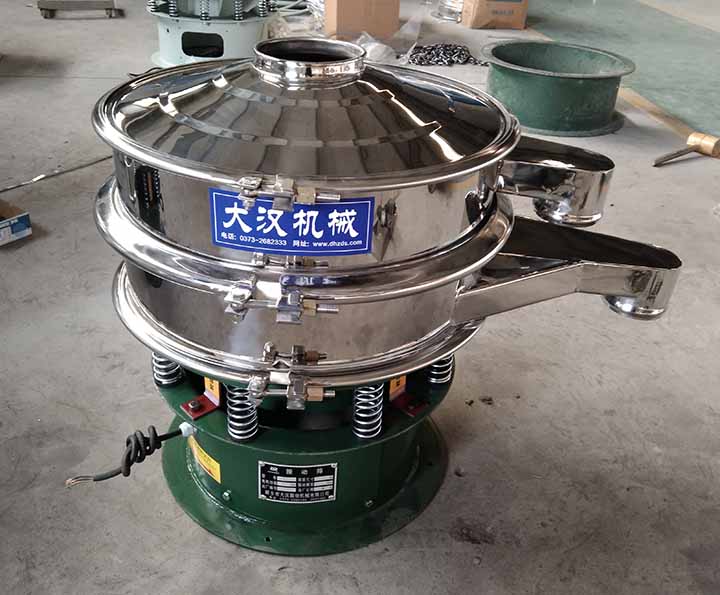
Expert Manufacturer: DaHan Vibration Machinery
DaHan Vibration Machinery offers both standard and custom-designed screening solutions, including extended discharge ports, mobile wheels, and specialized feed inlets. We are committed to providing one-stop machinery selection and maintenance services.
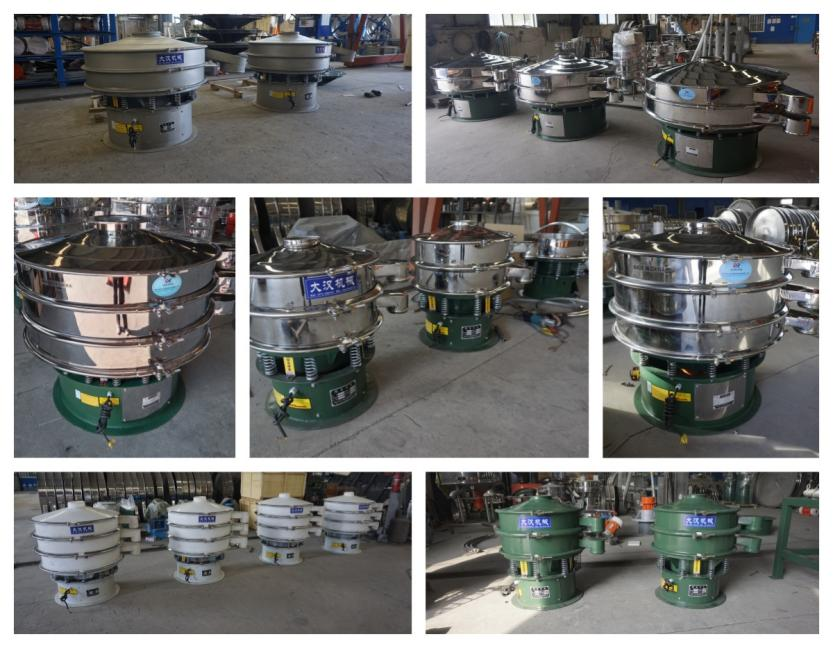
Frequently Asked Questions about Screening Machines
What is a screening machine used for?
A screening machine is used to separate materials, remove impurities, and grade particles by size, shape, and density. It is widely applied in industries such as mining, chemicals, food processing, agriculture, and pharmaceuticals.
How do I choose the right mesh size for my material?
Mesh size selection depends on your separation goals: coarse screening uses 4-20 mesh for large particles, medium grading uses 20-100 mesh, and fine powders require 100-500 mesh or higher.
What are the differences between a swing screen and a linear vibrating screen?
A swing screen features a three-dimensional artificial swing motion, offering high accuracy (≥95%) for sticky or light materials with low noise. A linear vibrating screen uses a high-frequency vibration motor for large processing capacities (up to 5t/h), though it operates at higher noise levels (≥80dB).
What is the price range of industrial screening machines?
Prices typically range from $1,000 to $3,000 for small laboratory units, $3,000 to $8,000 for standard industrial-grade vibrating or drum screens, and start at $10,000 for large, fully automated, or customized systems.
Screening machines are essential separation tools for almost every industry involving solid particles or liquid purification. Contact us today to discuss your specific process requirements and get a professional quote.
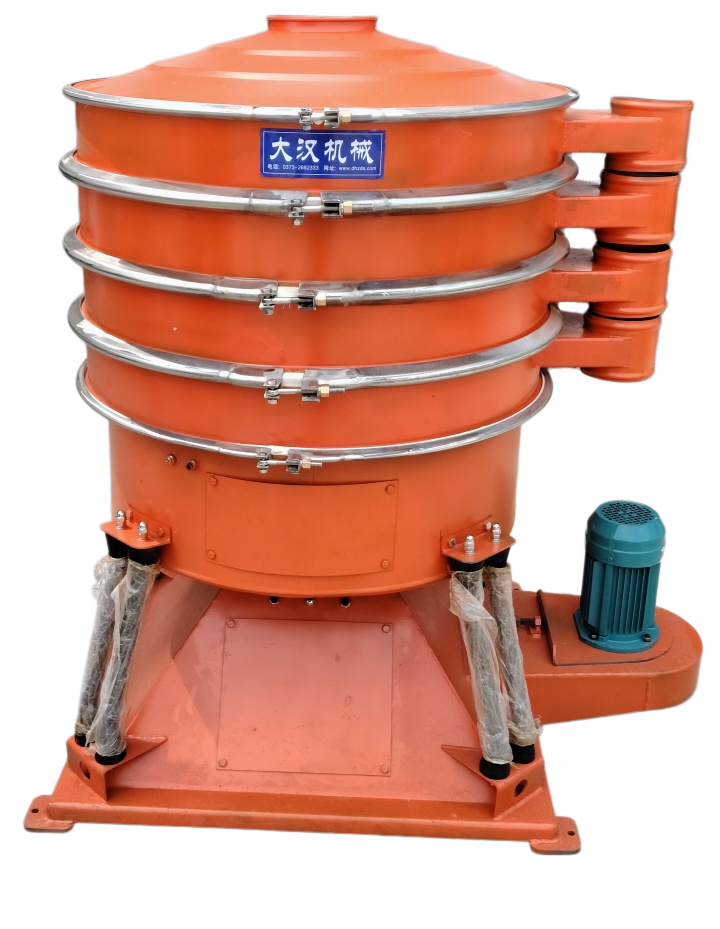
-
Plastic powder Screening Machine
Solve static and clumping issues in PE, PVC, and resin sifting. Our plastic powder screening machines ...
-
Activated Carbon Screening Machine
Activated Carbon Screening Machine can classify activated carbon in various forms, remove impurities, ...
-
Copper Shavings Core Sand Screening Machine
Copper Shavings Core Sand Screening Machine can separate and recycle copper shavings mixed in the cor ...
-
Montmorillonite clay powder vibrating screening machine
Montmorillonite clay powder vibrating screening machine has a grading capacity of 1-5 layers, and can ...
-
Sea Salt Mini Rotary Sieve Machine
Sea salt mini rotary sieve machine is a small rotary vibrating screen equipment specially used for sea salt screening...
-
Carbon steel straight screen
Carbon steel straight screen is a common screening equipment, usually used in the industrial field to screen and grade granular materials...
-
Charcoal Sieving Carbon Steel Round Vibrating Screen
Charcoal Sieving Carbon Steel Round Vibrating Screen enables rapid grading and impurity removal from flake, strip...
-
Carbon material vibrating screen
Carbon material vibrating screen is a device specially used for screening carbon materials...
Email:
sale@xxdahan.com
WhatsApp:
+86 15236742901
Add:
1000m West of Forest Park,Yanjin County,Xinxiang City,Henan Province,China.