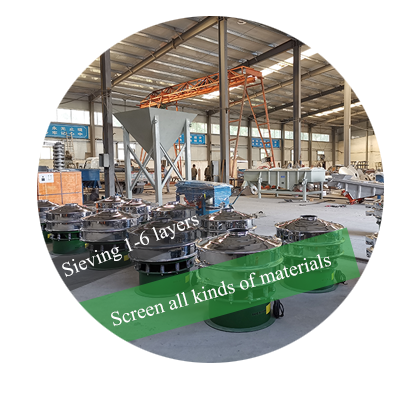
Metal Powder Sieving Machine for 3D Printing
![[field:title/]](/uploads/allimg/260803/1-260P31P0270-L.png)
Callback
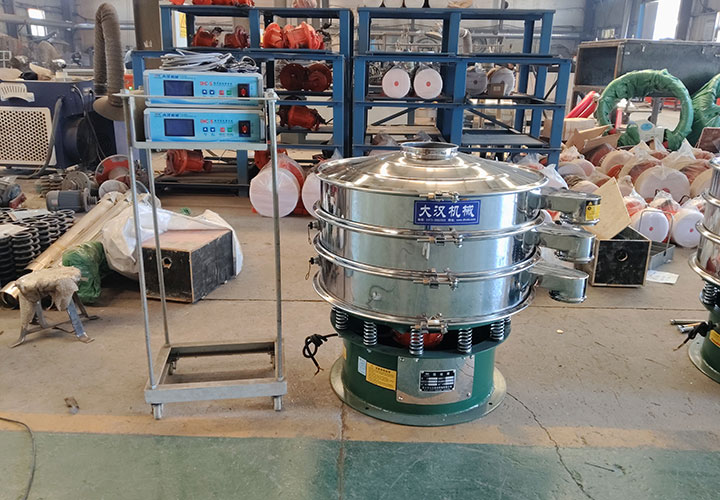
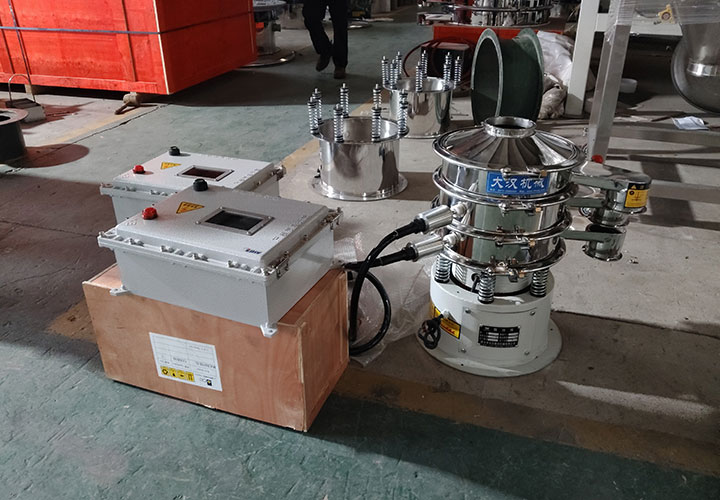
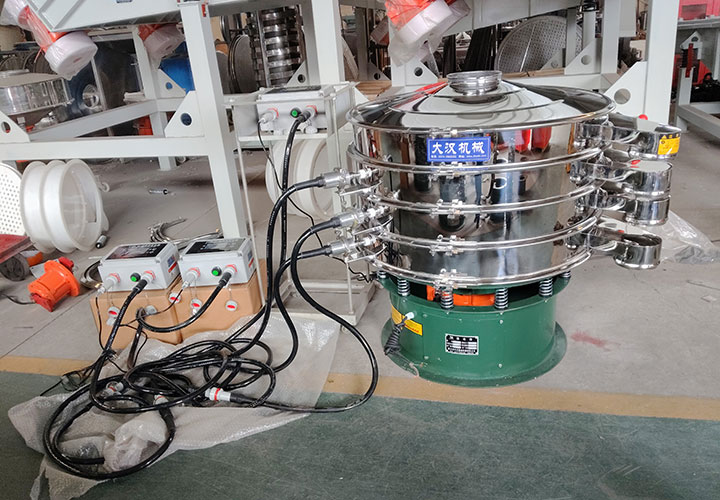
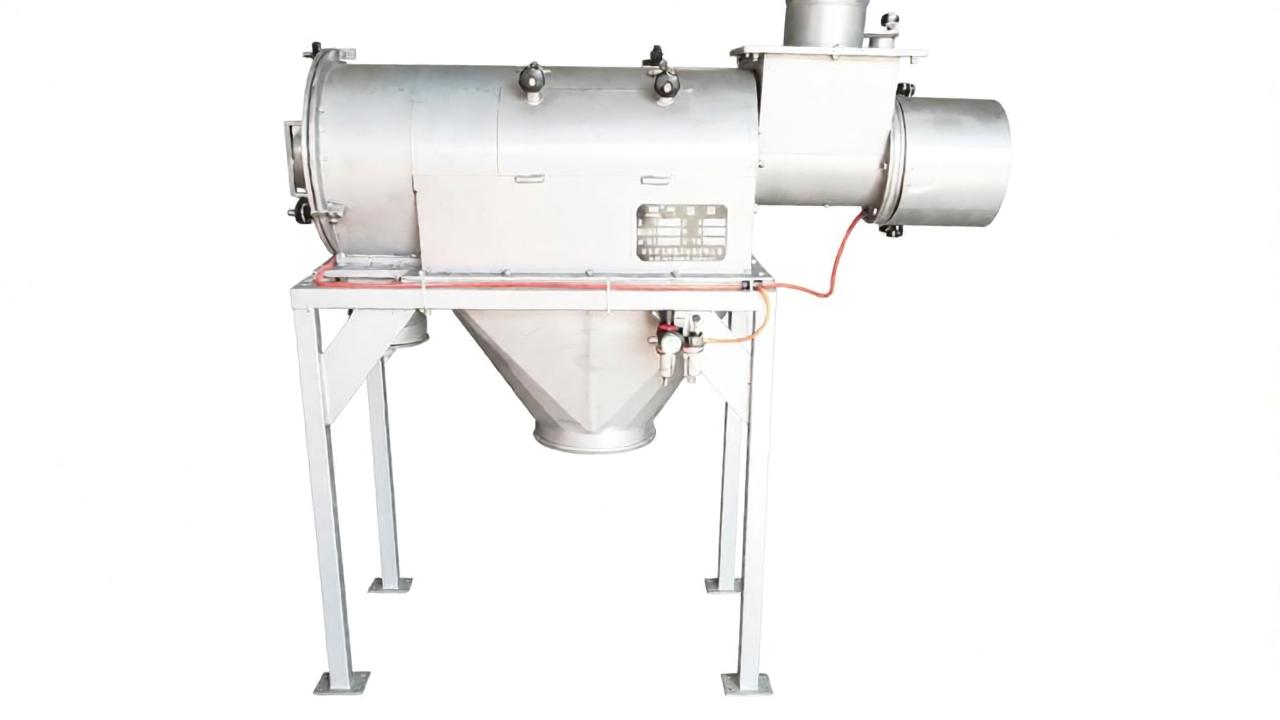
Ultrasonic vibrating sieve with sealed inert gas protection and one-button automation. Handles metal powders from 10μm to 45μm — titanium, aluminum, stainless steel, nickel alloys, and more.
Powder types: Titanium, aluminum, stainless steel, nickel alloys, cobalt chrome, copper, tool steels — 50+ AM powders.
Screening range: Down to 10μm with ultrasonic anti-blinding. Standard screens blind below 45μm.
Safety: Sealed inert gas chamber reduces oxidation and explosion risks. ATEX/CSA/NFPA 484 compliant.
Efficiency: 40kg titanium batch — from 8+ hours manual to under 1 hour automated.
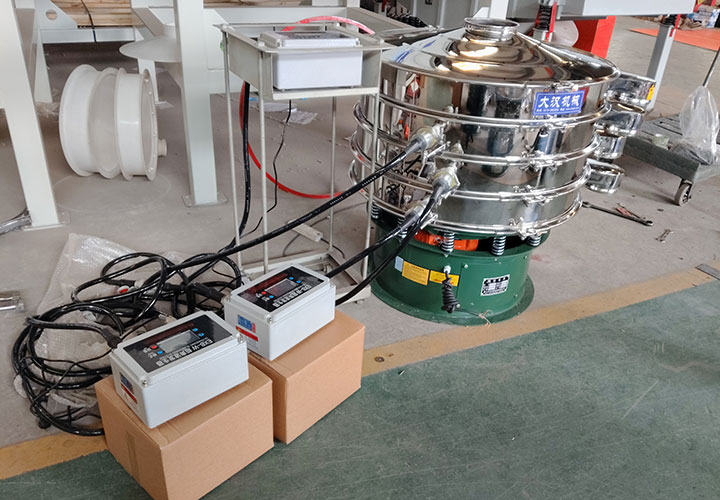
This Metal Powder Sieving Machine for 3D Printing is a vibrating sieve built for additive manufacturing powder workflows — virgin screening, spent powder recovery, and batch reconditioning in one unit.
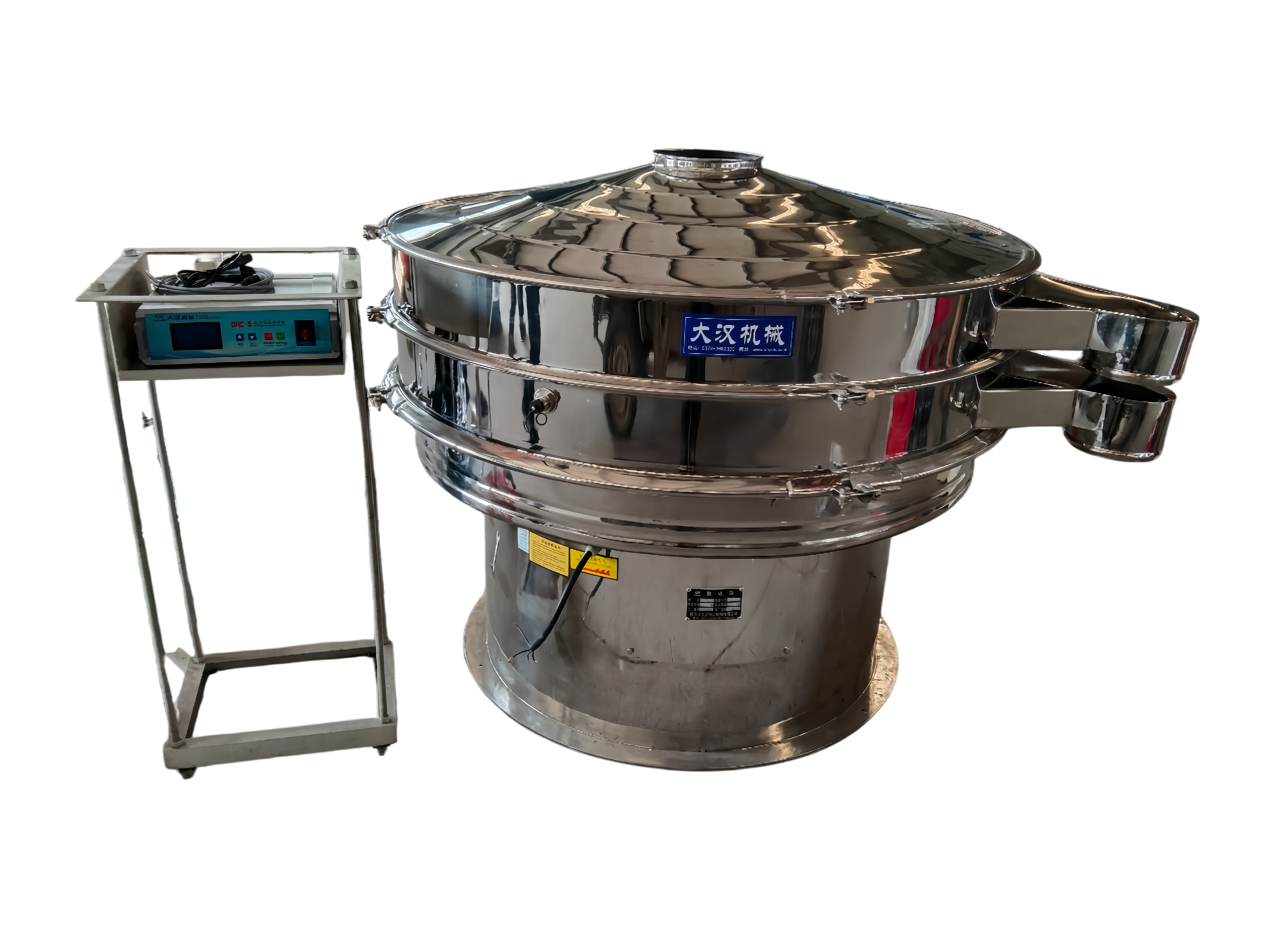
Ultrasonic anti-blinding handles powders down to 10μm. The sealed chamber uses inert gas (argon or nitrogen) to reduce oxidation risk in reactive metals. Operation runs from a single start button. All contact surfaces are 304 or 316L stainless steel; the welded housing and explosion-proof motors meet ATEX, CSA, and NFPA 484 standards.
How It Works
Powder moves through four stages in a single continuous cycle. The entire process runs inside a sealed, inert-gas-purged chamber.
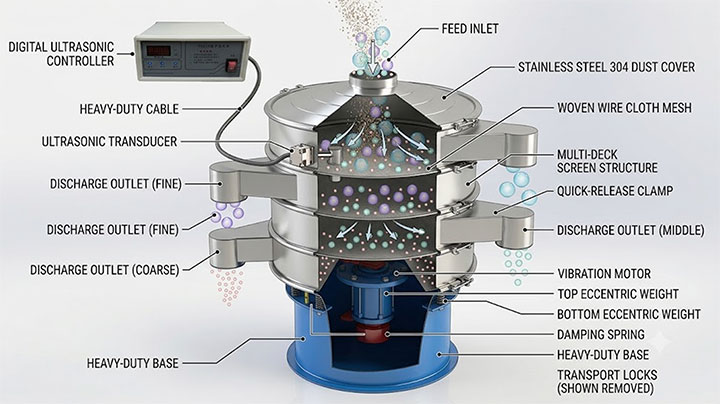
Loading: Powder enters through the sealed hopper at the top. A dosing mechanism controls feed rate to match the screen's processing capacity. The inert gas purge begins as soon as the hopper is closed.
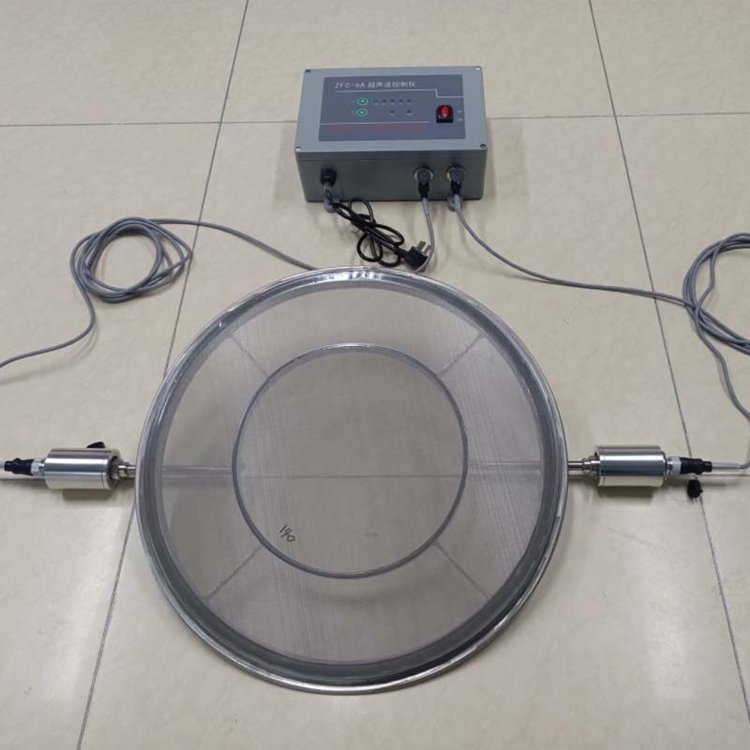
Ultrasonic Screening: Material spreads across the mesh surface. The ultrasonic generator delivers high-frequency vibrations to the screen frame, not to the entire machine. This breaks surface tension at the mesh openings, allowing fine particles through while keeping oversize material on top. No vibration transfer to the floor or surrounding equipment.
Separation: On-spec powder passes through the mesh and collects at the bottom outlet. Oversize particles, agglomerates, and contaminants move across the screen to a separate discharge port. The two streams never mix.
Discharge: Processed powder exits through sealed outlets into your collection container or directly into the printer's feed system. The inert gas flow continues until the discharge cycle is complete.
The ultrasonic system runs continuously during operation. No routine adjustment required once parameters are set for a given powder type.
Four Technologies That Make This Sieve Different
Inert Gas Protection: Reactive metals like titanium and aluminum oxidize quickly when exposed to air. The sealed chamber circulates argon or nitrogen during operation, maintaining oxygen levels below 0.1%. Powder chemistry stays stable. No oxidation-driven rejects.
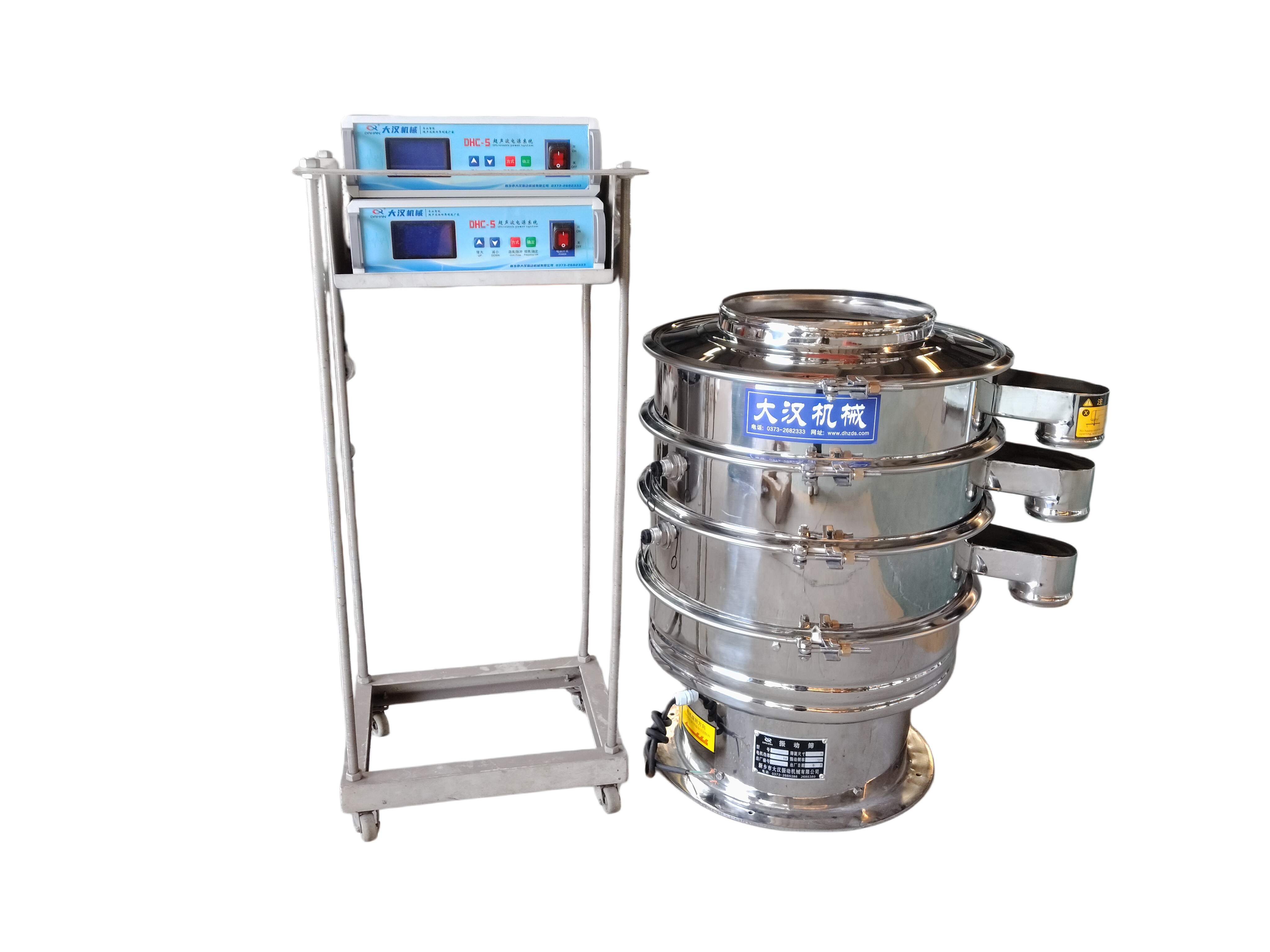
Ultrasonic Anti-Blinding: Standard vibratory screens clog with powders under 45μm. This unit applies high-frequency ultrasonic pulses directly to the mesh, breaking surface tension and preventing particles from sticking. Result: continuous screening down to 10μm with no midday cleaning stops.
Sealed, Explosion-Proof Build: Metal powder dust is combustible. The housing is welded steel with no leak paths. Explosion-proof motors are standard. The design meets ATEX, CSA, and NFPA 484 requirements for operation in hazardous environments.
One-Button Operation: Once the unit is loaded, screening and discharge run from a single start command. The ultrasonic system and inert gas flow engage automatically. No manual monitoring required during the screening cycle.
Technical Specifications
Standard configuration for PBF-LB/M powder processing. Custom options available for capacity, mesh size, and automation level.
| Parameter | Specification | What This Means for You |
|---|---|---|
| Application | Virgin screening + powder recovery | One unit handles both incoming material verification and spent powder reconditioning |
| Powder Types | Titanium, aluminum, stainless steel, nickel alloys, cobalt chrome, copper, tool steels | Compatible with most AM powders — no dedicated unit needed per material family |
| Screen Mesh | 304 / 316L stainless steel | Corrosion-resistant surface. No contamination introduced from the screen itself |
| Screening Precision | Up to 40μm | Covers the 15–45μm range typical in PBF-LB/M printing |
| Processing Capacity | 100–1000 kg/h | Scales from R&D batches to production-floor volumes |
| Protection System | Inert gas (argon or nitrogen) | Required for reactive metals like titanium and aluminum |
| Cleaning System | Ultrasonic anti-blinding | Handles powders down to 10–15μm without mesh clogging |
| Safety Compliance | Explosion-proof motor, sealed housing | ATEX / CSA / NFPA 484 compliant. Suitable for combustible metal dust environments |
| Customization | Available | Capacity, mesh specification, gas configuration, and dimensions can be tailored |
Applications – Closed-Loop Powder Management
The machine fits into three points in the AM powder workflow. One unit moves between these roles as needed.
Virgin Material Screening: Incoming powder batches from suppliers are not always contamination-free. This step removes oversized particles, agglomerates, and foreign debris before powder enters the printer. Verifies that material meets your spec before you commit it to a build.
Powder Recovery: Unmelted powder collected from the build chamber still holds value. The machine separates reusable powder from agglomerates, satellites, and sintered particles. Recovery rates typically reach 90% or higher for most powder types.
Batch Reconditioning: Powder that has been through multiple print cycles can be re-sieved to restore consistent particle size distribution. Removes accumulated fines and oversize material. Prepared powder meets the same quality standard as virgin material.
Closed-loop sequence: Powder receiving → Screening → Printing → Collection → Recovery screening → Reuse
Compatible Materials
- Titanium alloys: Ti-6Al-4V, Ti-6Al-4V ELI
- Aluminum alloys: AlSi10Mg, AlSi7Mg
- Stainless steels: 316L, 17-4PH, 304L
- Nickel alloys: Inconel 718, Inconel 625
- Cobalt chrome: CoCrMo
- Other: Copper, bronze, tool steels (H13, maraging steel)
Why Choose This Machine
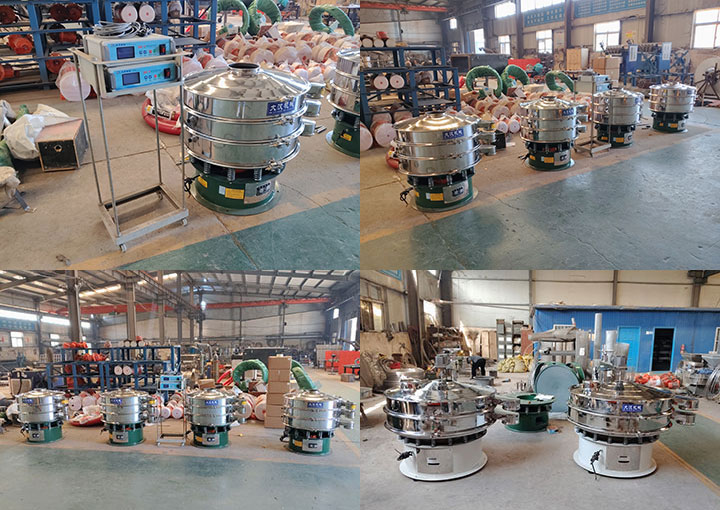
In-House Engineering: We manufacture both the screening unit and the ultrasonic deblinding system under one roof. Integration is tested before shipment. No third-party components with compatibility gaps.
Material Traceability: All contact surfaces are 304 or 316L stainless steel with mill test reports. Mesh specifications are documented per batch. You know exactly what touches your powder.
Support After Delivery: Spare parts stocked for all wear components. Remote troubleshooting available. On-site service arranged when needed.
Frequently Asked Questions
How does ultrasonic compare to standard vibratory screening?
Standard vibratory screens typically blind when processing powders below 45μm. The ultrasonic system prevents mesh blinding and agglomeration, allowing continuous operation with minimal cleaning stops.
Is the machine safe for reactive metal powders?
Yes. The sealed chamber uses an inert gas purge (argon or nitrogen) to keep oxygen levels low during operation, reducing oxidation and combustion risks. The unit is ATEX, CSA, and NFPA 484 compliant.
Does it work with different printer brands?
Yes. The machine is designed as a standalone powder processing unit. It integrates with any PBF-LB/M printer — no brand-specific interface required.
Do you offer customization?
Yes. Options include capacity, mesh size, gas configuration, automation level, and overall dimensions.
What is the typical lead time?
Standard configurations ship in 3–4 weeks from order confirmation. Custom-built units typically take 4–6 weeks.
-
Preventing Mesh Clogging in High-Moisture Grain Screening: Practical Solutions
Screening grains with elevated moisture levels routinely triggers severe mesh blinding. ...
-
5 Essential Tips for Selecting the Right Vibro Sifter for Fine Powders
Selecting the right vibro sifter for fine powders requires more than choosing a machine with a fine mesh or a high advertised capacity. ...
-
How to Prevent Mesh Blinding During Fine Powder Sifting for Higher Yields
In fine powder processing, mesh blinding (also known as screen pegging or clogging) is one of the most persistent operational hurdles...

Email:
sale@xxdahan.com
WhatsApp:
+86 15236742901
Add:
1000m West of Forest Park,Yanjin County,Xinxiang City,Henan Province,China.