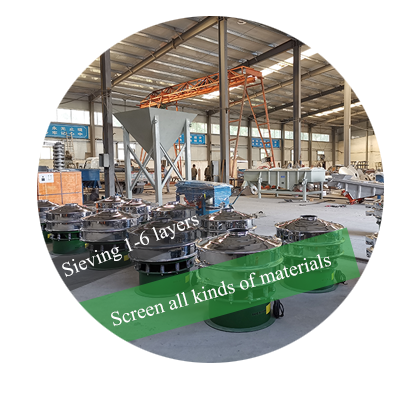
Heavy-Duty Ore Vibrating Screen
![[field:title/]](/uploads/allimg/260625/1-2606251A21B52-lp.jpg)
Callback
| Capacity: | 50–800 t/h* |
| Max. Feed Size: | Up to 400 mm |
| Screening Size: | Down to 2 mm* |
| Motor Power: | 7.5–37 kW |
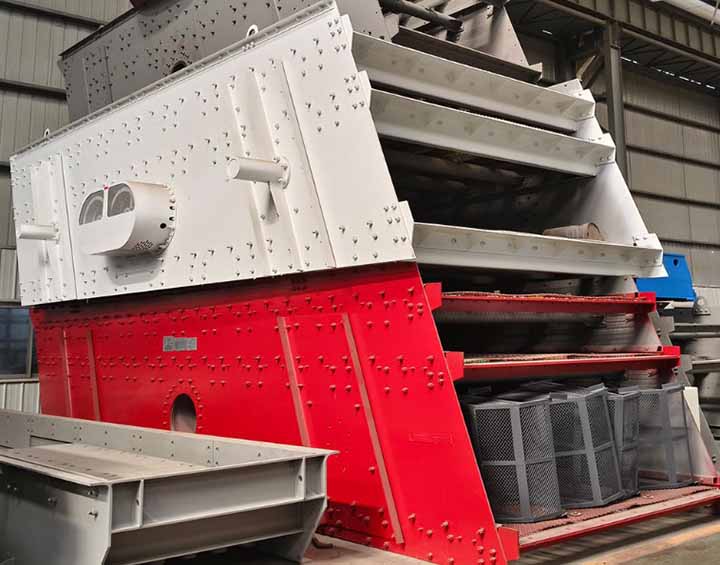
Q345B / NM400 steel side plates with ring-groove riveted construction.
Eccentric vibrator with self-aligning bearings and oil-bath housing.
Polyurethane or manganese steel screen panels for different materials.
Suitable for iron ore, chromite, granite, basalt, coal and limestone.
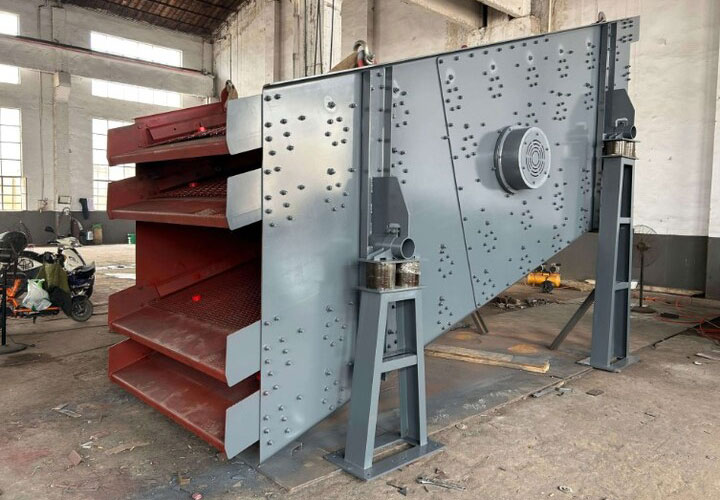
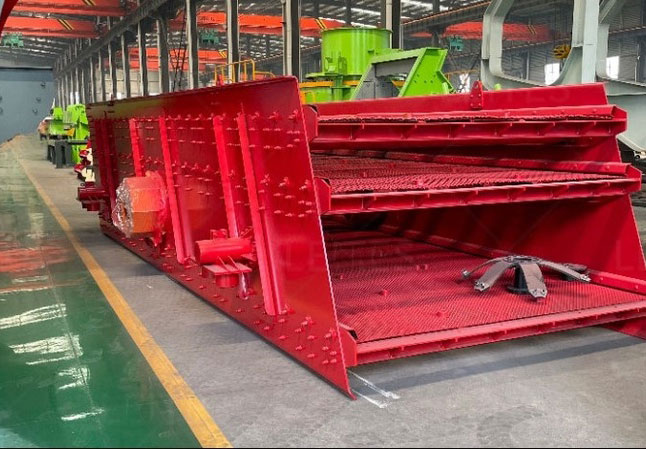
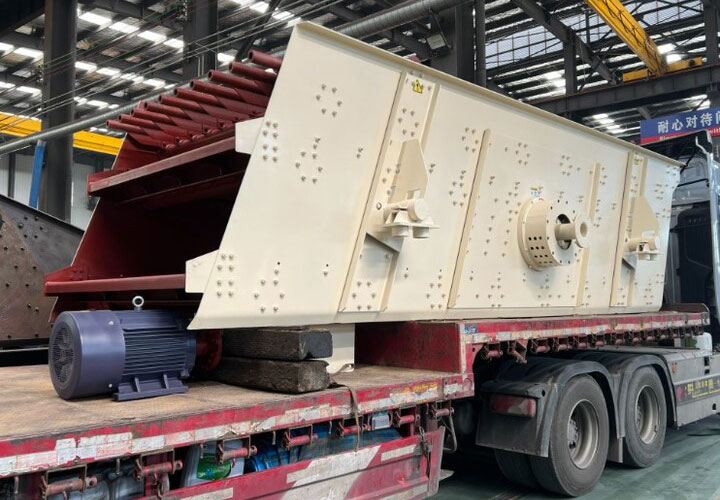
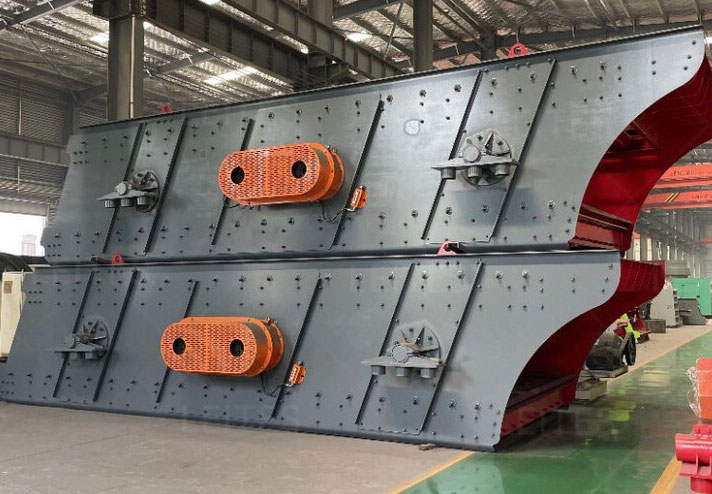
Our heavy-duty ore vibrating screen uses high-frequency mechanical vibration to separate mixed mineral aggregates into different particle size grades. It processes 50 to 800 tons per hour, accepting feed material up to 400 mm and delivering output particles as fine as 2 mm.

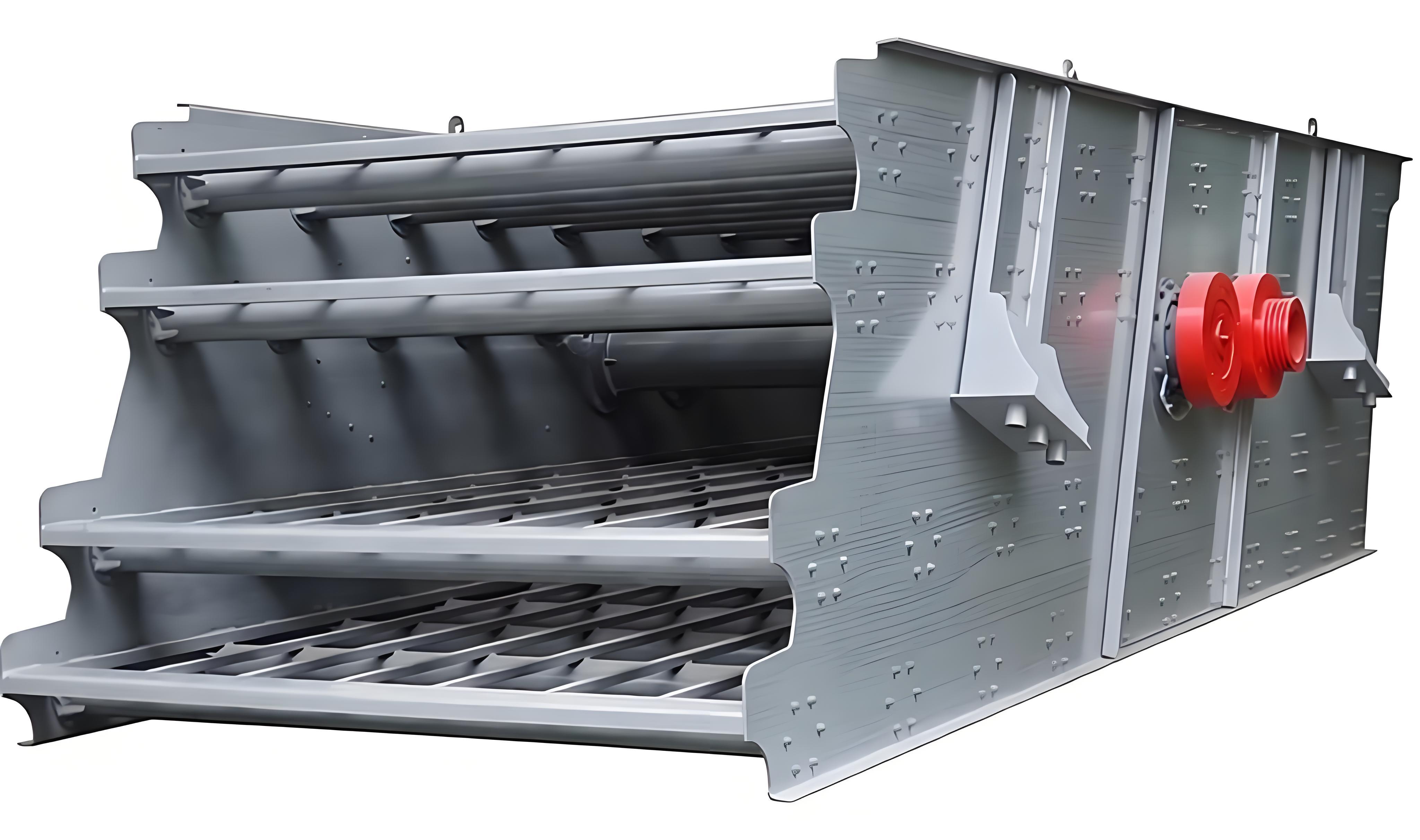
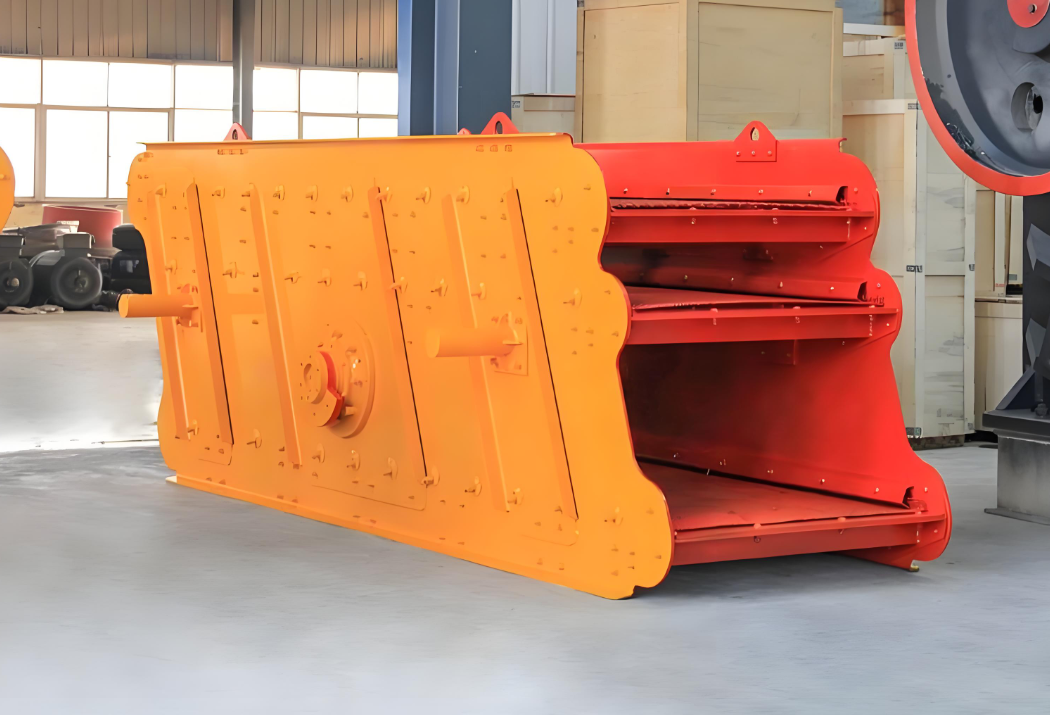
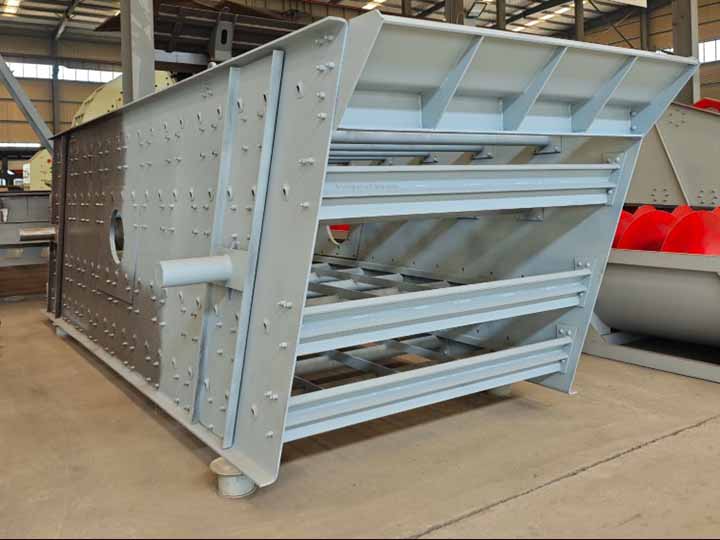
Built for high-impact mining environments, the screen features Q345B carbon steel or NM400 wear-resistant side plates formed by a seamless cold bending process and secured with ring groove rivets. This design minimizes welding stress points and helps prevent structural fatigue under continuous vibration.
Key Benefits of Heavy-Duty Ore Vibrating Screens
Heavy-duty ore vibrating screens are engineered to overcome the most common challenges in mineral processing: premature screen deck wear, damp clay blinding, and structural beam fatigue caused by continuous rock impact.When processing sticky iron ore or moist gold-bearing quartz, material frequently blocks screen apertures and forces downstream crushing lines into unscheduled stoppages. Our heavy-duty vibrating screen resolves these bottlenecks with a dual-stage vibration approach.
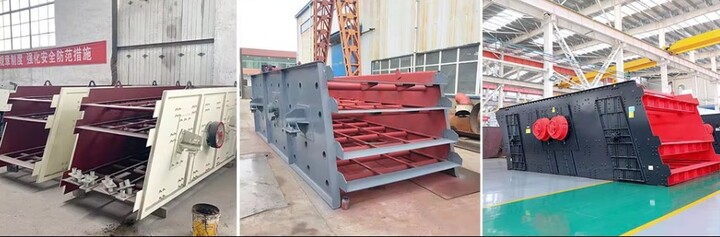
In the coarse screening stage, a large-amplitude, low-frequency setting drives oversized stones forward. In the fine screening stage, a small-amplitude, high-frequency setting ensures sharp fines separation while preventing pegging.For clay-rich or high-moisture feeds, polyurethane screen panels replace traditional wire mesh. The elastic polyurethane flexes under load, automatically releasing trapped particles and keeping apertures clear without manual intervention.
Watch Our Ore Vibrating Screen in Action – Working Principle & Performance Demo
This video demonstrates the working principle and screening performance of our heavy-duty ore vibrating screen, covering circular vibration motion, eccentric drive system, and material flow across the screen deck.
Core Components and Design of Ore Vibrating Screens
Our heavy-duty ore vibrating screen is built around three core sub-components: the vibrator mechanism, the screen media, and the vibration isolation springs.
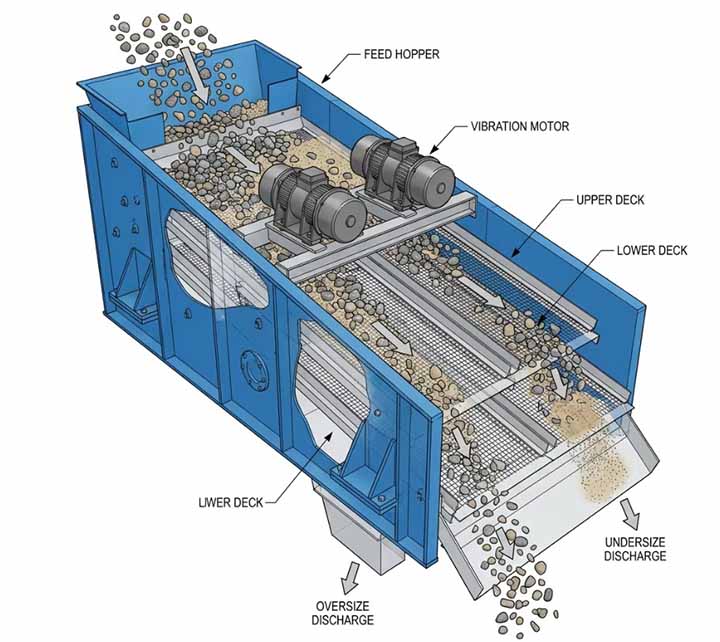
Vibrator Mechanism: This dynamic power source uses block eccentricity to generate centrifugal force, offering greater reliability than traditional shaft eccentric designs. It incorporates heavy-duty self-aligning roller bearings from SKF or FAG, which withstand extreme radial loads within a sealed dustproof oil bath housing to prevent fine mineral dust from contaminating the lubricating oil.
Screen Media: The upper coarse deck uses manganese steel bar plates to scalp large stones, while the lower deck utilizes modular polyurethane panels with built-in reinforcing frames. These abrasion-resistant panels significantly extend replacement intervals when processing highly abrasive materials like granite or basalt.
Vibration Isolation Springs: Heavy-duty rubber compression springs (or wire coil alternatives) support the entire vibrating body. The rubber springs offer high internal damping, effectively absorbing excessive resonance during start-up and shutdown and minimizing structural stress transferred to the concrete foundation.
Ore Vibrating Screen Specifications & Model Comparison
Single-Deck Ore Vibrating Screen Models
|
Model |
Layer |
Area (m²) |
Inclination (°) |
Aperture (mm) |
Feeding (mm) |
Capacity (t/h) |
Amplitude (mm) |
Motor Model |
Power (kW) |
Single Load (N) |
Dynamic Load (N) |
|
YK1230 |
1 |
3.6 |
15-30 |
3-50 |
≤200 |
220 |
6-10 |
Y160M-6 |
7.5 |
440 |
— |
|
YK1530 |
1 |
4.5 |
15-30 |
3-50 |
≤200 |
250 |
6-10 |
Y160L-6 |
11 |
720 |
— |
|
YK1545 |
1 |
6.75 |
15-30 |
3-50 |
≤200 |
300 |
6-10 |
Y180L-6 |
18 |
845 |
— |
|
YK1845 |
1 |
8.1 |
15-30 |
3-50 |
≤200 |
350 |
6-10 |
Y180L-6 |
18 |
936 |
— |
|
YK2045 |
1 |
9 |
15-30 |
6-100 |
≤200 |
450 |
10-15 |
Y200L-6 |
18 |
987 |
— |
|
YK2060 |
1 |
12 |
15-30 |
6-100 |
≤400 |
550 |
10-15 |
Y200L-6 |
18 |
1339 |
— |
|
YK2460 |
1 |
14.4 |
15-30 |
6-100 |
≤400 |
600 |
10-15 |
Y250L-6 |
22 |
1518 |
— |
Need a custom vibrating screen for your ore processing plant?
Tell us your material type, feed size, and capacity requirements — we will recommend the best model for you.
Double-Deck Ore Vibrating Screen Models
|
Model |
Layer |
Area (m²) |
Inclination (°) |
Aperture (mm) |
Feeding (mm) |
Capacity (t/h) |
Amplitude (mm) |
Motor Model |
Power (kW) |
Single Load (N) |
Dynamic Load (N) |
|
2YK1230 |
2 |
3.6 |
15-30 |
3-50 |
≤200 |
220 |
6-10 |
Y160L-6 |
11 |
732 |
— |
|
2YK1530 |
2 |
4.5 |
15-30 |
3-50 |
≤200 |
250 |
6-10 |
Y200L1-6 |
18 |
1154 |
— |
|
2YK1545 |
2 |
6.75 |
15-30 |
3-50 |
≤200 |
300 |
6-10 |
Y200L1-6 |
22 |
1360 |
— |
|
2YK1845 |
2 |
8.1 |
15-30 |
3-50 |
≤200 |
350 |
10-15 |
Y200L-6 |
22 |
1570 |
— |
|
2YK2045 |
2 |
9 |
15-30 |
6-100 |
≤400 |
450 |
10-15 |
Y250L-6 |
22 |
1593 |
— |
|
2YK2060 |
2 |
12 |
15-30 |
6-100 |
≤400 |
550 |
10-15 |
Y250L-6 |
30 |
2149 |
— |
|
2YK2460 |
2 |
14.4 |
15-30 |
6-100 |
≤400 |
600 |
10-15 |
Y250L-6 |
37 |
2107 |
— |
Industrial Applications of Ore Vibrating Screens
Our heavy-duty ore vibrating screens are widely deployed in primary crushing circuits, closed-circuit secondary grinding stages, and final product washing facilities. They are engineered to handle heavy, high-density, and highly abrasive geological materials across diverse mining operations.
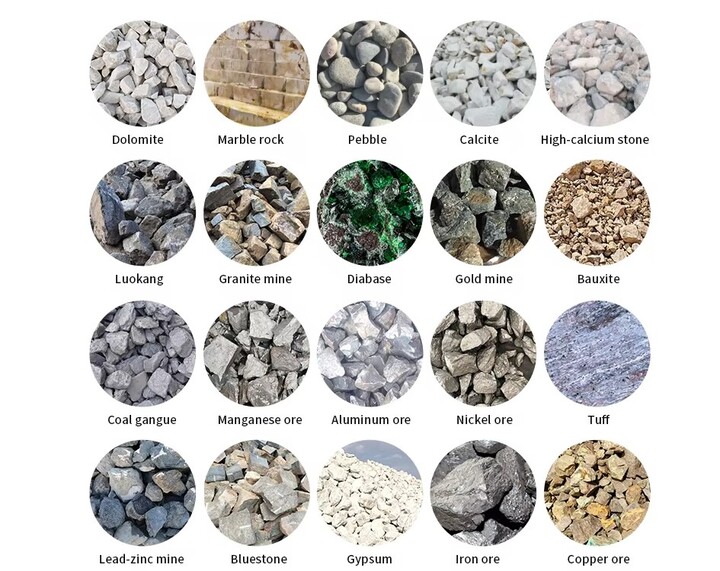
High-hardness ores: Iron ore, flint, chalcopyrite, chromite, and manganese ore.
Abrasive quartzite: Gold-bearing quartz, silica sand, granite aggregate, and basalt.
Soft or brittle sediments: Coal, limestone, and bauxite.
In dry processing plants, our screens efficiently separate blasted ore rocks directly after the primary jaw crusher. In wet processing plants, we recommend installing water spray pipes above the screen deck to wash away fine clay components from valuable metal concentrates prior to flotation or magnetic separation, ensuring higher purity output and reduced downstream equipment wear.
Case Study: 300 t/h Copper Ore Screening Solution
A copper mine in South America processing 300 t/h of chalcopyrite experienced side plate cracking every three months due to welding stress fatigue. Additionally, feed moisture of approximately 8% caused frequent screen blinding, which reduced throughput and forced downstream crusher stoppages.
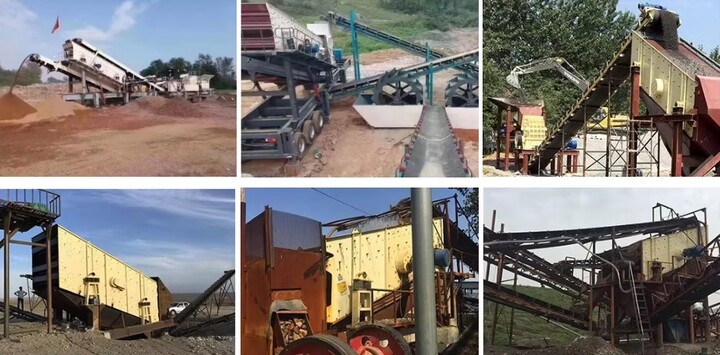
The plant replaced the existing unit with our custom-engineered 2YK2460 heavy-duty double-deck linear vibrating screen. The design incorporates cold-formed side plates secured with ring groove rivets to eliminate welded joints prone to stress fracture. The upper deck uses a 40mm perforated manganese steel bar screen, while the lower deck is fitted with a 10mm modular polyurethane screen panel.
After 12 months of continuous operation, no structural cracks were observed in the side plates. Screen blinding was significantly reduced, enabling the plant to maintain its target 300 t/h throughput with no unscheduled maintenance downtime.
Ore Vibrating Screen – Frequently Asked Questions
How to choose between circular and linear motion for ore screening?
Choose circular motion (YK series) for coarse screening of blasted rock up to 400 mm; choose linear motion for fine classification below 50 mm or dewatering applications requiring sharper cut points.
What screen media type is best for screening high-moisture ores?
Polyurethane panels are recommended for ores with moisture exceeding 8% or high clay content; manganese steel bar screens are better suited for dry, highly abrasive materials like granite or basalt.
How to prevent side plate cracking in heavy-duty vibrating screens?
Side plate cracking is minimized by using cold-formed steel plates secured with ring groove rivets instead of welded joints, effectively reducing stress concentration points caused by continuous vibration.
What is the handling capacity of a 2YK2460 ore vibrating screen for copper ore?
The 2YK2460 typically handles 300-550 t/h for copper ore; in our South America case study it maintained 300 t/h steady output at 8% moisture. Contact us for a custom estimate based on your ore parameters.
Ready to Upgrade Your Ore Screening Process?
Get a tailored solution from our engineering team — we will help you choose the right model and configuration for your specific ore type.

Email:
sale@xxdahan.com
WhatsApp:
+86 15236742901
Add:
1000m West of Forest Park,Yanjin County,Xinxiang City,Henan Province,China.