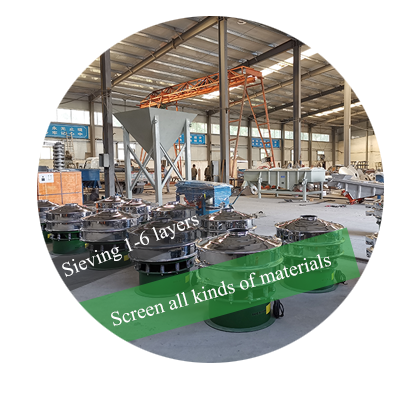
Carbon steel vibrating screen price
The Carbon steel vibrating screen price is influenced by factors such as screening accuracy, processing capacity, equipment structure, and manufacturing process, typically ranging from $380 to $6900. Carbon steel is robust and durable, and its cost is lower than stainless steel, making it a common choice for screening non-corrosive materials.
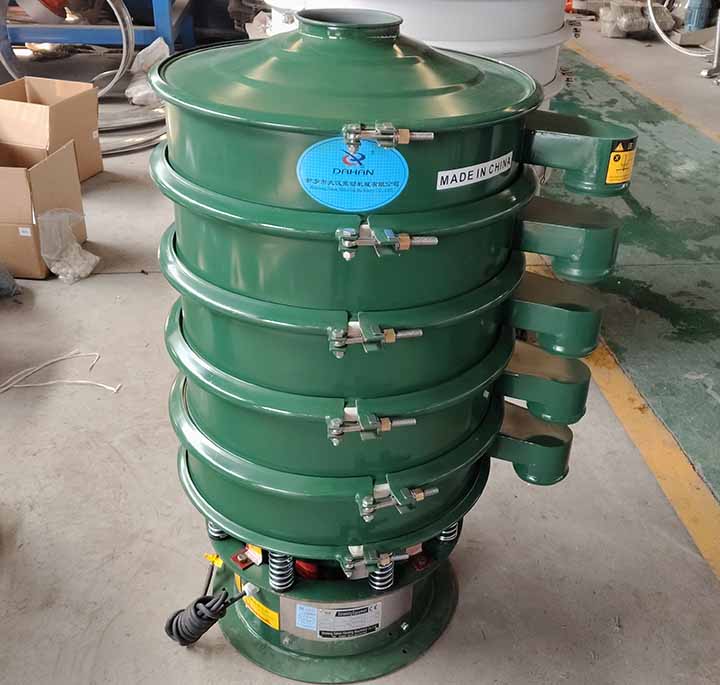
Price of different models of Carbon steel vibrating screen
Carbon steel vibrating screens can be categorized into linear vibrating screens, rotary vibrating screens, and ultrasonic screens, depending on their structure and function. Linear structures are preferred for higher production volumes, while vibrating screens are suitable for general screening. Ultrasonic structures are more suitable for fine powder screening scenarios that may cause screen clogging. Different models have different prices.
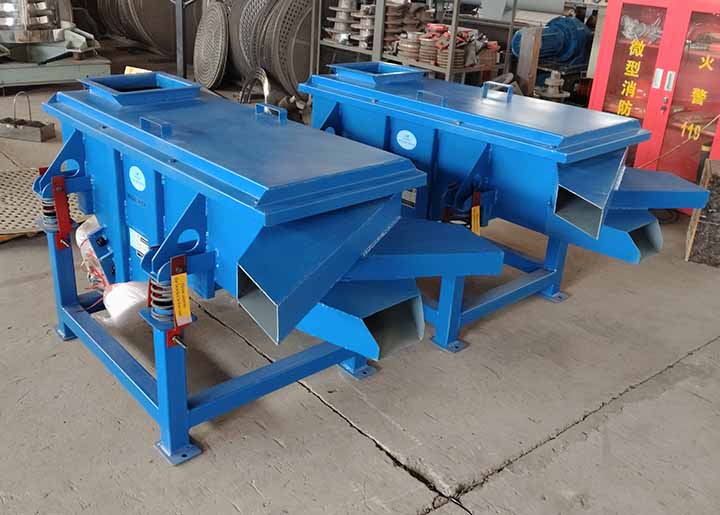
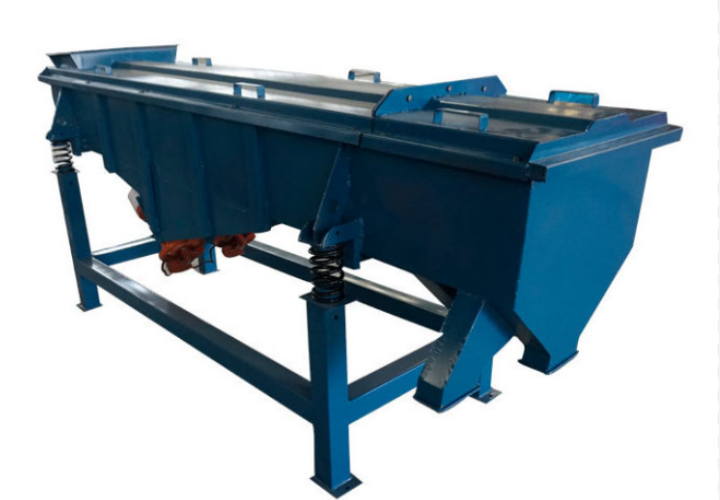
Linear vibrating screens use a flat screen box and dual-motor drive. When operating in the screening of ores, sand, gravel, or coal powder, they primarily handle high-flow-rate conveying screening tasks. Therefore, the manufacturing process focuses on frame strength and vibration damping supports, resulting in relatively stable cost control. Consequently, the price typically ranges from $1200 to $6500.
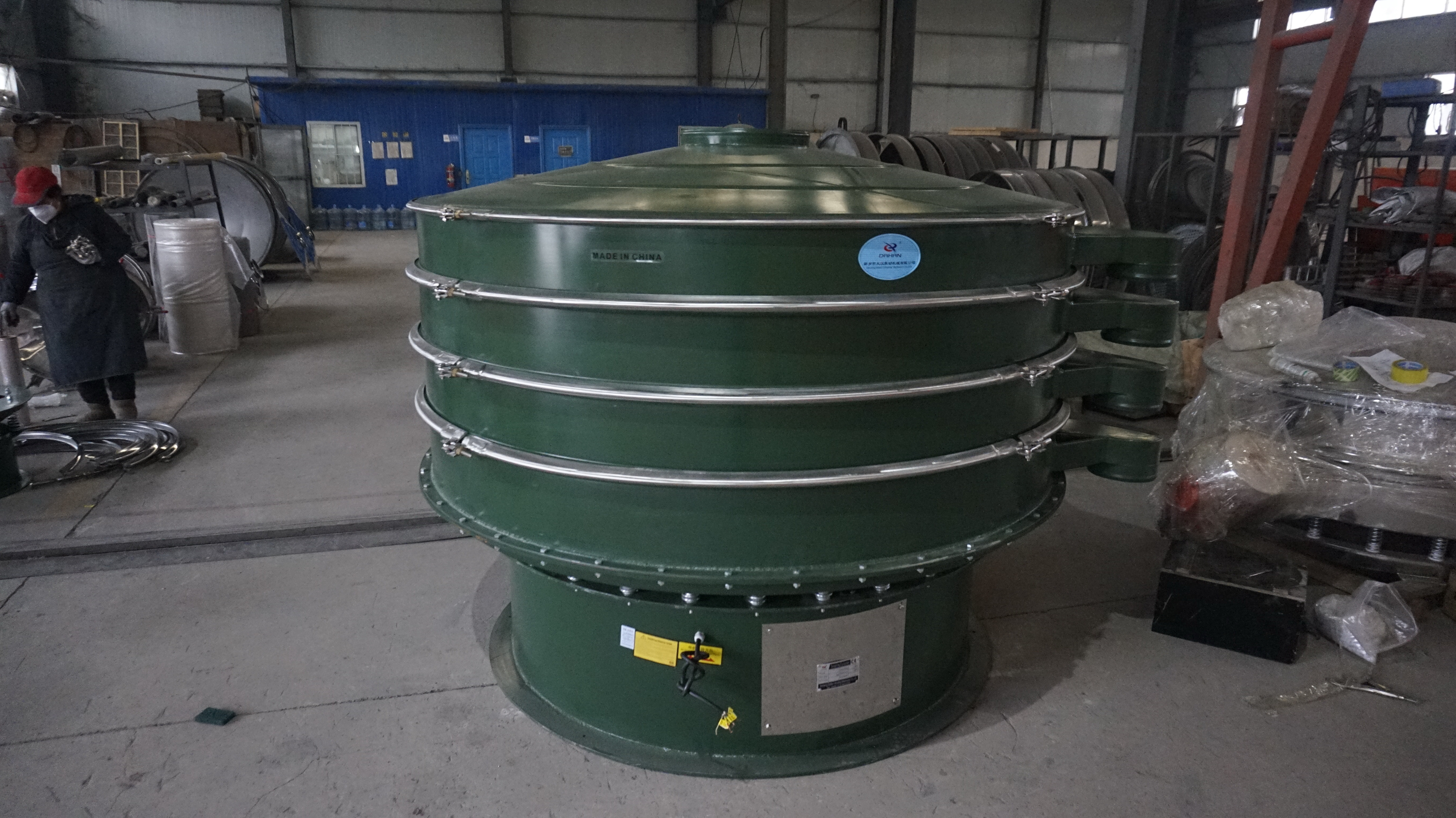
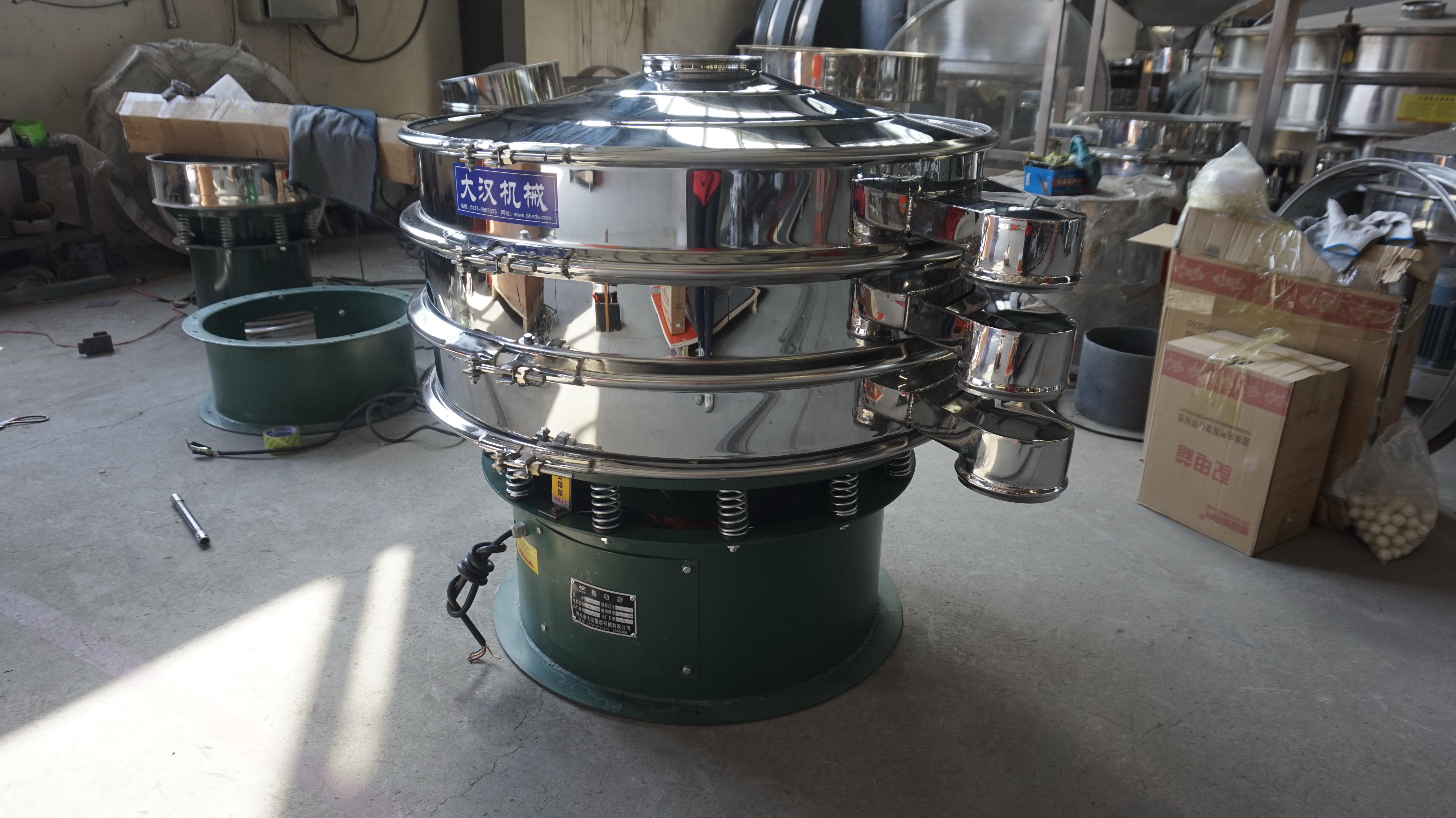
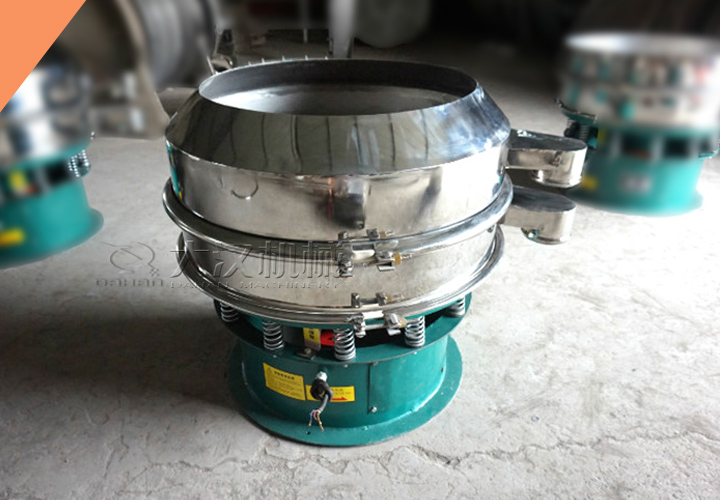
A rotary vibrating screen uses an eccentric weight to create a three-dimensional motion trajectory, causing the material to move in a spiral diffusion pattern on the screen surface. Due to the high requirements for the bearing system, balancing structure, and sealing performance, especially when processing powdery materials, the screen body needs a better sealing design to reduce dust leakage. This structural investment is directly reflected in the equipment price. The price range is generally between $1800 and $3500.
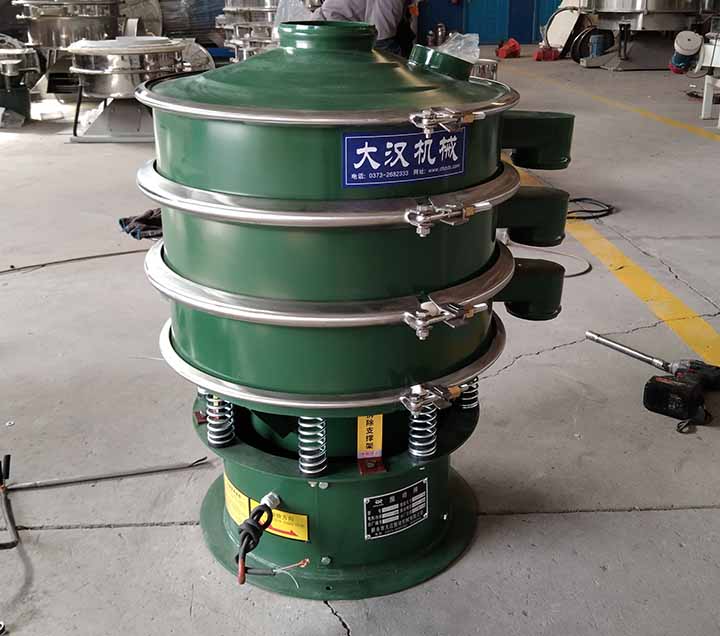
A carbon steel ultrasonic vibrating screen adds a transducer, ultrasonic power controller, and energy guide ring to the existing vibrating screen. These components not only increase manufacturing costs but also place higher demands on the screen material. This model is more expensive than a carbon steel vibrating screen primarily due to the ultrasonic transducer, with prices ranging from $2500 to $4500.
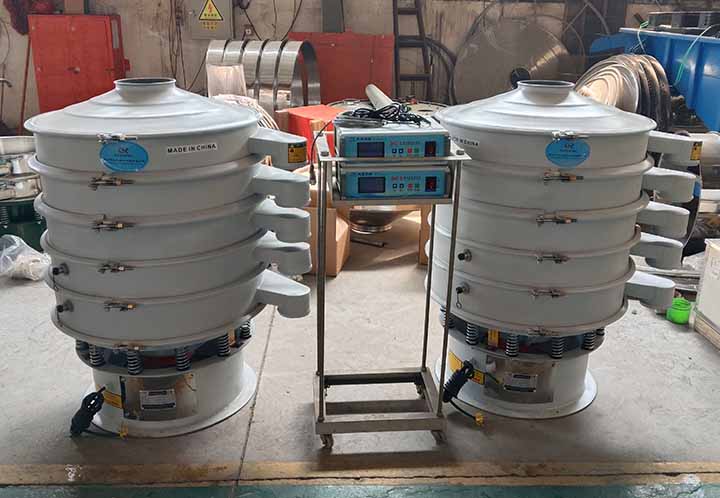
Factors affecting the price of Arbon steel vibrating screen
Carbon steel vibrating screen price is not fixed but determined by multiple factors. For example, the thickness of the vibrating screen; using 6mm steel plate differs in cost from using 10mm steel plate, as the latter can withstand higher vibration intensity. Single-layer screens are generally cheaper than multi-layer screens because each additional layer requires extra screen frames and seals. Motor configuration is also a crucial factor; well-known brand motors are more expensive but offer better stability and lifespan. Adding dustproof, explosion-proof, or sealing features directly impacts the final price. Higher levels of automation, such as adding control systems or frequency converters, will increase the overall cost.
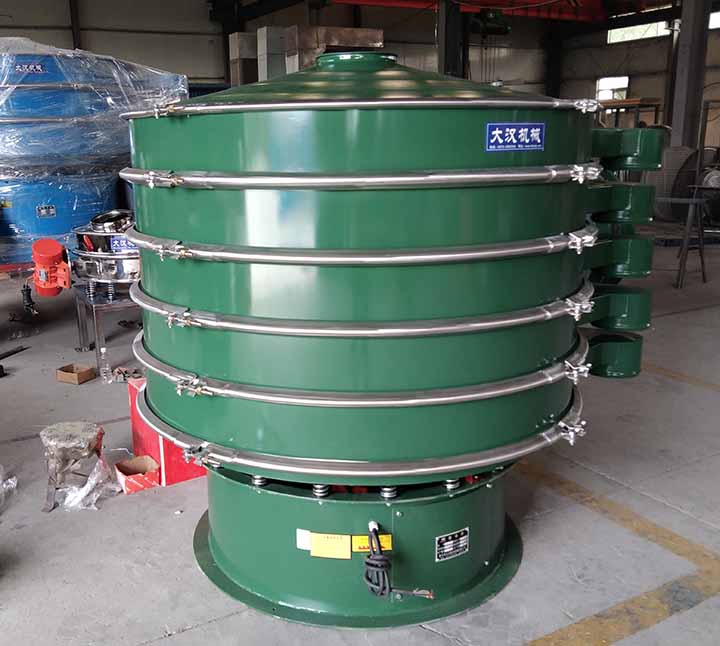
Customization Costs of Carbon Steel Vibrating Screens
In actual production, standard models sometimes struggle to meet complex conditions, leading to additional costs for customization. For example, adding gates, enlarging the feed inlet, or designing an inclined discharge outlet will increase the price of the carbon steel vibrating screen. Adding casters with brakes for easier workshop movement also increases the price. When materials are flammable or explosive, explosion-proof motors are required, which cost approximately $300 more than standard motors.
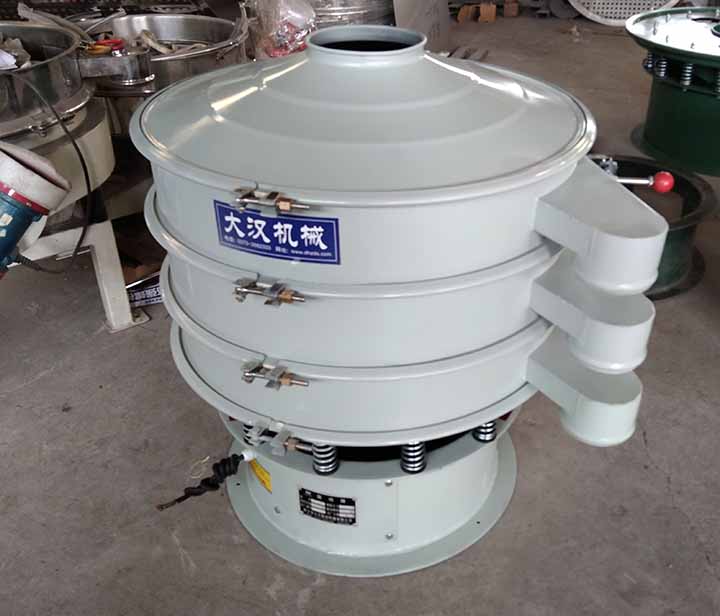
Recommended Models for Different Applications
In actual production, the appropriate carbon steel vibrating screen model should be selected based on industry characteristics. For screening materials after crushing in mines, linear vibrating screens are more suitable for continuous feeding environments. After entering the screen surface from the conveyor, the material moves in a fixed direction, making it suitable for production lines with large throughput. In powder processing workshops, such as for carbon powder or lightweight granule grading, the circular motion of a vibrating screen is more suitable for dispersing and screening materials, and localized accumulation on the screen surface is less likely to occur. For processing metal powders with a high concentration of fine powder, the ultrasonic structure reduces the frequency of screen clogging, keeping the screening channel clear during long-term operation, making it suitable for production lines with high requirements for screening stability.
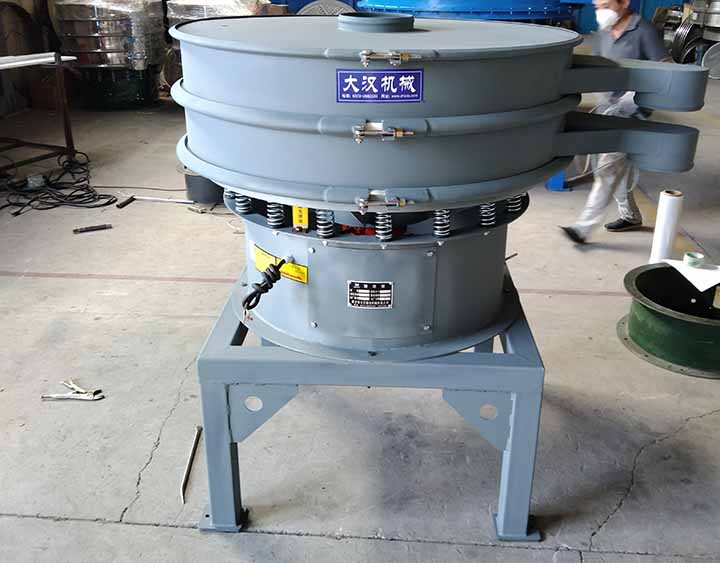
Carbon steel vibrating screen price varies depending on the structural form, screening conditions, and site configuration. Compared to stainless steel vibrating screens, carbon steel structures reduce costs by approximately 20%–40%. In actual selection, the equipment operating environment is often more important than price. For example, whether the material is prone to agglomeration, whether the production line is continuously feeding, and whether relocation is required all influence the final structural choice. If a more site-specific configuration is needed, providing the material type, output range, and screening mesh requirements can usually help match an equipment structure and price range that more closely reflects the actual operating conditions.
-
Centrifugal screening machine
Centrifugal screening machine is designed and produced for screening problems such as light materials...
-
Pharmaceutical excipient powder vibrating screen
Pharmaceutical excipient powder vibrating screen is a screening device designed to meet the special physical and chemical properties of...
-
TPU Polymer Powder Sieving Machine
TPU polymer powder sieving machine is a mechanical equipment specially used for particle size classification, impurity removal or particle...
-
Powder Sieve Machine Price
Powder Sieve Machine Price varies depending on the specifications, and the market quotation is usually between US$500 and US$8000...

Email:
sale@xxdahan.com
WhatsApp:
+86 15236742901
Add:
1000m West of Forest Park,Yanjin County,Xinxiang City,Henan Province,China.