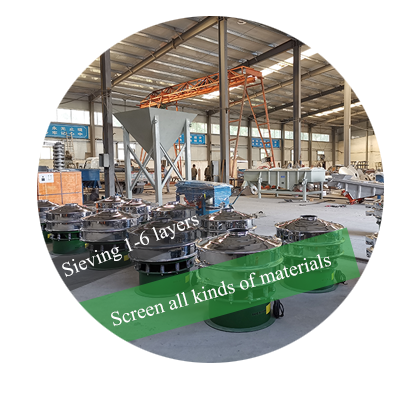
Compost Vibrating Screen
![[field:title/]](/uploads/allimg/260706/1-260F61A614609-lp.JPG)
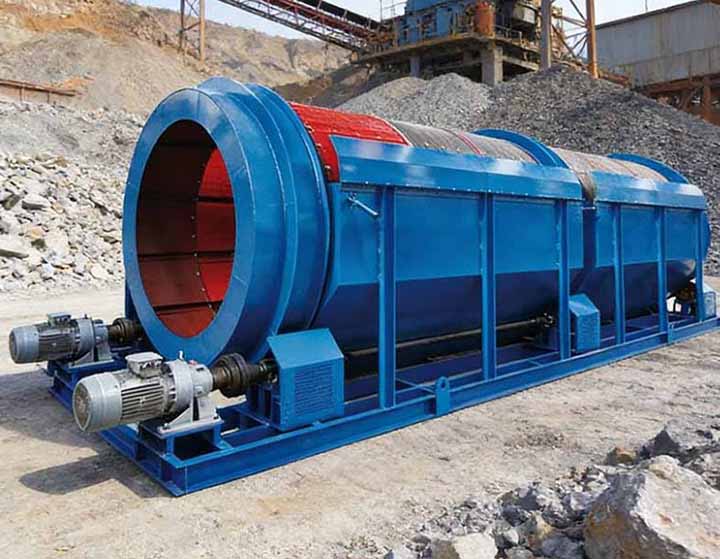
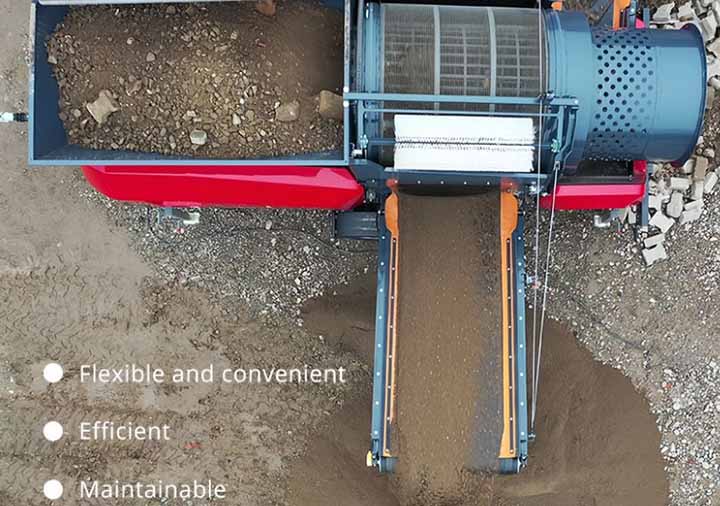
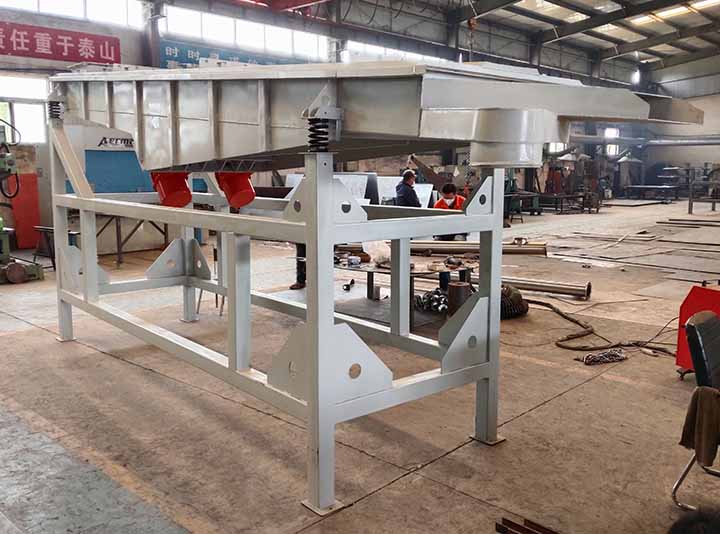
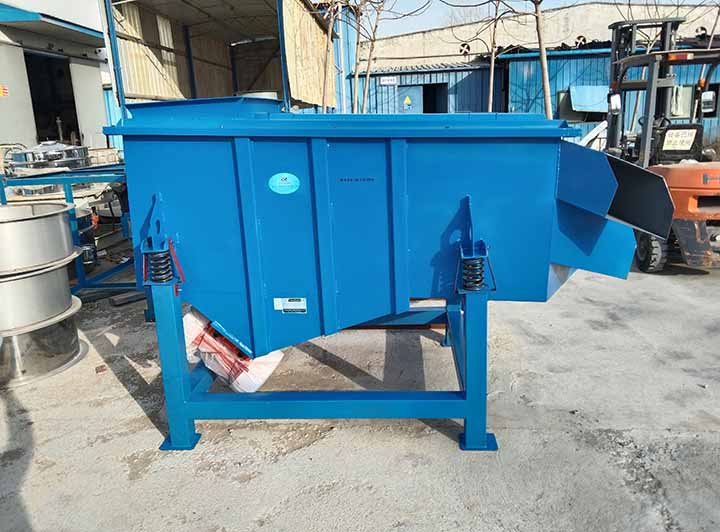
What Is a Compost Vibrating Screen?
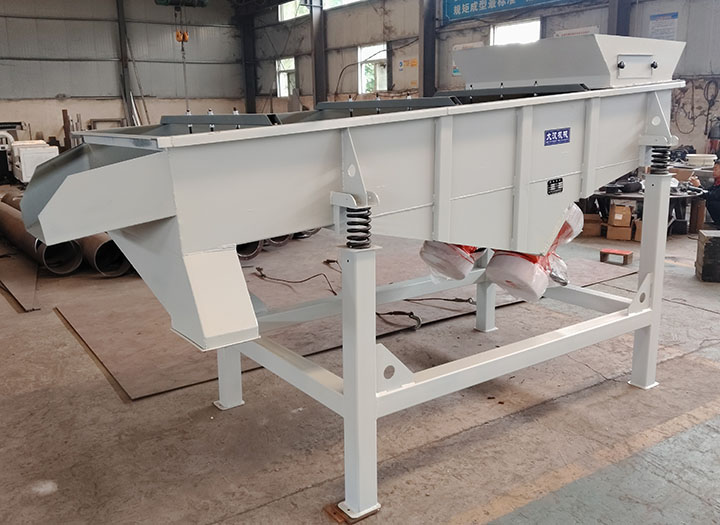
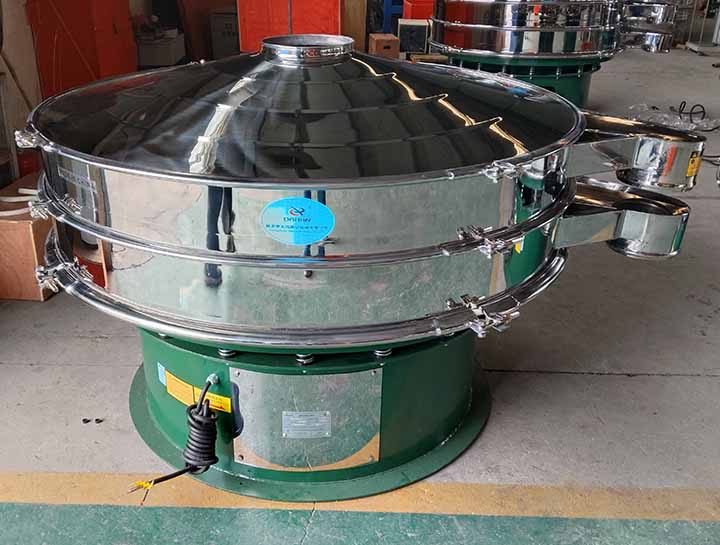
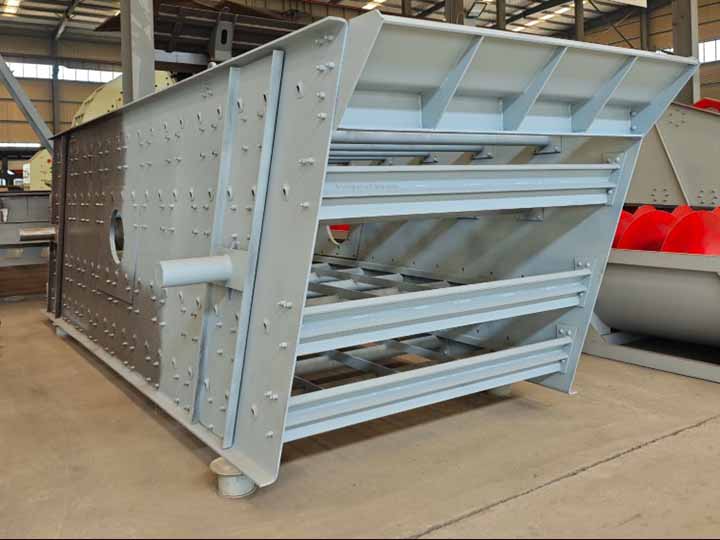
A compost vibrating screen is a screening machine used after the composting stage to separate finished compost from oversized materials. During composting, organic waste gradually changes into a stable material, but the finished pile often still contains wood chips, plant fibers, stones, plastic fragments, and other large particles. The vibrating screen sorts these materials by particle size, allowing qualified compost to move to the next production step while oversized material can be returned for further processing or discarded. It can be installed as a single machine or connected with a crusher, conveyor, and packing system to form a continuous production line.
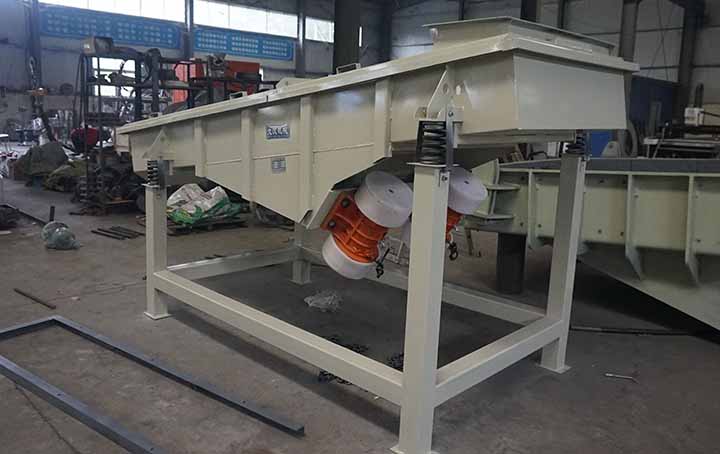
Different models are available for different production capacities, such as 5 t/h, 10 t/h, 20 t/h, or larger systems for commercial compost plants. According to screening requirements, the machine may use a single-deck or double-deck screen. The frame is commonly manufactured from carbon steel, while stainless steel is available for applications requiring corrosion resistance. Screen meshes can be woven wire, perforated plate, or polyurethane panels depending on the material characteristics and required particle size. Different mesh openings can also be selected to match the final compost product.
Why Compost Needs Screening After Composting
Finished compost is rarely uniform after fermentation. Large branches, straw, roots, plastic pieces, and compacted lumps often remain mixed with fine compost. If these materials enter the packaging stage, the appearance of the product becomes inconsistent, and the particle size may not meet customer requirements.
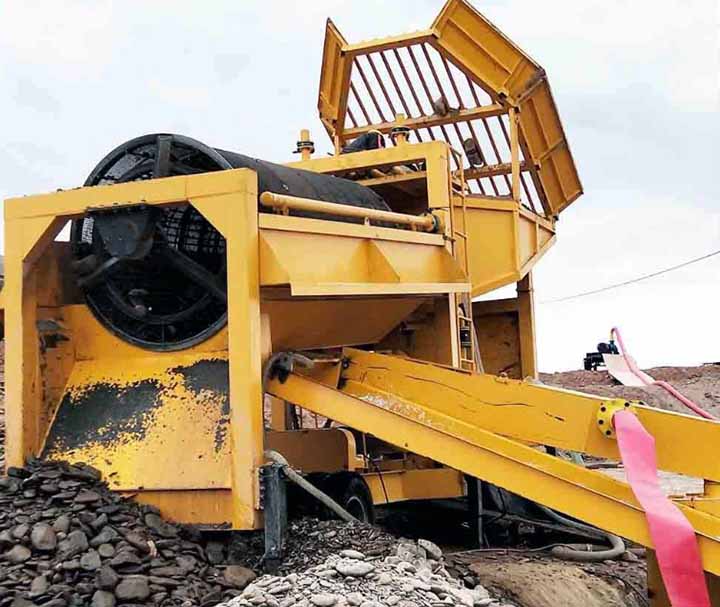
Screening separates oversized materials from finished compost before storage or bagging. The separated coarse material can be crushed and screened again or returned to the composting process. This step also makes it easier to produce compost with different particle sizes for agriculture, horticulture, landscaping, or soil improvement. As a result, one compost production line can supply products for different markets without changing the composting process itself.
What Happens Inside Compost During Screening?
When compost enters the vibrating screen, vibration spreads the material across the screen surface. Fine particles pass through the mesh, while oversized materials move to the discharge outlet. Screening performance is influenced by moisture content, particle size, fiber length, and feed rate. The process separates compost into different particle sizes without changing its nutrient content.
Compost Screening Process
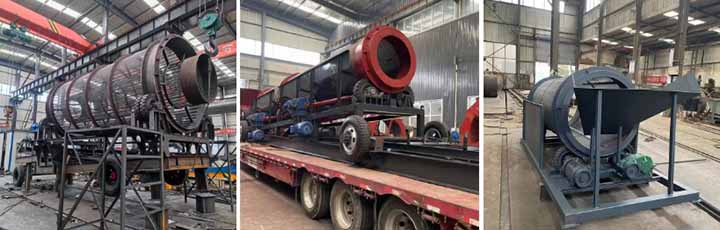
A compost vibrating screen is typically installed after the composting stage and, when required, after crushing. During production, organic waste is composted, optionally crushed, and then screened to separate qualified compost from oversized materials. Finished compost is sent to packing or bulk storage, while oversized particles are returned for further processing. Different particle sizes can be produced by replacing the screen mesh without changing the entire machine.
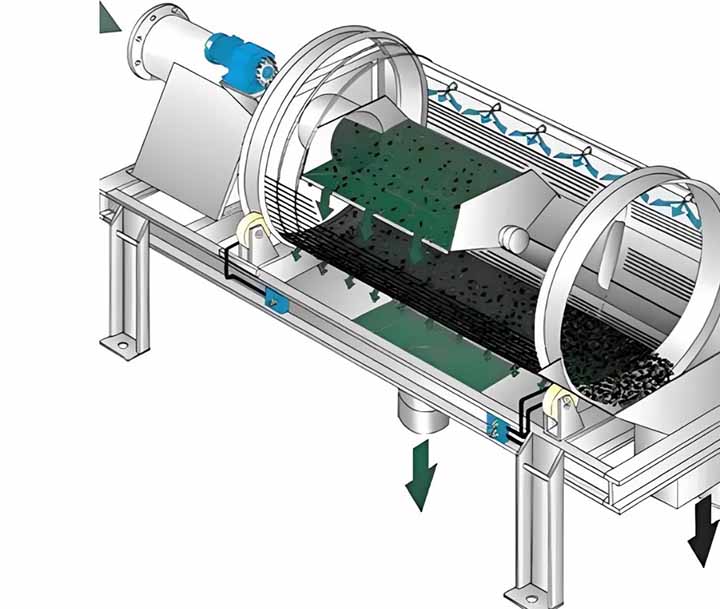
Vibrating Screen vs Compost Trommel
Both vibrating screens and compost trommels are used for compost screening, but they work in different ways.
| Item | Vibrating Screen | Compost Trommel |
| Screening Method | Linear or circular vibration | Rotating drum |
| Suitable Material | Fine compost and fertilizer | Rough compost and mixed waste |
| Particle Size Control | Fine particle separation | Medium particle separation |
| Floor Space | Smaller installation area | Larger installation area |
| Screen Replacement | Simple mesh replacement | Drum screen replacement |
| Material Movement | Vibrating motion | Rolling motion |
| Production Layout | Easy to connect with conveyors | Often used as a standalone unit |
A vibrating screen is often selected when the finished compost requires a relatively uniform particle size. A trommel is commonly chosen when raw compost contains large branches, roots, or bulky organic waste before further processing.
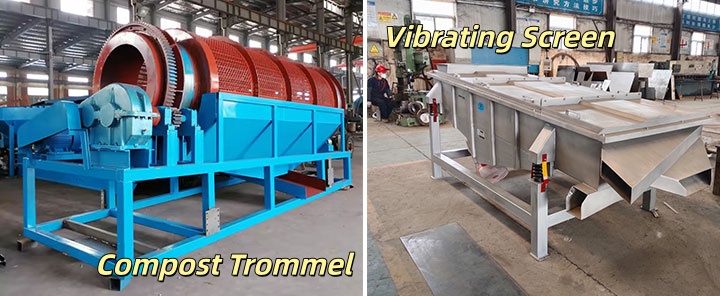
Which Compost Can Be Screened?
Different compost materials have different particle sizes, fiber content, and moisture levels. Choosing a suitable mesh opening helps produce a consistent finished product while reducing material accumulation on the screen surface.
| Compost | Recommended Mesh | Typical Moisture | Difficulty |
| Cow Manure Compost | 8–12 mm | 30–40% | Low |
| Chicken Manure Compost | 4–8 mm | 20–35% | Low |
| Pig Manure Compost | 6–10 mm | 30–45% | Medium |
| Horse Manure Compost | 10–15 mm | 30–45% | Medium |
| Green Waste Compost | 15–25 mm | 25–40% | Medium |
| Mushroom Compost | 3–6 mm | 25–35% | Low |
| Food Waste Compost | 10–20 mm | 35–50% | High |
| Municipal Organic Compost | 10–20 mm | 30–45% | High |
When screening compost with long fibers or high moisture, adjusting the feed rate and selecting a suitable screen opening can help maintain a stable material flow.
How to Choose the Right Mesh Size?
Mesh size should be selected according to the required particle size of the finished product rather than using one standard opening for every application.
| Compost | Recommended Mesh | Typical Moisture | Difficulty |
| Cow Manure Compost | 8–12 mm | 30–40% | Low |
| Chicken Manure Compost | 4–8 mm | 20–35% | Low |
| Pig Manure Compost | 6–10 mm | 30–45% | Medium |
| Horse Manure Compost | 10–15 mm | 30–45% | Medium |
| Green Waste Compost | 15–25 mm | 25–40% | Medium |
| Mushroom Compost | 3–6 mm | 25–35% | Low |
| Food Waste Compost | 10–20 mm | 35–50% | High |
| Municipal Organic Compost | 10–20 mm | 30–45% | High |
If several finished products are required, replacing the screen mesh allows the same machine to produce different particle sizes without changing the production line.
Common Compost Screening Problems
Common issues during compost screening include screen blocking, uneven particle size, low material throughput, and screen wear. Wet compost and long fibers may accumulate on the screen surface, while damaged mesh, unsuitable mesh openings, or excessive feed volume can result in oversized particles entering the finished product. Low throughput is often related to uneven feeding, high moisture content, or an improper screen angle. In addition, abrasive materials such as sand and small stones gradually wear the screen mesh, making regular inspection and timely replacement part of routine maintenance.
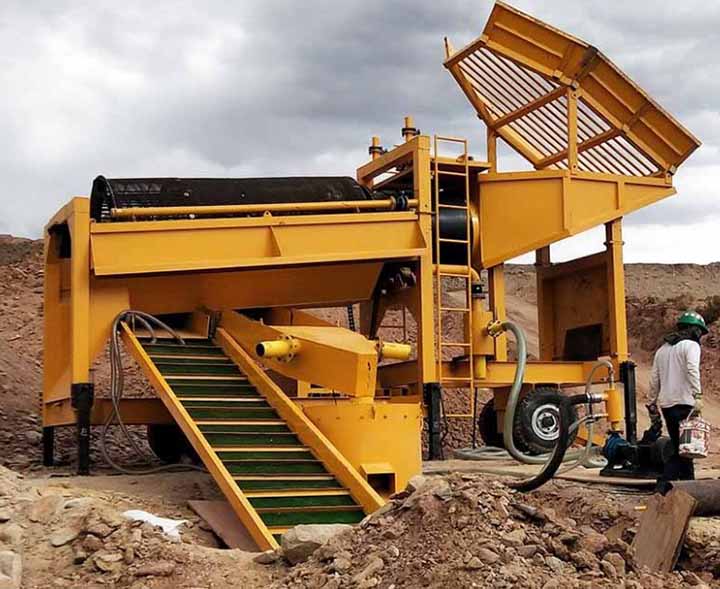
Typical Applications
Compost vibrating screens are installed in many types of compost production lines.
| Application | Typical Capacity |
| Cow Manure Compost Plant | 5–15 t/h |
| Chicken Manure Fertilizer Plant | 5–20 t/h |
| Municipal Compost Facility | 20–50 t/h |
| Green Waste Recycling Plant | 10–30 t/h |
| Mushroom Compost Processing | 5–10 t/h |
| Garden Waste Composting Center | 10–25 t/h |
The equipment can also be connected with conveyors, crushers, mixers, storage bins, and packing machines to form a continuous screening process.
FAQ
What is the purpose of a compost vibrating screen?
It separates finished compost from oversized materials after composting, producing compost with a more consistent particle size for storage, packing, or further processing.
Can wet compost be screened?
Yes. Compost with moderate moisture can be screened, although material containing long fibers or excessive moisture may reduce material flow. Feed rate and mesh size should be adjusted according to the compost condition.
What mesh size is commonly used?
Many compost producers use mesh openings between 5 mm and 15 mm. The suitable size depends on the required finished product and the compost material.
What is the difference between a vibrating screen and a compost trommel?
A vibrating screen separates particles through vibration, while a trommel uses a rotating drum. The choice depends on particle size, compost condition, available installation space, and production requirements.
How much does a compost vibrating screen cost?
The price varies according to screening capacity, screen dimensions, number of screen decks, construction material, and optional equipment. Small models are generally less expensive than systems designed for continuous industrial production. When requesting a quotation, it is helpful to provide the compost type, required capacity, moisture content, and preferred mesh size so that a suitable model can be selected.
Can one machine use different screen meshes?
Yes. Many models allow the screen mesh to be replaced when different particle sizes are required, making the equipment suitable for producing several grades of compost.
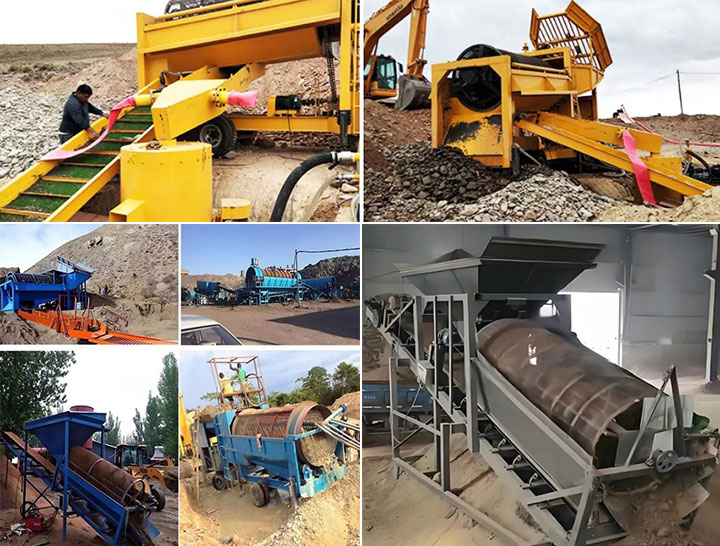
A compost vibrating screen is an important part of the compost finishing process. It separates fine compost from oversized materials, helping produce compost with a consistent particle size for different applications. Selecting a suitable screen mesh, matching the machine capacity to production requirements, and considering the moisture content of the compost all contribute to stable operation. Before choosing a model, it is helpful to compare compost type, required output, particle size, and installation layout so the screening system matches the production line.
-
Fine iron powder Sieving Machine
Fine iron powder Sieving Machine can process fine iron of varying mesh sizes. Four common types of equipment are used depending on...
-
Atomized Iron Powder Vibrating Screening Machine
Atomized iron powder vibrating screening machine is a type of equipment used to separate and classify atomized iron powder...
-
Coconut shell linear vibrating screen
Coconut shell linear vibrating screen is designed to solve the problem of coconut shell screening...
-
Centrifugal screening machine
Centrifugal screening machine is designed and produced for screening problems such as light materials...

Email:
sale@xxdahan.com
WhatsApp:
+86 15236742901
Add:
1000m West of Forest Park,Yanjin County,Xinxiang City,Henan Province,China.