Brass Test Sieve
Callback
| Diameter: | 75, 100, 200, 300 mm |
| Mesh Aperture: | Various sizes available |
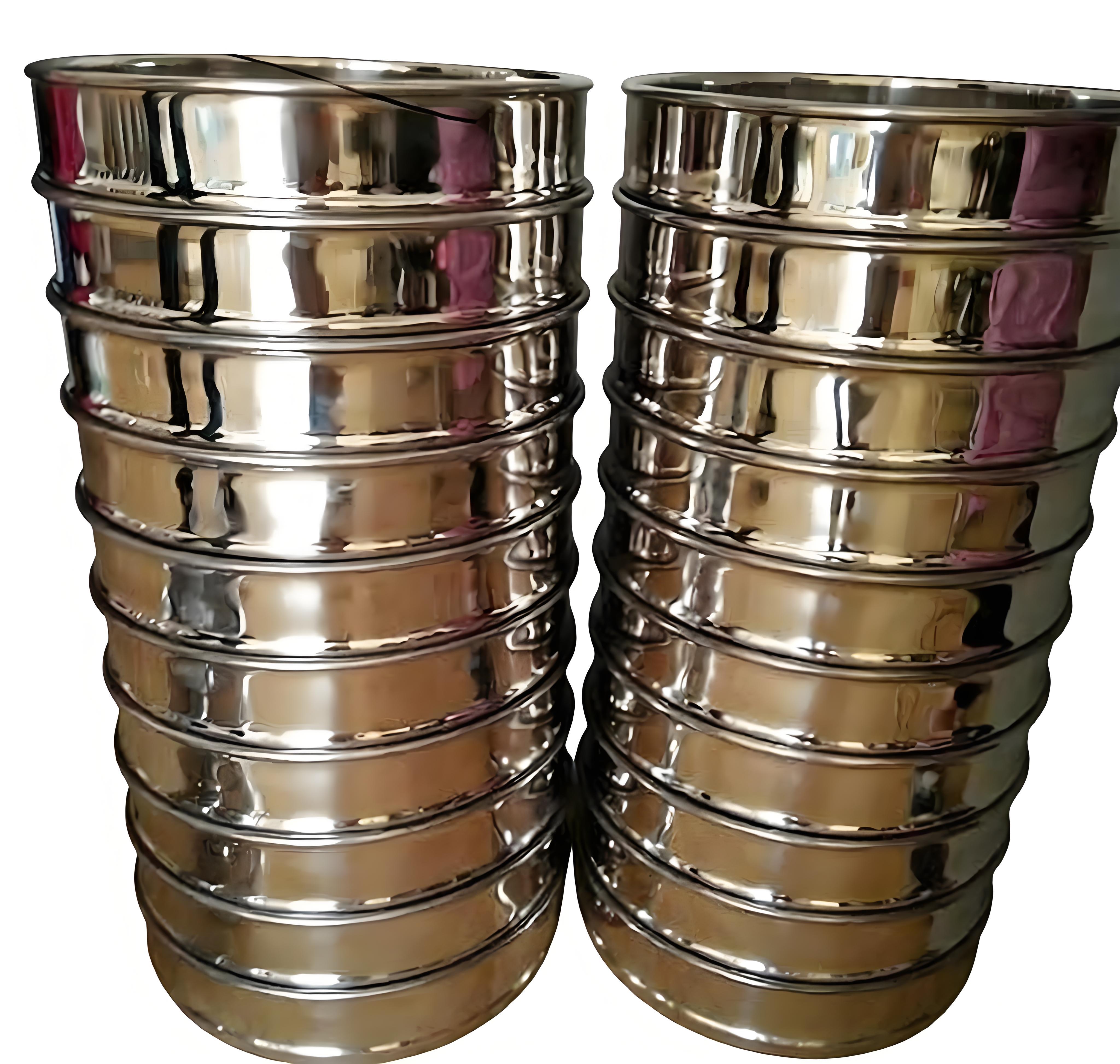
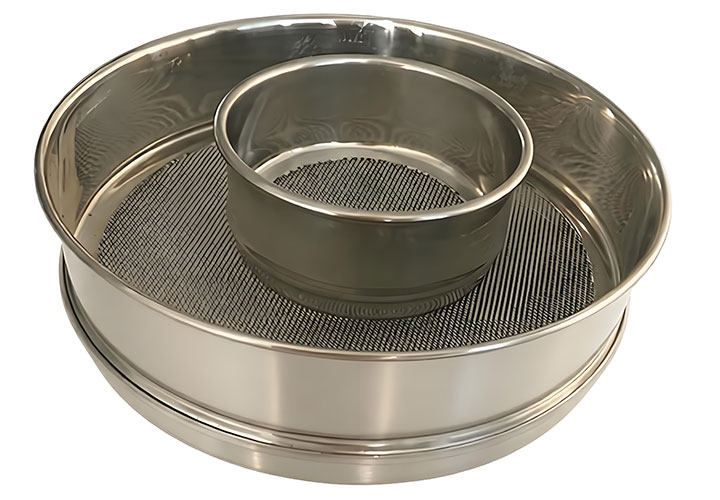
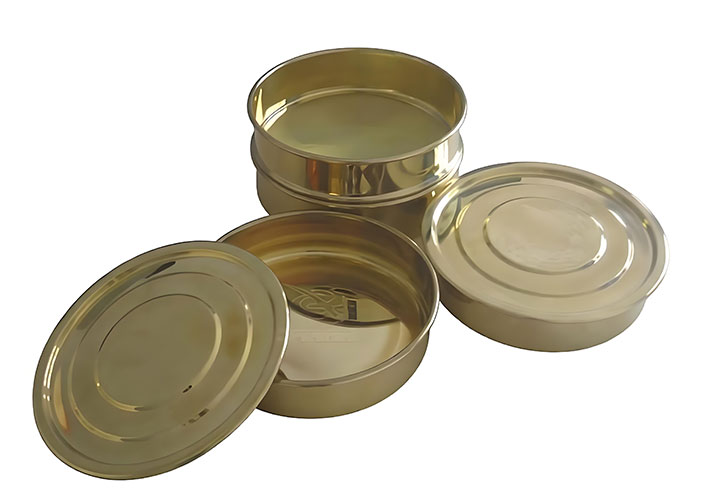
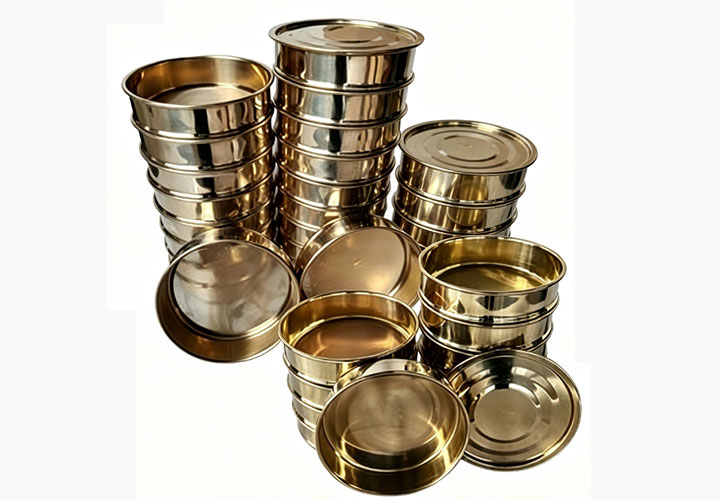
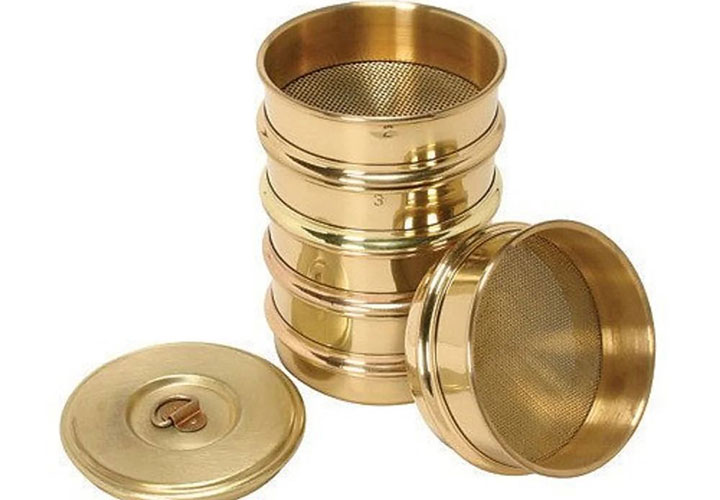
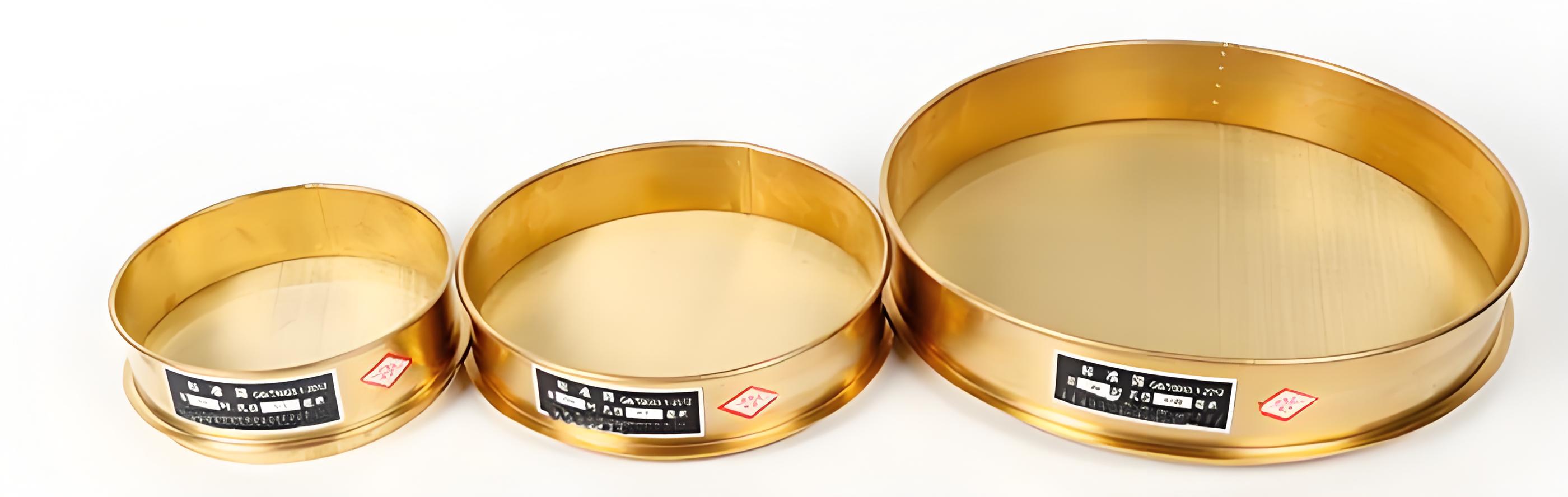
Brass frame with square woven wire mesh for laboratory particle size analysis and material grading.
ASTM E11 or ISO 3310-1 options available when applicable.
Custom options include frame height, mesh aperture and marking.
A brass test sieve is a laboratory screening tool used for particle size analysis, material grading, and quality control of powders and granular materials. It consists of a metal frame and woven wire mesh with defined nominal apertures for separating particles into different size fractions.Dahan supplies brass test sieves in different diameters, mesh sizes, aperture sizes, and configurations. Custom specifications can be provided according to the required testing method and application.
Brass Test Sieve Specifications
For standardized testing, aperture, tolerance, diameter, and construction should be specified according to the applicable sieve standard, such as ASTM E11 or ISO 3310-1.
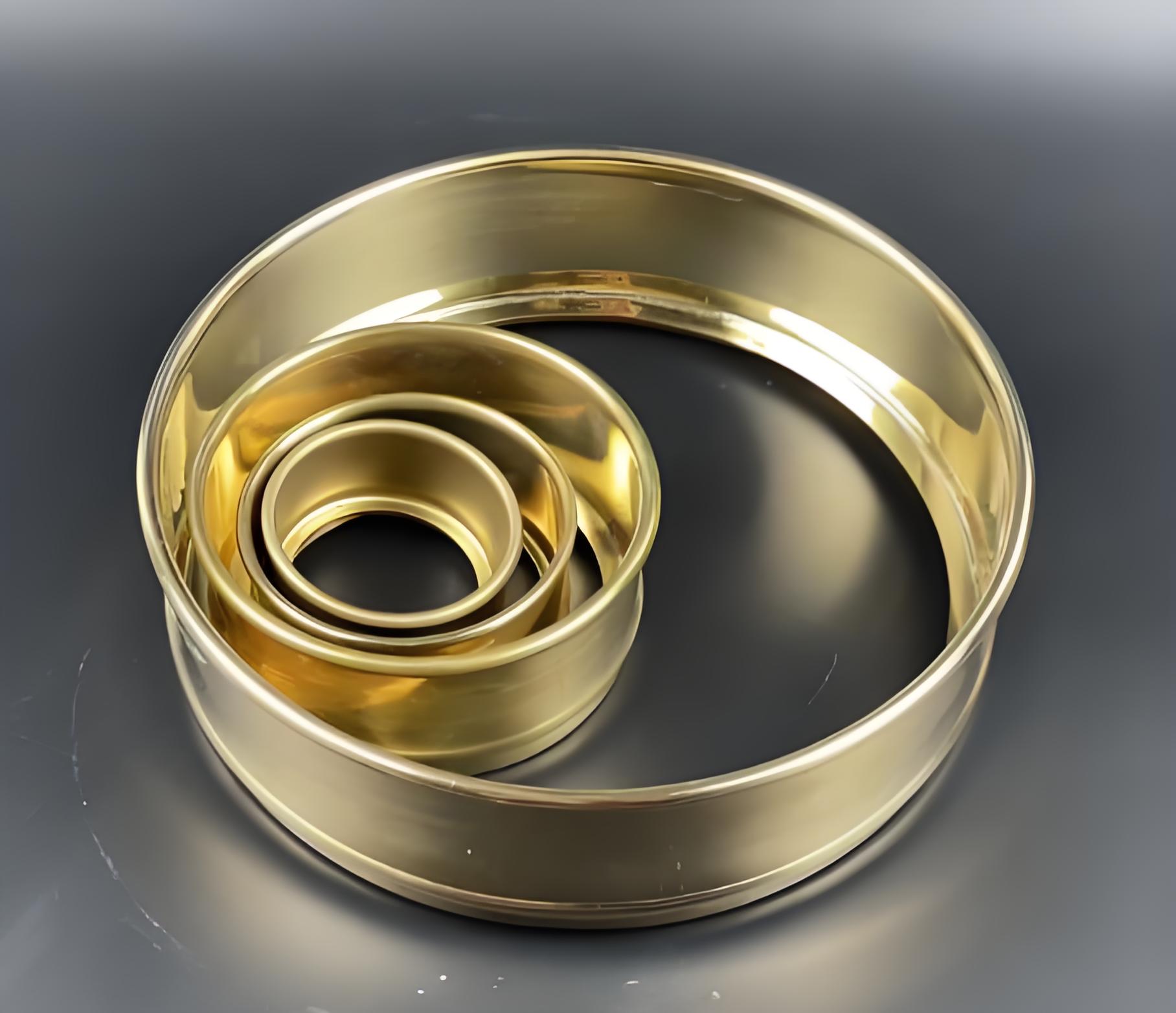
The required sieve configuration depends on sample quantity, target particle size, testing standard, and compatible laboratory equipment. Common laboratory diameters include 75 mm, 100 mm, 200 mm, and 300 mm, with other dimensions available according to requirements.
| Specification | Available Options |
|---|---|
| Frame Material | Brass |
| Mesh Material | Brass wire mesh or specified mesh material |
| Common Diameter | 75, 100, 200, 300 mm |
| Aperture Size | Selected according to testing requirements |
| Mesh Size | Various mesh sizes available |
| Frame Height | Standard or customized |
| Mesh Type | Square woven wire mesh |
| Application | Particle size analysis, grading, quality control |
| Standard | ASTM E11 or ISO 3310-1 when applicable |
| Customization | Diameter, mesh, aperture, frame and marking |
What Is a Brass Test Sieve?
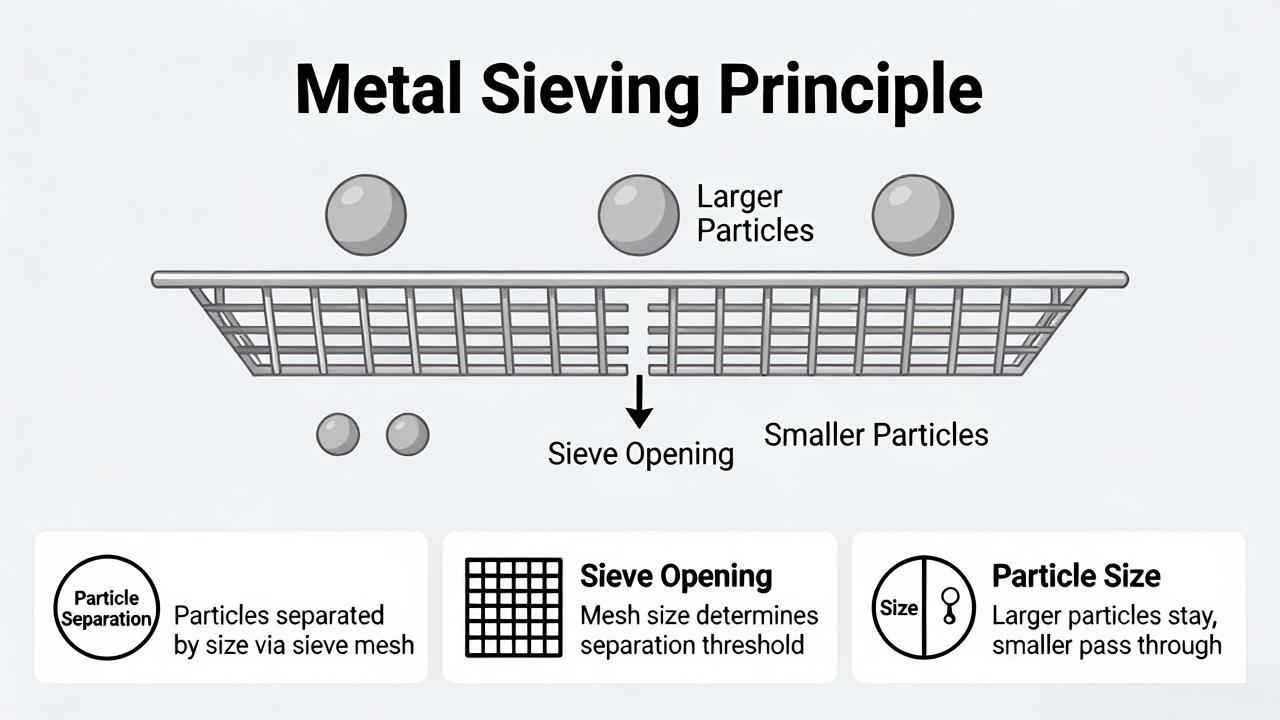
A brass test sieve consists of a metal frame and woven wire mesh with defined nominal apertures. During sieving, particles smaller than the selected aperture pass through the mesh, while larger particles are retained.Depending on the product configuration, brass may be used for the frame, wire mesh, or both.
Why Choose Brass for a Test Sieve?
Brass is a copper-zinc alloy that provides a non-ferrous option for laboratory sieve construction. It offers good ductility and machinability and can be used for sieve frames and woven wire mesh.Material suitability depends on chemical exposure, abrasion, cleaning conditions, testing frequency, and expected service life. The appropriate sieve material should be selected according to the actual testing environment.
Particle Size Analysis with a Brass Test Sieve
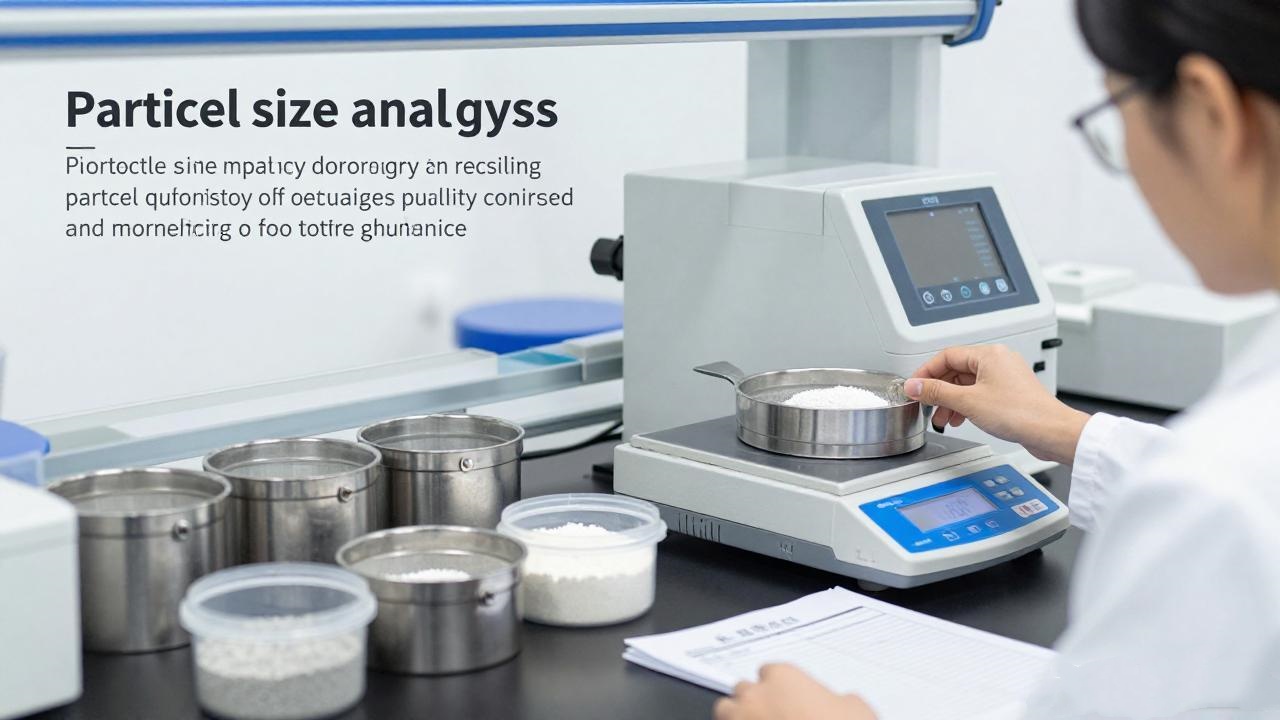
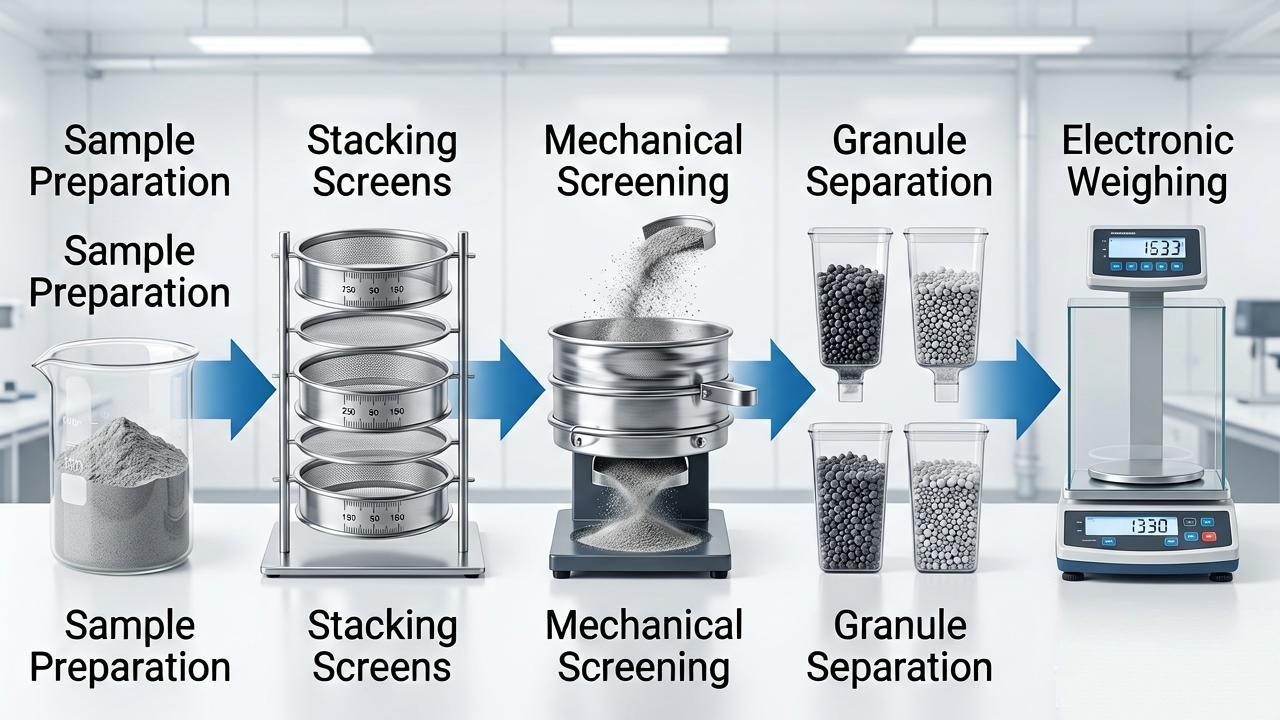
Particle size analysis determines the distribution of powders and granular materials across different size ranges. A representative sample is sieved through one or more selected apertures, and the retained material is measured or weighed to evaluate particle-size distribution.The aperture sequence should match the required particle-size range and testing method.
Brass Test Sieve Sizes, Mesh and Aperture Options
Mesh number and aperture size should not be treated as interchangeable terms. Mesh designation can vary between sieve systems, while aperture refers to the nominal opening of the wire cloth.For precise particle-size analysis, the required aperture should be specified in micrometers or millimeters together with the applicable sieve standard.
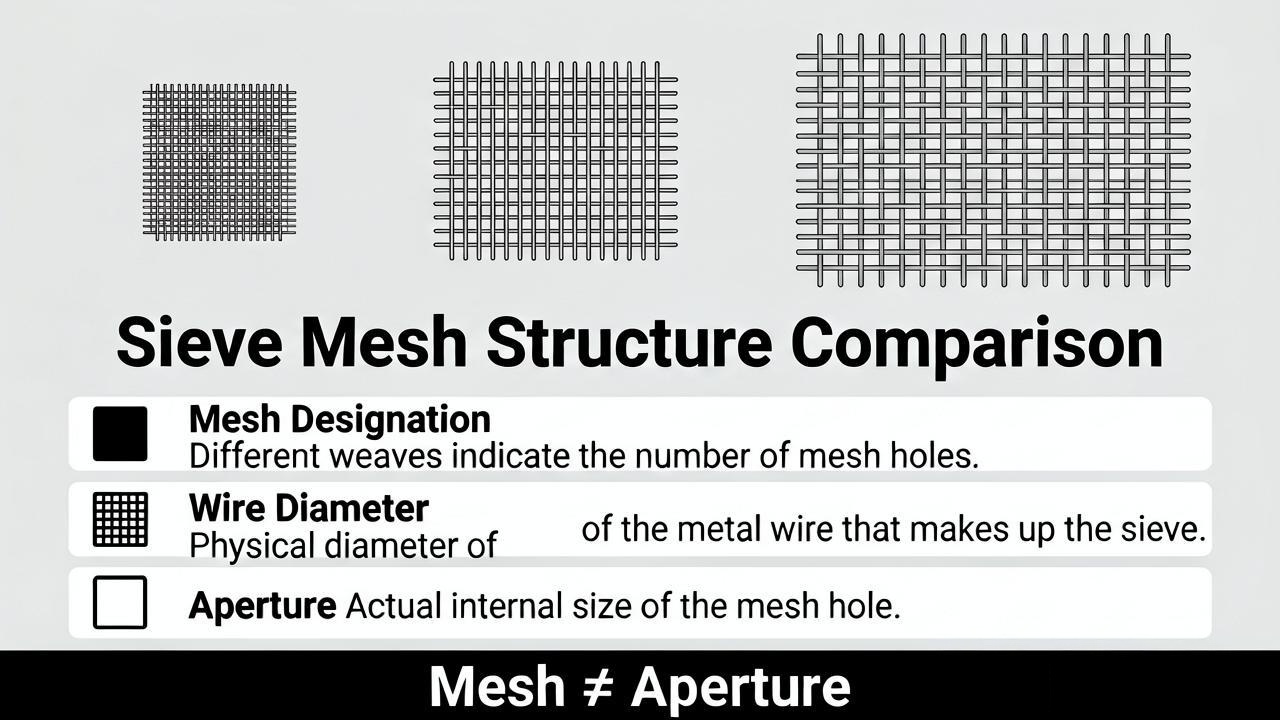
Commonly specified apertures include 850 μm, 425 μm, 250 μm, 150 μm, 75 μm, and 45 μm. These values are examples of nominal apertures rather than universal mesh conversions. Specific mesh designations should be confirmed against the applicable standard.
Brass Test Sieve Applications
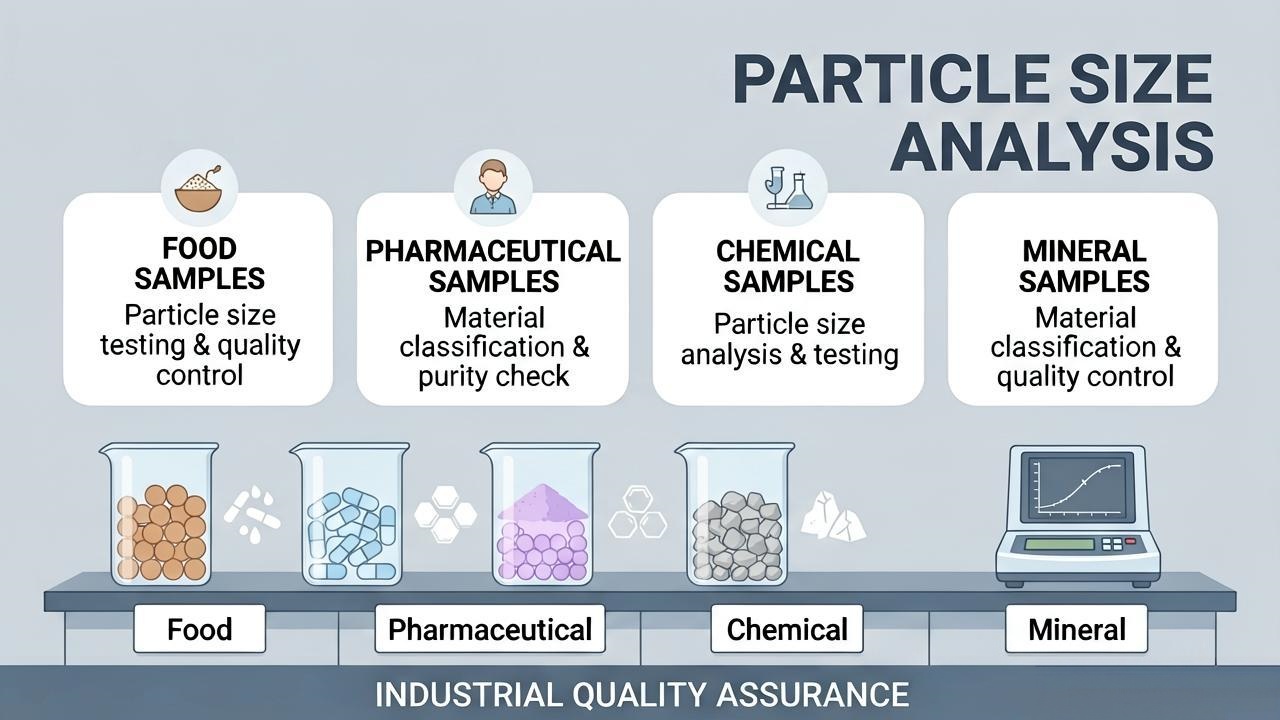
Food and Agricultural Materials: Flour, grain, starch, powdered ingredients, and other granular materials can be evaluated by particle size.
Pharmaceutical Materials: Powders, granules, and raw materials can be tested when particle-size control is part of the laboratory procedure.
Chemical Materials: Powders, crystals, and granular materials can be classified according to particle size when the sample is compatible with brass.
Mineral and Construction Materials: Sand, soil, mineral powders, aggregates, and other granular materials can be separated into different size fractions for testing and quality control.
Research and Laboratory Testing: Sieve analysis can be used to compare particle-size distributions between raw materials, production batches, or experimental samples.
Brass Test Sieve vs Stainless Steel Test Sieve
Brass can be suitable when its material characteristics match the testing environment, while stainless steel may be preferred for abrasive materials, aggressive cleaning conditions, or applications requiring higher corrosion and abrasion resistance.
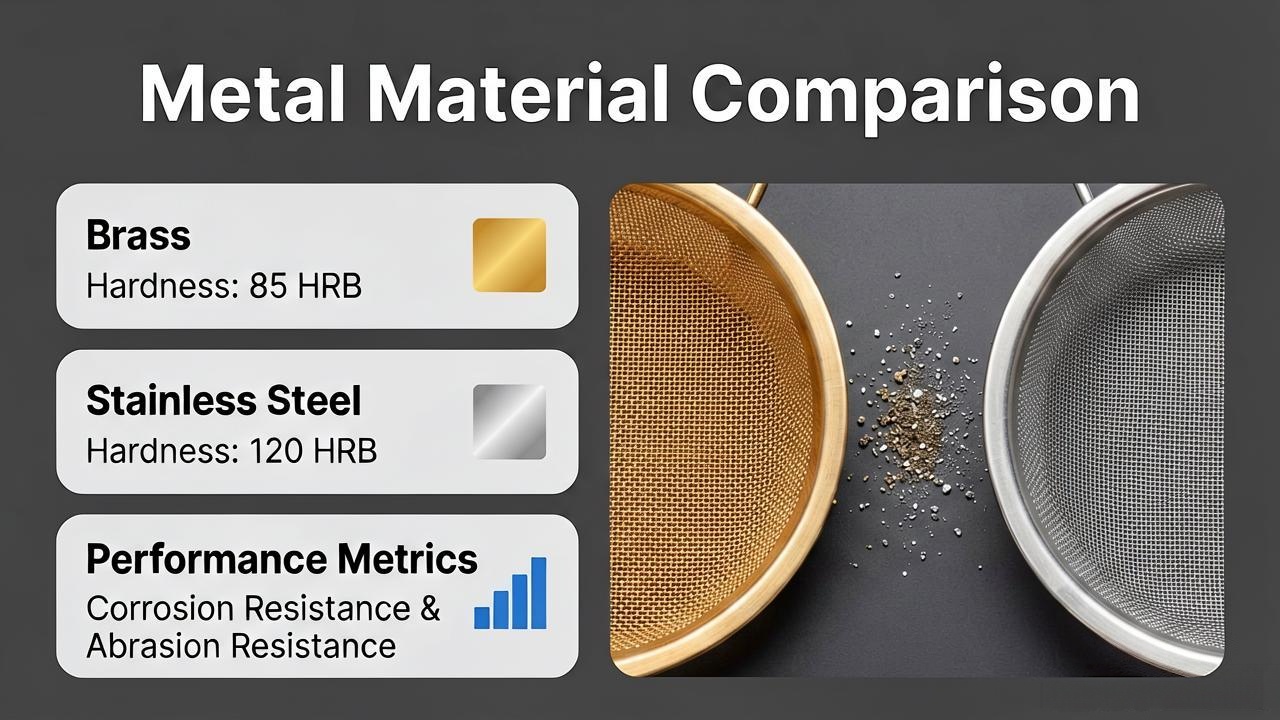
Brass and stainless steel are both used for laboratory sieve construction. The better choice depends on the sample, cleaning conditions, testing frequency, and required service life.
| Factor | Brass | Stainless Steel |
|---|---|---|
| Material Type | Copper-zinc alloy | Iron-based alloy |
| Construction | Brass frame and/or mesh | Stainless steel frame and/or mesh |
| Corrosion Resistance | Application dependent | Generally higher |
| Abrasion Resistance | Moderate | Generally higher |
| Hardness | Lower | Higher |
| Non-Ferrous Construction | Yes | No |
| Demanding Applications | Application dependent | Often preferred |
How to Choose a Brass Test Sieve
Diameter: Select the diameter according to sample quantity and compatible laboratory equipment.
Aperture and Mesh: Specify the required nominal aperture and applicable mesh designation according to the testing standard.
Material: Confirm that brass is compatible with the sample, cleaning chemicals, and operating environment.
Standard: Confirm ASTM, ISO, or other applicable requirements for aperture tolerance, diameter, frame dimensions, and construction.
Manufacturing and Quality Control
Dahan manufactures laboratory sieves with attention to frame dimensions, mesh installation, aperture consistency, and overall construction. Inspection can include frame dimensions and mesh openings to support consistent sieve performance.
Custom configurations can include sieve diameter, aperture or mesh, frame height, and marking. Providing the required diameter, aperture, material, standard, quantity, and application helps ensure that the sieve matches the intended test.
Frequently Asked Questions
What is a Brass Test Sieve used for?
It is used to separate powders and granular materials according to particle size. Common applications include particle-size analysis, material grading, laboratory research, and quality control.
What diameters are available?
Common diameters include 75, 100, 200, and 300 mm. Other configurations may be available according to the required equipment and application.
What mesh sizes are available?
Different mesh sizes and nominal apertures are available according to the required particle-size range and testing standard.
Can a Brass Test Sieve meet ASTM E11 requirements?
Brass material alone does not automatically mean ASTM E11 compliance. When ASTM E11 is required, the sieve configuration, nominal aperture, tolerances, diameter, frame dimensions, and applicable construction requirements should be specified and verified accordingly.
Is brass better than stainless steel?
Neither material is universally better. Brass can be suitable for compatible laboratory applications, while stainless steel may be preferable for abrasive, corrosive, or demanding environments.
Can the sieve be customized?
Yes. Diameter, aperture, mesh, frame configuration, marking, and other requirements can be customized according to the intended application.
Request a Brass Test Sieve Quote
Selecting a laboratory sieve requires consideration of diameter, nominal aperture, material, testing standard, and sample characteristics.Dahan can provide brass laboratory sieves with different specifications and customized configurations. Provide the required diameter, mesh or aperture, applicable standard, quantity, and application when requesting a quotation.
-
Can You Use Standard Test Sieves for Wet Screening? Best Practices
Yes, standard test sieves can be used for wet screening in suitable applications, but the setup depends on the material ...
-
How to Choose the Right ASTM E11 Test Sieve Size and Mesh?
Choosing the right test sieve is not simply a matter of selecting a mesh number ...
-
How to Clean and Maintain Stainless Steel Laboratory Test Sieves?
Stainless steel laboratory test sieves are precision tools used for particle size analysis ...

Email:
sale@xxdahan.com
WhatsApp:
+86 15236742901
Add:
1000m West of Forest Park,Yanjin County,Xinxiang City,Henan Province,China.