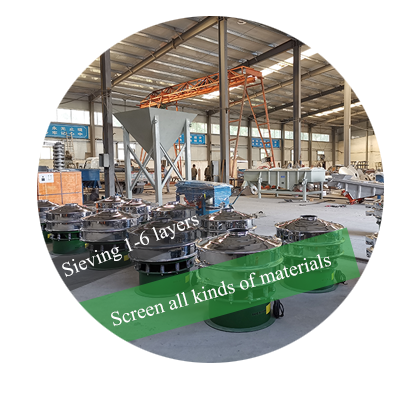
Why Does Fine Powder Clog the Mesh and How Ultrasonic Technology Solves It?
Fine powder screening can become difficult when particles stick to the mesh, lodge in apertures, or build up on the screen surface. Why Does Fine Powder Clog the Mesh and How Ultrasonic Technology Solves It? The answer involves more than particle size. Particle shape, moisture, cohesion, electrostatic charge, mesh opening, feed rate, and operating conditions can all contribute to mesh blinding.
For difficult fine-powder applications, identifying the actual cause of blockage is the first step toward choosing an appropriate screening method.
Why Does Fine Powder Clog the Mesh?
Fine powder can block a mesh through several mechanisms, including particle plugging, electrostatic adhesion, moisture-related cohesion, and irregular particle shape.
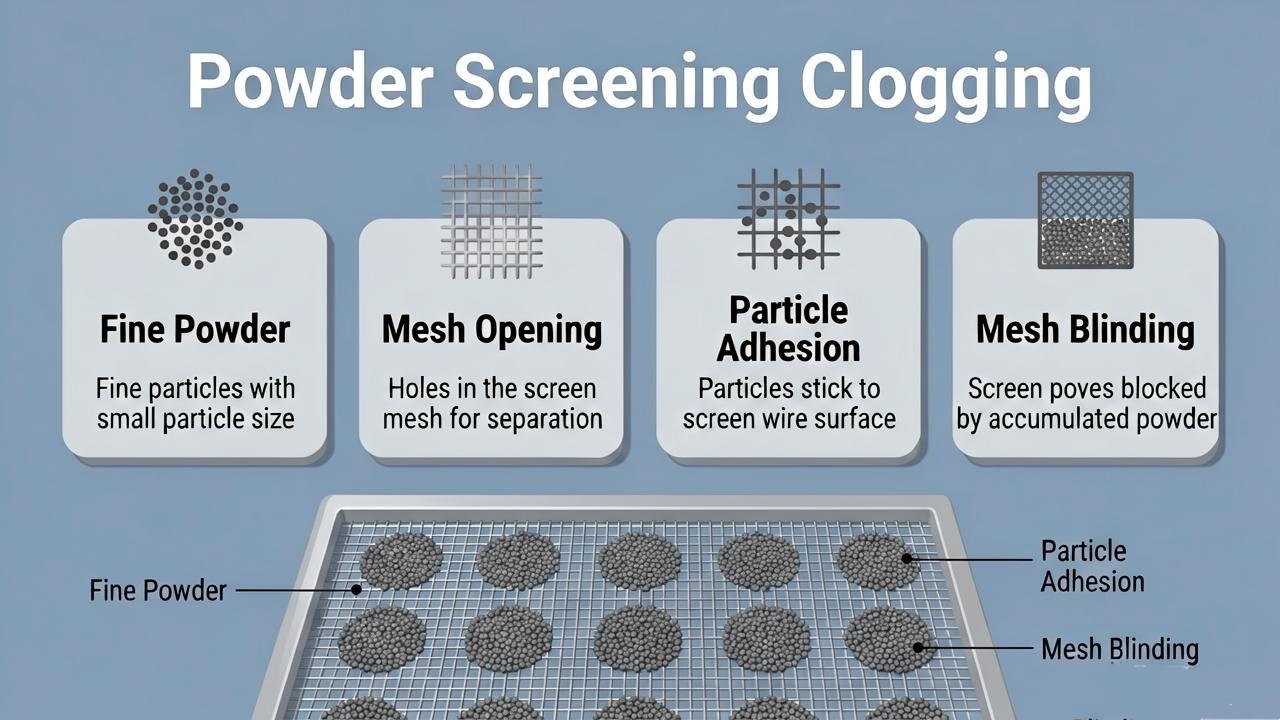
Detailed Causes of Fine Powder Mesh Clogging
Very Small Particle Size: Fine particles have a large surface area relative to their mass. When particles are close to the size of the mesh opening, some may become lodged in the apertures instead of passing through.As openings become blocked, less usable screening area remains and material passage can become less stable.
Electrostatic Adhesion: Dry fine powders can develop electrostatic charge during handling and movement. Charged particles may adhere to screen wires instead of passing through the openings.As powder accumulates on the mesh, surface blinding can gradually develop.
Moisture and Cohesion: Moisture can increase the cohesive behavior of some powders. Particles may stick together and form agglomerates that are larger than the original particles and cannot pass through the required opening.
Irregular Particle Shape: Angular or irregular particles can interact differently with the mesh than rounded particles. A particle close to the aperture size may become wedged in the opening and contribute to mechanical plugging.
What Is Mesh Blinding in Fine Powder Screening?
Mesh blinding occurs when particles partially or completely obstruct screen openings, reducing the effective area available for separation.
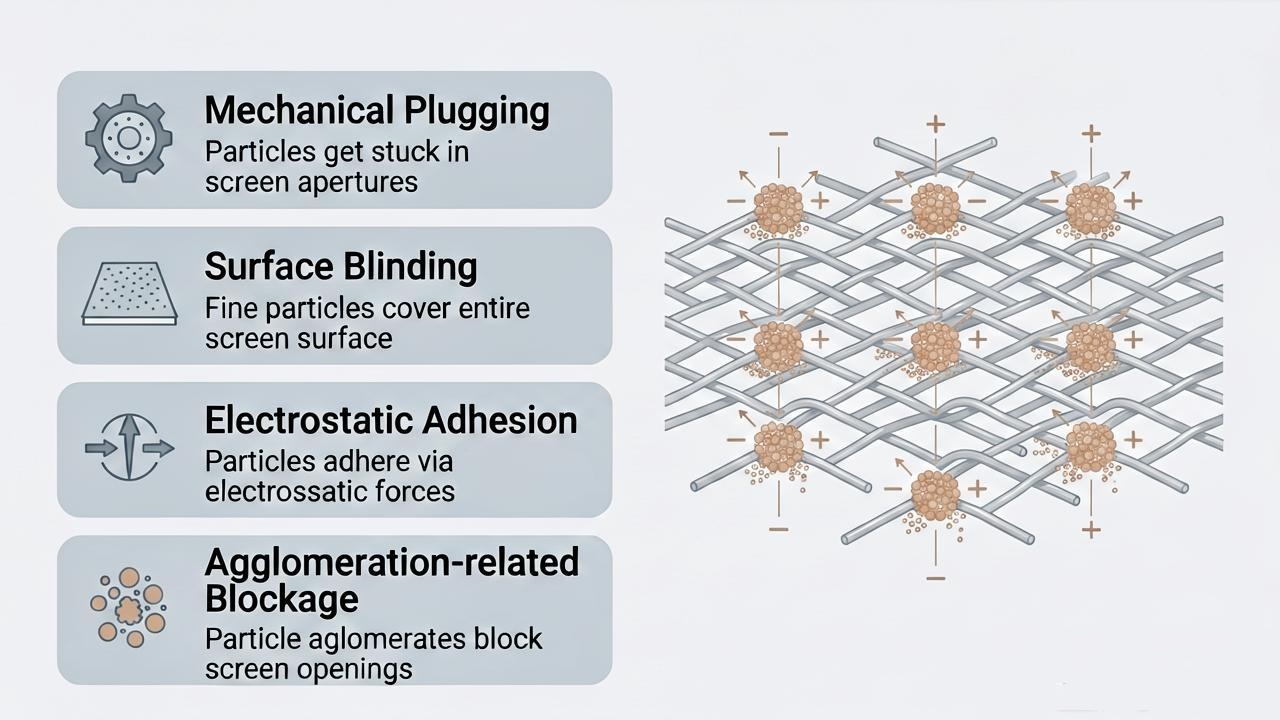
Types of Mesh Blinding
Mechanical plugging: Near-size particles become lodged in individual apertures.
Surface blinding: Fine powder forms a layer over the mesh.
Electrostatic adhesion: Charged particles remain attached to screen wires or deposited material.
Agglomeration-related blockage: Fine particles form larger clusters that cannot pass through the required opening.
These mechanisms can produce similar symptoms, but the underlying causes may be different. This is why Why Does Fine Powder Clog the Mesh and How Ultrasonic Technology Solves It? should be considered together with the actual screening conditions.
What Factors Make Fine Powder More Likely to Blind the Mesh?
The risk of mesh blinding depends mainly on material properties, mesh characteristics, and operating conditions.
Material, Mesh and Operating FactorsMaterial Factors: Particle size distribution, shape, moisture content, cohesion, density, and electrostatic behavior all affect how powder interacts with the mesh.
Mesh Factors: Mesh opening and wire diameter influence particle-to-mesh interaction. Fine openings can provide precise separation but may also be more sensitive to blockage when the material is difficult to screen.Mesh condition and tension should also be checked when screening performance becomes unstable.
Operating Factors: Feed rate and material distribution can have a major effect. Excessive loading can create a thick powder layer, while uneven feeding can cause localized accumulation.
How to Identify the Likely Cause of Mesh Blinding?
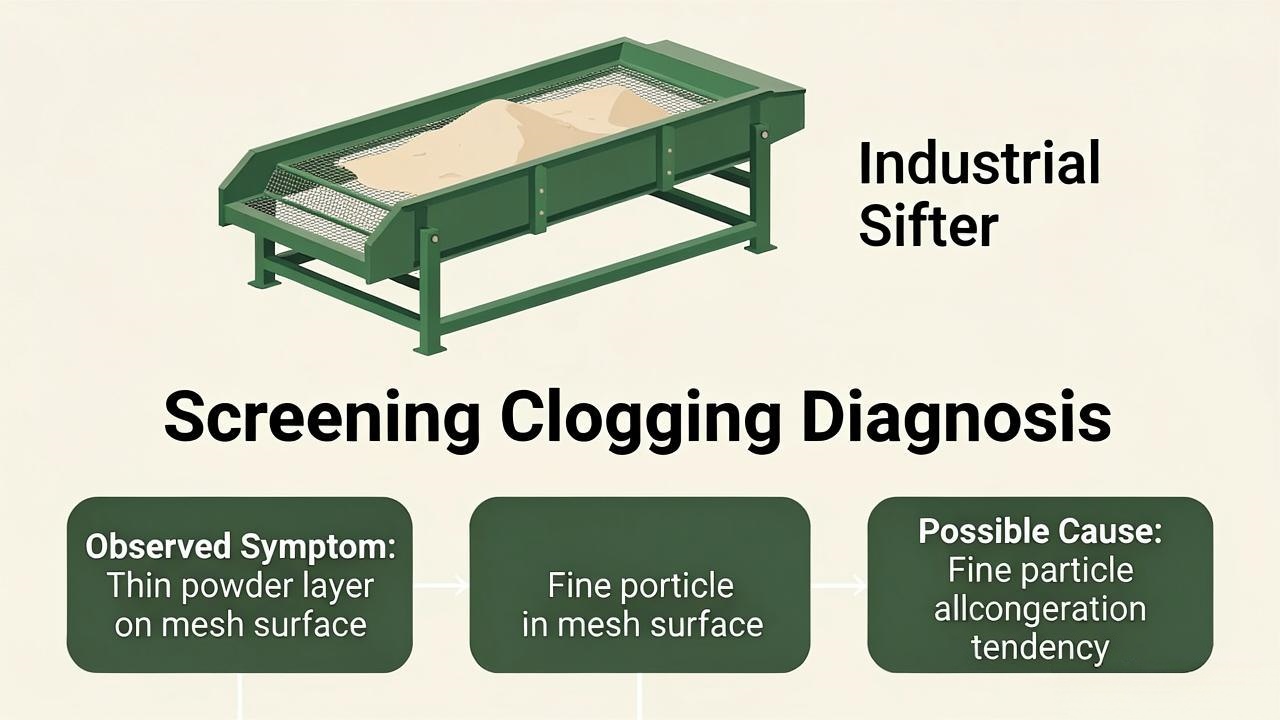
Individual apertures are blocked: Near-size particle plugging may be the main problem.
A thin layer covers the mesh: Adhesion, static charge, or moisture may be contributing.
Soft lumps appear: Agglomeration may be involved.
Blinding becomes worse during continuous operation: Gradual accumulation or surface adhesion may be occurring.
Blockage increases after feed rate rises: Excessive loading or uneven distribution should also be investigated.
This helps prevent every screening problem from being treated simply as a vibration problem.
Why Can Conventional Screening Struggle With Fine Powder?
Conventional mechanical screening works well for many materials. Mechanical movement distributes and transports powder across the mesh while giving particles repeated opportunities to reach the openings.
Why Conventional Screening May Become Limited?The difficulty arises when fine particles also have strong adhesion, electrostatic behavior, poor mobility, or a tendency to become lodged in fine apertures.Simply increasing mechanical vibration does not always remove these causes. More movement may change material travel without preventing particles from adhering to the mesh or blocking the openings.For this reason, an additional screening mechanism may be useful when particle-to-mesh interaction becomes the main limitation.
How Does Ultrasonic Technology Reduce Mesh Clogging?
Why Does Fine Powder Clog the Mesh and How Ultrasonic Technology Solves It? becomes clearer when ultrasonic vibration is viewed as an additional high-frequency motion applied directly to the mesh.
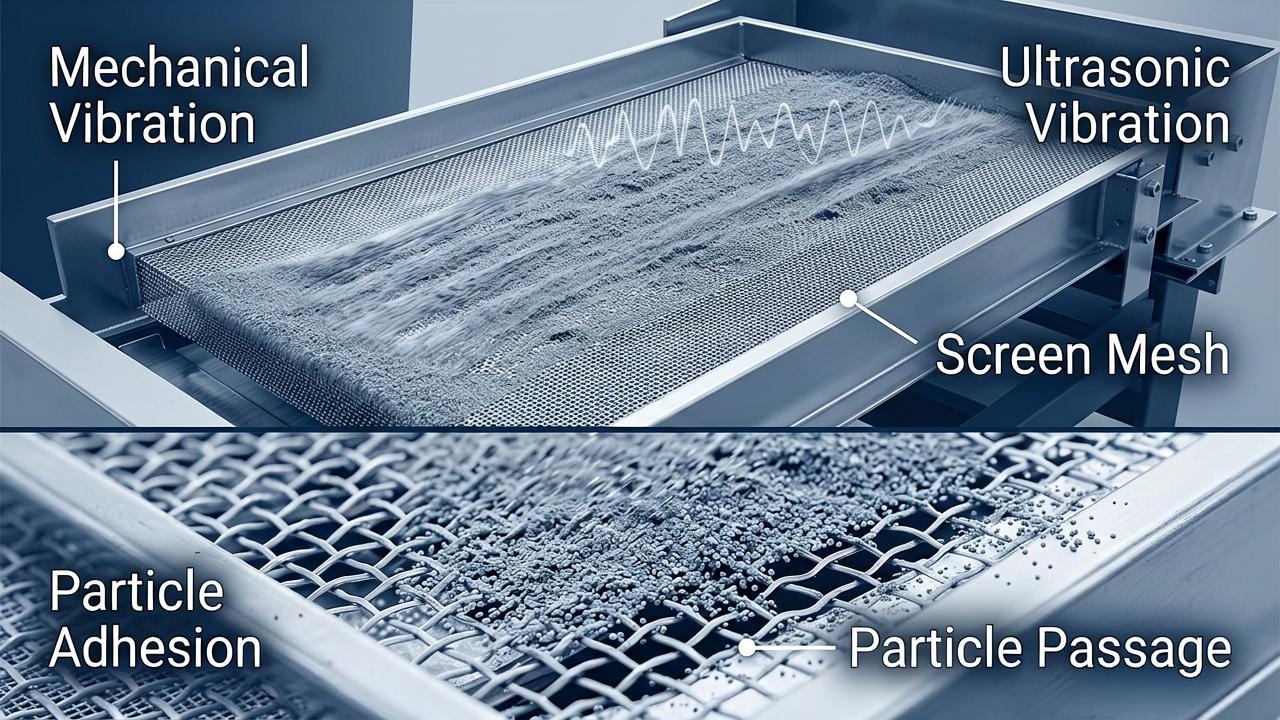
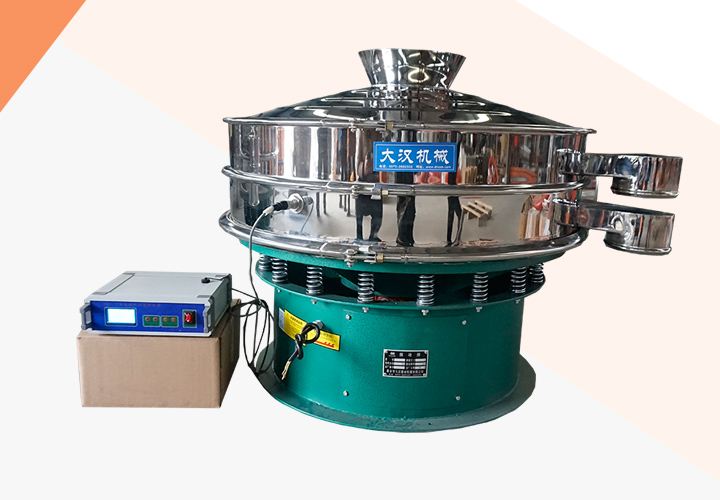
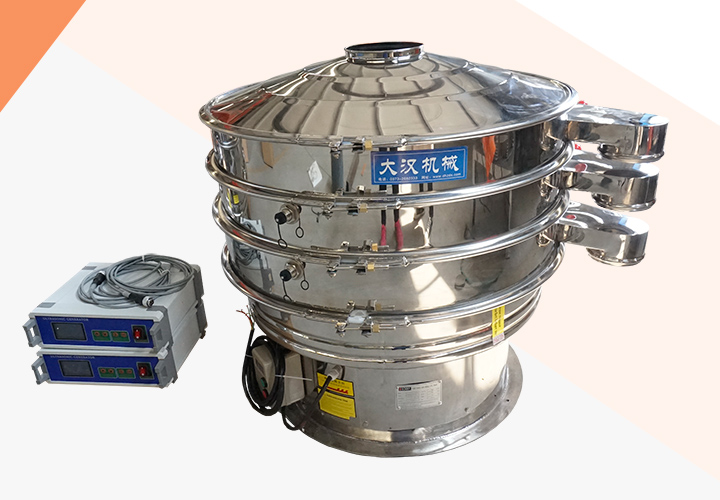
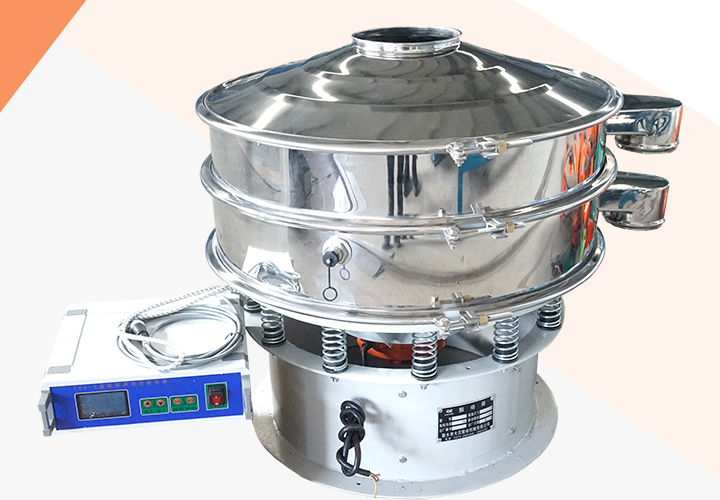
An ultrasonic screening system generally uses an ultrasonic generator and transducer to transfer high-frequency, low-amplitude mechanical vibration to the screening surface.
Electrical energy → Ultrasonic signal → Transducer → High-frequency vibration → Screen meshUltrasonic vibration normally works together with conventional mechanical screening. Mechanical motion keeps the powder moving across the screening surface, while ultrasonic vibration acts directly on the mesh and helps maintain its openness.
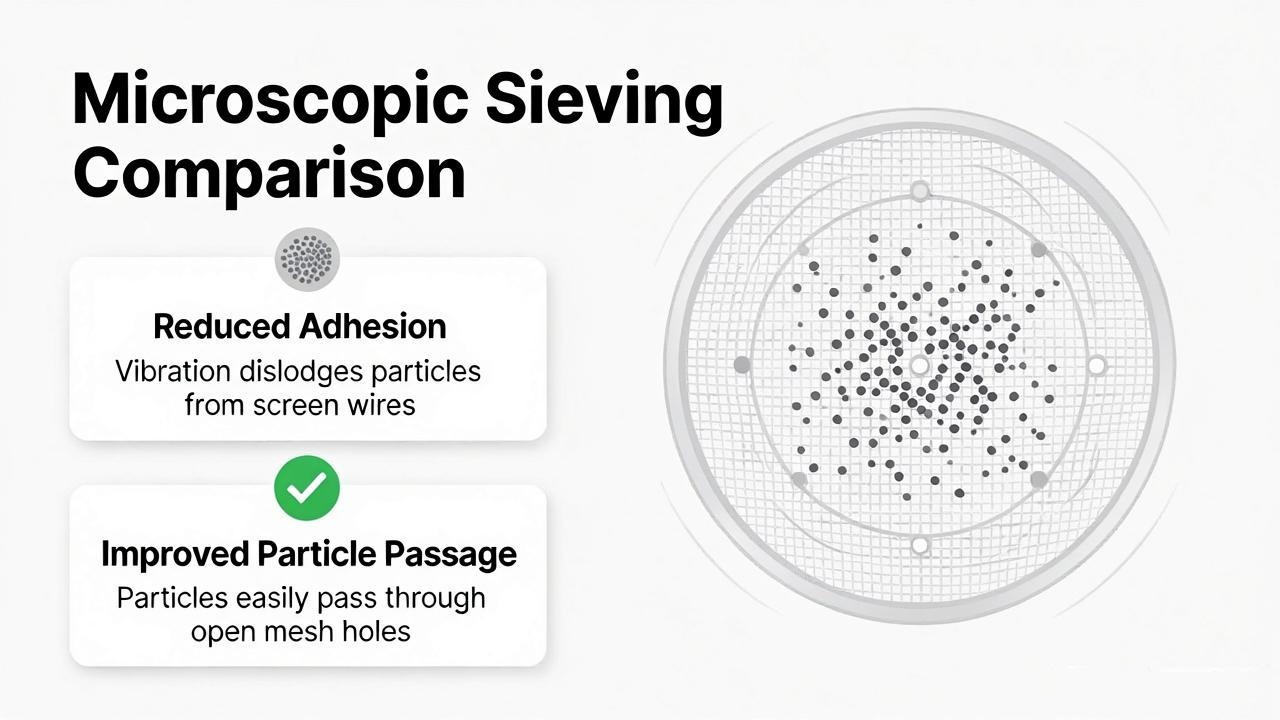
Reducing Particle Adhesion
Fine particles may remain attached because of electrostatic or cohesive forces. High-frequency mesh vibration can reduce the tendency of particles to remain stationary on the screen surface.
Disturbing Aperture Blockage
When near-size particles begin to occupy apertures, ultrasonic vibration can disturb their position and reduce the likelihood of progressive blockage.
Supporting Fine Particle Passage
When more openings remain active, fine particles have more opportunities to reach the correct apertures. This can help maintain more stable screening performance during continuous operation.
Important: Ultrasonic technology should not be considered a guarantee of zero clogging. Its effectiveness depends on powder properties, mesh specification, feed conditions, and the overall screening configuration.
When Is Ultrasonic Screening a Good Choice?
Ultrasonic screening is worth evaluating when fine powder repeatedly causes mesh blinding, adhesion, aperture blockage, or unstable screening performance.
Typical Conditions for Considering Ultrasonic ScreeningThe required mesh opening is very fine.
Fine powder repeatedly adheres to the mesh.
Near-size particles frequently lodge in apertures.
Electrostatic or cohesive behavior affects screening stability.
Screening performance decreases during continuous operation.
Frequent screen cleaning interrupts production.
A free-flowing powder that consistently passes through the required mesh may not need ultrasonic assistance. Conventional screening can remain suitable when mesh blinding is not a significant limitation.
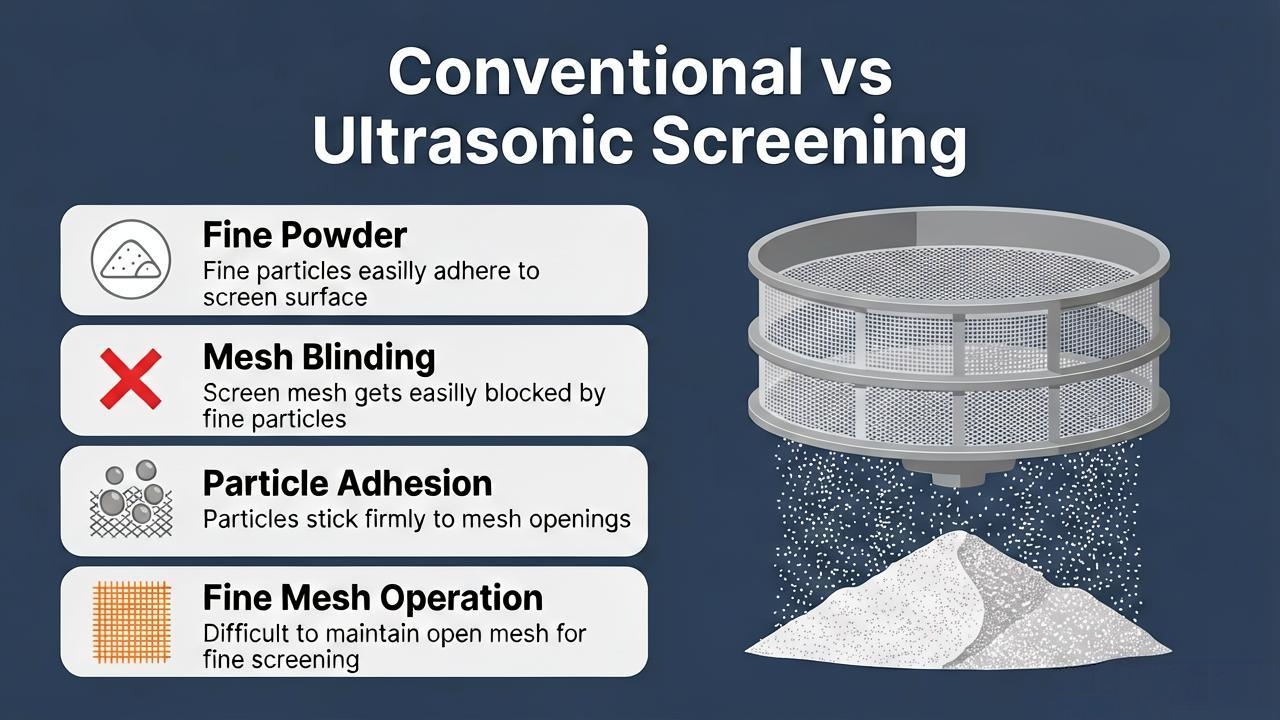
Ultrasonic Screening vs. Conventional Screening
View Comparison Table
| Factor | Conventional Screening | Ultrasonic Screening |
|---|---|---|
| Fine powder | Suitable for many materials | Particularly useful for difficult fine powders |
| Mesh blinding | May occur depending on material | Helps reduce mesh blinding |
| Particle adhesion | Can remain a limiting factor | High-frequency mesh vibration can reduce adhesion |
| Fine mesh operation | Depends on material behavior | Can improve difficult fine-mesh applications |
| Screen cleaning | May be required more frequently | May be reduced in suitable applications |
| System configuration | Conventional mechanical screening | Adds an ultrasonic vibration system |
Ultrasonic screening is best viewed as a targeted solution when mesh blinding or particle adhesion limits screening performance.
What Types of Fine Powder Can Benefit From Ultrasonic Screening?
Ultrasonic screening can be considered for fine powders used in pharmaceutical, chemical, ceramic, mineral, metal, food, pigment, and other powder-processing applications.
Why Material Type Alone Is Not Enough?Industry alone does not determine suitability. Powders with similar applications can behave differently because of particle size distribution, moisture, cohesion, surface properties, or electrostatic charge.
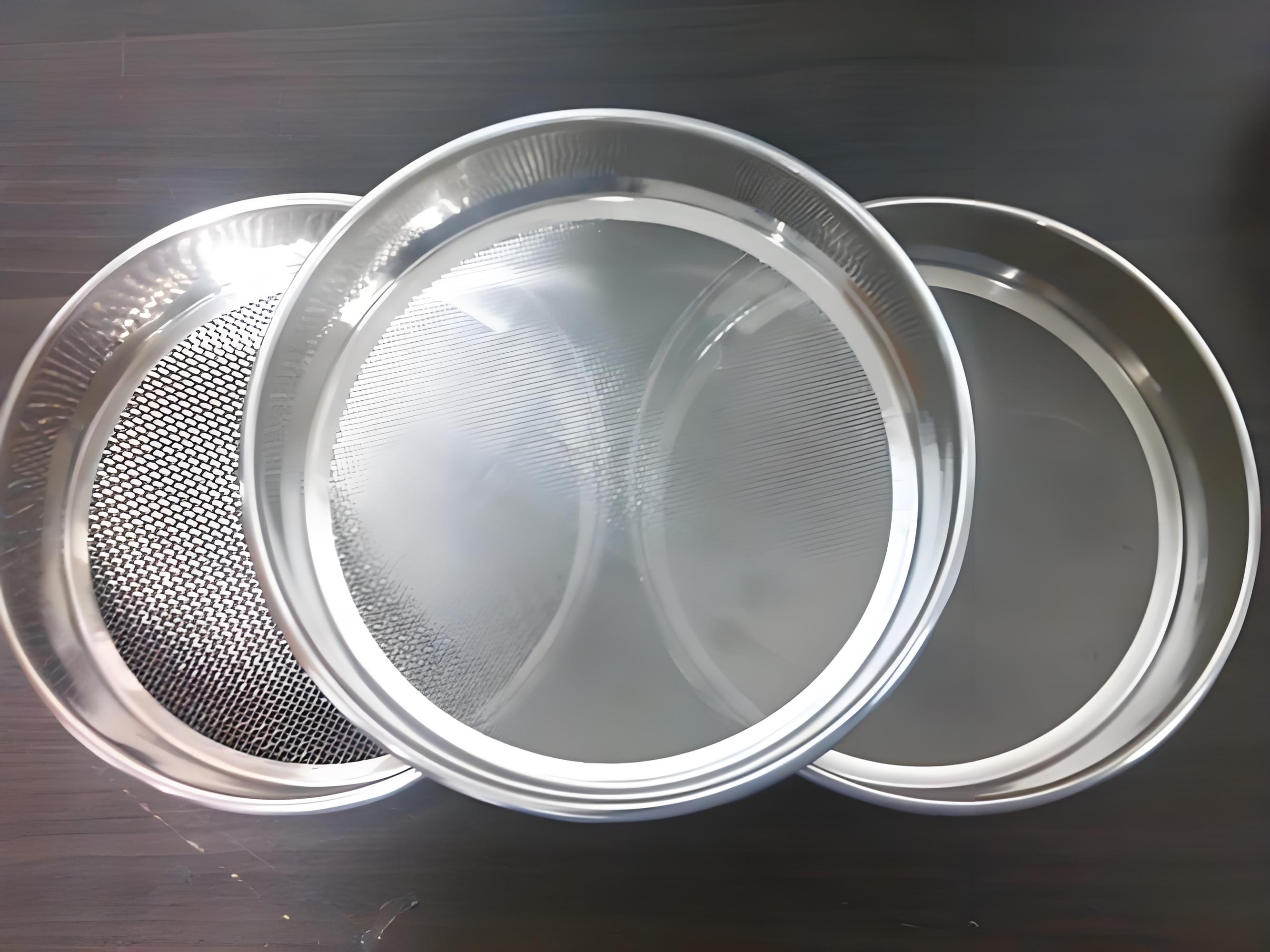
What Should You Consider Before Using Ultrasonic Screening?
Dahan recommends evaluating the material and screening conditions together before deciding whether ultrasonic deblinding is appropriate.
Key Selection Considerations
| Consideration | What to Evaluate |
|---|---|
| Mesh size and configuration | Aperture size, screen setup, and required separation |
| Particle characteristics | Particle size distribution, shape, moisture, cohesion, density, and electrostatic behavior |
| Feed rate and distribution | Material loading, bed depth, and feed uniformity |
| Actual screening behavior | Plugging, surface adhesion, agglomeration, or excessive loading |
FAQ
What causes fine powder to clog a sieve mesh?
Fine powder can clog a mesh because of near-size particle plugging, electrostatic adhesion, moisture, cohesion, agglomeration, and irregular particle shape. Feed rate, mesh opening, and material distribution can also influence blockage.
Why does fine powder stick to sieve mesh?
Fine particles have a relatively large surface area and may develop electrostatic charge or strong cohesive interactions. Moisture and irregular particle shape can further increase their tendency to adhere to the mesh.
What is mesh blinding?
Mesh blinding is the partial or complete obstruction of screen openings by particles. As the usable open area decreases, material passage and screening stability can also decline.
Can ultrasonic technology completely prevent mesh clogging?
No. Ultrasonic vibration can reduce particle adhesion and mesh blinding, but its effectiveness depends on material characteristics, mesh design, and operating conditions.
When should ultrasonic deblinding be considered?
It should be considered when fine powder repeatedly blinds the mesh, particularly when the material is cohesive, electrostatic, lightweight, or difficult to pass through a fine mesh.
Conclusion
The question Why Does Fine Powder Clog the Mesh and How Ultrasonic Technology Solves It? is best answered by examining the relationship between powder characteristics, mesh design, and operating conditions.
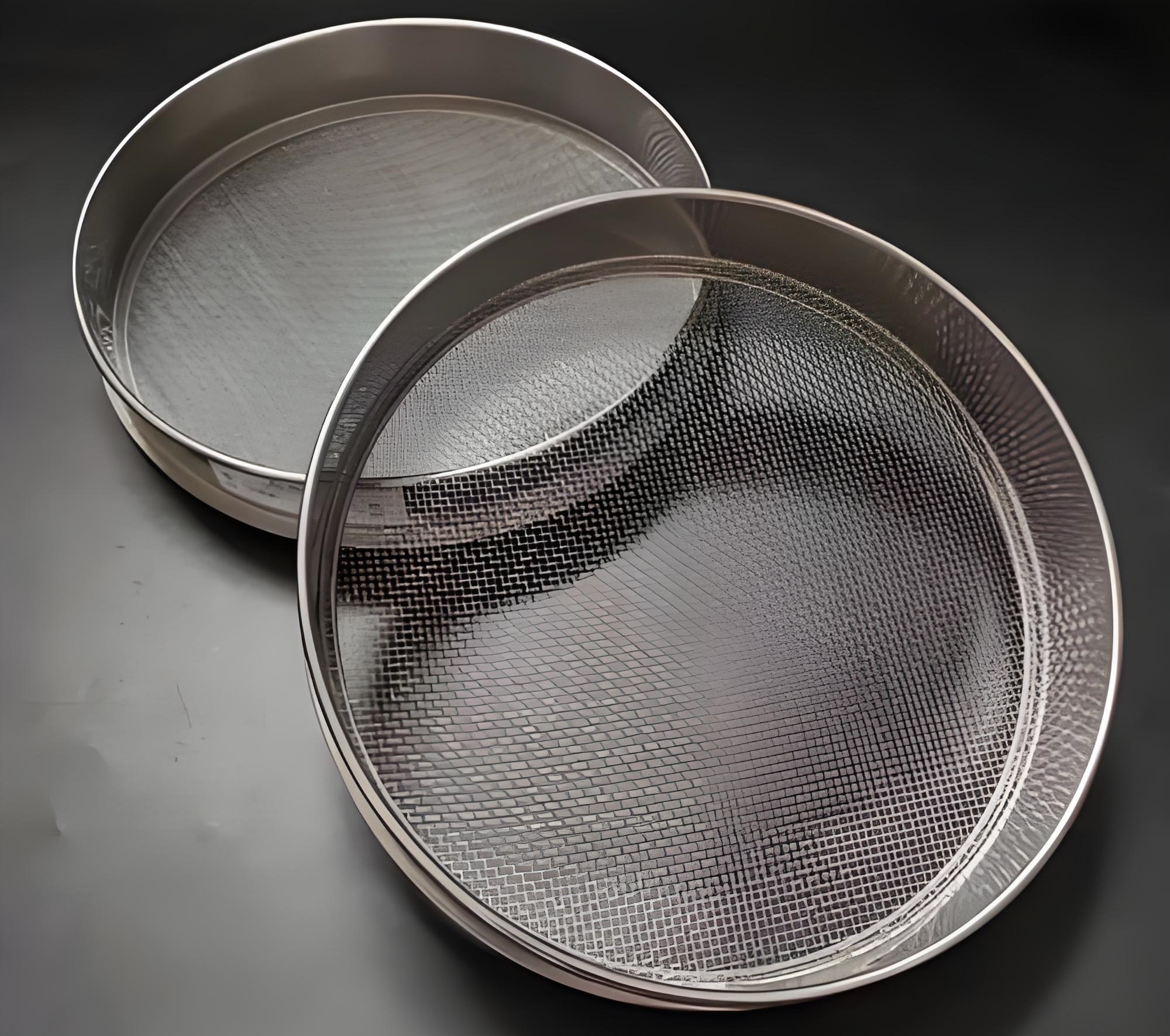
Fine particles can become lodged in apertures, adhere to screen wires, or form agglomerates that reduce usable screening area. Ultrasonic technology adds high-frequency, low-amplitude vibration directly to the mesh while conventional mechanical movement transports the material. This combined action can reduce particle adhesion, disturb aperture blockage, and help maintain more active screening openings.
Dahan recommends identifying the material and operating conditions first, then determining whether ultrasonic deblinding addresses the specific screening problem.Identify the cause of mesh blinding first; then choose the screening mechanism that addresses it.
-
Preventing Mesh Clogging in High-Moisture Grain Screening: Practical Solutions
Screening grains with elevated moisture levels routinely triggers severe mesh blinding. ...
-
How to Prevent Static in Plastic Powder Sieving: Proven Methods & Equipment
When processing fine plastic resins like PE, PVC, or ABS, fine particles frequently cling to the stainless steel mesh instead of passing through. ...
-
How to Prevent Mesh Blinding During Fine Powder Sifting for Higher Yields
In fine powder processing, mesh blinding (also known as screen pegging or clogging) is one of the most persistent operational hurdles...

Email:
sale@xxdahan.com
WhatsApp:
+86 15236742901
Add:
1000m West of Forest Park,Yanjin County,Xinxiang City,Henan Province,China.