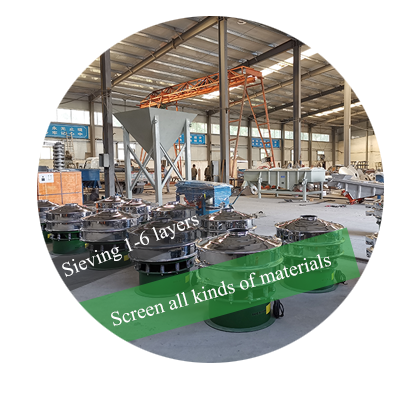
How to Prevent Static in Plastic Powder Sieving: Proven Methods & Equipment
When processing fine plastic resins like PE, PVC, or ABS, fine particles frequently cling to the stainless steel mesh instead of passing through. This stubborn electrostatic adhesion disrupts continuous output and chokes screen openings.
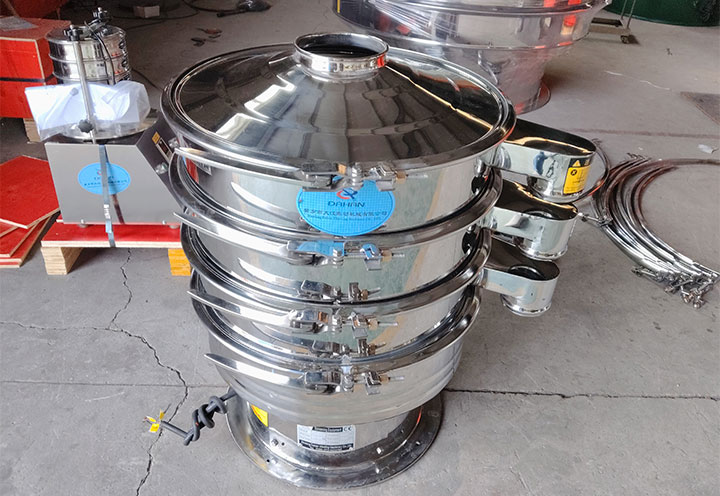
Learning how to prevent static in plastic powder sieving requires looking beyond standard mechanical vibration. Understanding polymer friction helps plant operators apply practical engineering measures to keep fine powders flowing smoothly.
Safety Hazards of Static Electricity in Powder Processing
Static accumulation during plastic powder handling creates operational risks that go beyond reduced screening efficiency. High-resistance polymer powders retain surface charges easily during mechanical sifting and conveying.
If charge density reaches critical levels within closed industrial screening enclosures, electrostatic discharges can occur. These sparks pose a serious risk of igniting combustible dust concentrations, potentially leading to flash fires or facility damage. Addressing static is therefore a critical component of plant safety, protecting both equipment integrity and operators.
Why Does Electrostatic Adhesion Happen in Plastic Powder Screening?
Plastic polymers possess strong insulating properties, making them prone to retaining surface electrical charges. During screening, continuous friction between moving particles, the mesh wire, and the inner walls of the sifter creates a classic triboelectric effect.

Fine powders—especially micronized PE, PP, or engineering plastics—have a high surface-area-to-mass ratio. As particles bounce against the screen deck, electrons transfer rapidly. Because plastic lacks electrical conductivity, these charges cannot dissipate. The resulting electrostatic attraction causes particles to cluster together and firmly adhere to the mesh wires, effectively blinding the openings.
Proven Engineering Approaches to Neutralize Static on the Screening Deck
Controlling electrostatic buildup on an industrial sifter requires a combination of mechanical modifications and energy application. Plant engineers typically employ targeted methods to keep fine plastic particles from clinging to the mesh surface.
Integrating High-Frequency Ultrasonic Conversion Systems
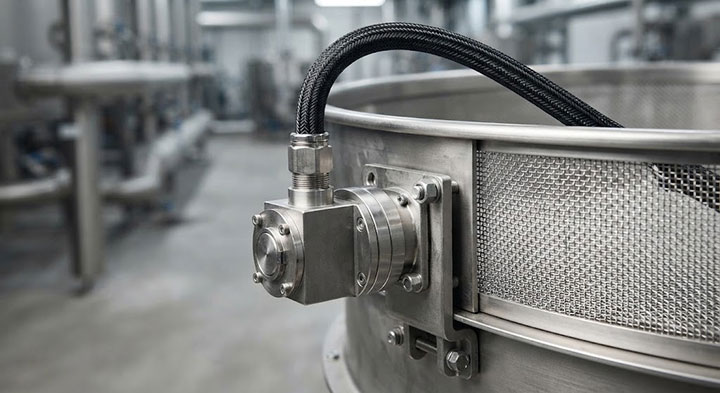
Adding an ultrasonic transducer system introduces continuous micro-vibrations directly to the screen mesh. This high-frequency, low-amplitude energy breaks the surface tension and electrostatic bond holding fine polymer particles to the wire, maintaining open mesh apertures during continuous operation.
Proper Grounding of the Vibrating Screen and Frame
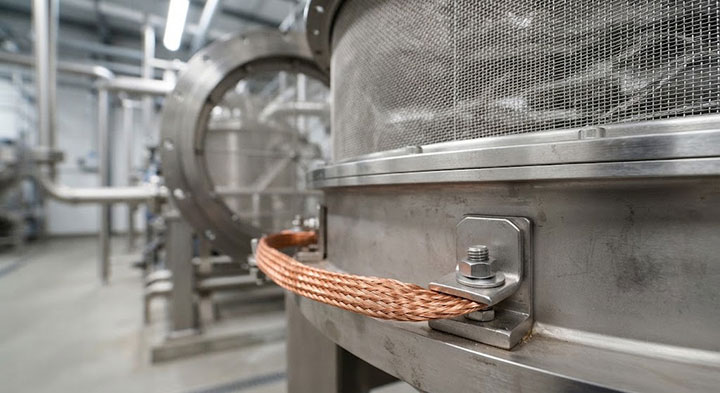
Electrical continuity is essential for letting static charges drain away safely. Ensuring that the screen frame, base, and support components are securely bonded with copper grounding straps prevents static from accumulating on isolated mechanical parts.
Using Anti-Static Additives or Ionizing Devices
Introducing ionizing air bars above the feed inlet neutralizes airborne and surface charges on incoming plastic powder before it hits the deck. Alternatively, incorporating compatible anti-static masterbatch or surface agents can lower the overall resistivity of the material batch.
Optimizing Mesh Selection (Metal vs. Special Coatings)
Switching from standard synthetic meshes to conductive stainless steel provides a direct path for charge dissipation. For severe applications, applying specialized low-friction or conductive coatings further reduces frictional charging during high-speed particle impact.
Best Equipment Choices for Anti-Static Plastic Powder Sifting
Selecting the right machinery configuration helps mitigate static-driven processing bottlenecks before they impact overall production capacity.
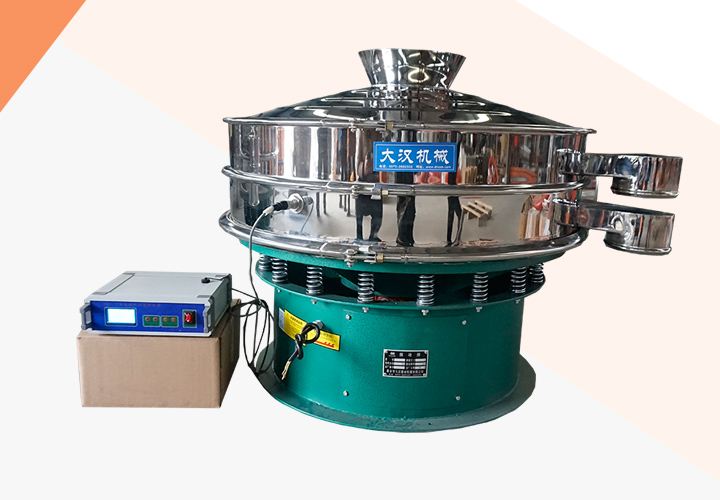
Ultrasonic Circular Vibrating Screens for Precision Grading
Combining multi-deck screening decks with ultrasonic transducers prevents fine plastic particles from blinding the mesh during classification. The auxiliary high-frequency wave keeps apertures clear without damaging polymer grains.
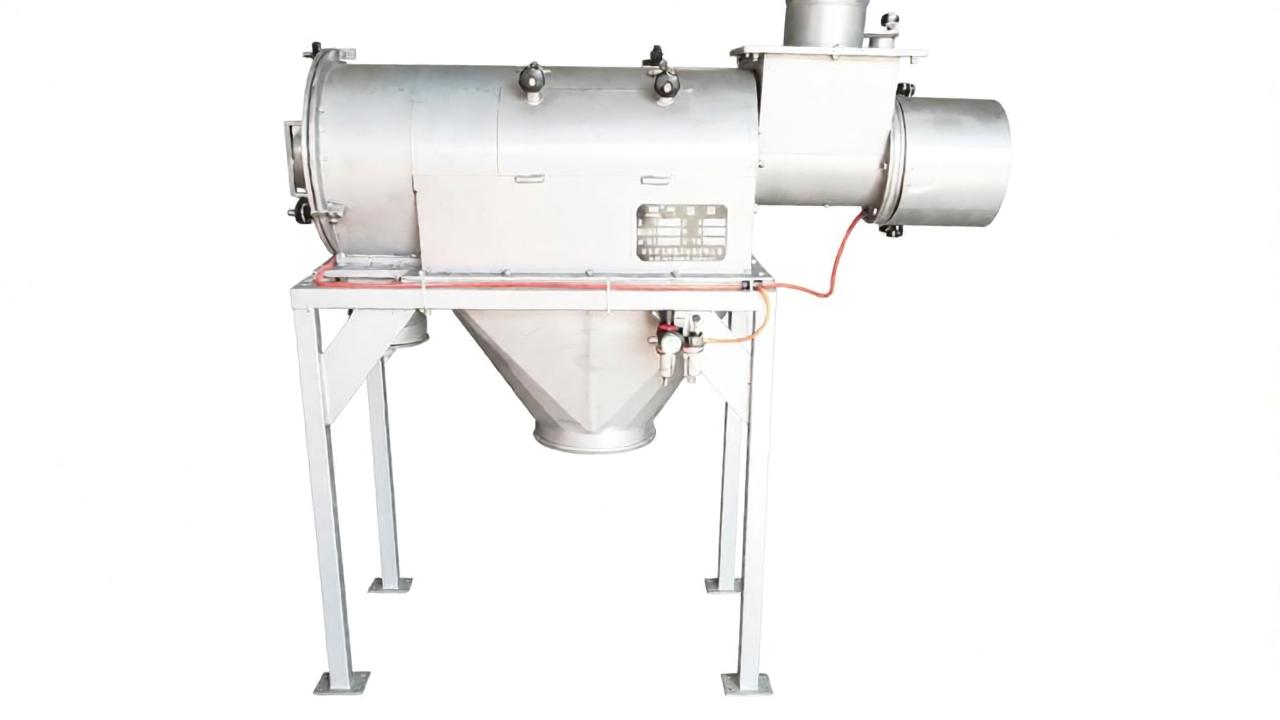
Centrifugal Sifters for High-Volume Lightweight Powders
For bulky, low-density plastic powders that tend to float or cling, horizontal centrifugal sifters use internal rotating paddles to drive material through a stationary cylindrical screen while air currents assist in sweeping away surface charges.
Direct-Discharge Sifters for High-Capacity Safety Screening
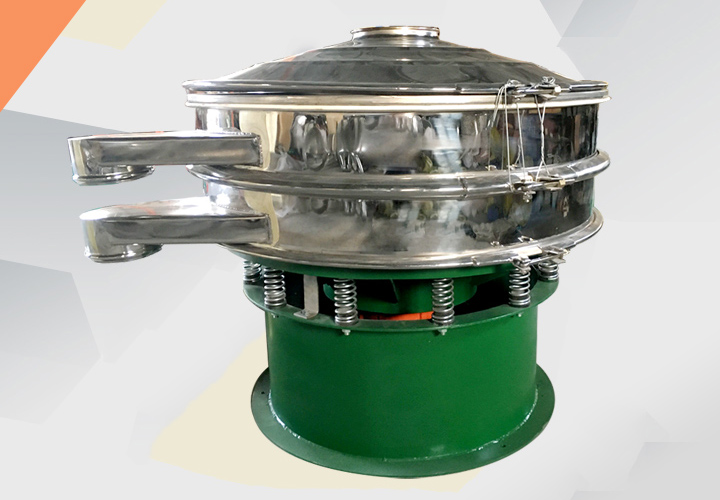
When lump removal or safety checks are required prior to packaging, direct-discharge sifters utilize vertically aligned motors to move material rapidly through a single screen deck, minimizing surface contact time and reducing static accumulation.
| Equipment Type | Best For | Anti-Static Capability | Main Advantage |
|---|---|---|---|
| Ultrasonic Circular Vibrating Screen | Precision grading and multi-deck classification | High (via high-frequency micro-vibrations) | Prevents mesh blinding without damaging polymer grains |
| Centrifugal Sifter | High-volume lightweight and bulky powders | Moderate-High (assisted by air currents) | Uses rotating paddles to drive floating powders through screen |
| Direct-Discharge Sifter | High-capacity safety screening and lump removal | Moderate (via minimized contact time) | Fast vertical throughput before packaging |
How to Resolve Mesh Clogging During Production
When fine plastic powder suddenly begins blinding the screen during a production run, operators should follow a systematic troubleshooting workflow to identify the root cause of charge accumulation.
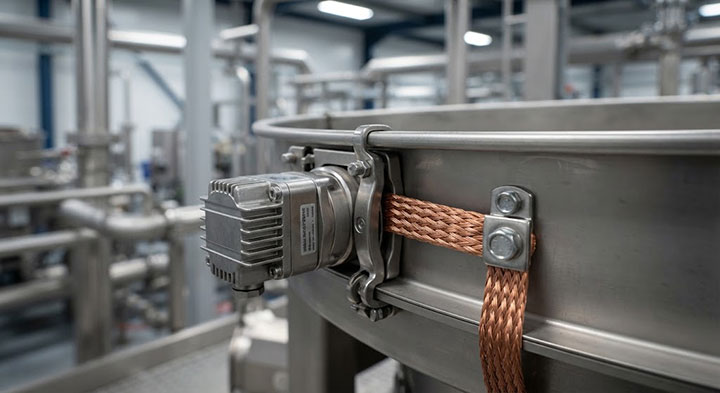
- First, verify that all copper grounding straps and flexible connections are intact and securely bolted to earth ground. A loose ground wire instantly stops static dissipation.
- Next, check the ultrasonic generator frequency and amplitude settings. If the transducer tuning drifts or power output drops, the auxiliary cleaning effect weakens, allowing polymer dust to bond with the wire mesh. Adjusting the motor weight phase angle can also help alter material residence time and reduce localized friction.
Specifications to Verify Before Upgrading Your Sifter Line
Before purchasing or retrofitting industrial screening equipment for static-prone polymer powders, plant engineers should evaluate several key technical parameters to ensure operational compatibility.
- Particle Size Distribution (PSD): Confirm the exact micron size and bulk density to determine whether ultrasonic assistance or centrifugal force is required.
- Mesh Material and Aperture: Specify conductive stainless steel weaves matched to the target cut point, avoiding standard insulating polymers for the screen deck.
- Grounding Provisions: Ensure the sifter frame, motor mounts, and flexible discharge sleeves include dedicated electrical bonding points.
- Power Supply Requirements: Verify that electrical ratings for ultrasonic generators or ionizing accessories match plant utility standards.
FAQ (Frequently Asked Questions)
Can traditional rotary vibrating screens handle fine plastic powders without modification?
Standard rotary sifters often struggle with fine plastics because static charges build up rapidly on the mesh. Without ultrasonic assistance or proper grounding, the mesh blinds quickly, leading to frequent manual cleaning stops.
How does an ultrasonic system stop polymer dust from clinging to screen wires?
An ultrasonic converter applies high-frequency, low-amplitude micro-vibrations directly to the mesh. This rapid vibration breaks the electrostatic attraction and surface tension holding the fine particles, keeping the apertures clear.
What mesh type works best for static-prone polymer materials?
Conductive stainless steel mesh is standard for preventing charge accumulation. When combined with proper equipment grounding, it provides a direct electrical path to dissipate static generated by friction.
Consult Our Application Engineers for a Custom Configuration
Handling static-prone plastic powders requires a tailored approach based on your specific polymer type, throughput requirements, and particle size distribution. Our engineering team can help evaluate your material and recommend the most effective anti-static screening configuration.
-
Preventing Mesh Clogging in High-Moisture Grain Screening: Practical Solutions
Screening grains with elevated moisture levels routinely triggers severe mesh blinding. ...
-
5 Essential Tips for Selecting the Right Vibro Sifter for Fine Powders
Selecting the right vibro sifter for fine powders requires more than choosing a machine with a fine mesh or a high advertised capacity. ...
-
How to Prevent Mesh Blinding During Fine Powder Sifting for Higher Yields
In fine powder processing, mesh blinding (also known as screen pegging or clogging) is one of the most persistent operational hurdles...

Email:
sale@xxdahan.com
WhatsApp:
+86 15236742901
Add:
1000m West of Forest Park,Yanjin County,Xinxiang City,Henan Province,China.