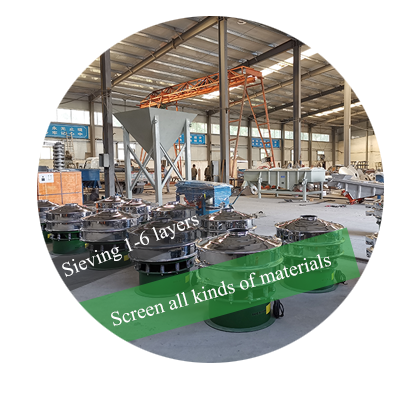
Vibrating Machine To Separate Baobab Pulp From It’S Seed
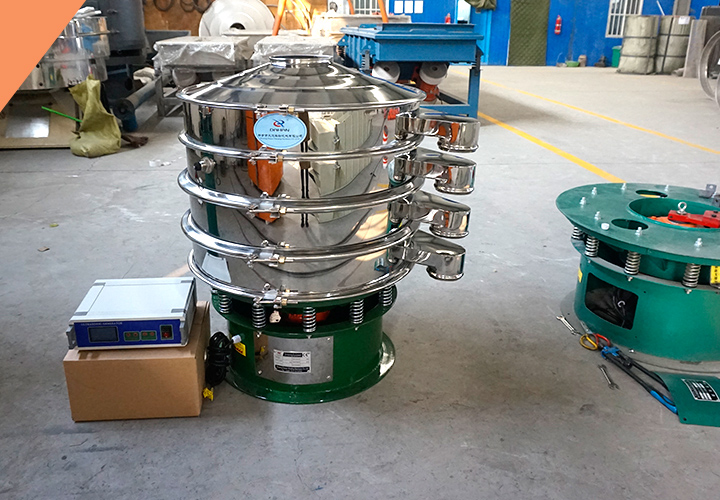
During the process of separating the vibrating machine to separate baobab pulp from it’S Seed, due to the special internal structure of the baobab fruit, the pulp is loose, dry, powdery or lumpy, while the seeds are hard, heavy and large in size, and the physical properties of the two are obviously different. It through vibration force. Usually 1-2 layers of vibrating screening equipment are selected, in which the upper screen has a larger aperture (such as 5-10mm) to intercept larger seeds, and the lower screen has a smaller aperture (such as 1-3mm) to screen out fine pulp powder and achieve graded screening of coarse and fine particles.
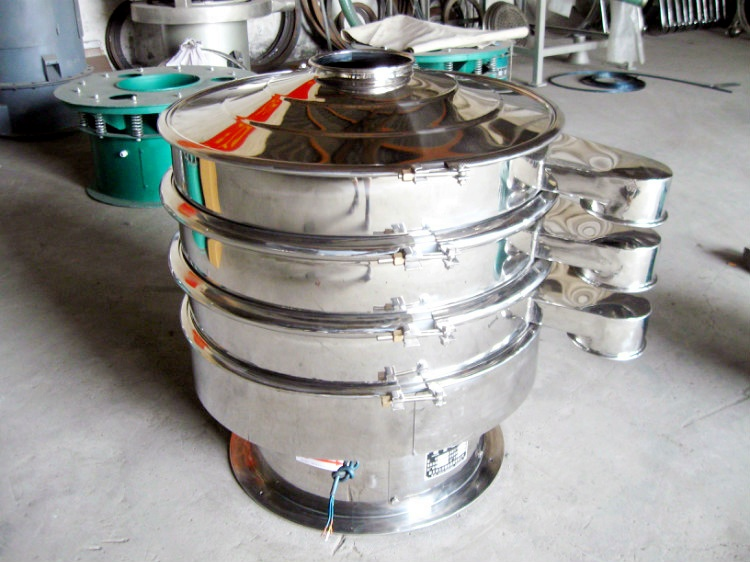
Multi-layer design of vibrating machine to separate baobab pulp from it’S Seed design helps to improve the screening accuracy and yield, while avoiding seeds entrained with pulp residues or seeds mixed in the pulp, thereby improving the efficiency of subsequent processing. The equipment is suitable for dry processing conditions, especially for the primary processing of baobab fruit that requires high separation rate and low loss.
How to sift Vibrating Machine To Separate Baobab Pulp From It's Seed?
When screening the Baobab Pulp From It's Seed using the Vibrating Machine, the pulp is mostly powdery. This can be graded through an 80- to 120-mesh sieve to obtain finer particles for further processing or nutrient extraction. The seeds, being granular, require coarse screening. Typically, a 5- to 20-mesh sieve is used to remove large impurities such as peel and stems. A 20- to 40-mesh sieve is then used to remove smaller impurities and debris to ensure seed purity. The entire screening process utilizes a vibrating machine's multi-layer screens, coupled with high-frequency vibration and self-cleaning bouncing ball technology. This allows for continuous production without screen clogging, improving subsequent processing efficiency and product quality.
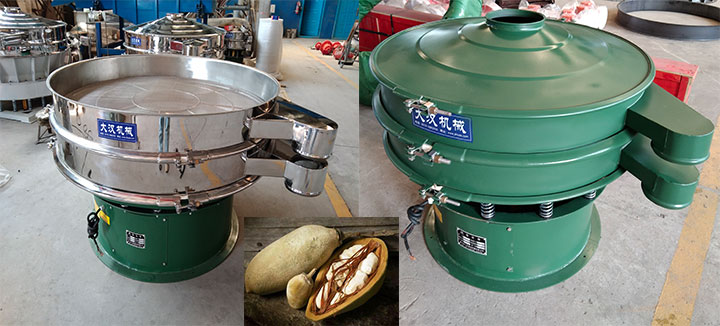
Vibrating Machine To Separate Baobab Pulp From It’S Seed video
What is the main purpose of the vibrating machine to separate baobab pulp from it’S Seed?
The fruit of the baobab tree is oblong, with juicy pulp containing organic acids and gum, giving it a slightly sour taste. The seeds are hidden within the pulp, with a relatively thick seed coat and an oil content that can reach 15%. When dried, the pulp crumbles into small pieces, resembling breadcrumbs. Separation can be achieved using a circular or linear vibrating sieve with different sized mesh sizes. The vibrating sieve uses high-frequency vibration to separate the pulp and seeds; lighter pulp fragments pass through the sieve, while heavier seeds remain. Seeds are typically 1 to 2 centimeters in size, and a sieve aperture of 5 to 10 millimeters is generally chosen to prevent seeds from passing through while allowing pulp fragments to pass through smoothly. The vibration frequency is controlled at 1000 to 3000 times per minute, with an amplitude of 2 to 6 millimeters, to separate the pulp and seeds without damaging the seeds.
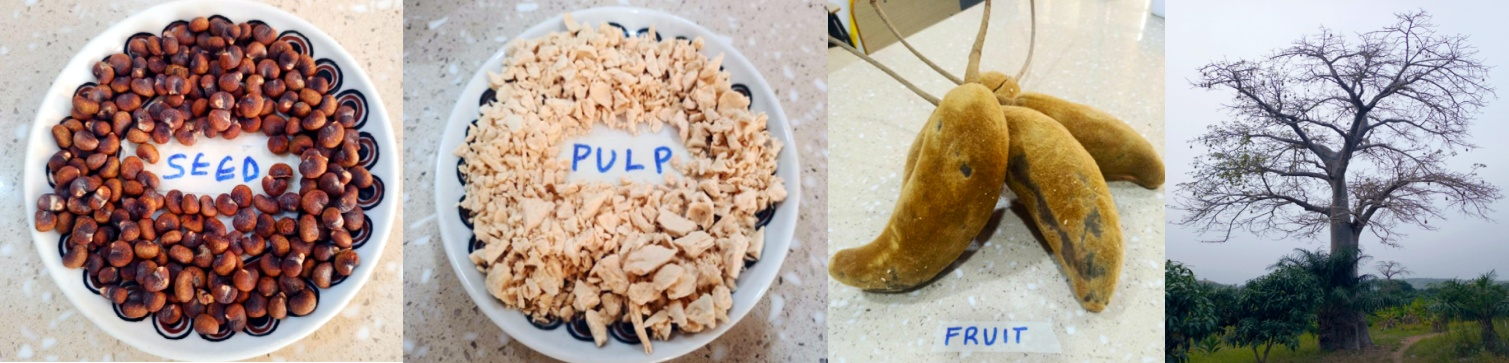
How does vibrating machine to separate baobab pulp from it’S Seed work?
A vibrating machine separates baobab pulp from seeds using mechanical energy generated by vibration. First, the baobab fruit is processed by removing the outer shell and then lightly crushing it to make the pulp and seeds easier to separate. The processed material is then placed into a vibrating screen, where a motor drives the screen to vibrate at high speed, generating vertical or multi-directional vibration. Because the pulp and seeds differ in density, size, and hardness, their behavior during vibration also differs. The soft, sticky pulp tends to separate and fall off under vibration, while the hard seeds remain intact. The machine is equipped with screens of corresponding aperture sizes; small pieces of pulp pass through the mesh, while larger seeds remain on the screen. Finally, the separated pulp and seeds exit from different outlets and are collected separately for further processing.
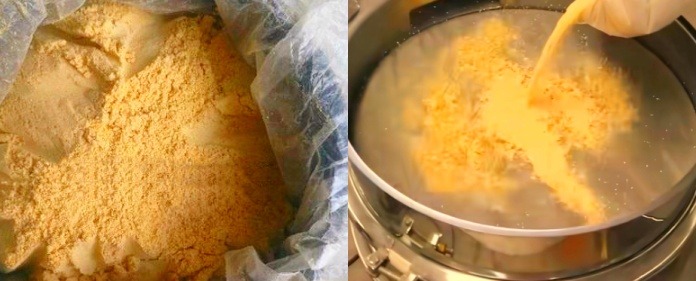
Recommended mesh number for Vibrating machine to separate baobab pulp from it’S Seed
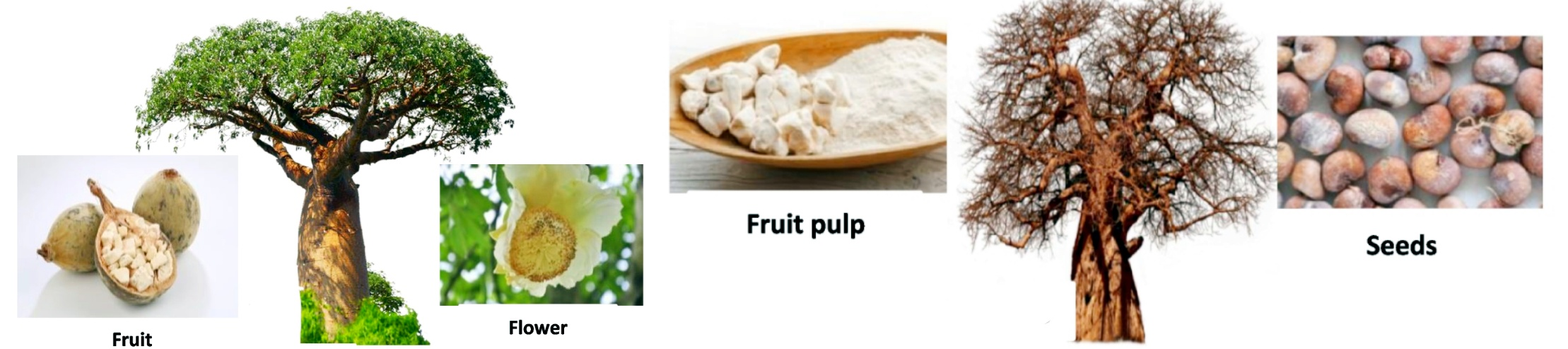
When using a vibrator to separate baobab pulp and seeds, choosing the right mesh number is one of the key factors, which directly affects the separation effect. The mesh number is the number of mesh holes per unit length (usually 1 inch) of the screen. The higher the mesh number, the smaller the aperture.
|
Materials |
Recommended mesh number |
Corresponding aperture (mm) |
Description |
|
Pulp powder/fine-grained pulp |
20-40 mesh |
0.42-0.85 mm |
Allows fine pulp to pass smoothly, but seeds cannot pass |
|
Coarse-grained pulp |
10-20 mesh |
0.85-2.0 mm |
When the pulp is not completely powdered, it can be separated with a coarse sieve |
|
Seed retention layer |
<10 mesh or directly use a perforated plate with an aperture of 6-8 mm |
≥2.0 mm |
Intercept complete seeds and export |
Typical configuration recommendations
The dried pulp of the baobab tree is brittle and can be ground into a fine powder, often used to make fruit powder or as a beverage ingredient. The seeds are hard, relatively large, and mostly oval or nearly round in shape, with a diameter between 5 and 10 millimeters. Vibrating screens for separating the pulp and seeds typically employ a two-layer sieve structure. The upper sieve has a mesh size of 6 to 8 millimeters (2 to 3 mesh) and is used to separate the larger seeds first. The lower sieve uses a mesh size of 20 to 30 mesh to sift through the finer pulp powder. The combination of these two sieves completes the separation of the pulp powder from the seeds.
What can the vibrating machine to separate baobab pulp from it’S Seed be used for?
Vibrating Machines for Separating Baobab Pulp From It’s Seed are widely used in food processing, plant extraction, and seed treatment. In food processing, the separated baobab pulp contains vitamin C, fiber, and antioxidants, making it commercially viable for nutritional supplements, energy bars, and fruit-based beverages. In plant extraction, clean pulp facilitates the extraction of functional components and improves product purity. In seed treatment, the machine removes impurities from the pulp, separating the pulp from the seeds. The treated seeds can then be used for breeding, agricultural promotion, or oil processing. It is commonly used in agricultural processing plants, nutritional food companies, and plant raw material processing bases, and is suitable for large-scale primary processing in baobab-growing regions such as Africa and South Asia.
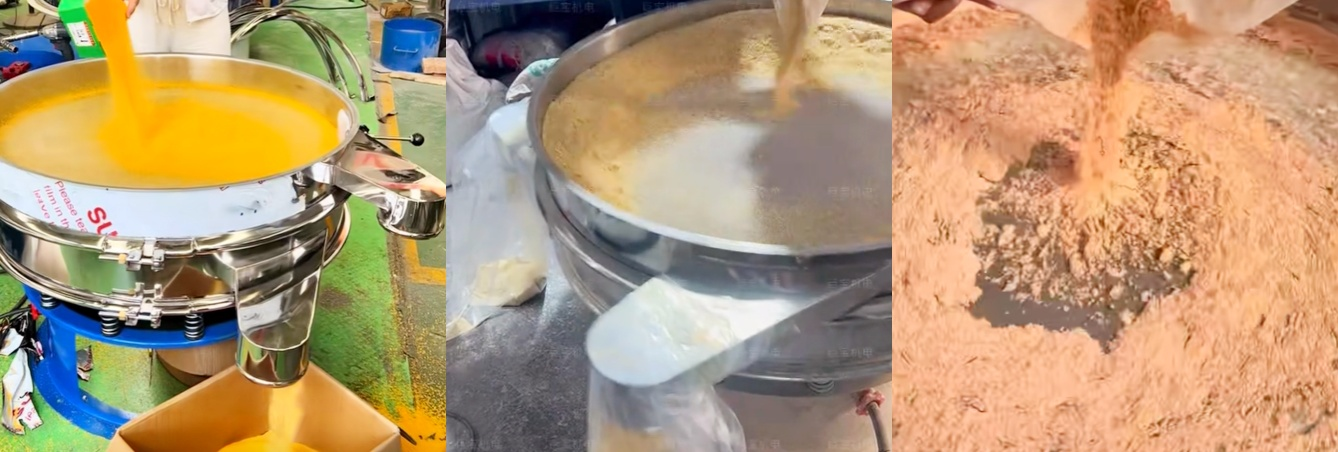
How to choose and wholesale a vibrator to separate baobab pulp from seeds
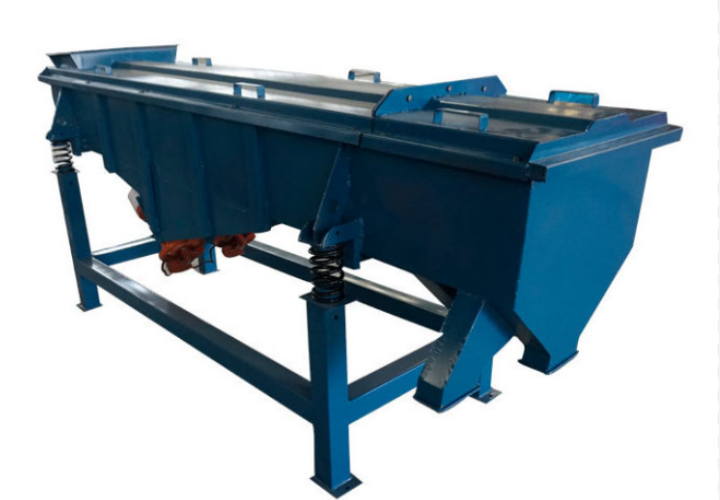
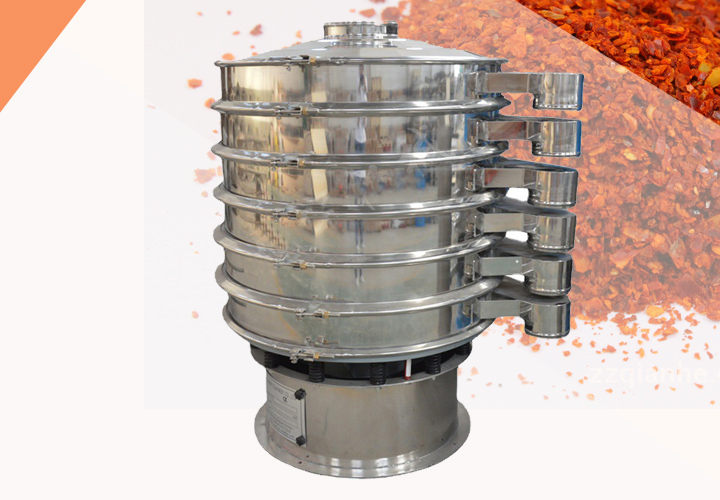
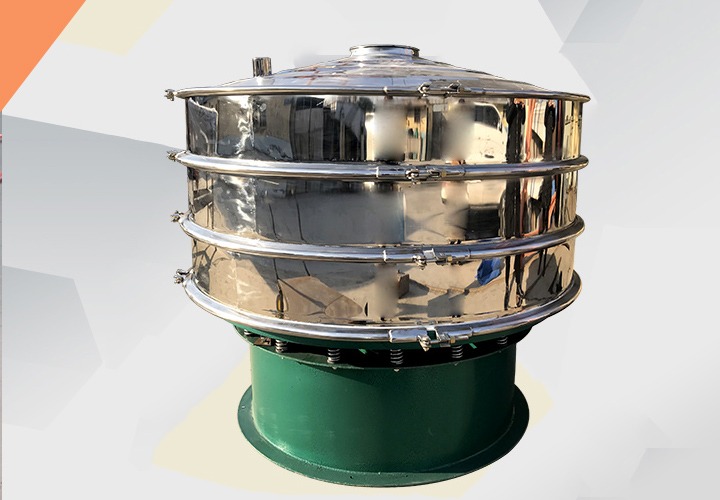
When selecting a Vibrating Machine To Separate Baobab Pulp From It’S Seed, you can choose either a circular vibrating screen or a linear vibrating screen based on the characteristics of the raw materials and the processing volume. A circular vibrating screen is suitable for fine screening, separating small pulp particles from larger seeds; its multi-layer structure allows for the separation of materials of different sizes in one pass. A linear vibrating screen is suitable for high-volume production scenarios, where the material moves evenly along the screen surface, quickly separating pulp and seeds with large differences in particle size. When choosing, consider your processing volume, pulp purity requirements, and the dryness and size of the baobab fruits to determine the appropriate model. Simultaneously, compare related equipment and manufacturers on the market, comprehensively considering equipment performance, quality, purchase cost, and after-sales support to ensure continuous and stable operation of the equipment to support baobab fruit processing.
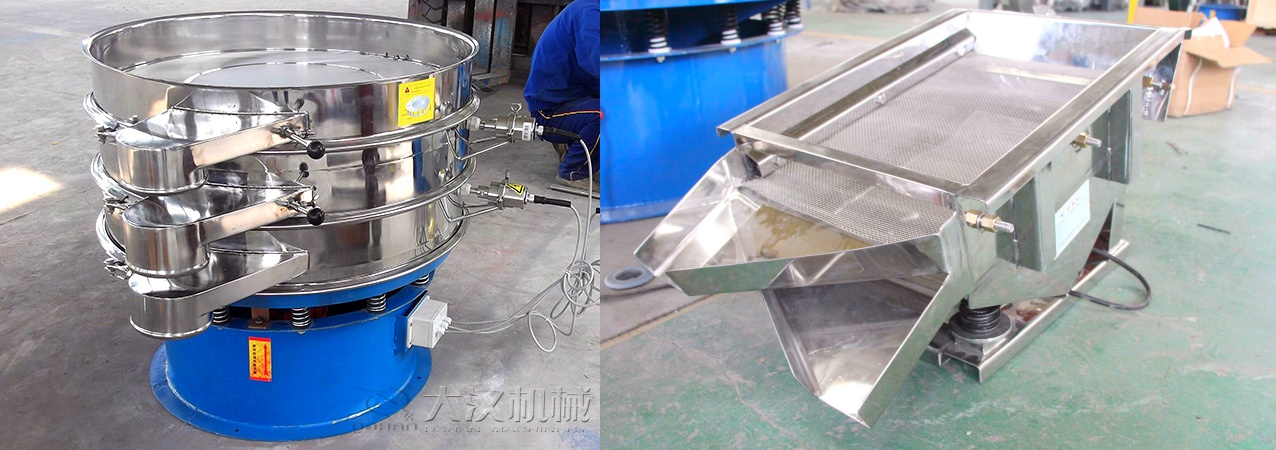
Vibrating Machine To Separate Baobab Pulp From It'S Seed Case
Before a factory introduced a vibrating machine to separate baobab pulp from its seeds, workers used manual labor, resulting in low efficiency and high labor intensity. Crushed seeds were often mixed into the pulp powder, impacting product quality. After the machine was installed, dried baobab fruit was poured into the feed inlet and the pulp and seeds were automatically separated using a screen and vibration mechanism. The pulp powder passed through the screen into a collection container, while the seeds were discharged to the side. This increased the daily processing capacity of a single worker to over 30 kilograms, with pulp purity exceeding 95%.
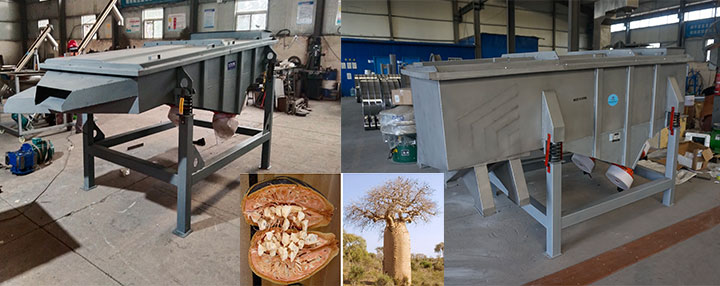
A food processing plant now uses an airflow centrifugal vibrating screen to separate baobab fruit pulp and seeds. This machine uses a screw conveyor system to feed the crushed pulp and seed mixture into a cylindrical sieve. The centrifugal force and cyclonic propulsion generated by the high-speed impeller force the pulp powder (less than 500 mesh) through the screen and out of the fine material outlet, while coarse particles such as seeds slide along the sieve wall into the coarse material outlet. The equipment's single-layer screen design and 304 stainless steel material achieve a processing capacity of 3 tons per hour and a separation efficiency of 98.7%.
-
Pepper Vibrating Screen
Pepper Vibrating Screen is a machine used to process whole, broken, and powdered peppercorns...
-
Slag powder Vibrating Screen
Slag powder Vibrating Screens are screening devices used for slag powder...
-
Gypsum powder Vibrating Screen
The function of a Gypsum powder Vibrating Screen is to remove impurities, classify, and control the particle size of gypsum powder...
-
Feldspar powder Vibrating Screen
Feldspar powder vibrating screen continuously agitates and shakes the feldspar powder on the screen, breaking up clumps and...

Email:
sale@xxdahan.com
WhatsApp:
+86 15236742901
Add:
1000m West of Forest Park,Yanjin County,Xinxiang City,Henan Province,China.