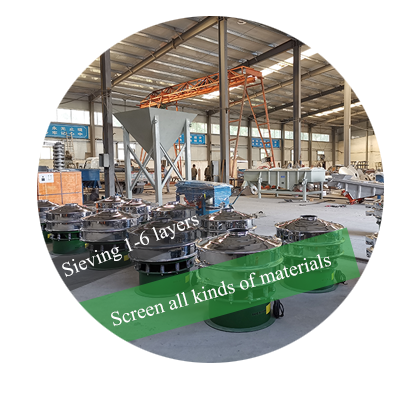
How to Choose a Vibro Sifter for Powdered Sugar
Choosing a vibro sifter for powdered sugar depends on what the screening process needs to achieve, how much material must be handled, and how the powder behaves during operation. A machine suited to removing occasional lumps may not be the right choice for fine particle classification or a production line with frequent screen blockage.
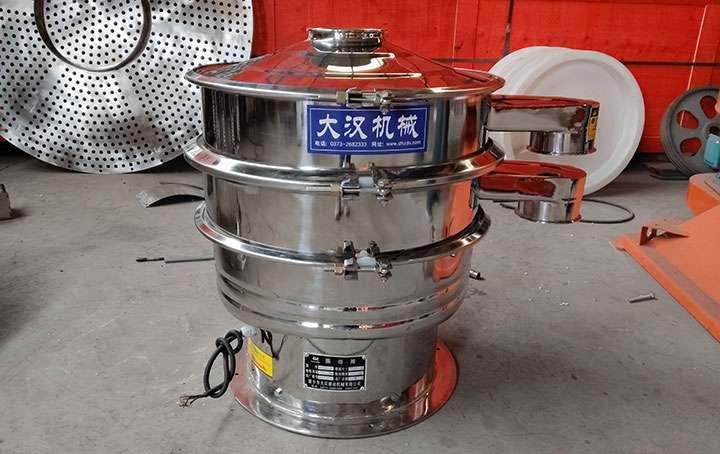
This guide explains how to choose a vibro sifter for powdered sugar by evaluating the screening objective, mesh specifications, capacity, cleaning options, and machine construction, helping you identify the right requirements before requesting a quotation.
Define the Required Screening Result Before Selecting a Machine
Before choosing a vibro sifter for powdered sugar, decide what the screening process needs to remove or separate. The answer affects the screen configuration and how the finished material should be evaluated.
If the main purpose is to remove lumps formed during storage or handling, the priority is to retain those agglomerates while allowing acceptable sugar powder to pass through. If the process is intended to remove foreign particles, the separation requirement will depend on the size of the unwanted material. For particle-size classification, the target fractions must be defined before selecting the equipment.
These requirements are not interchangeable. A machine configured for lump removal may not deliver the particle-size distribution required for classification. Specify the desired result first, including what should pass through the screen and what should remain on it. This gives the manufacturer a clear basis for recommending a suitable powdered sugar screening solution.
Match Screen Mesh and Capacity to Your Powdered Sugar
Screen mesh selection affects both the separation result and the amount of powdered sugar that can pass through the screen. A finer mesh retains smaller particles but may slow screening if the openings become blocked or the powder does not pass through easily.
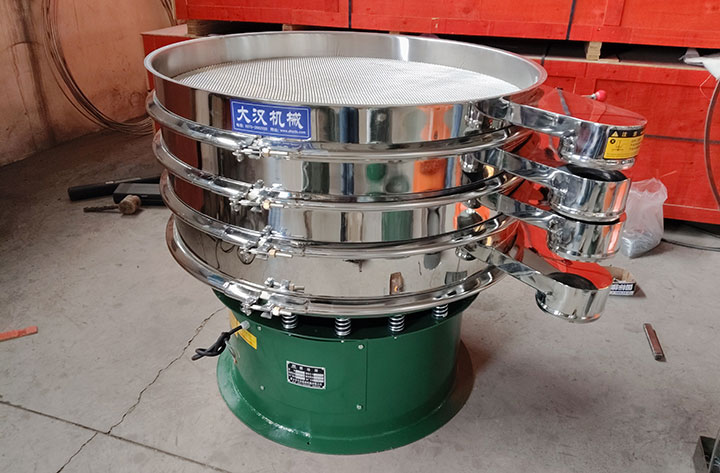
Do not select a mesh size based on a general recommendation alone. Consider the required particle size, the condition of the sugar powder, and the acceptable amount of oversized material in the finished product. The mesh opening must match the actual separation requirement, not simply be as fine as possible.
When the specification is uncertain, test the powdered sugar with a candidate screen before finalizing the machine configuration. Check the material passing through, the retained fraction, and the stability of the screening process. These results provide a more reliable basis for mesh selection than mesh size alone.
How Much Capacity Does Your Powdered Sugar Screening Process Require?
Start with the amount of powdered sugar your production line needs to process per hour. For batch production, consider the batch size and the time available for screening. For continuous production, the sifter must keep pace with the upstream feeding equipment without creating a bottleneck.
Rated capacity alone is not enough to determine whether a machine will meet your target. Actual throughput depends on the powder condition, feed rate, screen specification, and required separation result. A model that handles one powdered sugar application efficiently may deliver a different output when the material or screening requirements change.
When requesting a quotation, provide your target capacity in kg/h and explain whether the process is continuous or batch-based. If possible, arrange a screening test with your actual material to verify throughput and separation performance before confirming the machine size.
Should You Choose a Standard or Ultrasonic Vibro Sifter?
A standard vibro sifter may be sufficient for powdered sugar that passes through the screen consistently without frequent blockage. If fine powder repeatedly accumulates in the mesh openings and interrupts production, an ultrasonic cleaning system may be worth considering.
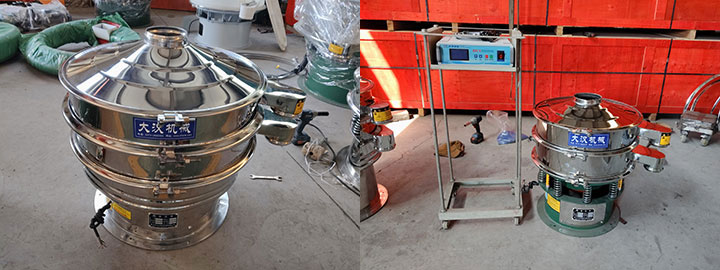
The decision should be based on the actual screening problem. First check whether the blockage is related to moisture, agglomeration, or unsuitable feeding conditions. Ultrasonic assistance can help reduce mesh blinding in suitable fine-powder applications, but it does not correct every material-handling issue.
Before adding this option, compare screening performance with and without ultrasonic assistance using the intended powdered sugar and screen specification. This helps establish whether the additional system provides a practical benefit for your process.
Check Food-Contact Materials, Cleaning Access, and Screen Configuration
For powdered sugar processing, check which machine components come into contact with the product and whether their materials meet your plant's hygiene requirements. Stainless steel is commonly considered for food-processing equipment, but the required grade should be confirmed according to the product-contact conditions and cleaning procedures.
Cleaning access matters just as much as material selection. Inspect how the screen frame and product-contact parts are removed, cleaned, and reassembled. A structure that is difficult to access can increase changeover time and make routine cleaning less convenient.
Also consider the number of screen decks needed. A single-deck machine may suit a process that removes oversized particles, while multiple decks may be appropriate when the production line requires several size fractions. Choose the configuration that matches the actual process rather than adding components that provide no clear benefit.
Common Selection Mistakes That Reduce Screening Performance
One common mistake is choosing a vibro sifter based on rated capacity alone. A machine may meet the nominal throughput requirement but still fail to deliver the required separation result under actual production conditions.
Another mistake is specifying a screen before confirming the material condition and screening objective. An unnecessarily fine mesh may restrict material flow, while an unsuitable configuration may leave oversized particles in the finished sugar powder.
Adding optional equipment without identifying a real process problem can also increase cost and maintenance requirements. Before finalizing the order, confirm the required screening result, target throughput, cleaning needs, and product-contact requirements with the manufacturer. A clear specification is more useful than selecting a machine based on a single parameter.
What Information Is Needed to Specify a Powdered Sugar Vibro Sifter?
To recommend a suitable vibro sifter for powdered sugar, the manufacturer needs more than the material name. Prepare the following details before requesting a quotation:
Screening objective: Removing lumps, retaining unwanted particles, or separating different particle sizes.
Required capacity: Target throughput in kg/h and whether production is continuous or batch-based.
Screen specification: Required mesh size or target particle-size range, if known.
Material condition: Whether the powdered sugar is free-flowing, prone to agglomeration, or frequently causes screen blockage.
Construction and cleaning: Required contact material, cleaning procedure, and any specific hygiene requirements.
If the mesh size or machine configuration has not yet been determined, explain the desired screening result instead. Material samples and screening tests may help confirm the final specification.
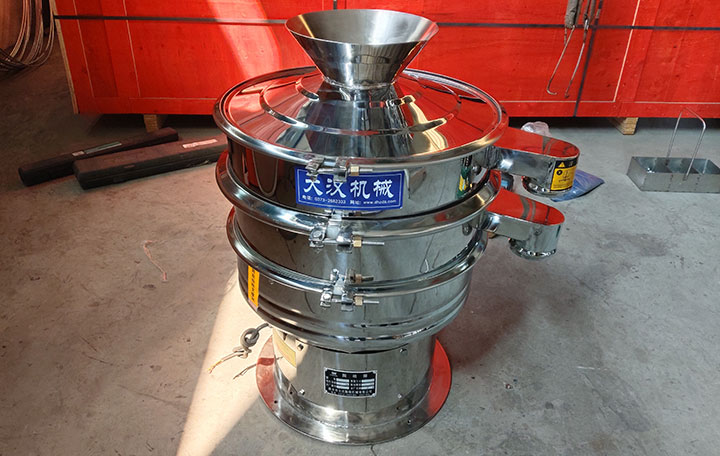
For machine details and available configurations, visit the Vibro Sifter for Powdered Sugar product page and contact the manufacturer with your application requirements.
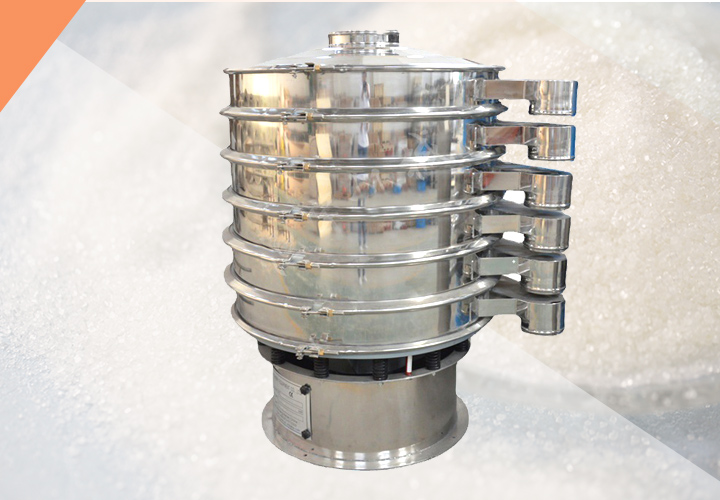
5 Essential Tips for Selecting the Right Vibro Sifter for Fine Powders
Selecting the right vibro sifter for fine powders requires more than choosing a machine with a fine mesh or a high advertised capacity. ...
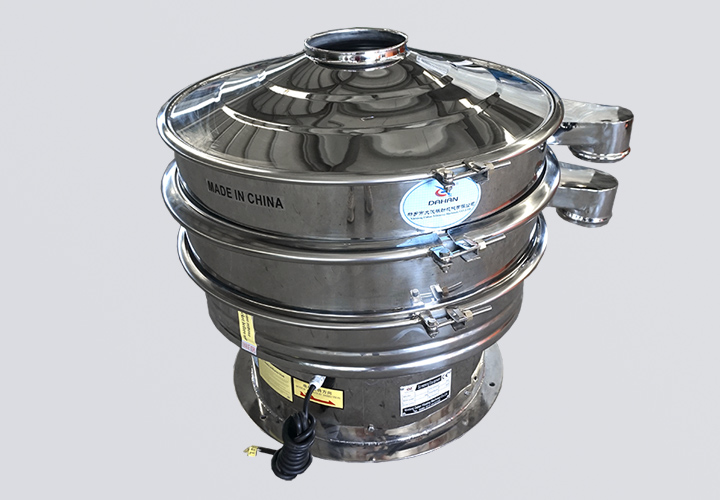
How to Choose Stainless Steel Vibrating Screen Mesh and Avoid 5 Common Mistakes
Knowing how to choose stainless steel vibrating screen mesh is essential for achieving accurate separation and reliable screening performance...
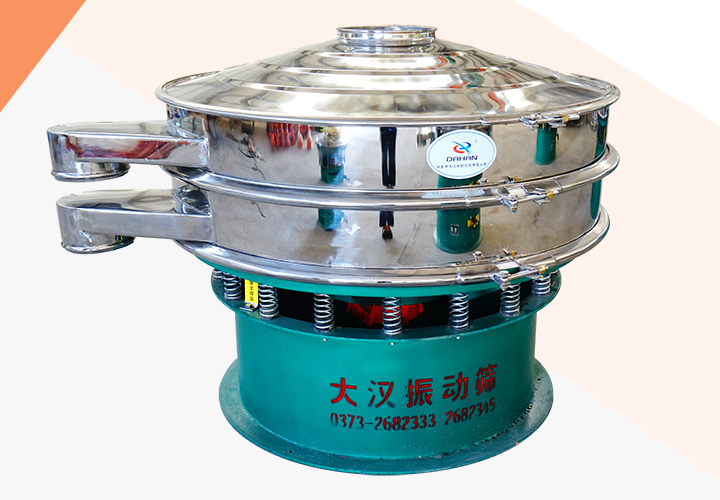
How to Calculate Vibro Sifter Capacity and Yield? Formula & Selection Guide
Calculating How to Calculate Vibro Sifter Capacity and Yield? requires more than checking screen diameter or machine specifications...

Email:
sale@xxdahan.com
WhatsApp:
+86 15236742901
Add:
1000m West of Forest Park,Yanjin County,Xinxiang City,Henan Province,China.