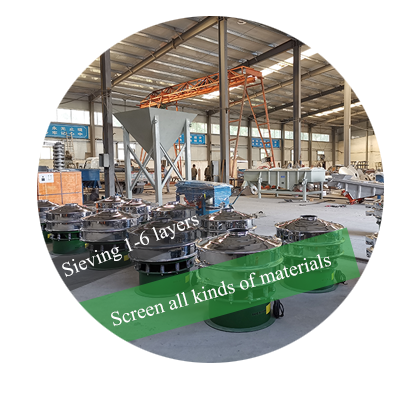
How to Choose a Vibrating Sieve for High-Viscosity Slurry?
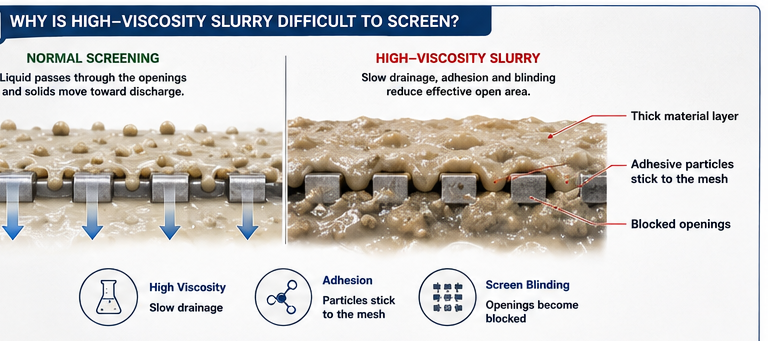
High-viscosity slurry can be difficult to screen because it drains slowly, remains on the screen longer, adheres to the mesh, and may cause screen blinding. High solids concentration, sticky particles, temperature changes, and other material characteristics can further affect screening performance.
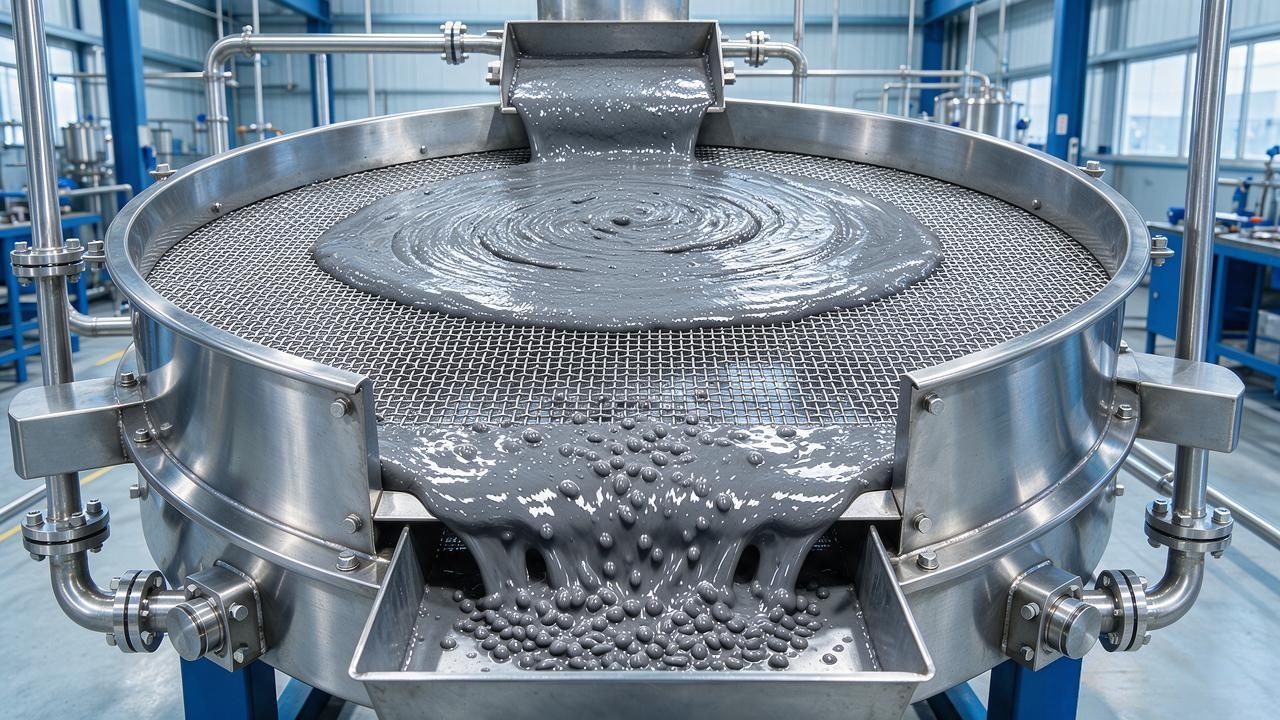
For this reason, the Key Points for Choosing a Vibrating Sieve for High-Viscosity Slurry Filtration include slurry properties, screen opening, open area, processing capacity, vibration conditions, cleaning, and material compatibility.
Why Is High-Viscosity Slurry Difficult to Screen?
Viscosity is only one part of the screening problem. Solids concentration, particle adhesion, temperature, particle characteristics, and rheological behavior can also affect material movement and screen blinding.Viscous slurry may drain slowly through the openings and form a thicker layer on the screen. Sticky particles may adhere to the mesh or lodge in the openings, gradually reducing the effective open area.
What Information Should Be Collected Before Selection?
Actual process data provides a better basis for equipment selection than describing the material only as “high-viscosity slurry.”
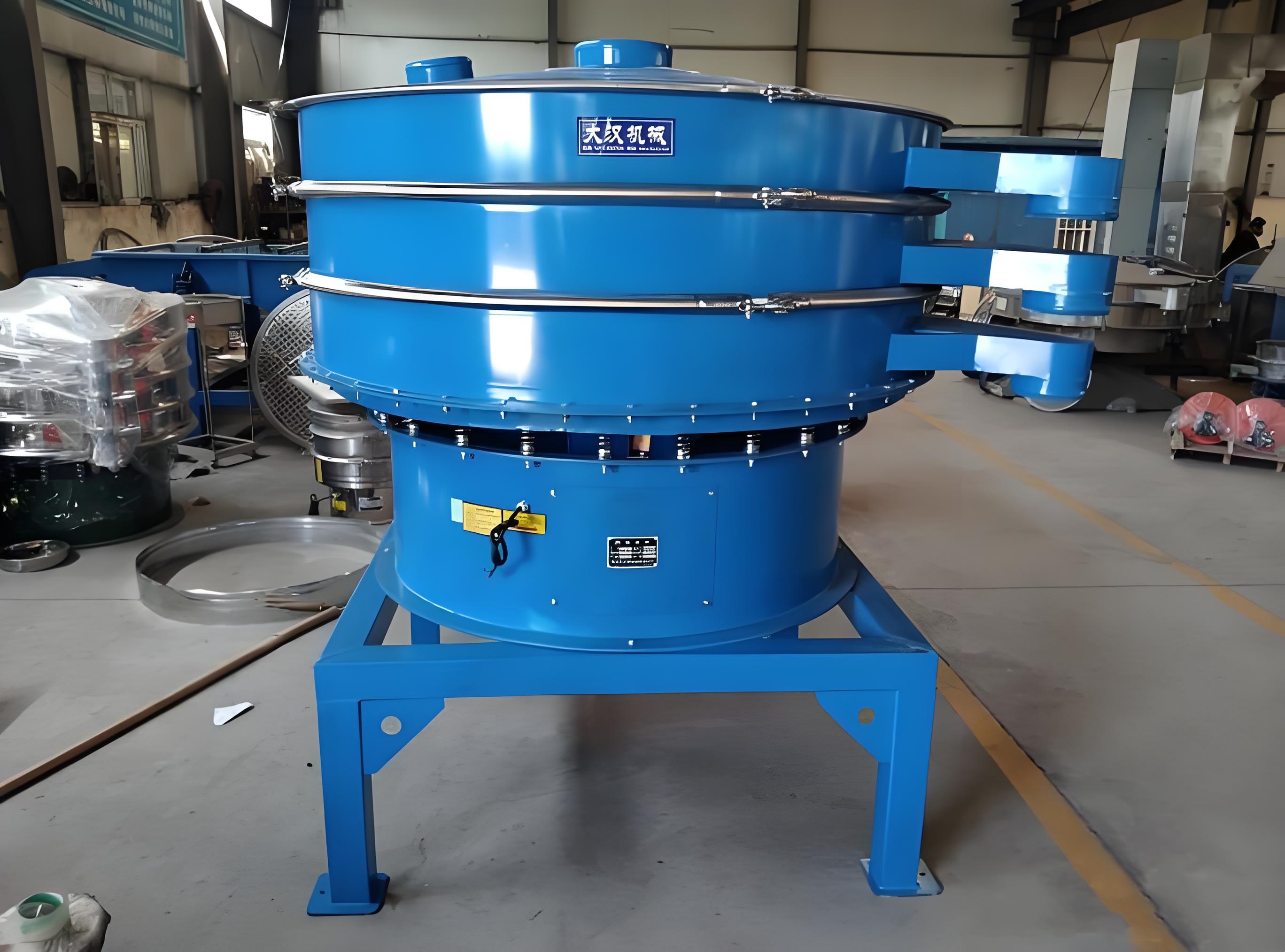
One of the most important Key Points for Choosing a Vibrating Sieve for High-Viscosity Slurry Filtration is to define the actual material and operating conditions before selecting equipment.
| Slurry Parameter | Why It Matters |
|---|---|
| Viscosity | Influences drainage and material movement |
| Solids concentration | Determines screening load |
| Particle size | Determines separation requirements |
| Particle characteristics | Affect passage and blockage |
| Adhesiveness | Indicates blinding tendency |
| Temperature | Can change slurry flow behavior |
| Corrosiveness | Determines material compatibility |
| Abrasiveness | Affects screen wear |
How Should Screen Opening and Open Area Be Selected?
The screen opening should match the actual separation objective.When the purpose is coarse impurity removal, an unnecessarily fine screen may reduce capacity and increase blockage without providing additional value. Fine filtration may require a smaller opening, but smaller openings also reduce available passage area and can increase blinding.
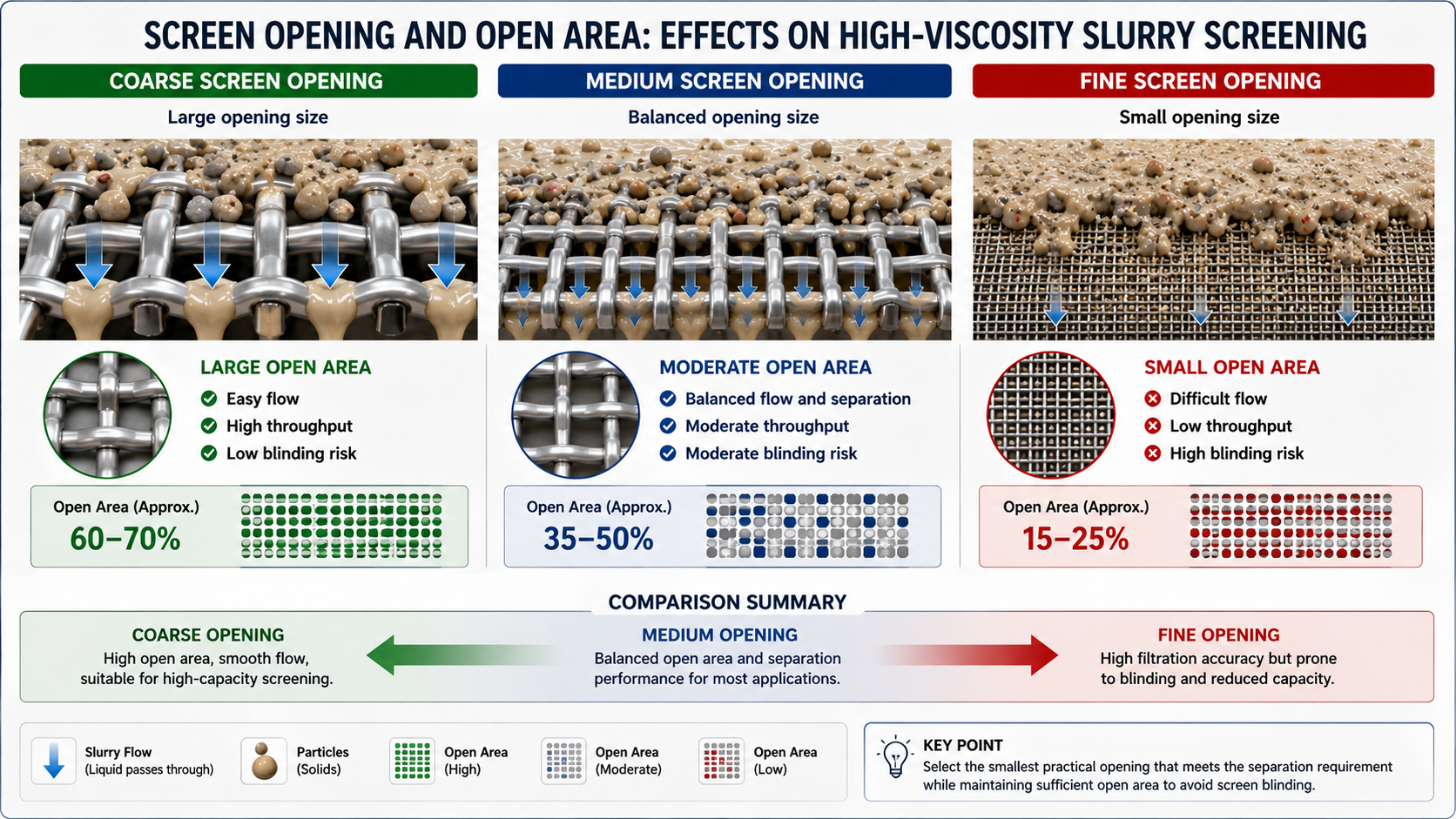
Smaller opening → finer separation but greater blockage risk
Larger opening → greater open area and easier flow but less fine separation
For high-viscosity slurry, the best starting point is generally not the finest available opening. The selected opening should be the smallest practical size that meets the separation requirement while retaining sufficient open areaThis is one of the most important Key Points for Choosing a Vibrating Sieve for High-Viscosity Slurry Filtration.
How Does Processing Capacity Affect Screen Size?
Nominal capacity should not be treated as a universal value.Actual throughput is affected by viscosity, solids concentration, screen opening, feed rate, temperature, filtration accuracy, and screen blinding. A viscous slurry may require more effective screening area when the material is difficult to drain or has a high solids load.
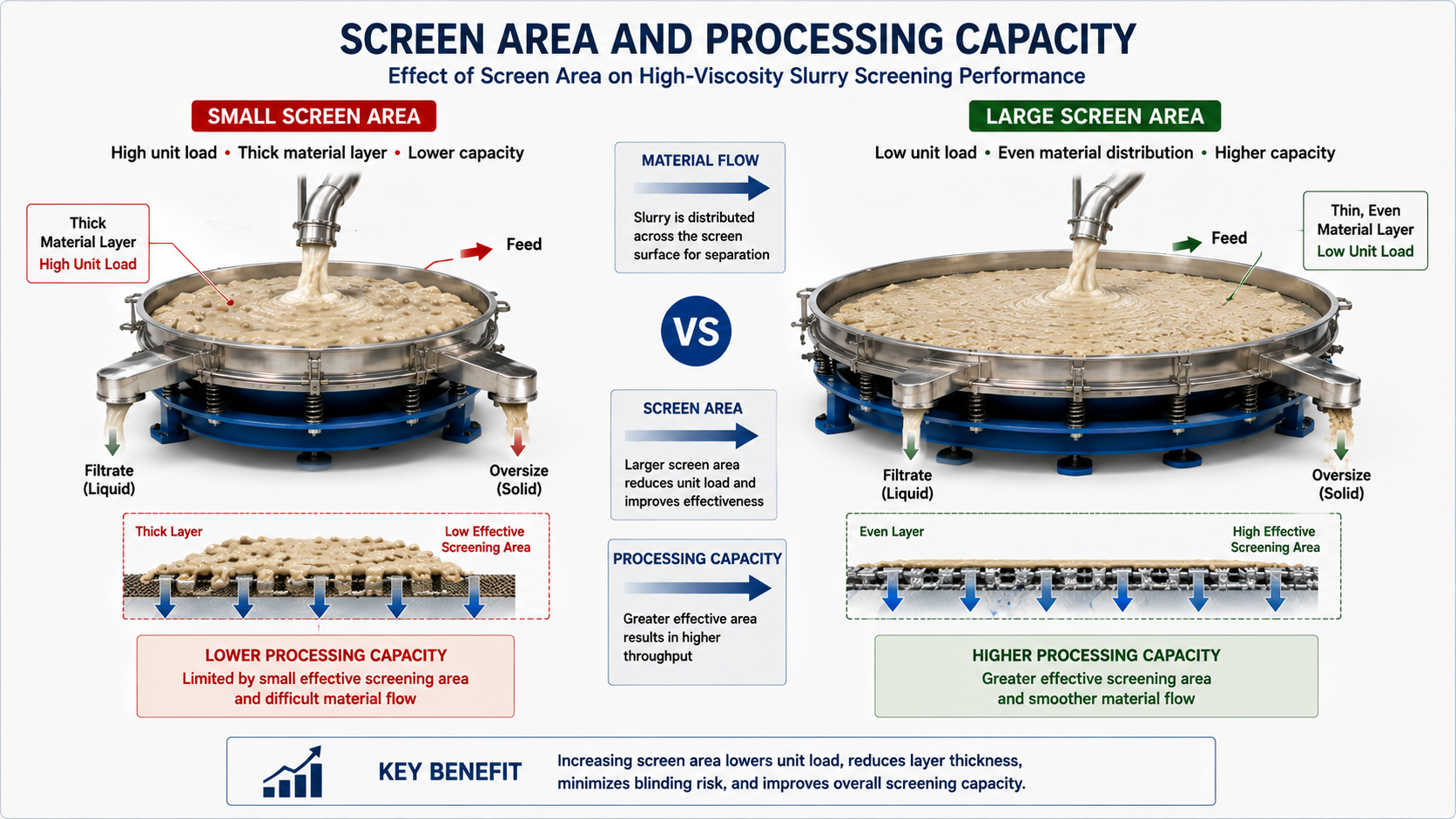
A practical selection sequence is:
Required capacity → slurry properties → filtration requirement → screen opening → effective screen area
This is more reliable than applying capacity data obtained with different materials.
How Do Residence Time and Vibration Affect Screening?
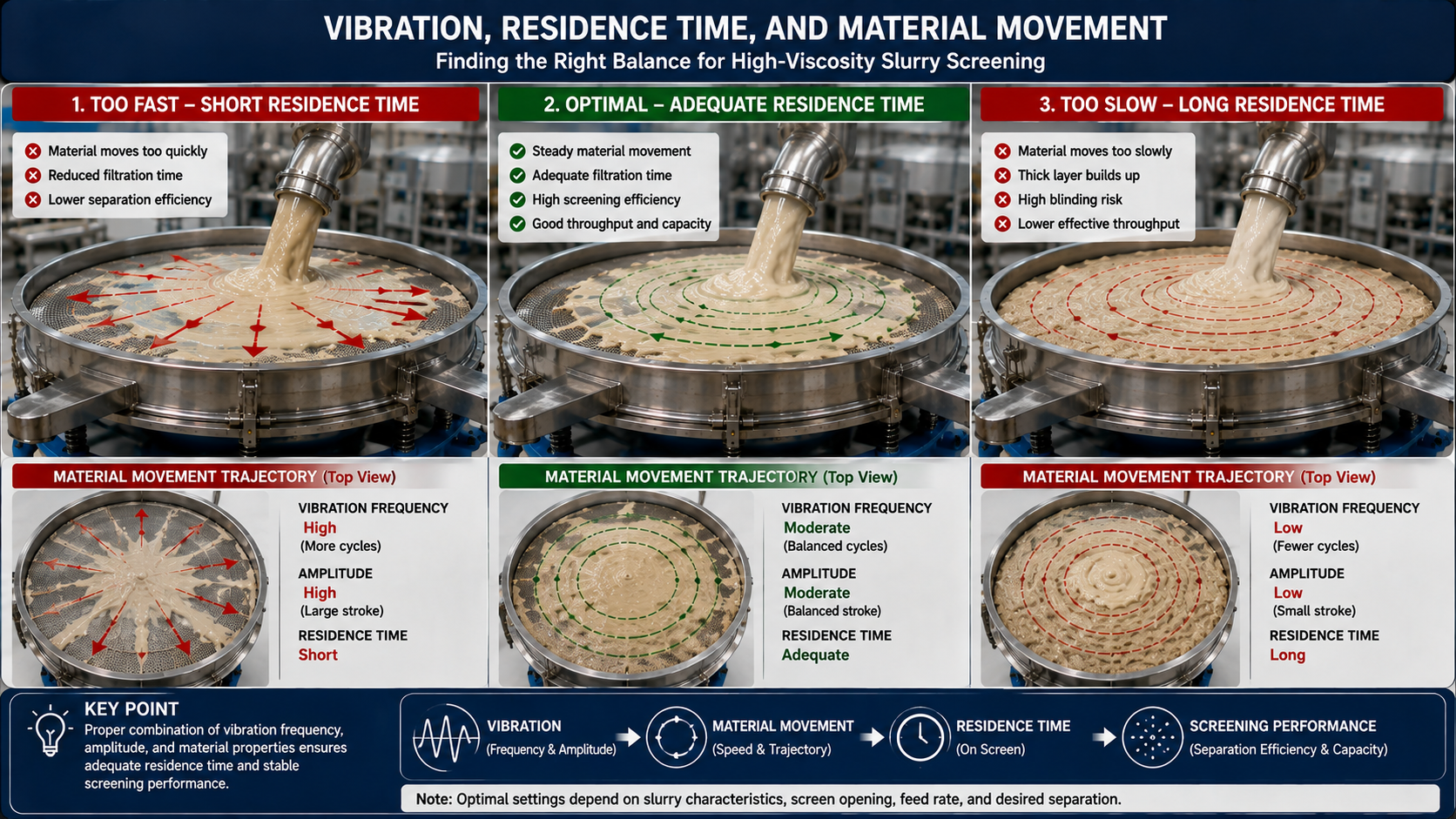
The slurry needs sufficient time on the screen for liquid to pass through and for the required separation to occur.Excessive movement can shorten filtration time, while insufficient movement can cause material accumulation. Frequency and amplitude should therefore be considered together with screen opening, feed rate, and material layer thickness.The Key Points for Choosing a Vibrating Sieve for High-Viscosity Slurry Filtration therefore include vibration behavior, not motor power alone.
How Can Screen Blinding Be Prevented?
Screen blinding can occur when sticky particles adhere to the mesh, particles lodge in the openings, or a thick slurry layer covers the screening surface.
The resulting cycle can be:
Blockage → lower open area → slower filtration → thicker material layer → more blockage
The cleaning method should match the blocking mechanism. Coarse accumulation may require better material movement or discharge, while fine or sticky particles may require a suitable deblinding method.Increasing vibration alone does not always solve the problem.
When Should Construction Material Be Considered?
Construction material should be selected according to the slurry's chemical, hygienic, abrasive, and temperature requirements.
| Slurry Condition | Main Consideration |
|---|---|
| Neutral slurry | Durability and corrosion resistance |
| Food-related slurry | Hygiene and cleanability |
| Corrosive slurry | Chemical resistance |
| Abrasive slurry | Wear resistance |
| Temperature-sensitive slurry | Temperature compatibility |
When Is a Vibrating Sieve Not the Best Choice?
A vibrating sieve may require special configuration when the slurry is extremely viscous, highly adhesive, contains a very high solids concentration, or rapidly blinds available screen openings.The important question is not simply whether a vibrating sieve can process the material, but whether the required separation performance can be maintained continuously and economically.
Some highly viscous slurries may require a different or combined separation approach when flow, blockage, or filtration requirements exceed the practical capability of conventional screening.
A Practical Selection Example
Consider a slurry containing fine solids, relatively high viscosity, and a requirement to continuously remove oversized particles.
Define the separation target.: Determine which particle size must be retained or removed.
Confirm slurry conditions: Check viscosity, solids concentration, temperature, particle size, and adhesion tendency.
Select a practical screen opening: Choose an opening that meets the separation requirement while maintaining useful open area.
Evaluate movement and blinding: Check whether feeding and vibration provide sufficient movement without causing excessive blockage or reducing useful residence time.
Verify continuous throughput: Judge the final configuration by stable operating performance rather than short-term screening results.
When Should a Slurry Screening Test Be Conducted?
An actual material test is particularly useful when viscosity or solids concentration is high, particles are adhesive, fine filtration is required, screen blinding is expected, or required capacity is uncertain.Testing can help determine whether the selected opening provides adequate separation, whether the material layer remains stable, and whether the expected throughput can be maintained.
For difficult applications, testing can also indicate whether a different screen opening, cleaning method, or equipment configuration is needed.
Common Selection Mistakes
Increasing Vibration to Solve Every Problem
More vibration may improve material movement but will not necessarily solve particle adhesion or blocked openings.
Skipping an Actual Material Test
For unfamiliar or difficult slurry, theoretical selection alone may not predict continuous operating performance.
Dahan's Approach to High-Viscosity Slurry ScreeningDahan evaluates slurry type, viscosity, solids concentration, target filtration size, required capacity, temperature, corrosiveness, abrasiveness, and known blinding behavior when reviewing a high-viscosity slurry application. Where material behavior is difficult to predict, an actual screening test can help determine a suitable configuration.
Frequently Asked Questions Should a finer screen always be selected for better filtration?
No. A finer opening may improve separation precision but can reduce effective open area and increase the risk of blinding. The correct opening should balance filtration accuracy with stable throughput.
Why does high-viscosity slurry block the screen?
Common causes include particle adhesion, high solids concentration, excessive loading, an opening that is too fine, uneven material distribution, and insufficient cleaning.
How can screening capacity be improved?
Capacity can often be improved by optimizing screen area, opening size, feed distribution, vibration conditions, and blockage control. The best adjustment depends on the slurry.
What information is needed for equipment selection?
Provide slurry type, viscosity, solids concentration, particle size, target filtration size, required capacity, operating temperature, corrosiveness, abrasiveness, and known screen-blinding problems.
Conclusion
The most important Key Points for Choosing a Vibrating Sieve for High-Viscosity Slurry Filtration are not limited to machine diameter, mesh number, or motor power.
Slurry properties → screen opening → open area → effective screen area → residence time → vibration → blockage control → material compatibility
High viscosity alone does not determine screening performance. Adhesion, solids concentration, temperature, and particle characteristics can also affect the result.The best configuration is not necessarily the finest screen or the largest machine. It is the configuration that achieves the required separation while maintaining acceptable throughput and stable operation.
For difficult or unfamiliar slurry, actual material testing is often the most reliable final step before equipment selection. Dahan can evaluate the available process information and help determine a suitable screening configuration based on the application requirements.
-
Preventing Mesh Clogging in High-Moisture Grain Screening: Practical Solutions
Screening grains with elevated moisture levels routinely triggers severe mesh blinding. ...
-
5 Essential Tips for Selecting the Right Vibro Sifter for Fine Powders
Selecting the right vibro sifter for fine powders requires more than choosing a machine with a fine mesh or a high advertised capacity. ...
-
How to Prevent Mesh Blinding During Fine Powder Sifting for Higher Yields
In fine powder processing, mesh blinding (also known as screen pegging or clogging) is one of the most persistent operational hurdles...

Email:
sale@xxdahan.com
WhatsApp:
+86 15236742901
Add:
1000m West of Forest Park,Yanjin County,Xinxiang City,Henan Province,China.