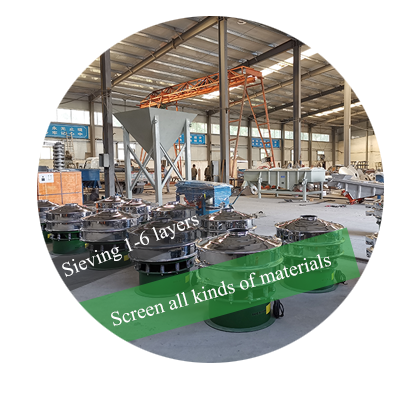
How to Balance Quality and Cost When Buying an Industrial Vibro Sifter?
Buying an industrial vibro sifter is not simply a matter of choosing the lowest quotation. The better approach is to match machine size, construction material, screening accuracy, cleaning method, durability, and operating conditions with the actual application. How to Balance Quality and Cost When Buying an Industrial Vibro Sifter depends on identifying which specifications directly affect production and which features add cost without meaningful benefit.
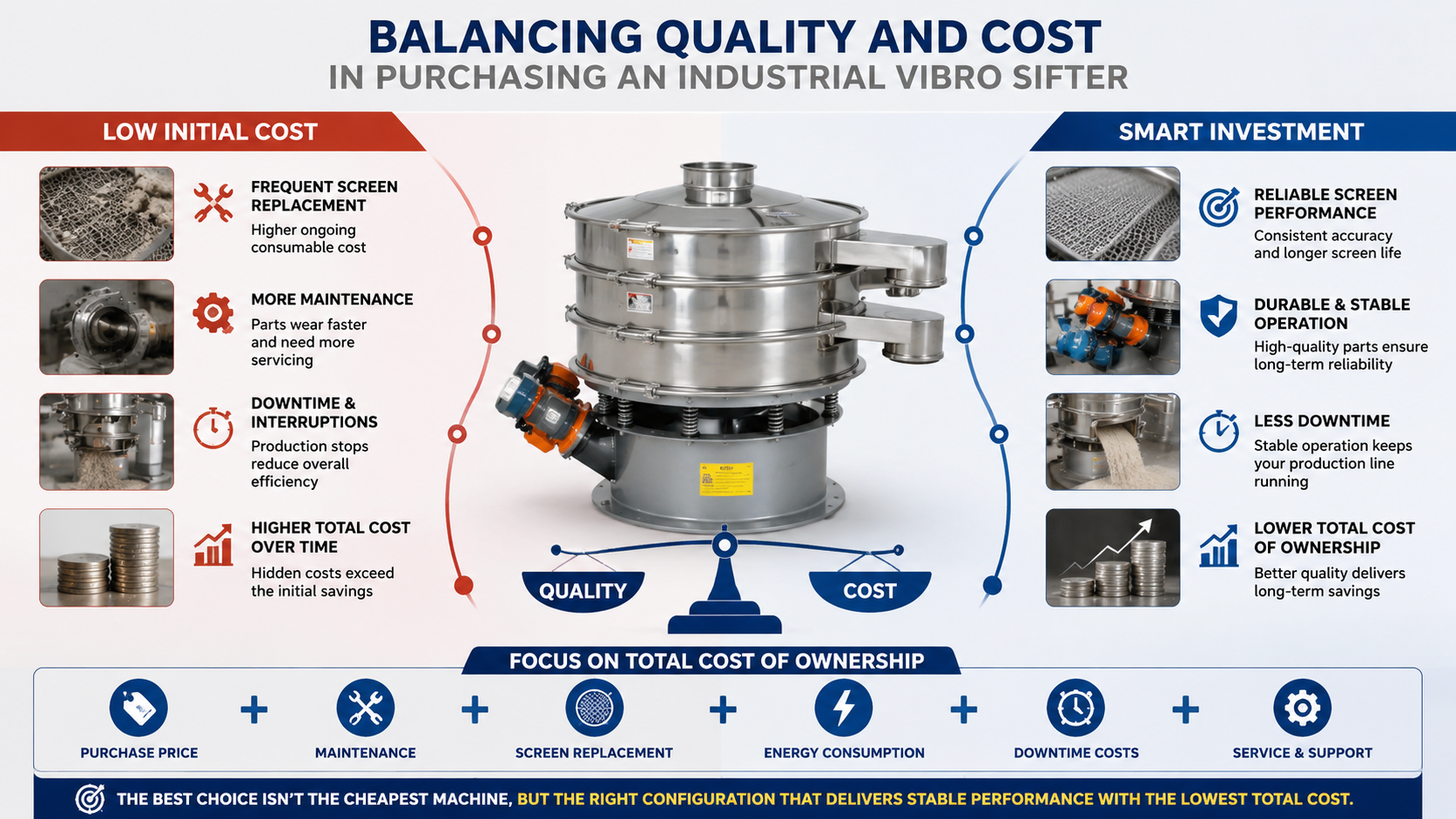
A low purchase price can become expensive through frequent screen replacement, maintenance, or downtime, while an unnecessarily high specification can increase investment without improving results.
What Does Good Value Mean When Buying an Industrial Vibro Sifter?
Good value means obtaining the required screening result reliably while controlling the total cost of ownership.
Required Performance + Appropriate Quality + Total Cost of OwnershipRequired performance covers capacity, particle size, screening accuracy, and material characteristics. Quality covers construction, screen durability, vibration stability, sealing, and maintenance. Total cost includes purchase, replacement parts, maintenance, energy, and downtime.The starting point should therefore be the actual process requirement, not the equipment quotation.
How Material Characteristics Affect Equipment Cost?
Material characteristics determine how demanding the screening process will be.
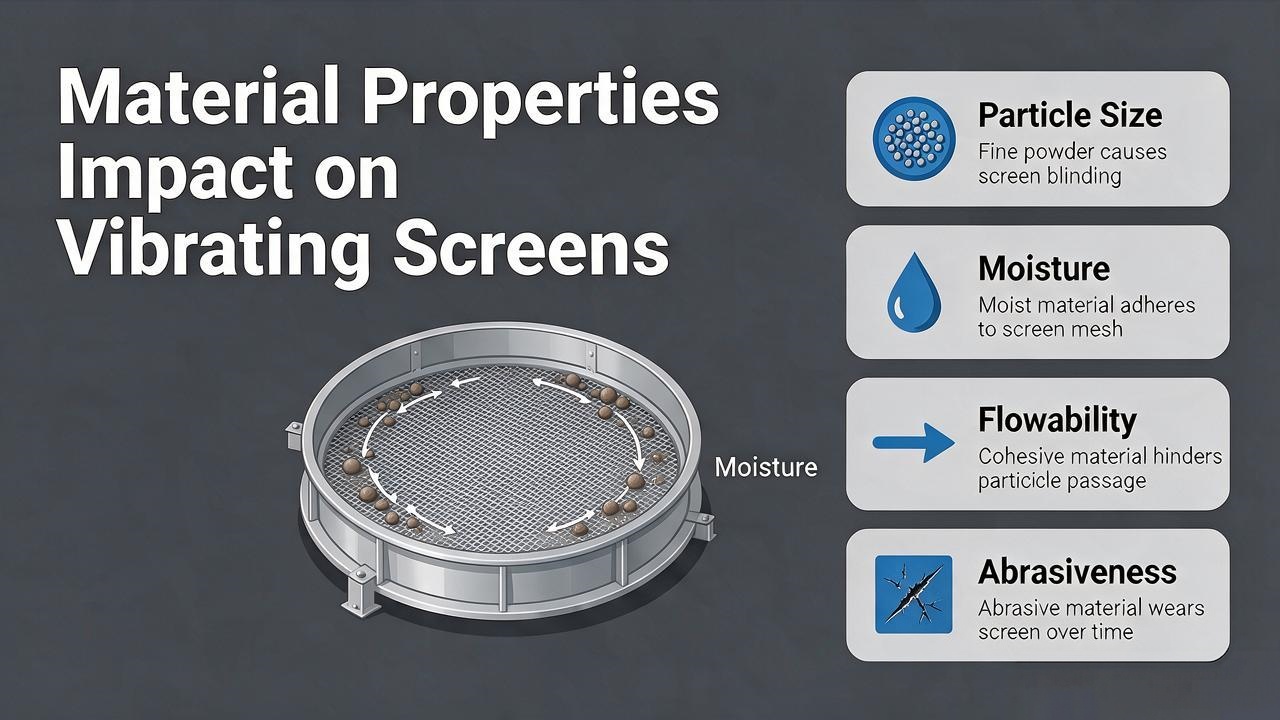
Show Material Characteristics
Particle Size
Fine powders require an appropriate mesh opening and stable material movement. Very fine separation can also increase the risk of mesh blinding, making screen cleaning more important.
Coarser, free-flowing materials may not require an advanced cleaning arrangement. Selecting the correct mesh and screening area can be more economical than adding unnecessary features.
Moisture and Flowability
Moist, cohesive, or easily agglomerated materials can stick to the screen and reduce the effective screening area. In these applications, suitable cleaning and stable vibration may provide more value than simply increasing machine size.
Abrasiveness
Abrasive materials can accelerate screen and component wear, making durable components worthwhile when replacement is frequent.
Which Quality Factors Actually Affect Vibro Sifter Cost?
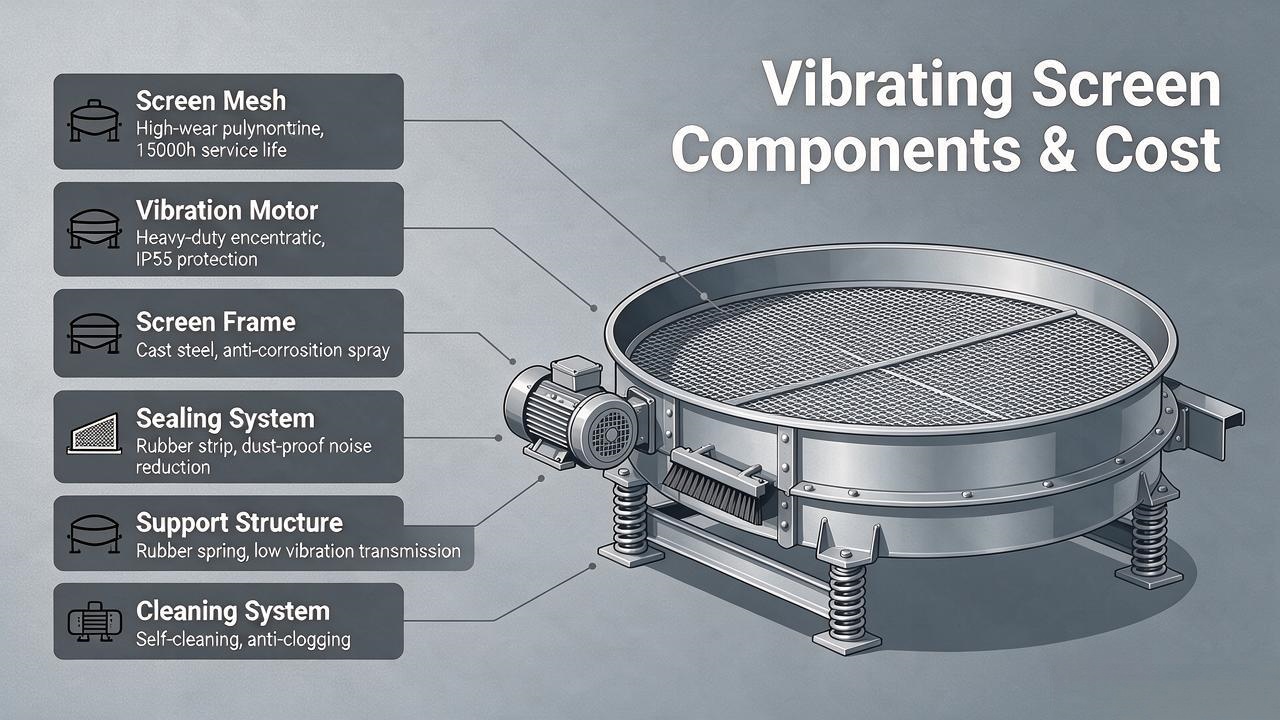
Show Quality Factors
Machine Material
Carbon steel can be suitable for many general industrial applications. Stainless steel becomes more valuable when hygiene, corrosion resistance, frequent cleaning, or material compatibility is important.
The key question is whether the additional material cost solves a genuine process requirement.
Screen Mesh Quality
The screen directly affects separation accuracy and throughput. Consider mesh specification, tension, expected service life, replacement convenience, and material compatibility.
A low-priced screen is not economical if it requires frequent replacement, while the most expensive screen is unnecessary when a standard specification can meet the application.
Vibration System
Stable vibration is essential for consistent material movement and separation. Higher vibration intensity is not automatically better: excessive vibration can increase mechanical stress and screen wear, while insufficient vibration can reduce screening efficiency.
The vibration system should be matched to the material, screening area, capacity, and operating conditions rather than selected by motor power alone.
Sealing and Structural Design
Good sealing helps reduce material leakage, while robust screen frames, clamps, supports, welds, bearings, and connection points are important for continuous operation.
These features may not be obvious from a quotation, but they can influence service life and maintenance frequency.
Screen Cleaning System
Cleaning should be selected according to the screening problem. Free-flowing materials may work well with a standard arrangement, while fine or cohesive powders that repeatedly blind the mesh may justify a more advanced cleaning method.
An upgrade is worthwhile when it solves an actual production problem.
How Capacity and Machine Size Affect the Purchase Decision?
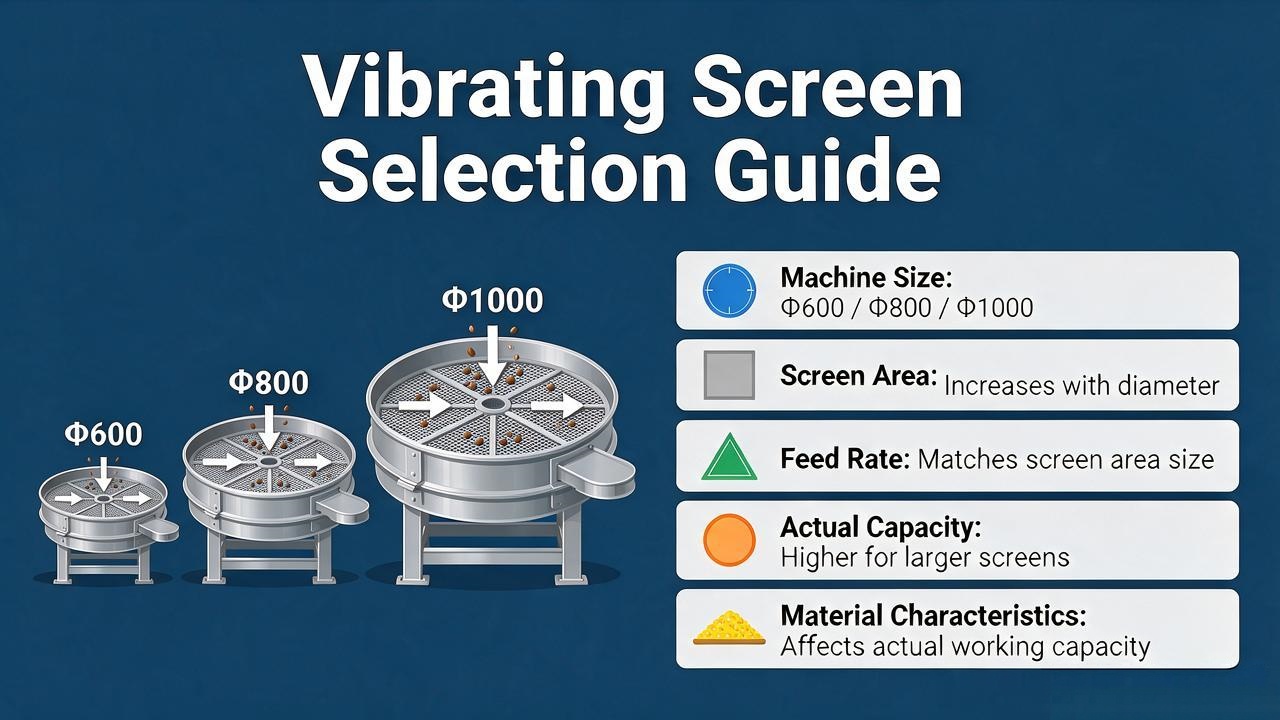
Machine size should be based on actual process requirements rather than the largest available specification.Maximum nominal capacity is not guaranteed production capacity. Actual throughput varies with material density, particle size, moisture, flowability, feed rate, mesh opening, number of decks, and required separation.
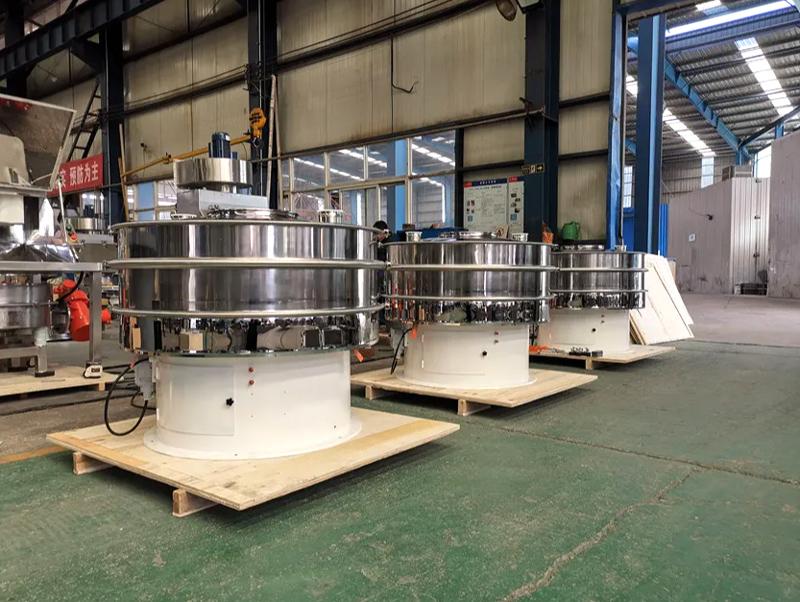
An oversized machine can increase capital cost without providing a proportional production benefit, while an undersized machine may struggle to maintain the required throughput.Before requesting a quotation, provide the expected feed rate and material characteristics. Ask the supplier to state the expected working capacity under your actual material conditions, rather than quoting only the maximum theoretical capacity.
Which Vibro Sifter Features Are Worth Paying More For?
A practical rule is:Spend more where a specification directly improves screening performance, reliability, service life, or maintenance efficiency.A more durable screen can be worthwhile for abrasive materials. Suitable stainless-steel construction can justify additional investment where corrosion resistance or hygiene is essential. Advanced cleaning can provide value when mesh blinding repeatedly interrupts screening.
Extra decks, oversized dimensions, extensive customization, and advanced accessories should only be included when they solve a specific production requirement.
| Configuration | When the Extra Cost Is Justified | When a Lower-Cost Choice May Be Better |
|---|---|---|
| Stainless-steel construction | Hygiene or corrosion resistance is required | General dry industrial screening |
| Multiple decks | Several particle sizes must be separated | Only one separation is required |
| Advanced screen cleaning | Fine or cohesive material causes mesh blinding | Material flows freely |
| Larger screening area | Actual throughput requires additional capacity | Production volume is moderate |
| Customized inlet or outlet | Process integration requires special dimensions | Standard connections are suitable |
| Heavy-duty construction | Continuous and demanding operation | Intermittent or light-duty screening |
This is the practical meaning of How to Balance Quality and Cost When Purchasing an Industrial Vibro Sifter: invest in specifications that solve real process requirements and avoid paying for features that do not.
Where Can You Reduce Cost Without Sacrificing Screening Performance?
Show Cost Reduction MethodsSelect the Correct Machine Size: Choose sufficient screening area for the actual feed rate and separation requirement. Avoid paying for substantially more capacity than the process needs.
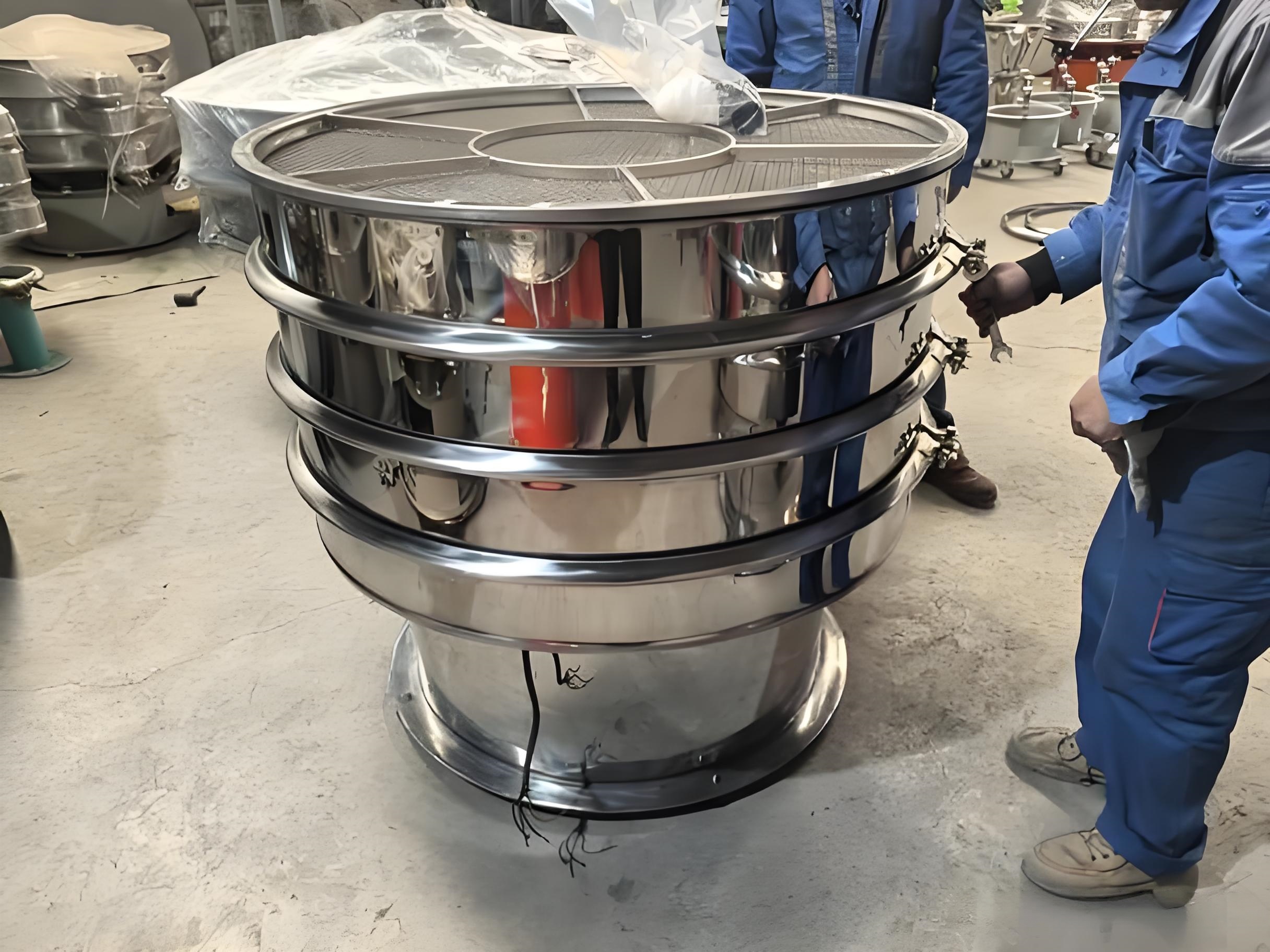
Avoid Unnecessary Screening Decks: A single deck may be sufficient for impurity removal or one-stage screening. Multiple decks become valuable when several particle-size fractions must be separated.
Control Material Upgrades and Customization: Consider corrosion, hygiene, cleaning requirements, and material compatibility before choosing a higher-cost material. Add customized dimensions, supports, outlets, or accessories only when production-line integration requires them.
How to Compare Vibro Sifter Quotes Beyond the Final Price?
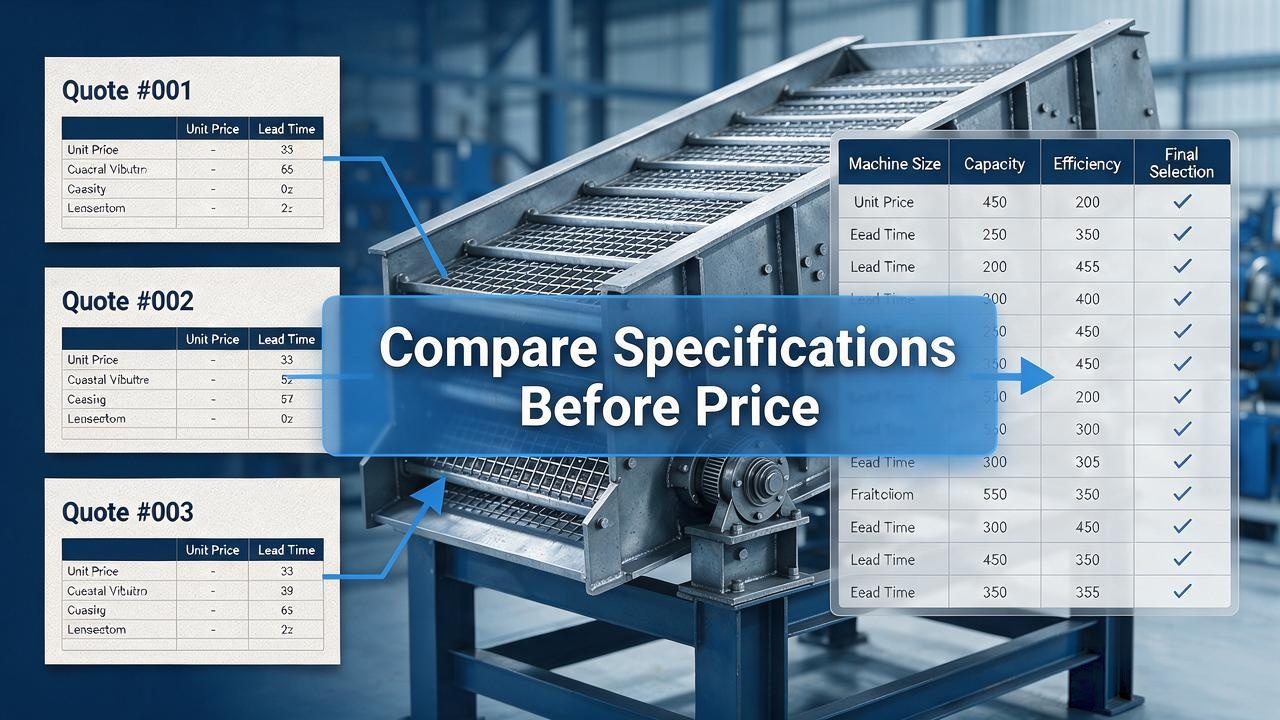
The final quotation should not be the only comparison point. Two machines with similar prices may have different materials, screen specifications, cleaning systems, motor configurations, warranty conditions, or spare-part costs.
| Item | Supplier A | Supplier B | Supplier C |
|---|---|---|---|
| Machine size | |||
| Processing capacity | |||
| Construction material | |||
| Number of decks | |||
| Screen specification | |||
| Cleaning method | |||
| Motor configuration | |||
| Sealing arrangement | |||
| Spare screen cost | |||
| Warranty | |||
| Technical support | |||
| Final quotation |
If one quotation is substantially lower, determine why before deciding. A lower price may simply represent a lower specification.
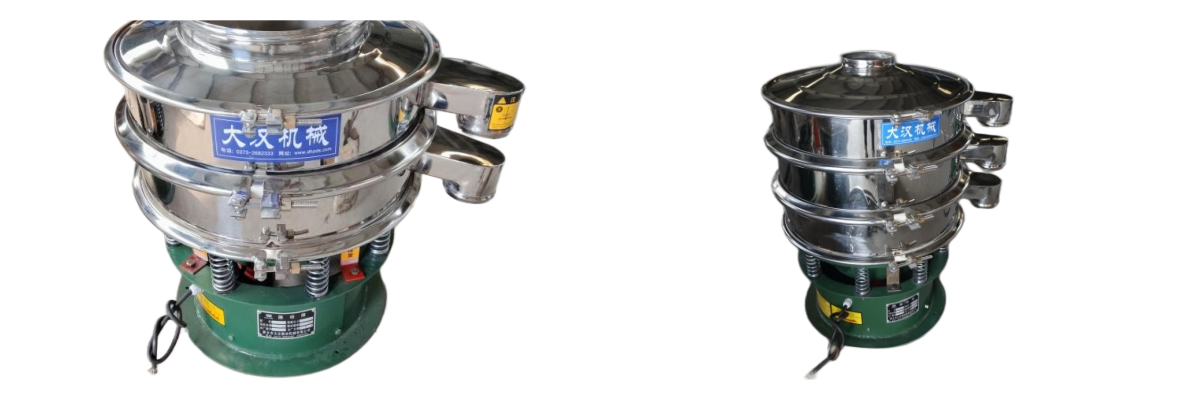
Therefore, How to Balance Quality and Cost When Purchasing an Industrial Vibro Sifter requires specification-to-specification comparison rather than selecting the supplier with the lowest initial price.
How to Verify Vibro Sifter Quality Before Purchasing?
Show Quality Verification MethodsA quotation and specification sheet should not be the only basis for a purchase decision.
- First, confirm that the recommended machine size is based on your material and required throughput rather than only a catalogue maximum.
- Second, verify construction material, screen specification, motor configuration, cleaning method, warranty, spare parts, and service scope.
- Third, when the material is difficult to screen or capacity is critical, a test using representative material can provide stronger evidence than theoretical capacity alone. It can help evaluate material movement, practical throughput, screen performance, and cleaning requirements.
Where possible, inspect screen-frame fit, clamps, sealing points, structural quality, vibration stability, and maintenance accessibility. These checks help confirm that the quoted configuration matches the actual application.
Purchase Price vs. Total Cost of Ownership
The initial purchase price is only one part of the economic picture.
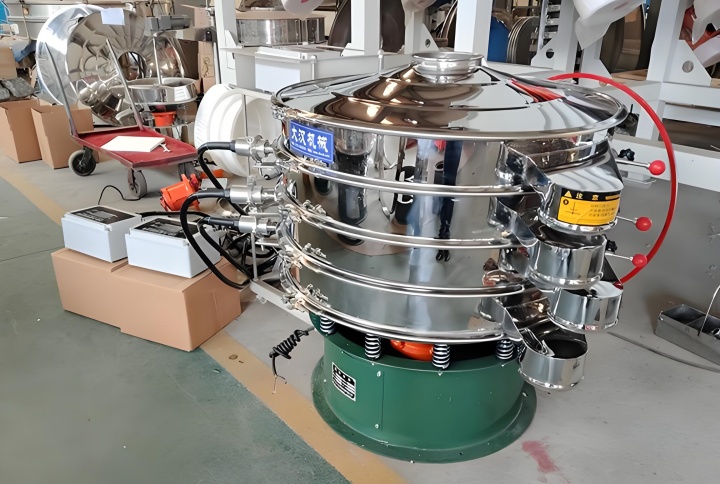
Total Cost of Ownership = Purchase Price + Maintenance + Screen Replacement + Energy + Downtime + Service Costs
For occasional screening, a reliable standard configuration may provide good value because operating hours are limited. For continuous production, durability and uptime become more important.Potential hidden costs include frequent mesh replacement, long cleaning times, difficult screen changes, unstable operation, and poor spare-part availability.A higher initial investment is justified when it reduces recurring operating costs or production interruptions; a higher specification alone does not justify a higher price.
Example: Choosing Between Standard and Higher-Specification Configurations
Show ExampleConsider a plant screening a dry, free-flowing powder at moderate throughput. The process requires one separation, the material is not corrosive, and mesh blinding is uncommon.
A standard single-deck configuration with suitable construction material and an appropriate screen may provide better value than a larger multi-deck machine with advanced cleaning.
In contrast, fine cohesive powder processed continuously may justify improved cleaning and more robust components because they can reduce interruptions and screen replacement.
The additional investment should be justified by a specific production requirement.
Quality vs. Cost: Which Configuration Fits Your Application?
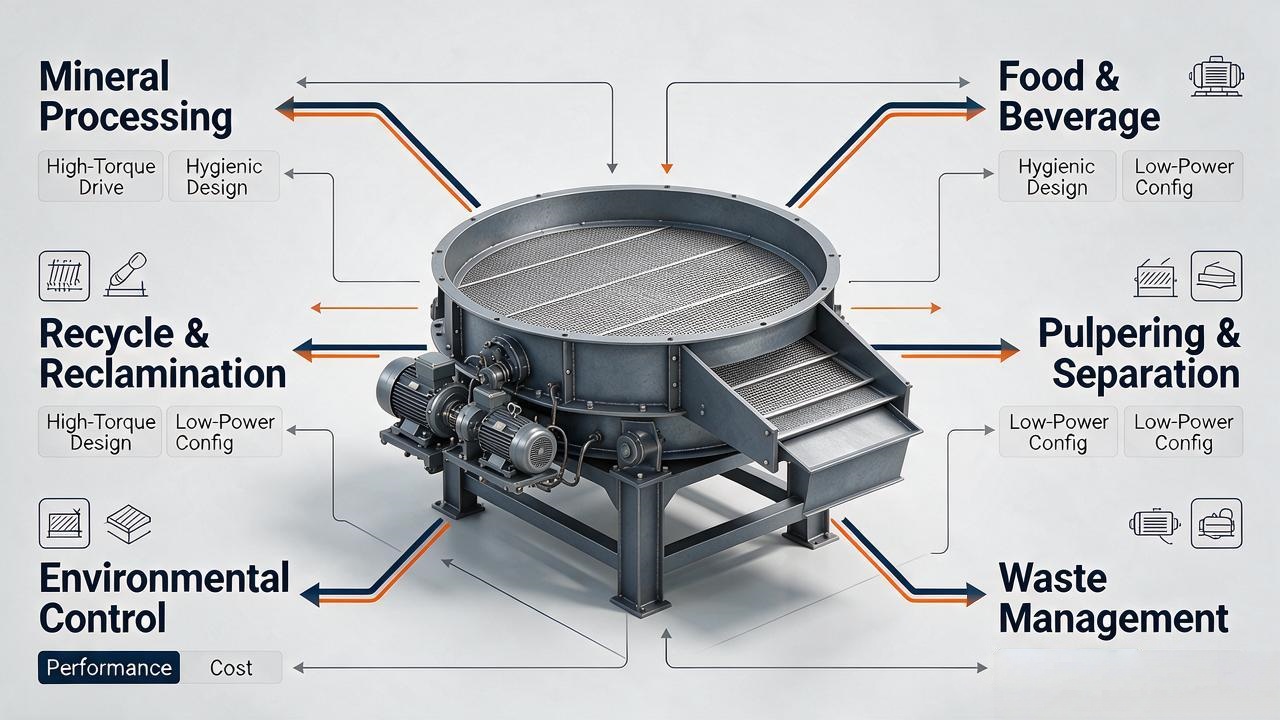
| Application Requirement | Cost Priority | Quality Priority | Practical Approach |
|---|---|---|---|
| General dry screening | High | Medium | Use a reliable standard configuration |
| Fine powder screening | Medium | High | Prioritize suitable mesh and cleaning |
| Corrosive material | Medium | Very High | Select appropriate corrosion-resistant construction |
| Hygiene-sensitive processing | Medium | Very High | Prioritize suitable sanitary materials |
| Single-size screening | High | Medium | Avoid unnecessary multiple decks |
| Multi-size classification | Medium | High | Select the required number of decks |
| Continuous production | Medium | Very High | Prioritize durability and operating stability |
| Occasional screening | High | Medium | Avoid unnecessary heavy-duty upgrades |
How to Select the Right Industrial Vibro Sifter?
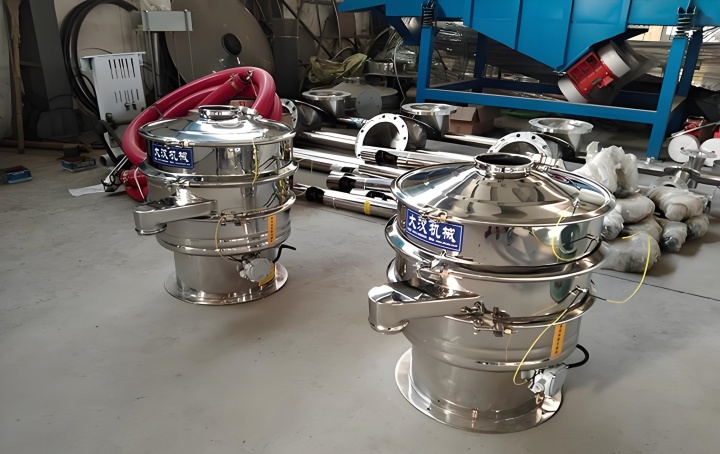
Show Selection Information
Before requesting a quotation, prepare the basic process information:
Material type: Powder, granule, or mixed particle; include moisture, density, flowability, cohesion, and abrasiveness when relevant.
Required capacity: Expected processing rate and operating hours, rather than only maximum advertised capacity.
Target particle size: Desired separation range and screening accuracy.
Number of separations: Impurity removal, one-stage screening, or multi-size classification.
Construction requirements: Corrosion, hygiene, cleaning conditions, and material compatibility.
Screen cleaning requirements: Standard cleaning or additional deblinding capability.
Operating conditions: Continuous or intermittent operation and relevant environmental conditions.
Total ownership cost: Purchase price together with maintenance, screen replacement, energy, downtime, spare parts, and service.
For an accurate configuration and quotation, provide these operating details before comparing equipment prices. Dahan can evaluate the required configuration according to material characteristics, capacity, screening requirements, and operating conditions.
Frequently Asked Questions
Is the cheapest industrial vibro sifter always the most economical choice?
No. A lower purchase price can be offset by frequent screen replacement, maintenance, downtime, or poor screening efficiency. The better choice is the configuration that meets the process requirement at a reasonable total cost.
How do I choose the right vibro sifter capacity?
Start with actual feed rate and material characteristics. Consider particle size, moisture, density, flowability, mesh opening, number of decks, and required separation. Do not select equipment based only on maximum nominal capacity.
Do I need multiple screening decks?
Only when the process requires multiple particle-size separations. For simple impurity removal or one-stage screening, additional decks may increase cost without providing a corresponding benefit.
Is an advanced screen cleaning system always necessary?
No. It depends on the material and the frequency of mesh blinding. Advanced cleaning becomes more valuable when fine or cohesive material repeatedly reduces screening efficiency.
How can I compare different vibro sifter quotations?
Compare equivalent specifications rather than final prices alone. Review machine size, capacity, construction material, screen specification, cleaning method, motor configuration, maintenance requirements, spare parts, warranty, and service conditions.
Conclusion
The most economical industrial vibro sifter is not necessarily the cheapest machine or the one with the highest specification. The better choice is the configuration that matches the actual process.
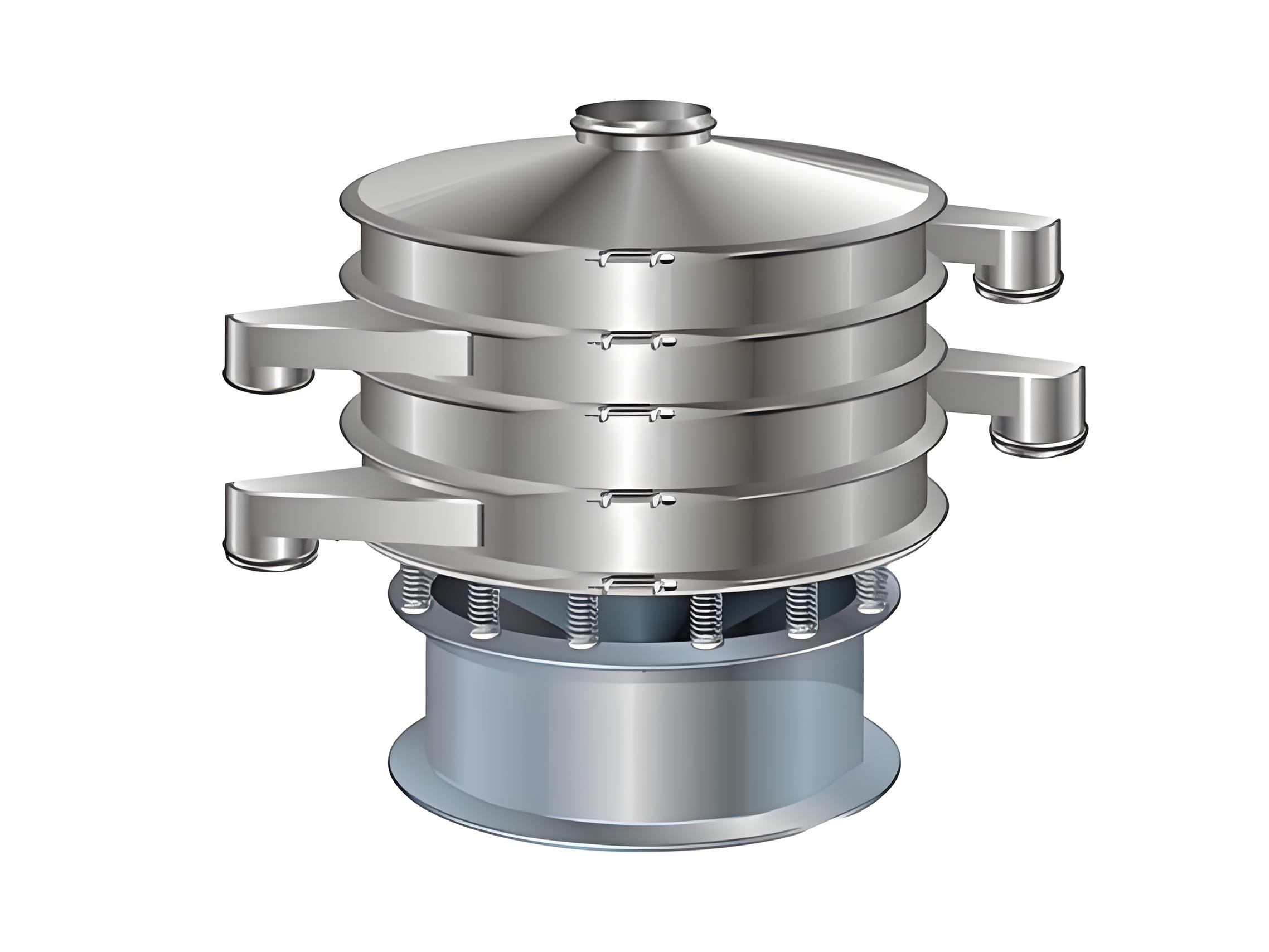
The key to How to Balance Quality and Cost When Purchasing an Industrial Vibro Sifter is to distinguish essential performance from optional upgrades. Spend more where quality directly affects screening accuracy, durability, uptime, maintenance, or material compatibility, and reduce cost where additional specifications do not create meaningful operational value.
Dahan can provide a configuration based on actual material, capacity, particle size, separation requirements, and operating conditions. Comparing equivalent specifications, verifying performance, and considering total ownership cost provides a more reliable basis for purchasing than simply choosing the lowest initial price.
-
How to Prevent Static in Plastic Powder Sieving: Proven Methods & Equipment
When processing fine plastic resins like PE, PVC, or ABS, fine particles frequently cling to the stainless steel mesh instead of passing through ...
-
5 Essential Tips for Selecting the Right Vibro Sifter for Fine Powders
Selecting the right vibro sifter for fine powders requires more than choosing a machine with a fine mesh or a high advertised capacity. ...
-
How to Prevent Mesh Blinding During Fine Powder Sifting for Higher Yields
In fine powder processing, mesh blinding (also known as screen pegging or clogging) is one of the most persistent operational hurdles...

Email:
sale@xxdahan.com
WhatsApp:
+86 15236742901
Add:
1000m West of Forest Park,Yanjin County,Xinxiang City,Henan Province,China.