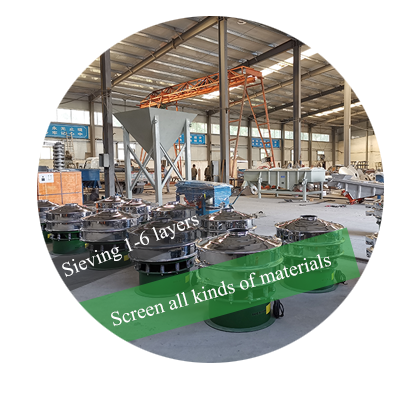
Choosing Stainless Steel Vibrating Screen Mesh for High-Temperature Screening
Selecting stainless steel vibrating screen mesh for high-temperature screening requires more than choosing a mesh size or stainless steel grade. Heat exposure, oxidation, chemical contact, abrasive particles, and repeated temperature changes can all affect mesh performance. The right specification depends on the actual operating conditions, not temperature alone.
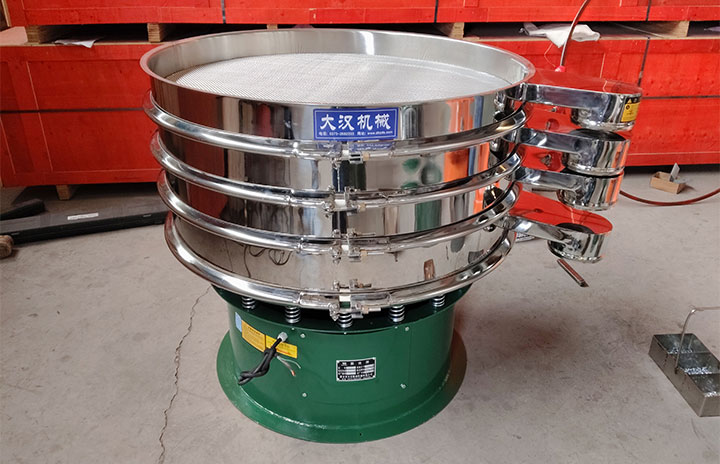
Before selecting the mesh, identify the normal and peak operating temperatures, exposure duration, material characteristics, required separation size, and screen support structure. These details help determine which stainless steel grade, wire diameter, aperture, and weave should be evaluated for the application.
Stainless Steel Grades for High-Temperature Screening
Stainless steel grades differ in their resistance to oxidation, corrosion, and elevated temperatures. For vibrating screen mesh, the selection also needs to account for vibration, particle impact, wire tension, and the duration of heat exposure. A grade suitable for one hot screening process may not perform equally well under different operating conditions.
Three grades commonly considered for evaluation are 304, 316/316L, and 310S. They should not be treated as interchangeable options or ranked by temperature resistance alone.
| Stainless Steel Grade | Key Selection Consideration | Information to Verify |
|---|---|---|
| 304 | A general-purpose option to evaluate when the operating environment and required mechanical properties are compatible with the material. | Actual operating temperature, oxidation conditions, chemical exposure, and mechanical loading. |
| 316 / 316L | Worth evaluating when corrosion resistance is an important requirement. Its suitability for elevated-temperature service must be assessed separately. | Corrosive substances, temperature and exposure duration, and the applicable material data. |
| 310S | A candidate for applications where resistance to high-temperature oxidation is a major consideration. | Operating atmosphere, peak temperature, thermal cycling, mechanical strength requirements, and service conditions. |
Check More Than the Maximum Temperature
Before specifying a stainless steel grade, distinguish between continuous operation, short periods of peak temperature, and repeated heating and cooling. These conditions can place different demands on the mesh. The surrounding atmosphere and contact with process chemicals may also change which material is appropriate.
For vibrating screen applications, material selection should also consider wire diameter, screen tension, support design, and particle impact. Confirm the proposed grade against reliable material data and the actual service conditions before ordering. If the temperature profile or chemical environment is uncertain, provide those details to the mesh supplier for technical evaluation.
How Should Aperture and Wire Diameter Be Selected for Hot Materials?
For high-temperature screening, aperture and wire diameter should be selected according to the required separation size, particle characteristics, and mechanical load on the screen. The mesh must provide the required openings while maintaining sufficient strength under operating conditions.
| Specification | Effect on Screening | What to Consider |
|---|---|---|
| Aperture | Determines the size of openings through which particles can pass. | Target separation size, particle size distribution, and the risk of particles lodging in the openings. |
| Wire Diameter | Affects mesh strength, opening size, and available screening area. | Particle impact, abrasive wear, support conditions, and the required service strength. |
| Open Area | Influences the available space for particles to pass through the mesh. | The balance between screening capacity, wire strength, and the required aperture. |
Account for the Actual Hot-Material Conditions
Hot particles may also create mechanical challenges depending on their size, shape, hardness, and impact force. Abrasive materials may require a different wire diameter or support arrangement from fine, low-impact particles. If particles tend to adhere, agglomerate, or lodge in the openings, changing the aperture alone may not solve the problem.
For example, when screening hot, abrasive granules, the selection should consider both the required separation size and the impact load on the mesh. When screening fine particles that tend to build up on the wire surface, aperture geometry and the cleaning method also need evaluation. These are illustrative selection scenarios; the final specifications depend on the actual material and operating conditions.
Before ordering, confirm the required aperture, wire diameter, mesh dimensions, and installation method. Avoid selecting a finer mesh based on separation accuracy alone, because smaller openings and different wire dimensions can affect open area, strength, and screening performance.
Weave Types for High-Temperature Screen Mesh
The right weave for high-temperature vibrating screen mesh depends on the required aperture, wire diameter, separation accuracy, and mechanical demands of the application. Weave type should be selected together with the stainless steel grade and screen structure, rather than treated as an independent indicator of heat resistance.
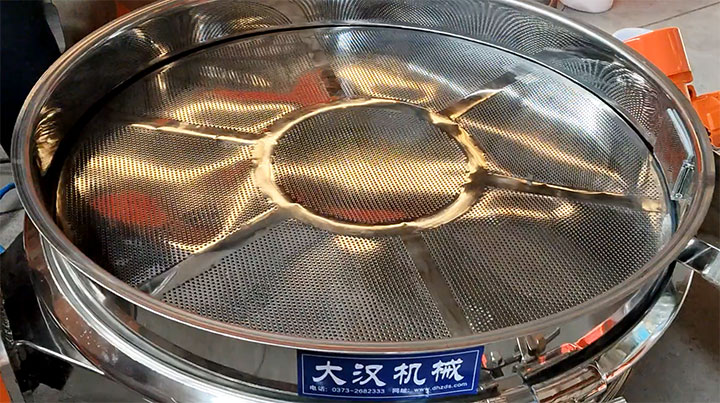
Plain weave uses an alternating over-and-under wire pattern. It is worth considering when the required opening size and screening accuracy can be achieved with this construction.
Twill weave allows each wire to pass over and under multiple wires in a repeating pattern. Its suitability depends on the required combination of wire diameter, aperture, and mesh construction.
Dutch weave uses different wire arrangements in the two directions to create a fine, dense mesh. Because it is commonly associated with filtration, confirm that the specific construction is suitable for the required vibrating screening task before specifying it.
For high-temperature applications, also verify the operating temperature, exposure conditions, wire dimensions, support arrangement, and installation method. No weave type is automatically more heat-resistant simply because of its construction.
What Other Screen Specifications Matter in High-Temperature Applications?
Even when the stainless steel grade and mesh opening are suitable, an incorrect screen size or mounting arrangement can affect installation and screening performance. High-temperature screen mesh should be specified according to the equipment design and the mechanical conditions during operation.
Screen dimensions: Confirm the required length, width, diameter, or other finished dimensions against the equipment drawing. Do not rely on nominal dimensions alone if the mesh requires a specific edge finish or mounting allowance.
Mounting and support: Identify whether the mesh is tensioned, fixed in a frame, or installed using another support arrangement. The mounting method affects how the mesh is secured and supported under vibration.
Edge construction: Check whether the screen requires reinforced edges, hooks, a framed assembly, or another specified attachment. The finished construction must match the existing screen deck or equipment design.
Thermal movement and mechanical loading: Consider whether operating heat, repeated heating and cooling, vibration, and particle impact may affect the mesh and its mounting system. The required support and installation details should be verified for the actual operating conditions.
Before ordering a replacement, provide the equipment model or screen drawing, finished dimensions, mounting details, and operating conditions. These details help ensure that the supplied mesh matches the intended installation rather than merely matching the requested aperture.
Material Conditions and Mesh Performance
The material being screened affects mesh selection as much as the operating temperature. Particle hardness, shape, chemical properties, and tendency to adhere to the wire surface can influence the required mesh construction and support arrangement.
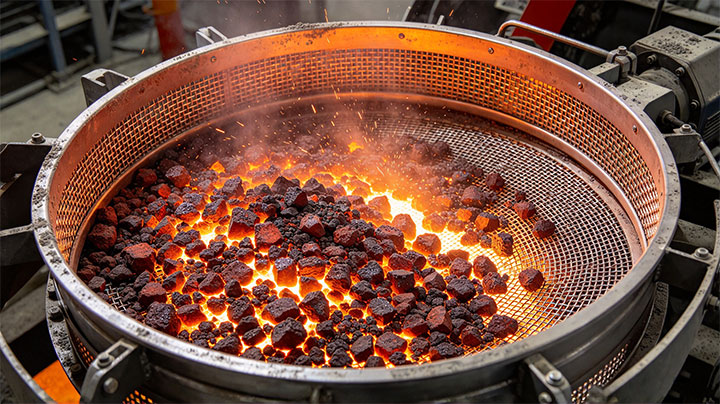
Hot and abrasive materials: Hard particles and repeated impact can accelerate wire wear. Evaluate wire diameter, mesh strength, support conditions, and the expected mechanical load alongside the required separation size.
Materials exposed to corrosive substances: When the material or surrounding atmosphere may cause corrosion, identify the substances involved and the actual exposure conditions before choosing a stainless steel grade. Temperature resistance and corrosion resistance should be assessed separately.
Fine or adhesive materials: Fine particles may lodge in the openings, while sticky or agglomerating materials may build up on the mesh surface. Consider particle size distribution, aperture geometry, material behavior at operating temperature, and the available cleaning method.
Materials requiring precise separation: When particle size control is critical, select the aperture according to the target separation requirement and verify that the mesh construction can maintain the required opening geometry under operating conditions.
These conditions can occur in different applications, so the selection should be based on the actual material properties and operating environment rather than the industry name alone. Providing a material sample, particle-size information, and details of the operating temperature can help narrow down suitable mesh specifications.
Choose Stainless Steel Vibrating Screen Mesh
Use the following steps to narrow down suitable stainless steel vibrating screen mesh specifications for high-temperature operation.
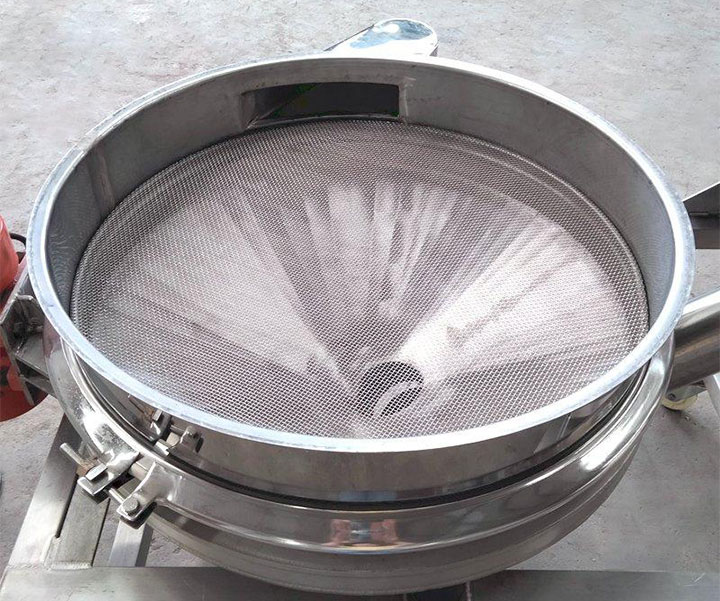
Define the temperature conditions. Record the normal operating temperature, peak temperature, exposure duration, and frequency of heating and cooling.
Identify the material characteristics. Check particle size, hardness, abrasiveness, chemical exposure, and whether the material tends to adhere to the mesh or block the openings.
Specify the separation requirement. Determine the target particle size and required aperture. Consider wire diameter and open area together to balance screening performance and mechanical strength.
Confirm the mesh construction. Evaluate the stainless steel grade, weave, finished dimensions, edge design, and support arrangement against the actual operating conditions.
Verify equipment compatibility. Check the installation method, screen tension, mounting structure, and mechanical loads. For elevated-temperature service, confirm that the proposed material and construction are suitable for the expected exposure conditions.
Submit the specifications for review. Provide the available operating data, equipment drawing, and existing mesh details to the supplier. If some parameters are unknown, share the information you have so the remaining requirements can be clarified before ordering.
Following these steps helps reduce specification mismatches and makes it easier to evaluate replacement mesh or a new screening application. Final material and construction choices should be confirmed against reliable technical data and the actual service conditions.
Preventing Screen Blinding and Material Build-Up
Screen blinding and material build-up can reduce the effective open area of stainless steel vibrating screen mesh. At elevated temperatures, the cause may involve particle behavior, material adhesion, wear, or unsuitable screening conditions. Identifying the cause is the first step toward choosing an effective solution.
When particles lodge in the openings: Check the particle size distribution against the aperture. If particles are close to the opening size, review the aperture specification and mesh geometry before considering a replacement.
When material sticks to the mesh surface: Examine whether the material softens, becomes sticky, or forms deposits under operating conditions. Review the material characteristics and available cleaning methods rather than assuming that a different stainless steel grade will eliminate the problem.
When screening performance gradually declines: Inspect the mesh for wear, deformation, damaged wires, loose mounting, and accumulated material. Also review feed rate and material distribution to determine whether the problem comes from the mesh or the operating conditions.
When blockage repeatedly returns: Compare the actual operating temperature and material condition with the original specifications. Depending on the cause, adjustments to aperture, mesh construction, support, or cleaning arrangements may be worth evaluating.
Before changing the mesh specification, record when blockage occurs, what the deposits look like, and whether the problem develops immediately or after extended operation. Photos of the mesh and material, together with the operating temperature and feed conditions, can help the supplier assess possible causes.
Frequently Asked Questions
Is 316 Stainless Steel Always Better Than 304 for High-Temperature Screening?
No. Grade 316 is often considered when corrosion resistance is important, but it is not automatically the better choice for every high-temperature application. The decision depends on the operating temperature, exposure duration, chemical environment, and mechanical requirements.
What Should Be Checked Before Using Stainless Steel Mesh at High Temperatures?
Check the normal and peak operating temperatures, exposure duration, surrounding atmosphere, material characteristics, and mechanical loading. The selected grade and mesh construction should be verified against reliable material data and the actual operating conditions.
Can Stainless Steel Vibrating Screen Mesh Be Customized for High-Temperature Applications?
Yes. Mesh specifications may be selected according to the required aperture, wire diameter, material grade, finished dimensions, and mounting arrangement, subject to the supplier's available manufacturing capabilities. Provide the operating conditions and equipment details to help determine a suitable configuration.

-
How to Choose the Right Sieving Mesh Size
When using a screening machine to screen materials, users often wonder what mesh size to choose...
-
How to Choose Stainless Steel Vibrating Screen Mesh and Avoid 5 Common Mistakes
Knowing how to choose stainless steel vibrating screen mesh is essential for achieving accurate separation and reliable screening performance...
-
How to Choose the Right Material for a Vibrating Screen
Choosing the right material for a vibrating screen depends on more than the material name...

Email:
sale@xxdahan.com
WhatsApp:
+86 15236742901
Add:
1000m West of Forest Park,Yanjin County,Xinxiang City,Henan Province,China.