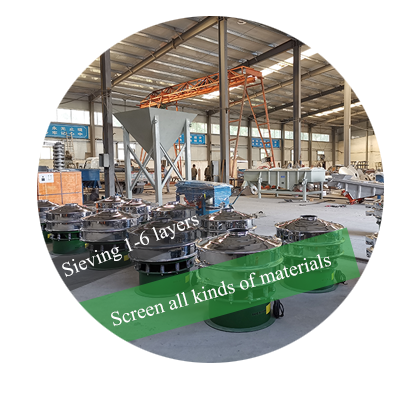
Vibrating Screen for Gravel
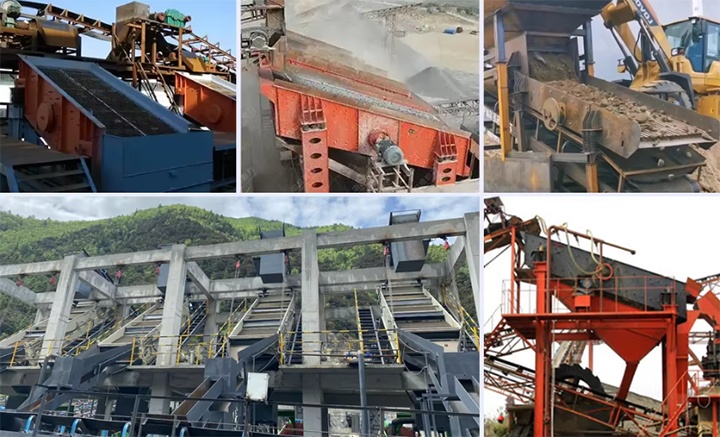
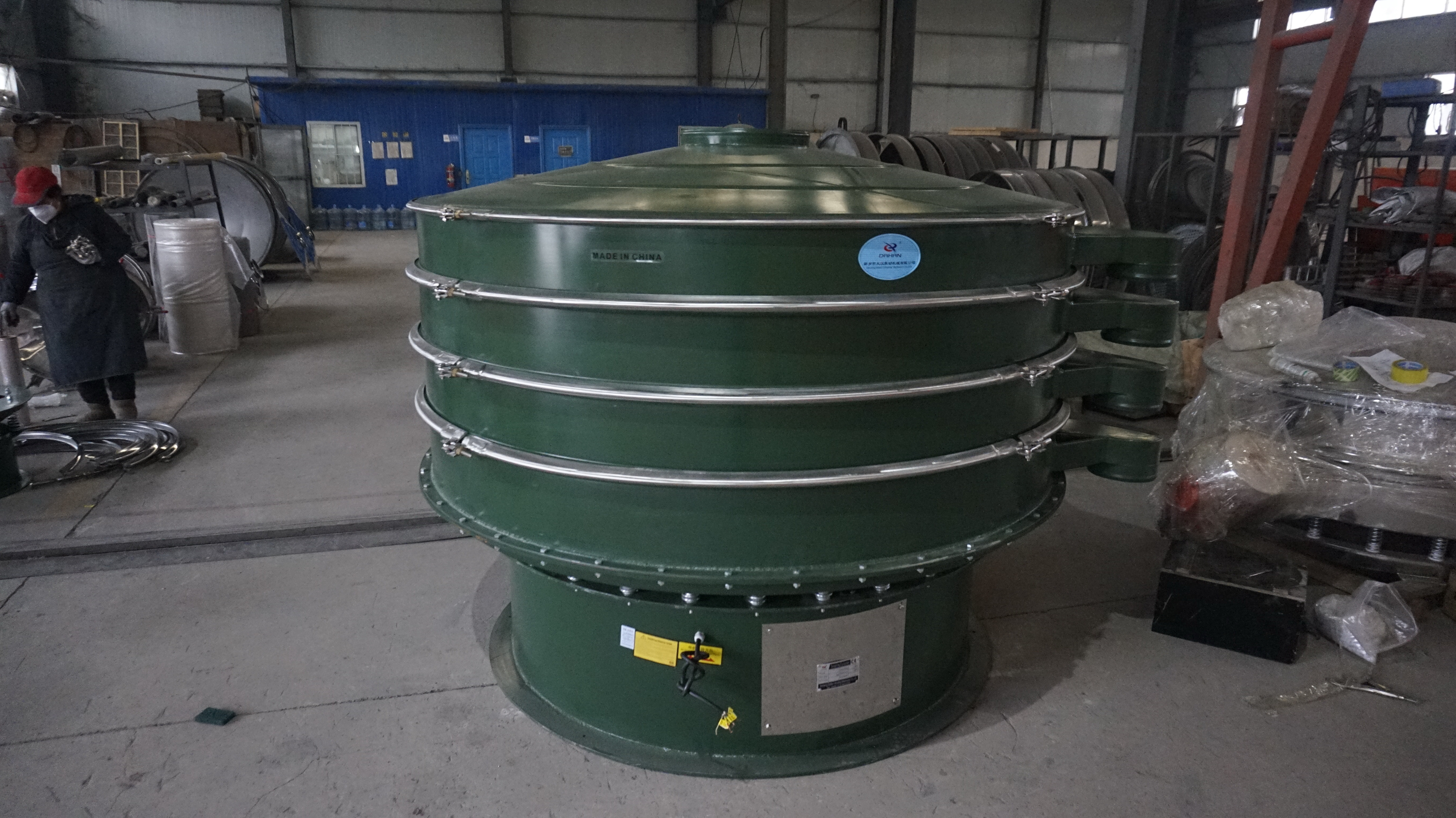
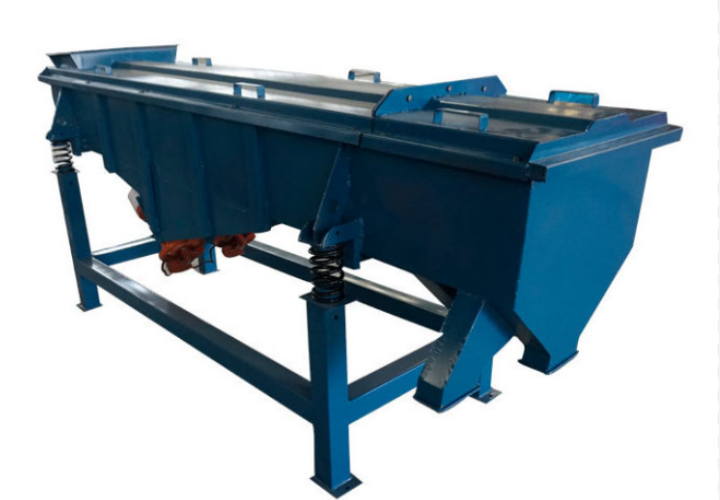
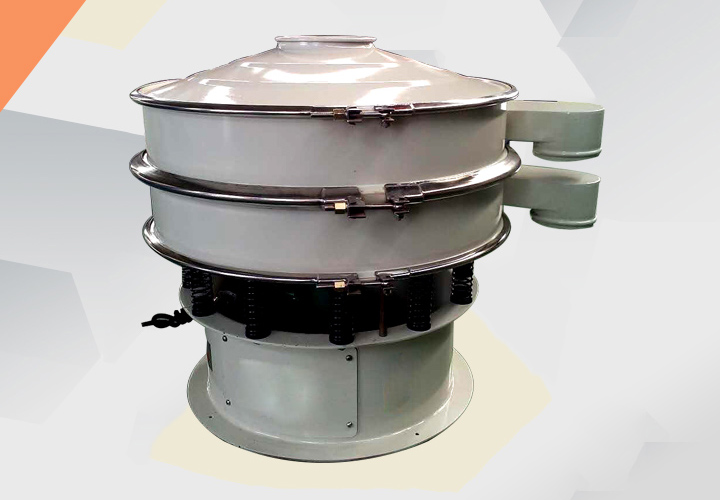
Vibrating Screen for Gravel classifies mined or crushed mixtures by particle size, making different sizes of crushed stone, pebbles, and stone chips suitable for concrete mixing, road base courses, or drainage layers. The equipment adjusts the vibration frequency and amplitude to ensure uniform material distribution on the screen surface, completing the screening process through the screen mesh. The screen material is selected based on wear resistance; manganese steel woven mesh is suitable for coarse screening, while polyurethane screen panels are impact-resistant and easy to replace. When handling wet materials, an anti-clogging design ensures smooth screening.
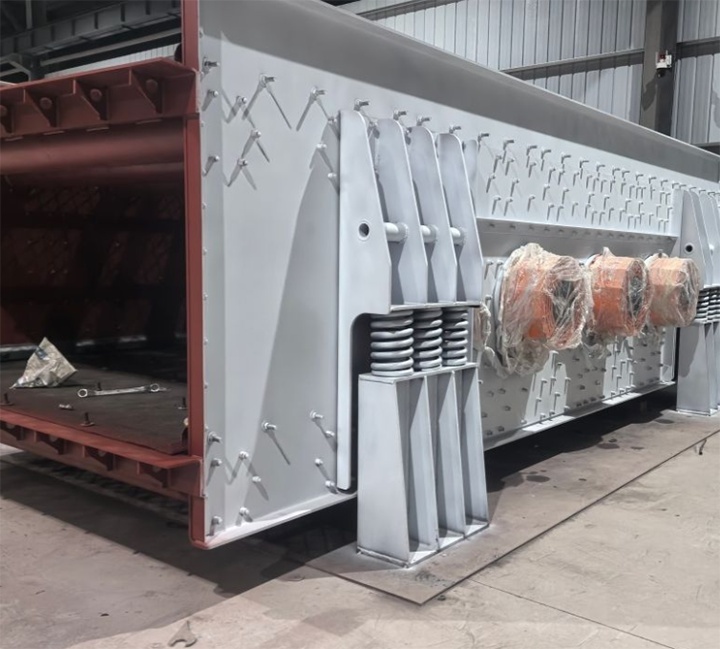
The screening particle size range covers large crushed stone (over 30 mm) to fine sand (under 5 mm). The processing capacity of a single unit varies from 10 tons to 200 tons per hour, depending on the model. The equipment is constructed entirely of carbon steel or stainless steel, with some parts using wear-resistant alloys to increase service life and reduce maintenance frequency. The vibrating screen's structural design is optimized for various gravel operating environments.
Technical Specifications of Gravel Vibrating Screen
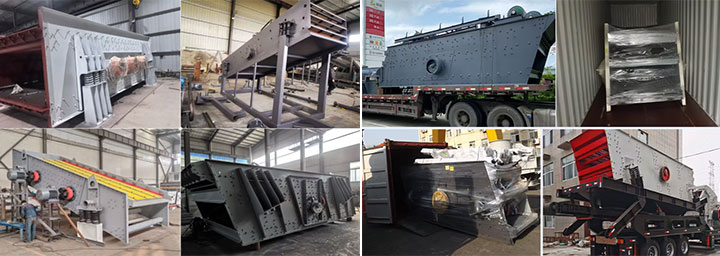
To meet different processing capacities and quarry site requirements, we provide various models of heavy-duty vibrating screens for gravel.
| Model | Screen Area (㎡) | Screen Layers | Max Feed Size (mm) | Screen Mesh Size (mm) | Capacity (t/h) | Power (kW) |
|---|---|---|---|---|---|---|
| 2YK1230 | 3.6 | 2 | ≤200 | 3 - 50 | 15 - 50 | 5.5 |
| 3YK1230 | 3.6 | 3 | ≤200 | 3 - 50 | 15 - 45 | 7.5 |
| 2YK1548 | 7.2 | 2 | ≤400 | 4 - 80 | 50 - 150 | 15 |
| 3YK1548 | 7.2 | 3 | ≤400 | 4 - 80 | 45 - 140 | 18.5 |
| 2YK1860 | 10.8 | 2 | ≤400 | 4 - 100 | 100 - 250 | 22 |
| 3YK1860 | 10.8 | 3 | ≤400 | 4 - 100 | 90 - 230 | 30 |
Benefits of Using a Vibrating Screen for Gravel
Using a Vibrating Screen for Gravel improves sand and gravel classification, resulting in more uniform particle distribution, facilitating subsequent processing and transportation. The equipment features a simple structure and stable vibration during operation, reducing gravel clogging. Screening efficiency can be adjusted by regulating the vibration amplitude and inclination angle, allowing sand and gravel of different sizes to pass through the screen quickly while minimizing the loss of fine particles. The vibrating screen reduces manual sorting input, simplifies the operation process, and increases construction speed. The screen mesh and screen surface are flexibly replaceable to adapt to various sand and gravel types, meeting different project needs without modification. The machine operates smoothly, with noise and dust emissions controlled within reasonable ranges, facilitating construction site management and environmental maintenance. It is easy to operate and maintain, has a long service life, and is suitable for long-term projects, providing a reliable screening method for sand and gravel processing.
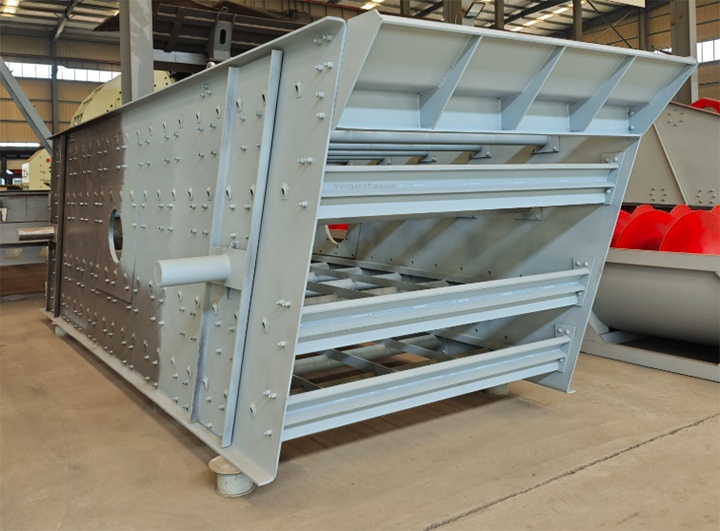
How to Solve Common Gravel Screening Problems
When screening materials, gravel vibrating screens offer two solutions for both wet and hard materials.
Anti-clogging treatment for wet materials: When screening wet gravel or pebbles, we equip the machine with polyurethane screen plates or a water spray system to wash away slurry and prevent clogging.
Extending the service life of hard stone: For high-hardness aggregates such as granite or basalt, our vibrating screens use high-manganese steel wire woven mesh, which is three times more wear-resistant than ordinary steel wire.
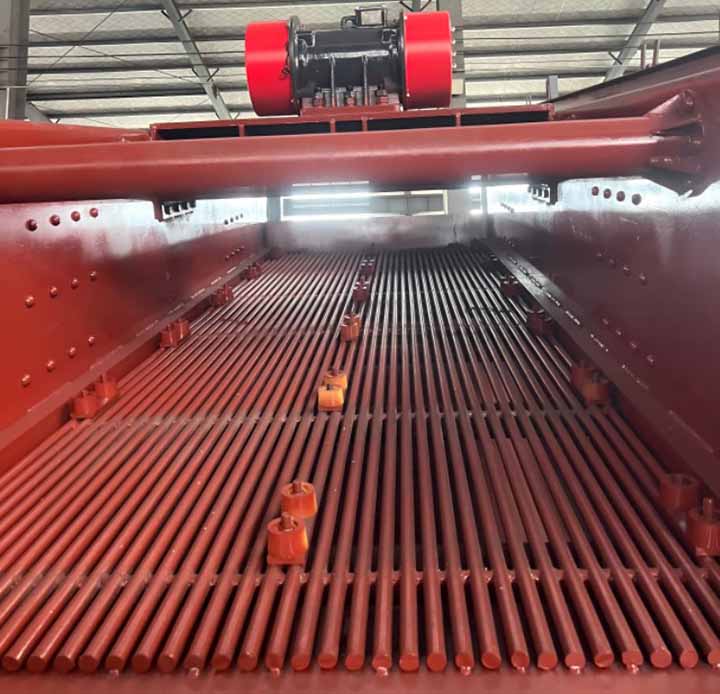
Application Cases of Vibrating Screen for Gravel
In road construction, Vibrating Screen for Gravel is used to separate the sand and gravel between the base layer and the pavement layer. By adjusting the screen mesh size, different layers of crushed stone particles meet design requirements, improving the pavement's load-bearing capacity and durability. In river remediation projects, the equipment screens collected riverbed gravel, removing silt and impurities to provide stabilizing materials for filler. In cement plants and concrete mixing plants, vibrating screens classify aggregates and gravel, ensuring uniform particle size and contributing to stable concrete mix proportions. During mining operations, vibrating screens quickly separate stone from different ore grades, facilitating transportation and storage and supporting continuous production.
How to Choose the Right Vibrating Screen for Gravel?
When selecting a vibrating screen for gravel, customers should consider their construction needs and the characteristics of the aggregate. Appropriate screen specifications and vibration patterns should be chosen based on aggregate particle size, throughput, and project scale. For projects with large particles or high output, equipment with high load-bearing capacity should be considered. The screening effect is affected by the screen material, screen angle, and vibration parameters, and adjustments should be made based on the hardness and impurity content of the aggregate. Wear resistance is a key concern for long-term use; the screen and vibrator should be able to withstand continuous operation. Considering the construction environment, material type, and site conditions, selecting a stable and easy-to-operate vibrating screen can improve aggregate screening efficiency and construction process management.
Common Questions about Gravel Vibrating Screens
Q: Which motion mode is suitable for gravel screening?
A: Circular vibrating screens (YK series) are usually the first choice for gravel and quarry aggregates because their elliptical throwing motion can separate heavy stones and reduce clogging.
Q: Can a gravel vibrating screen separate sand and gravel simultaneously during operation?
A: Yes. With a multi-layer screen design (up to 4 layers), it can simultaneously obtain 2 to 5 different particle sizes of crushed stone and fine sand.
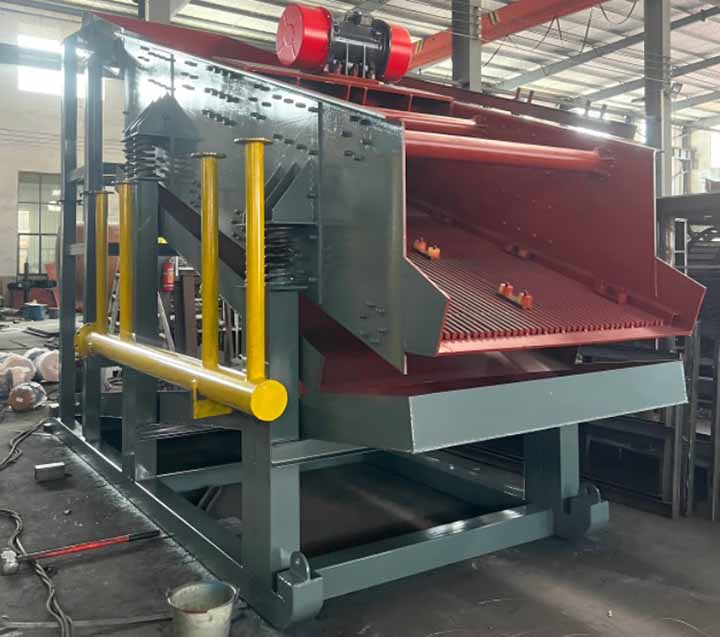
Vibrating Screen for Gravel can classify and screen sand and gravel of different sizes, making subsequent concrete mix design, roadbed filling, and ore transportation smoother. By adjusting the vibration mode, screen type, and screening parameters, it can adapt to changes in particle size and output. When used in road construction, river regulation, cement plants, and mining, the equipment can improve material handling processes and reduce the burden of manual sorting. When selecting a vibrating screen, factors such as sand and gravel particle size, screen inclination angle, vibration frequency, wear resistance, maintenance costs, and power consumption must be considered. Choosing a stable and easy-to-operate vibrating screen helps ensure continuous sand and gravel grading and supports stable operation of construction and production processes.
-
Coal Sorting Vibrating Screen
In coal processing, the Coal Sorting Vibrating Screen plays a crucial role in particle size classification, impurity removal, and dewatering/de-mediuming...
-
Gypsum powder Vibrating Screen
The function of a Gypsum powder Vibrating Screen is to remove impurities, classify, and control the particle size of gypsum powder...
-
Phosphate rock powder Vibrating Screen
Phosphate rock powder Vibrating Screens are screening devices designed to utilize the characteristics of phosphate rock powder...
-
Vibrating Screen for Sand
Vibrating Screen for Sand can screen sand of different particle sizes from 4 to 200 mesh...

Email:
sale@xxdahan.com
WhatsApp:
+86 15236742901
Add:
1000m West of Forest Park,Yanjin County,Xinxiang City,Henan Province,China.