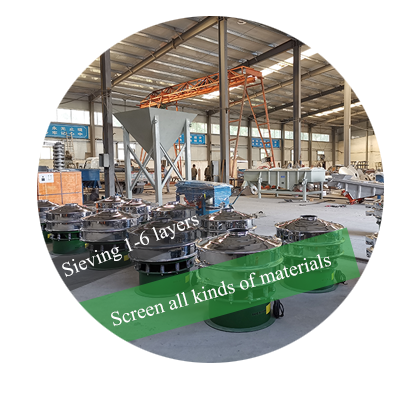
Topsoil Vibrating Screen
![[field:title/]](/uploads/allimg/260701/1-260F1140305J6-lp.jpg)
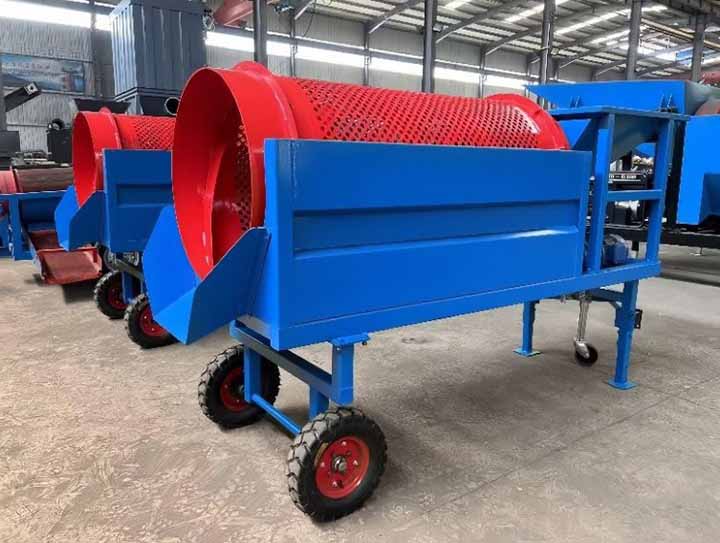
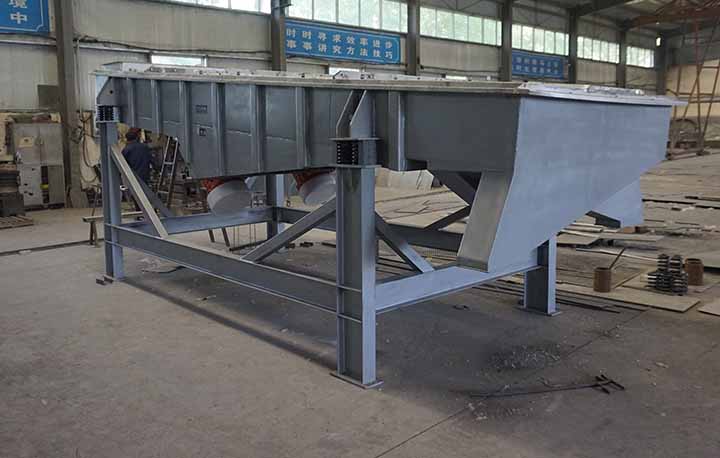
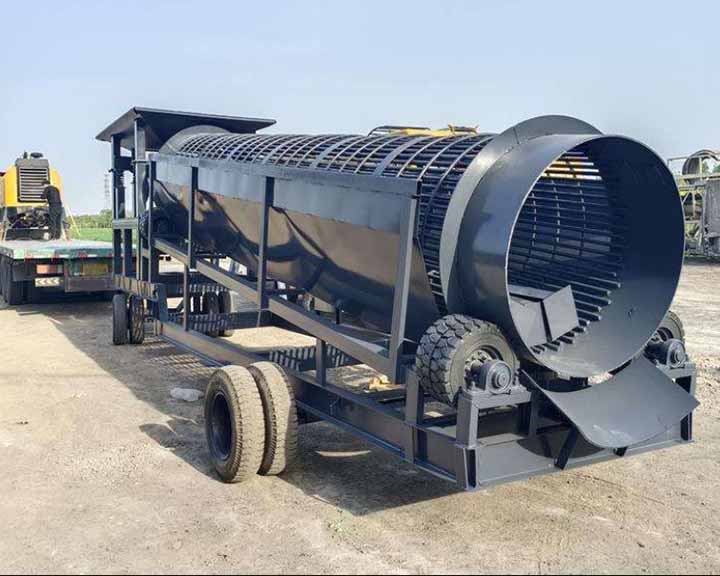
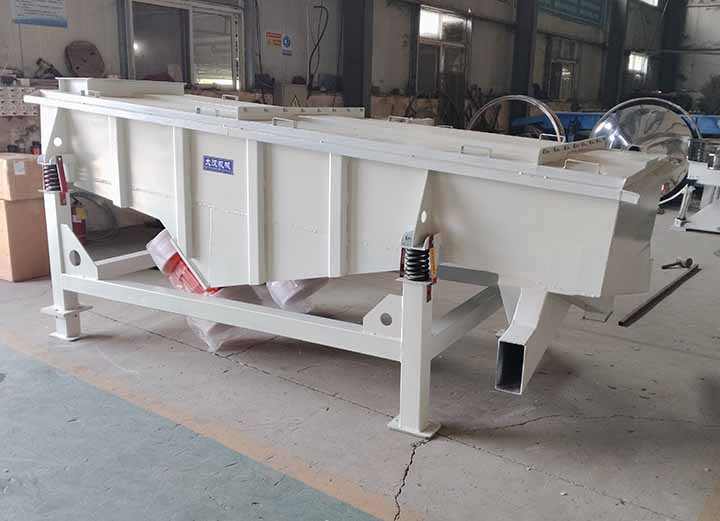
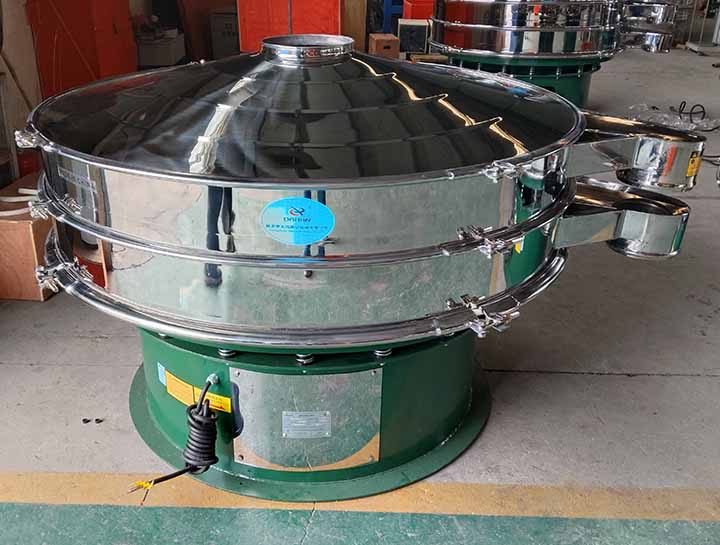
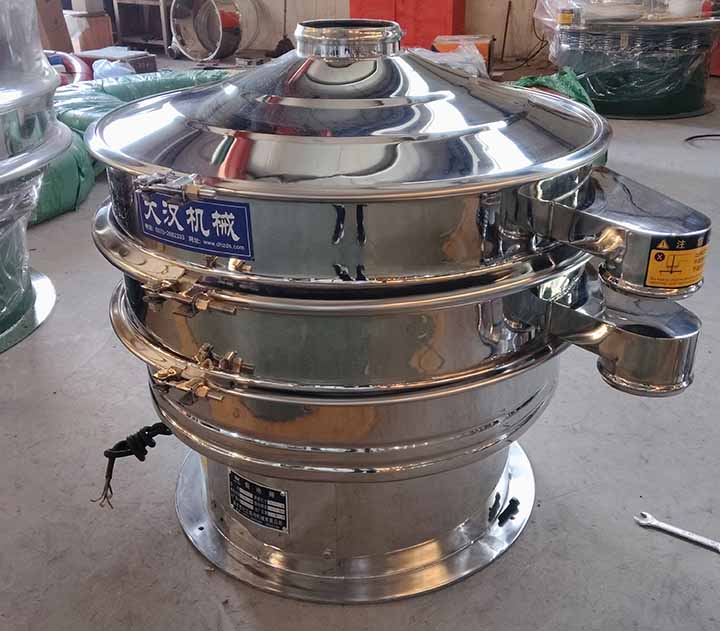
Raw topsoil contains a large amount of stones, tree roots, and impurities, making it unsuitable for direct use in landscaping. The Topsoil Vibrating Screen transforms waste soil into high-quality, marketable topsoil, realizing resource monetization. This series of equipment offers processing capacities ranging from 5 to 150 tons per hour, meeting diverse production needs from individual nurseries to large-scale construction projects.
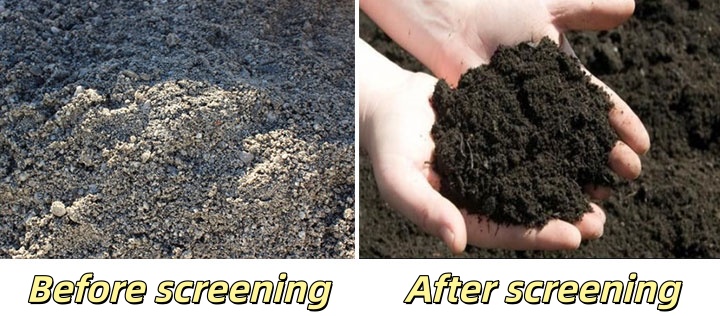
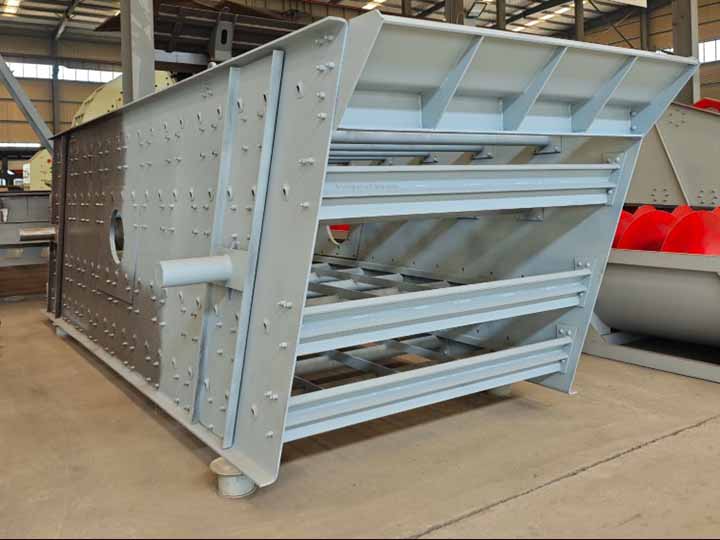
In terms of materials, the overall frame of the topsoil vibrating screen is integrally welded from Q345B manganese steel plates, possessing the hardness to withstand the impact of large pieces of gravel. The screen mesh in contact with the material is woven from high-tensile spring steel wire, whose wear resistance life is more than three times that of ordinary carbon steel mesh.
What are the advantages of the Topsoil Vibrating Screen?
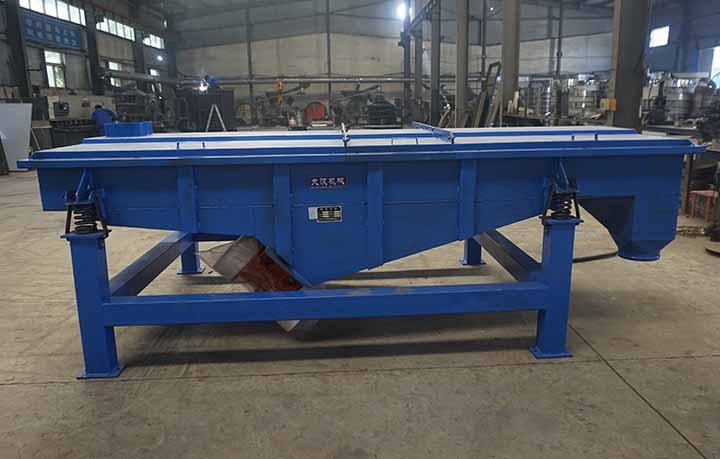
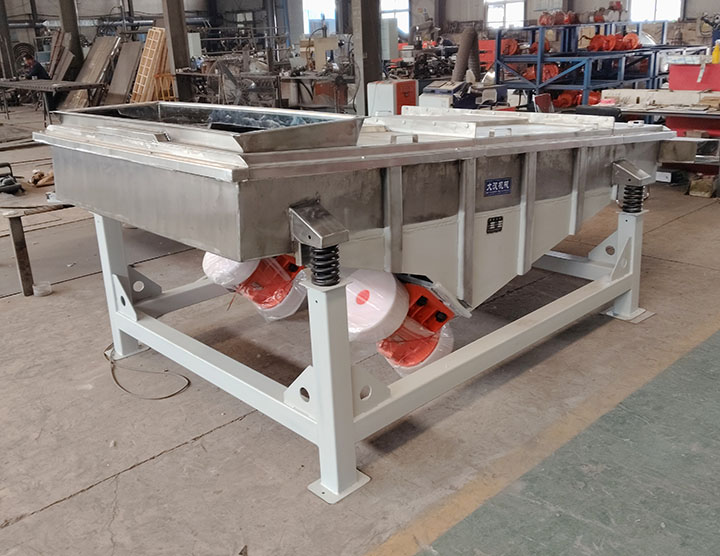
The Topsoil Vibrating Screen solves the technical challenges of soil screening through its design. Its adjustable eccentric block vibrator allows operators to manually adjust the amplitude according to soil moisture levels, altering the material trajectory to adapt to dry or sticky wet soil. The vibrating screen employs a 10-minute rapid tensioning system, replacing traditional bolts with a lateral wedge pressure bar structure, allowing a single person to quickly change the screen with just a hammer, significantly reducing downtime. The vibrating screen relies on dual-motor synchronous reverse drive; two IP65 vibrating motors generate linear vibration through self-synchronization, rapidly dispersing the soil pile at the feed inlet, preventing material accumulation in the latter half of the screen surface.
Product Model Parameter Table
Linear Vibrating Screen Model Parameter Table
| Model | Layer |
Screening Area (mm) |
Mesh Size (mesh) |
Particle Size (mm) |
Capacity (t/h) |
Power (kw) |
Vibration Direction Angle (°) |
Screen Inclination (°) |
Dual Amplitude |
| DZSF-520 | 1-6 layers | 500*2000 | 2-400 | 0.074-10 | ≤3 | 0.37×2 | 45-60 | 0-7 | 3-4.5 |
| DZSF-525 | 500*2500 | ≤5 | 0.37×2 | ||||||
| DZSF-612 | 600*1200 | ≤8 | 0.37×2 | ||||||
| DZSF-1020 | 1000*2000 | ≤12 | 0.75×2 | ||||||
| DZSF-1025 | 1000*2500 | ≤16 | 0.75×2 | ||||||
| DZSF-1030 | 1000*3000 | ≤20 | 1.1×2 | ||||||
| DZSF-1224 | 1200*2400 | ≤23 | 1.5×2 | ||||||
| DZSF-1525 | 1500*2500 | ≤28 | 1.5×2 | ||||||
| DZSF-1530 | 1500*3000 | ≤32 | 2.2×2 |
Drum Screen Model Parameter Table
| Model | Drum Diameter (mm) | Drum Length (mm) | Sieve Aperture Range (mm) | Processing Capacity (m³/h) | Motor Power (kW) | Total Equipment Weight (kg) |
| GTS-1020 | 1000 | 2000 | 2 - 30 | 5 - 15 | 3.0 | 1500 |
| GTS-1230 | 1200 | 3000 | 2 - 40 | 20 - 40 | 5.5 | 2800 |
| GTS-1545 | 1500 | 4500 | 3 - 50 | 50 - 80 | 11.0 | 4500 |
| GTS-1860 | 1800 | 6000 | 5 - 80 | 90 - 140 | 15.0 | 6800 |
| GTS-2075 | 2000 | 7500 | 5 - 100 | 130 - 200 | 22.0 | 9200 |
Common Types and Selection Guide
The mechanical structure for soil filtration differs; the type selection must be based on the physical characteristics of the material.
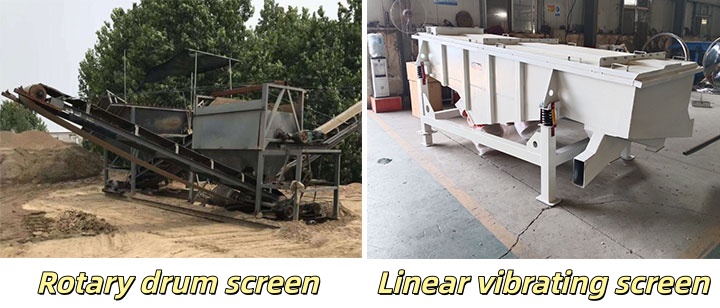
The inclined heavy-duty vibrating screen has an overall installation tilt angle of 15° to 20°. Utilizing the combined effects of gravity and vibration, the material travels quickly on the screen surface. This type is suitable for coarse excavated soil mixed with a large amount of stones larger than 200mm. It's ideal for coarse screening applications requiring rapid removal of large stones.
While not purely vibrating machinery, rotary drum screens use the rotation of a cylindrical screen cylinder to tumble and drop soil internally. They are typically equipped with external cleaning brushes. Suitable for heavy clay soils containing large amounts of plant roots, turf, and organic compost. The tumbling action breaks up clay lumps.
Industry Applications
Topsoil vibrating screens can be used for screening and separating materials in landscaping, construction waste recycling, agriculture, and earthwork engineering.
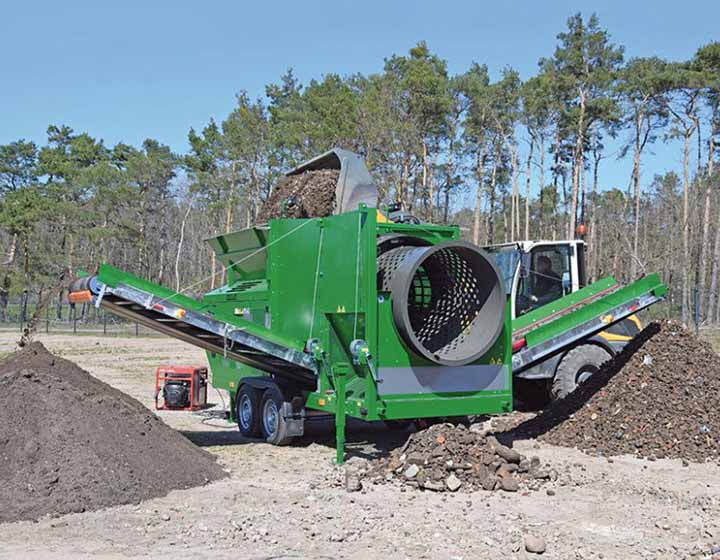
Commercial Landscaping: Removes broken bricks, glass, and weed roots from the original soil to produce fine black soil for lawn planting and nursery seedling cultivation.
Construction Soil Recycling: In urban demolition and road widening projects, it sorts excavated mixed soil, separating clean soil suitable for backfilling from construction gravel.
Composting and Organic Fertilizer Processing: Filters fermented and decomposed fallen leaves and livestock manure, and screens out incompletely decomposed branches and plastic packaging residue.
How much does a topsoil vibrating screen cost?
The budget for a topsoil vibrating screen varies depending on the specific configuration. Small portable units cost $4,500 - $9,500, suitable for small farms; medium-sized pilot-scale equipment costs $12,000 - $28,000, suitable for medium-sized earthmoving contractors; large heavy-duty production lines cost $35,000 - $85,000, suitable for large mines and centralized earthmoving plants.
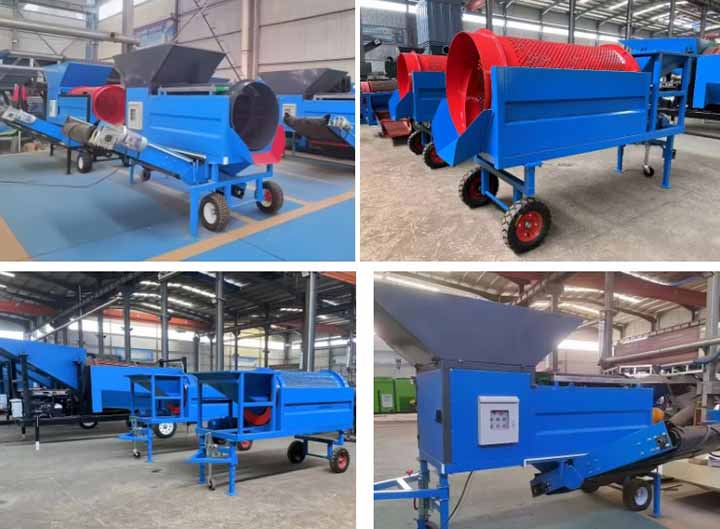
Technical variables affecting the final cost include power system configuration, material upgrades, and supporting conveying machinery.Adding a self-contained diesel generator set to meet the needs of field operations without electricity will increase costs by $2,400 - $5,600; replacing the standard spring steel wire mesh with a polyurethane screen or adding wear-resistant liners will increase initial costs but extend the life of parts; whether or not additional components such as a fully automatic feed hopper, belt conveyor, and tracked mobile chassis are included will also affect the price.
FAQ
Q:What is a screen topsoil (screened topsoil)?
A:Screened topsoil refers to raw earth that has passed through a mechanical grading process to remove stones, roots, and clay clumps. The resulting material has a uniform particle size, which improves soil aeration and water drainage, making it suitable for direct botanical applications.
Q:Should I screen topsoil before landscaping?
A:Yes. Unscreened earth often contains debris that hinders plant root development and can damage turf maintenance machinery like mowers. Processing the earth breaks up compacted clods, creating a loose texture that promotes seed germination.
Q:What size screen is best for topsoil?
A:For standard landscape applications, a 1/2-inch (approximately 13mm) mesh is utilized. For golf course greens, top-dressing turf, or greenhouse potting soils, a finer 3/8-inch (approximately 10mm) or A 1/4-inch (approximately 6mm) mesh opening is required to eliminate tiny pebbles.
Q:Do you offer heavy-duty industrial soil screening equipment for rental companies?
A:Our specific models feature reinforced crossbeams and standard traction devices. These structural designs are capable of withstanding frequent transport and operation by different personnel, ensuring the structural integrity of the equipment during operation after purchase.
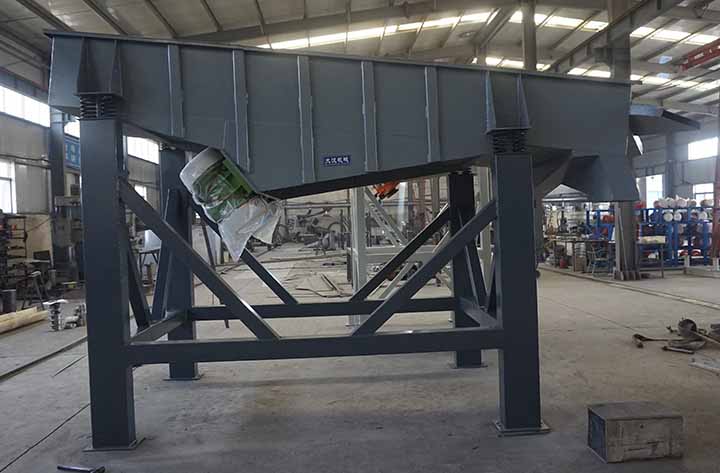
Topsoil vibrating screens are a way to convert low-value earthwork assets. Through the rational selection of eccentric block structure, tensioning method, and manganese steel material, the equipment can continuously output qualified products under different humidity levels and harsh working conditions.
-
Vibrating screen for gypsum processing
Vibrating screen for gypsum processing is a screening equipment used for particle size grading...
-
Coal Sorting Vibrating Screen
In coal processing, the Coal Sorting Vibrating Screen plays a crucial role in particle size classification, impurity removal, and dewatering/de-mediuming...
-
Gypsum powder Vibrating Screen
The function of a Gypsum powder Vibrating Screen is to remove impurities, classify, and control the particle size of gypsum powder...
-
Phosphate rock powder Vibrating Screen
Phosphate rock powder Vibrating Screens are screening devices designed to utilize the characteristics of phosphate rock powder...

Email:
sale@xxdahan.com
WhatsApp:
+86 15236742901
Add:
1000m West of Forest Park,Yanjin County,Xinxiang City,Henan Province,China.