Pet Food Vibrating Screen
![[field:title/]](/uploads/allimg/260623/1-2606231H55E35-lp.jpg)
Callback
| Mesh Opening: | 2–8 mm |
| Capacity: | 500 kg/h–5 t/h* |
| Screen Layers: | 1–3 Layers |
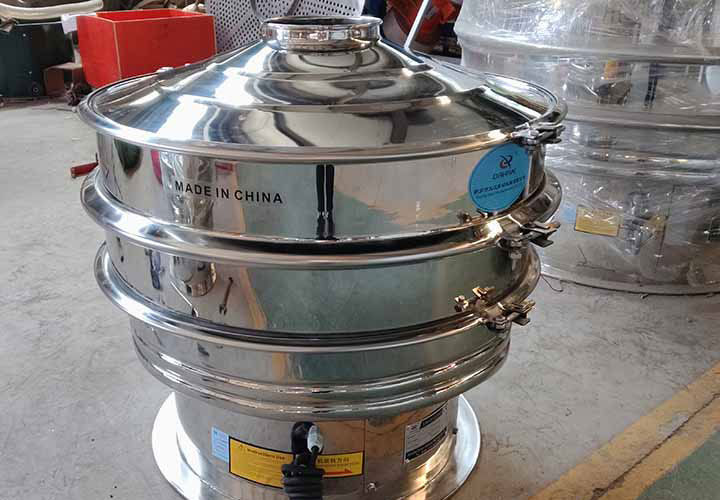
| Contact Material: | SS304, Mirror-Polished |
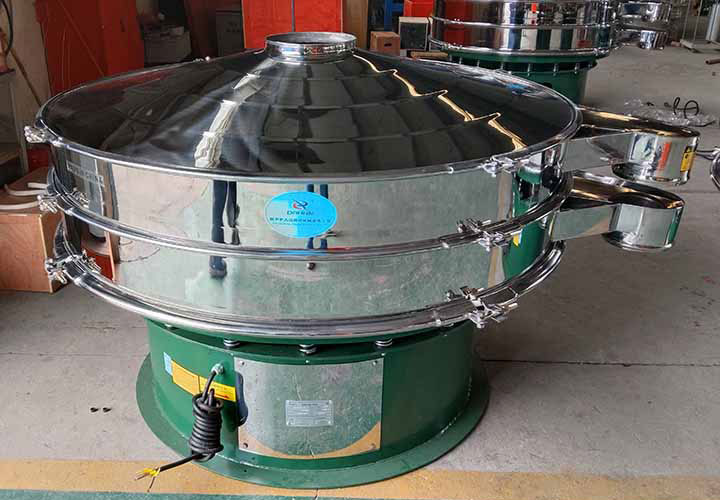
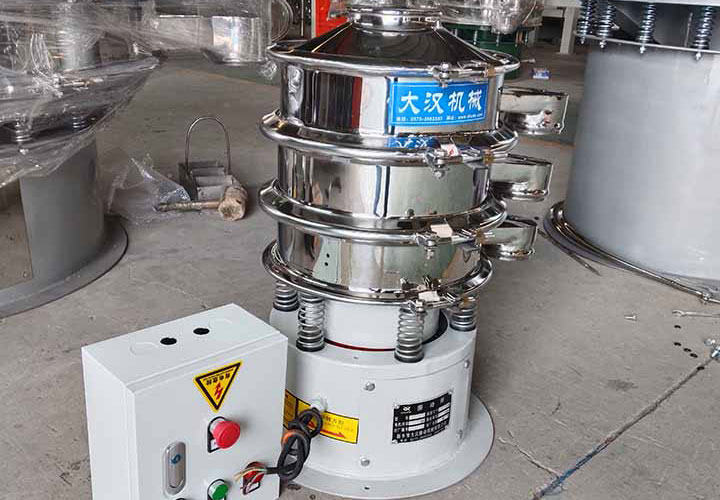
Grades pet food pellets and removes dust and impurities.
Optional silicone bouncing balls help reduce mesh clogging.
Quick-release clamps simplify screen removal and cleaning.
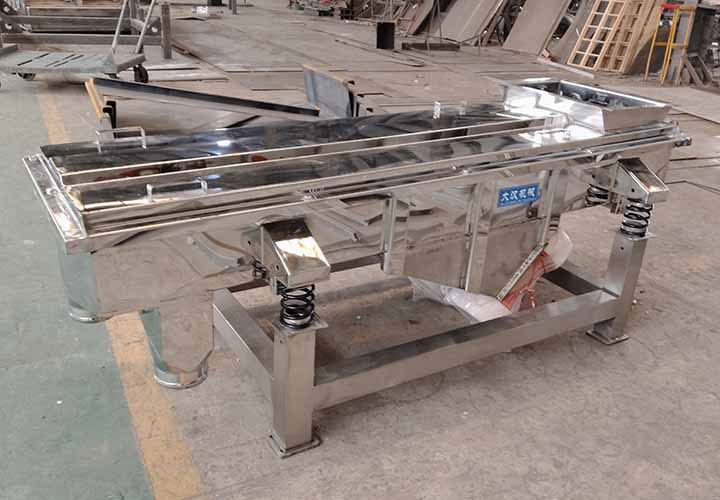
An industrial pet food vibrating screen is an essential mechanical sifter powered by a vibrating motor designed to accurately classify, dedust, and separate impurities in cat food, dog food, and freeze-dried pet treats. Following high-temperature extrusion, drying, and drum oiling/seasoning, kibble surfaces frequently retain excessive loose powder. Without effective screening, these fine dust particles mix with surface oils, forming greasy deposits at the bottom of packaging bags that lead to pet food rejection and costly retail returns.
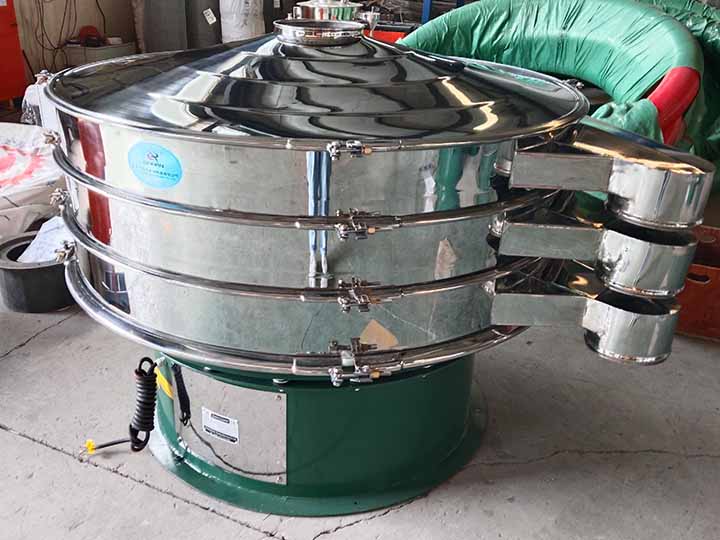
Our multi-deck vibrating sifter ensures that oversized conjoined pieces, qualified uniform kibbles, and fine powders are cleanly separated. Typically configured with mesh sizes from 2mm to 8mm, these machines accommodate micro kitten food, standard adult dog food, and fragile jerky, delivering a stable processing capacity ranging from 500 kg to 5 tons per hour.
Working Principle & Internal Structure of Pet Food Vibrating Screens
The screening performance of a pet food vibrating screen relies on an advanced vertical vibration motor equipped with upper and lower eccentric weight blocks. When energized, the motor converts rotational energy into a 3D motion combining horizontal, vertical, and inclined trajectories. As warm, oiled kibble or fragile freeze-dried meat drops onto the center of the top screen mesh, this compound three-dimensional force compels the particles to spread outward in a smooth, continuous spiral vortex. This controlled motion maximizes contact time across the screening area, forcing fine powders downward through the mesh apertures while guiding oversized debris toward the outer discharge port.
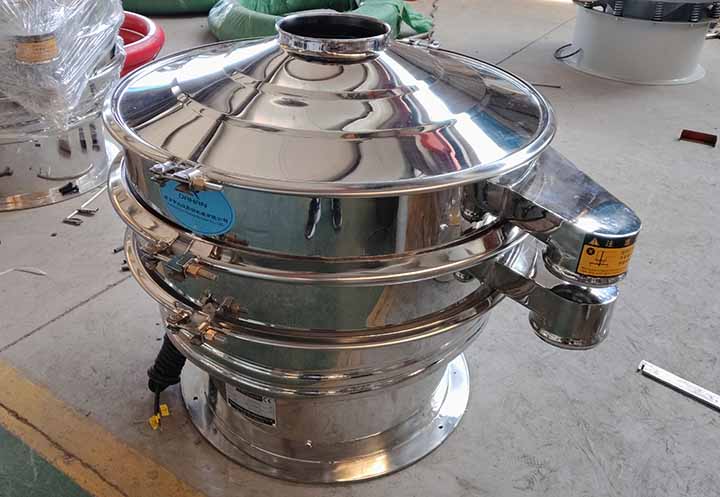
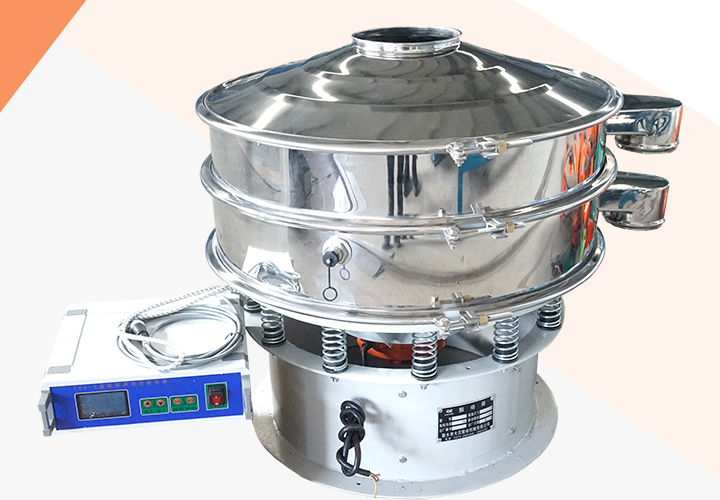
Internally, the machine features a multi-deck modular architecture held together by a high-strength stainless steel quick-release V-clamp. Each deck utilizes a precision-tensioned screen frame bonded with food-grade mesh, underneath which a specialized bouncing-ball tray is suspended. The continuous kinetic impact of the bouncing balls prevents sticky pet food fats from blinding the mesh openings, ensuring uninterrupted, high-capacity separation over long operational shifts.
Key Benefits of Integrating a Pet Food Vibrating Screen
Integrating a specialized vibrating screen directly transforms the final presentation and commercial quality of pet food products. By removing surface dust and fine powder, kibble surfaces remain dry, oil distribution becomes uniform, and the risk of rancidity and spoilage is minimized during shelf life.
Utilizing a multi-deck screening process, oversized or irregular extruded chunks are captured on the upper deck, standard uniform kibbles drop to the middle layer, and residual powders fall to the base, ensuring strict package uniformity. Furthermore, all material-contact parts feature sanitary mirror polishing to eliminate crevices and prevent oil-induced bacterial growth. Combined with a quick-release clamp design, operators can easily disassemble and clean the screen mesh in under 10 minutes.
Where to Install the Vibrating Screen in an Automated Pet Food Production Line
In a standard automated pet food processing plant, this screening equipment is strategically positioned after the drying and oil-coating stages and prior to final weighing and packaging. Its integration follows a streamlined workflow:
- Preceding Process Integration: Raw ingredients are shaped by an extruder, dehydrated in a tunnel dryer, and passed through a drum oil spraying line to coat the kibble with fats and meat extracts.
- Screening Phase: Freshly discharged, warm, and slightly tacky pet food is conveyed directly into the vibrating screen input port.
- Subsequent Process Connection: Qualified kibbles are routed to the finished product silo, fine powders are extracted via a vacuum feeder for recycling, and clean products drop directly into a multi-head combination scale for bagging.
Pet Food Vibrating Screen Model Selection & Technical Specifications Guide
| Pet Food Application | Recommended Kibble Size | Suggested Aperture Size | Recommended Model | Capacity per Hour | Anti-Blinding Device |
|---|---|---|---|---|---|
| Micro Kibbles / Kitten Food | 1.5 mm - 3.0 mm |
* Top Screen for Oversize: 3.5 mm * Bottom Screen for Fines: 1.2 mm |
S600-2S (Diameter: 600mm) | 300 - 500 kg/h | Silicone Balls |
| Standard Cat & Small Dog Food | 4.0 mm - 7.0 mm |
* Top Screen for Oversize: 8.0 mm * Bottom Screen for Fines: 2.5 mm |
S1000-2S (Diameter: 1000mm) | 1.5 - 2.5 Ton/h | Balls with Ring |
| Medium & Large Breed Dog Food | 8.0 mm - 14.0 mm |
* Top Screen for Oversize: 15.0 mm * Bottom Screen for Fines: 4.5 mm |
S1200-2S (Diameter: 1200mm) | 2.5 - 4.0 Ton/h | High-elastic Balls |
| Freeze-Dried Treats / Jerky | 6.0 mm - 12.0 mm (Fragile Material) | * Single Layer for Residue Removal: 4.0 mm | S1000-1S (Diameter: 1000mm) | 800 - 1200 kg/h (Low Amplitude Required) | PU Balls |
| High-Capacity Production Line | 5.0 mm - 10.0 mm | Customized According to Actual Particle Size | S1500-2S (Diameter: 1500mm) | 4.0 - 6.0 Ton/h | Silicone Balls or Ultrasonic System |
Pet Food Vibrating Screen Price Range and Cost Factors
The purchase price of a standard industrial pet food vibrating screen generally ranges from $1,480 to $6,500 per set. The final cost is determined by three key technical variables:
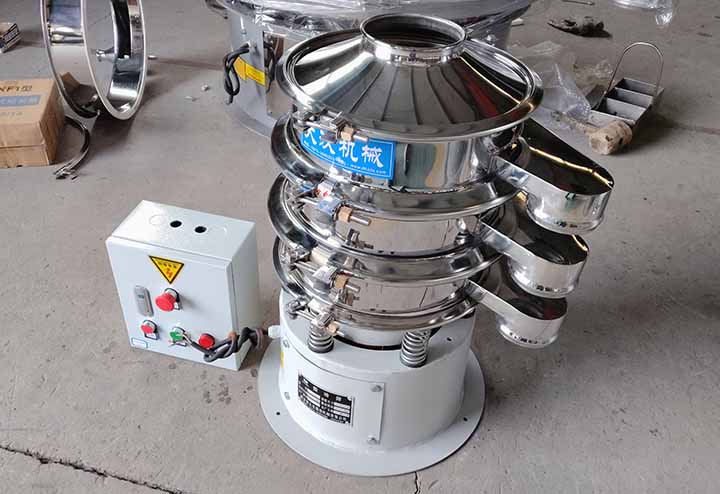
- Steel Material Ratio: Fully stainless steel builds command a higher investment, whereas utilizing 304 stainless steel strictly for material-contact parts combined with a painted carbon steel base reduces costs by approximately 30%.
- Screen Cleaning Device Type: High-oil kibbles require reliable anti-blinding systems. Standard silicone bouncing balls are cost-effective, while advanced ultrasonic transducer systems increase initial investment but significantly boost screening efficiency.
- Motor Explosion-Proof Rating: Due to combustible organic dust concentrations in pet food processing workshops, selecting certified explosion-proof vibrating motors adds to the component procurement cost.
Need a Custom Pet Food Sieving Solution & Precise Quotation?
Tell us your hourly capacity, kibble size, and workshop requirements, and our engineers will reply within 2 hours.
Customer Case Study: Solving Mesh Clogging and Boosting Capacity for Oily Feed Processing
In the production of high-fat pet food and aquafeed, raw materials and finished kibbles often contain significant surface oils. Without advanced screening technology, these sticky fats rapidly accumulate and cause severe mesh blinding, leading to reduced throughput and frequent production halts. A prominent aquatic and pet feed manufacturer—operating for over ten years with strict grading standards—faced major bottlenecks due to oil-induced screen clogging.
To resolve this, Dahan engineers tailored a high-efficiency sieving solution equipped with anti-blinding configurations (such as silicone bouncing balls and optional ultrasonic systems) designed explicitly for oily, sticky feeds. This setup effectively eliminated screen blinding, maintained strict particle size subdivision, and successfully handled capacities ranging from 10 to 20 tons per hour depending on the production scale.
Frequently Asked Questions (FAQ) About Pet Food Sieving
Q: Dog food surfaces are sprayed with heavy oil, causing residue to stick and block the screen mesh. How is this resolved?
A: A specialized distribution tray is installed underneath the screen mesh, loaded with food-grade 25mm silicone bouncing balls. During operation, the vibration continuously drives the balls to impact the underside of the screen, effectively dislodging and shaking off sticky oily debris embedded in the mesh apertures.
Q: Will processing fragile freeze-dried meat cubes or air-dried jerky cause product breakage?
A: No. By precisely adjusting the phase angle between the upper and lower eccentric blocks of the vibrating motor, the vertical vibration amplitude is minimized. This generates a gentle horizontal vortex motion on the screen surface, allowing materials to roll smoothly rather than violently colliding, thereby protecting the complete shape of freeze-dried treats.
Q: How convenient is it to change screen meshes when a production line switches between cat and dog food?
A: Extremely convenient. The vibrating screen utilizes a quick-release clamp-type design. Operators simply loosen the perimeter V-shaped retaining bolts, remove the top cover, and swap out the 4mm or 6mm mesh. The entire screen conversion process takes approximately 15 minutes.
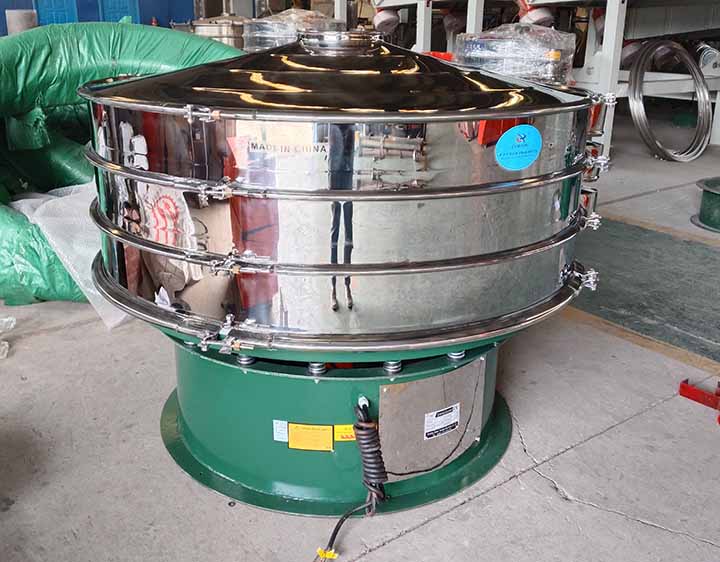
The Pet Food Vibrating Screen effectively solves critical manufacturing challenges such as fine dust accumulation, uneven particle sizing, and high-oil clumping. Through custom deck configurations and tailored parameter matching, it ensures that cat and dog food achieves absolute uniformity before final packaging. When selecting a unit, plant managers should carefully evaluate their workshop's hourly tonnage and product oil content to choose the optimal material configuration and anti-blinding system.
Ready to Optimize Your Pet Food Production Line?
Contact our screening experts today for professional model selection, 3D technical drawings, and a direct factory-price quotation tailored to your capacity and material requirements.

Email:
sale@xxdahan.com
WhatsApp:
+86 15236742901
Add:
1000m West of Forest Park,Yanjin County,Xinxiang City,Henan Province,China.