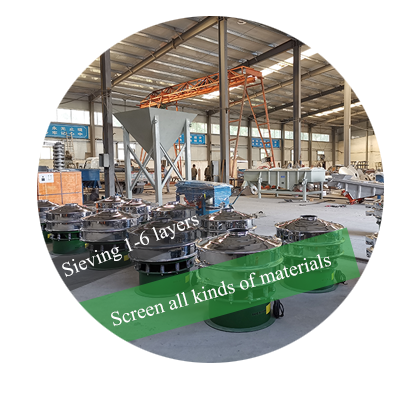
Liquid vibratory sifter
![[field:title/]](/uploads/260225/1-260225133T1250.jpg)
Callback
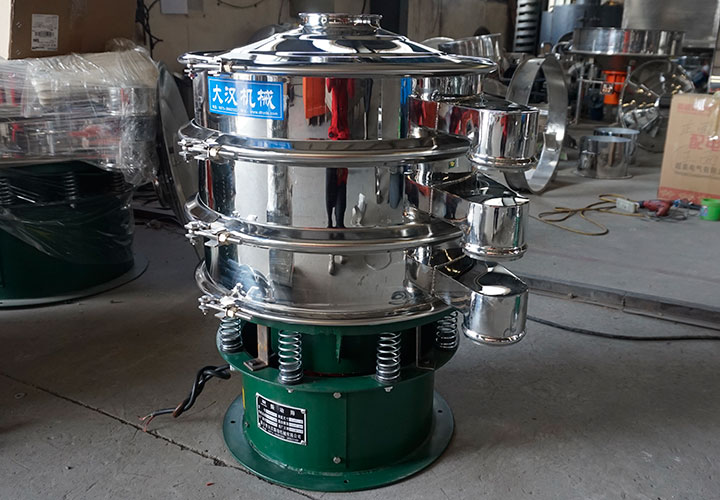
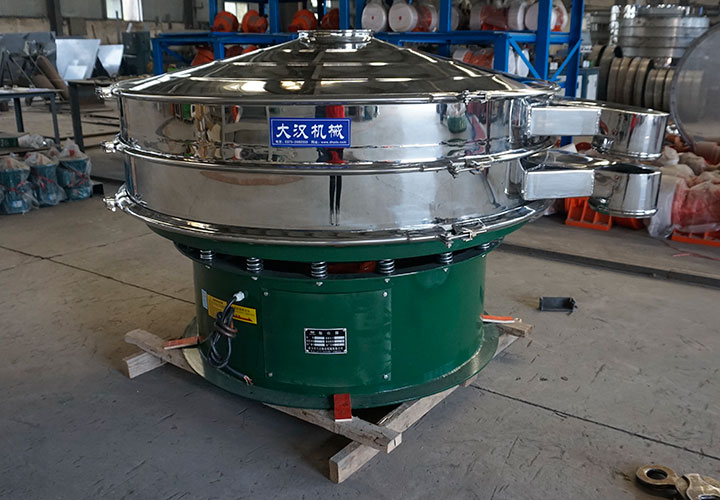
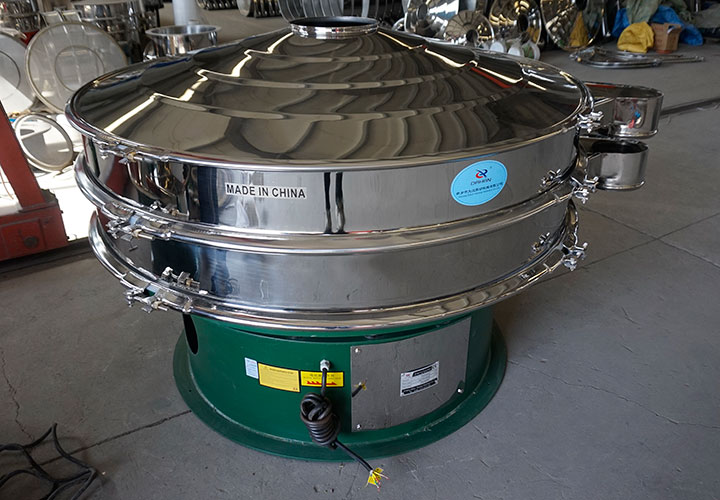
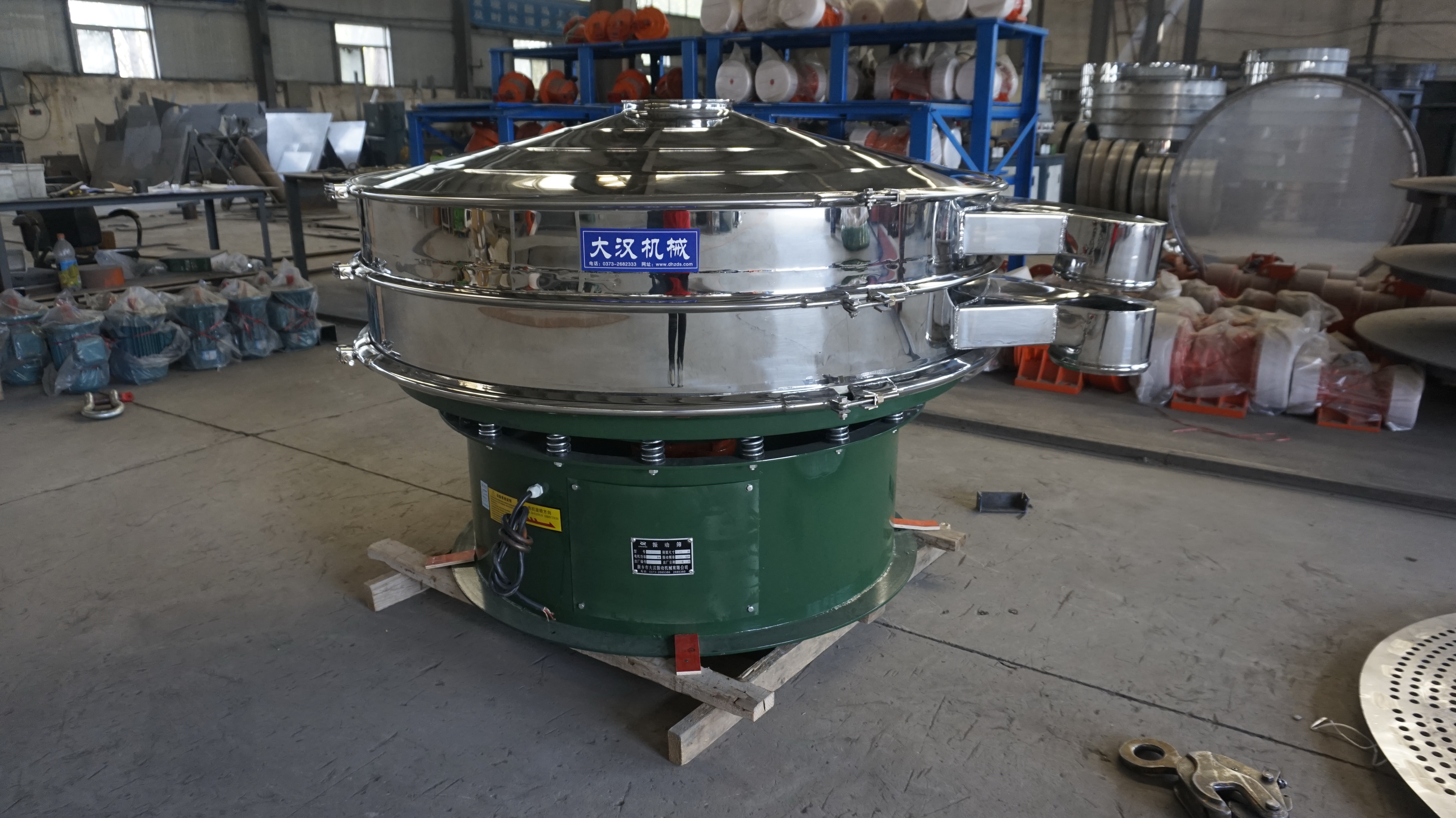
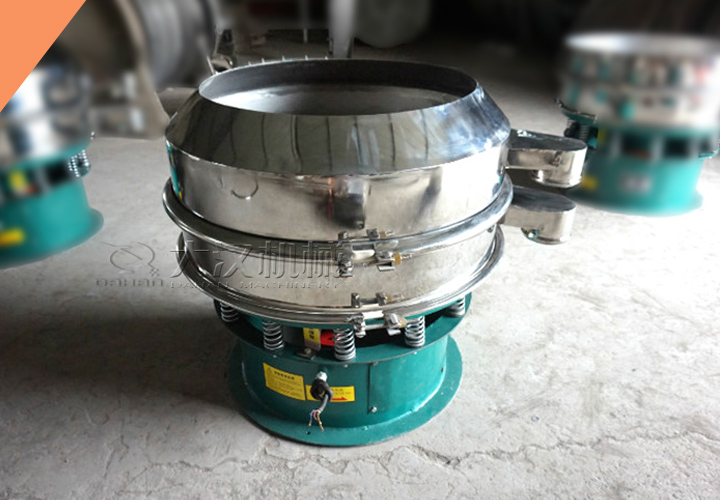
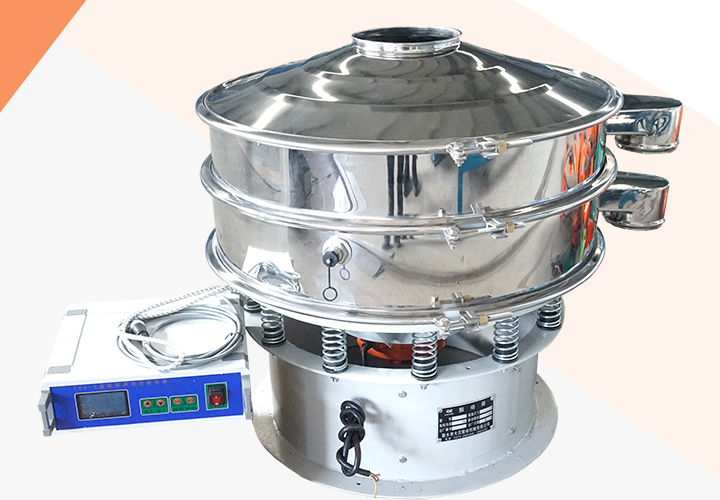
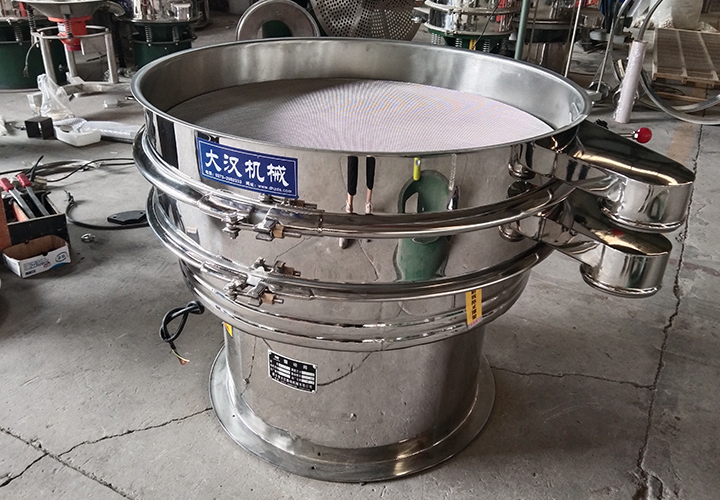
A liquid vibratory sifter integrates screening and fine filtration. It is widely used for solid-liquid separation and impurity removal in the food processing, chemical, pharmaceutical, and wastewater treatment industries.
| Filtration Accuracy: | Up to 5 microns |
| Filtration Capacity: | Up to 5 tons/hour |
| Motor Power: | 0.25 kW – 3 kW |
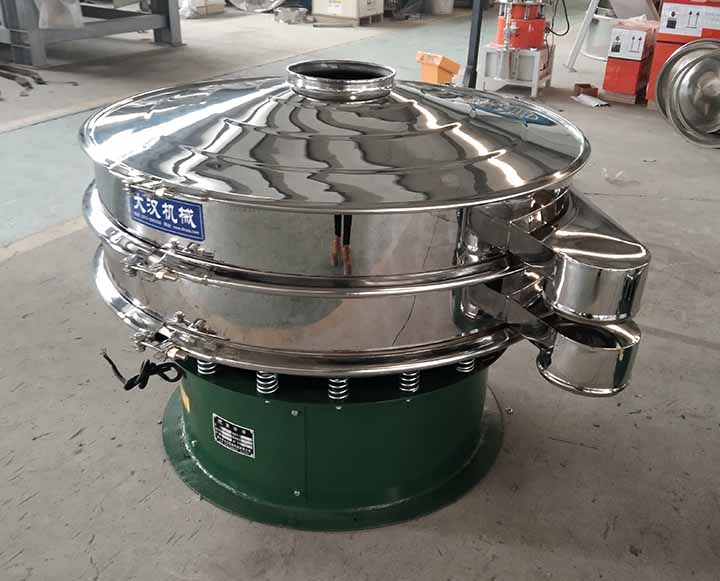
Liquid vibratory sifter (also known as a liquid vibrating screen or industrial slurry filter) is engineered by Dahan Machinery to address complex solid-liquid separation, particle grading, and impurity removal requirements. Widely utilized in chemical production, food processing, wastewater treatment, and pharmaceutical manufacturing, this screening solution delivers 24-hour continuous operation. It ensures reliable filtration accuracy and effectively prevents mesh blinding when handling high-viscosity slurries or heavy-solid materials.
How a Liquid Vibratory Sifter Works
The equipment is powered by a specialized vertical vibration motor equipped with adjustable eccentric blocks at both top and bottom shafts. This configuration generates a three-dimensional motion, combining horizontal, vertical, and inclined movements to ensure optimal material flow across the screen surface.
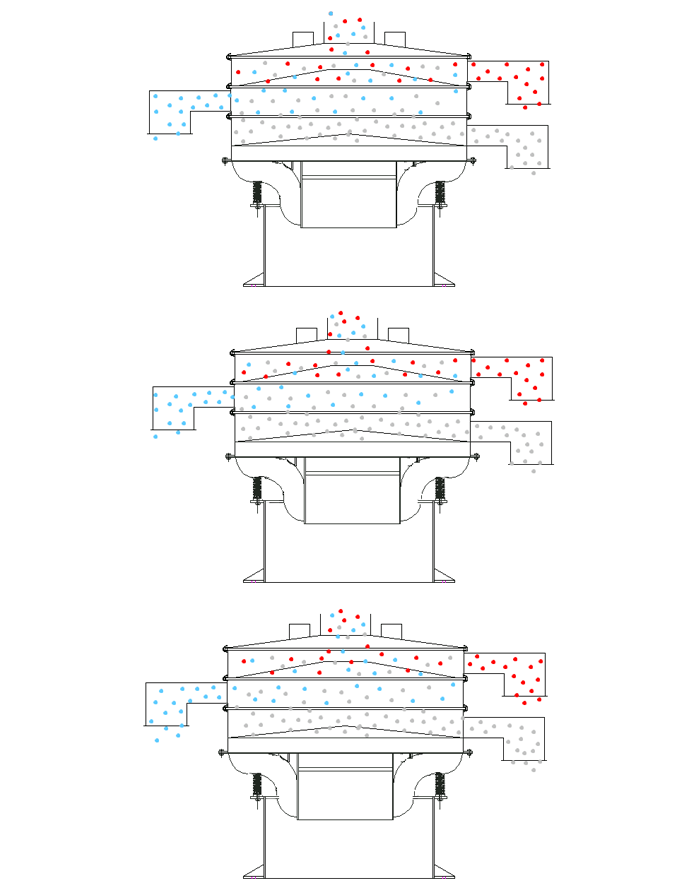
During the filtration process, the slurry is fed onto the center of the mesh, where the vibration energy forces liquid to pass through rapidly while trapping solids on the top deck. This continuous separation motion prevents material accumulation, ensuring a consistent discharge of impurities and a clean filtrate stream for downstream processing.
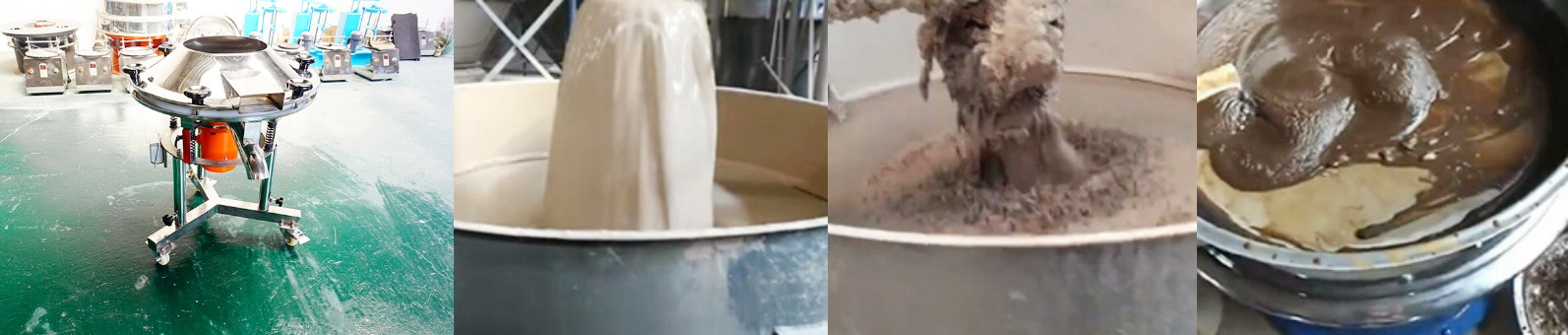
Video Demonstration: Liquid Vibratory Sifter in Action
We provide video insights into how our industrial vibrating screens perform under real-world conditions. These visual demonstrations show the machine’s ability to manage high-flow liquid loads and its performance during long-term operational testing in various factory settings.
Three Core Types of Liquid Screening Equipment
Different industrial applications require specific mechanical configurations. Choosing the correct equipment variant is vital for optimizing throughput, maintaining screen longevity, and avoiding production bottlenecks in your specific liquid processing line.
Liquid Filter Screens
Designed with a specialized wide-outlet discharge layout, this type ensures rapid liquid drainage and efficient solid recovery. It is the ideal choice for high-volume liquid filtering where structural simplicity and ease of cleaning are the primary operational requirements.

Ring-Type Rotary Vibrating Screens
This model is equipped with robust sealing gaskets and reinforced frame configurations to process dense, heavy slurries without the risk of leakage. It offers superior versatility, allowing for precise multi-stage grading of granular components alongside liquid filtration.

High-Frequency Vibrating Screens
By utilizing high-oscillation frequencies, this machine effectively breaks the surface tension of liquids, facilitating the passage of stubborn particles. It is the preferred solution for ultra-fine powder slurries commonly found in metallurgy, fine chemical synthesis, and electronics manufacturing.
Key Advantages of Our Liquid Sifter
Engineered for rigorous industrial environments, our liquid vibro sifter offers distinct operational benefits that minimize downtime and maintenance costs:
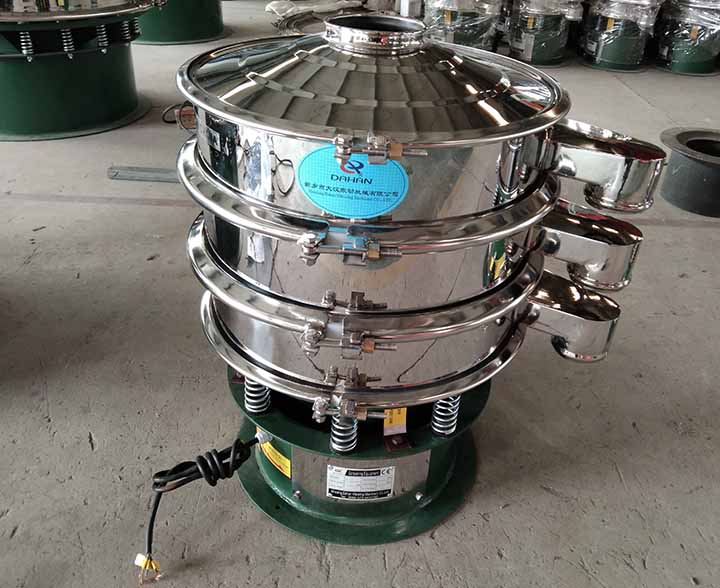
Continuous Production: Designed to support round-the-clock separation cycles with automated impurity discharge.
Hygienic Design: Constructed with full 304 or 316L stainless steel, meeting strict food and pharmaceutical safety standards.
Operational Stability: Optimized vibration damping springs ensure quiet operation and prevent structural fatigue during long-term use.
Scalable Configuration: The unit can be customized with 1 to 5 screen decks, allowing for simultaneous multi-grade separation in one pass.
Technical Parameters and Model Specifications
The following table outlines the complete technical specifications for our current model range. All dimensions, screen areas, and motor power ratings can be tailored to match your specific material viscosity, particle size, and required processing capacity.
| Model | DH-600 | DH-800 | DH-1000 | DH-1200 | DH-1500 | DH-1800 | DH-2000 |
|---|---|---|---|---|---|---|---|
| Diameter (mm) | Φ600 | Φ800 | Φ1000 | Φ1200 | Φ1500 | Φ1800 | Φ2000 |
| Screen area (m²) | 0.24 | 0.45 | 0.67 | 1.0 | 1.6 | 2.43 | 3.01 |
| Screen size (mesh) | 2-500 | 2-500 | 2-500 | 2-500 | 2-500 | 2-500 | 2-500 |
| Feed size (mm) | Φ10 | Φ15 | Φ20 | Φ30 | Φ30 | Φ30 | Φ30 |
| Vibration (rpm) | 1500 | 1500 | 1500 | 1500 | 1500 | 1500 | 1500 |
| Effective screen surface diameter (mm) | Φ560 | Φ760 | Φ930 | Φ1130 | Φ1430 | Φ1760 | Φ1960 |
| Number of layers | 1-5 | 1-5 | 1-5 | 1-5 | 1-5 | 1-5 | 1-5 |
| Power (kW) | 0.25 | 0.55 | 0.75 | 1.1 | 1.5 | 2.2 | 3 |
Industry Applications
Our liquid vibrating screens are integral to processing lines across a wide array of global industries. We provide tailored solutions to meet the unique rheological properties of various materials, ensuring high purity and consistent output quality.
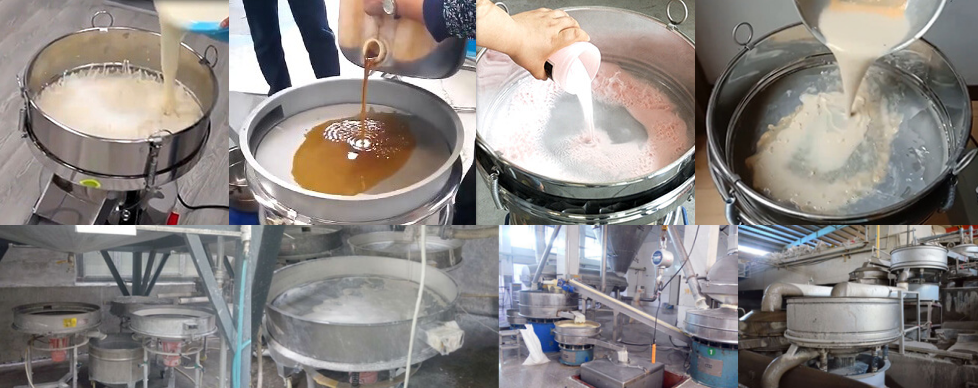
Food & Beverage: Filtering soy milk, fruit juice, starch slurries, edible oils, and seasoning sauces.
Pharmaceutical Industry: Purifying liquid extracts of traditional Chinese medicine and chemical raw ingredients.
Chemical & Coating: Removing clumps and solid impurities from paints, resins, industrial coatings, and adhesives.
Metallurgy & Mining: Classifying mineral slurries and handling liquid-solid recovery processes in tailing treatments.
Liquid Vibratory Sifter Dimensions
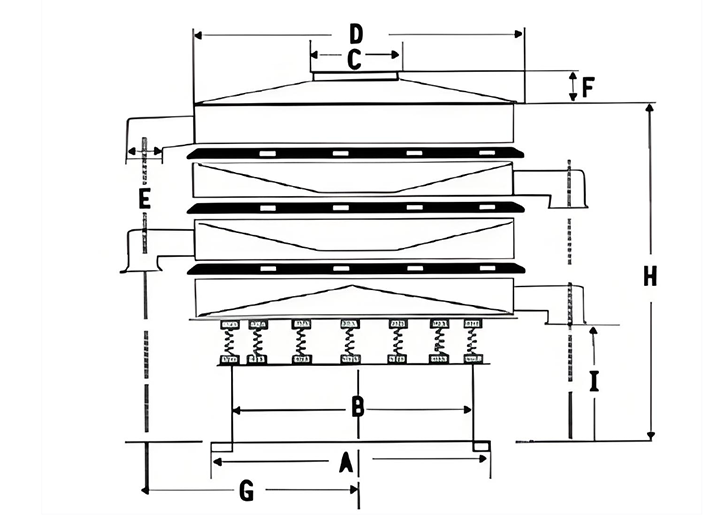
To assist with your factory layout planning and equipment installation, the structural outline and detailed component dimensions for our standard models are provided below.
| Model | A | B | C | D | E | F | G | H | I |
|---|---|---|---|---|---|---|---|---|---|
| DH-1000-1S | 800 | 700 | 250 | 970 | 150 | 120 | 645 | 750 | 460 |
Custom Solutions and Pricing Guide
The standard price for an industrial liquid vibratory sifter ranges between $3,000 and $10,000. This investment reflects the equipment's diameter, material grade (304 or 316L stainless steel), and the inclusion of explosion-proof motor certifications.For demanding applications involving highly corrosive liquids or ultra-viscous resins, our engineering team provides bespoke configurations. Options include ultrasonic anti-blinding kits, specialized wedge-wire screens, and increased sealing levels to prevent evaporation and external contamination.
Frequently Asked Questions (FAQ)
Can a vibro sifter handle high-viscosity slurry materials?
Yes. By utilizing appropriate mesh structures, motor power, or optional ultrasonic anti-blocking attachments, our sifters handle thick slurries without blinding the mesh.
Is this equipment safe for food and pharmaceutical production?
Yes. Dahan Machinery provides food-grade and medical-grade finishes using certified 304/316L stainless steel materials.
How do I choose the correct mesh size for my liquid?
Mesh selection depends on your particle cutoff target. For standard impurity straining, 50-100 mesh is common, whereas fine liquid purification requires 200-500 mesh screens.
Ready to Configure Your Liquid Filtration Line?
Contact Dahan Machinery engineers today for material testing reports, 3D diagrams, and a factory-direct quotation.
-
Vibrating sieve for liquid solid separation
In production processes,Vibrating sieve for liquid solid separation are used to recover valuable materials, purify liquids, or treat waste...
-
What are the functions and characteristics of ultrasonic sieving machine
The main feature of the ultrasonic sieving machine is the ultrasonic system. The exciting force it em ...
-
What is the difference between ultrasonic sieving machine and vibratory sifter
Many people have the same questions about Ultrasonic Sieving Machine and Vibratory Sifter . What is t ...
-
Tumbler Screen Solid-Liquid
A sewage treatment customer needs to perform preliminary solid-liquid separation on aquaculture wastewater...
-
Liquid vibrating screen
Liquid vibrating screen is a mechanical device specially used to separate solid particles or impurities in liquids...
-
Chemical liquid vibrating screen
Chemical liquid vibrating screen is a device used for solid-liquid separation or liquid filtration, usually used in the chemical industry to screen...
Email:
sale@xxdahan.com
WhatsApp:
+86 15236742901
Add:
1000m West of Forest Park,Yanjin County,Xinxiang City,Henan Province,China.