Trommel or Shaker Screen for Topsoil — Which One Fits Your Feedstock
Producing merchantable, clean topsoil often comes down to a fundamental machinery choice: choosing a trommel or shaker screen for topsoil. Should you deploy a rotating trommel screen or a multi-deck shaker screen? For landscape contractors, compost processors, and topsoil suppliers, making the wrong equipment call leads directly to bottlenecked production lines, excessive screen blinding, and off-spec product that fails project specifications.
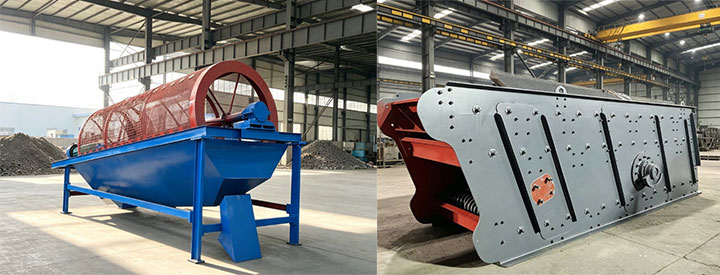
Topsoil is rarely uniform. It arrives packed with variable moisture levels, clumpy clay, root fragments, and stones. While both systems separate fines from oversized debris, their internal mechanics react entirely differently to field conditions. Understanding how a trommel handles damp material versus how a shaker handles high-volume dry runs is the first step toward optimizing your screening line—and toward selecting the right trommel or shaker screen for topsoil.
What Is a Trommel Screen and How Does It Work for Topsoil?
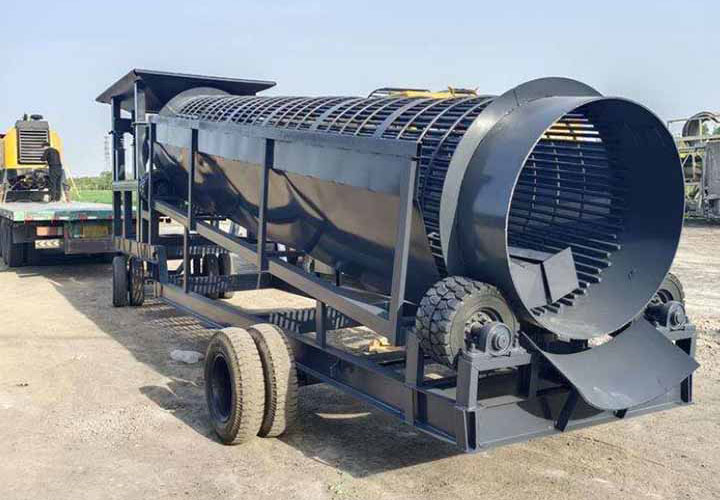
A trommel screen utilizes a rotating cylindrical drum—typically fitted with woven wire mesh or punched plate panels—set at a slight downward incline. As raw topsoil feeds into the elevated end, the drum's continuous rotation lifts and gently tumbles the material. Fine soil particles fall through the screen apertures, while oversized stones, roots, and foreign debris travel along the barrel interior to discharge at the lower end.
Watch the Dahan industrial trommel screen operating with continuous material rotation and sizing.
This rolling action makes trommels well-suited for topsoil applications. Instead of relying on aggressive high-frequency vibration, the gravity-assisted tumbling naturally breaks apart soft soil clusters and prevents heavy blinding, even when handling variable feed textures.
What Is a Shaker Screen (Vibrating Screen) and How Does It Work?
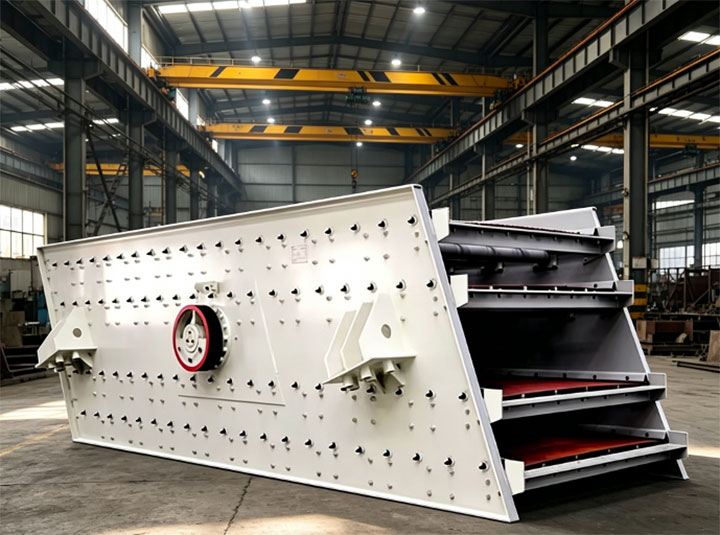
A shaker screen—commonly referred to in industrial settings as a vibrating screen—relies on mechanical vibration rather than rotation. It features one or more flat or slightly inclined screening decks driven by eccentric weights, unbalanced motors, or high-frequency exciters. As raw topsoil is fed onto the top deck, the high-speed linear or circular G-force vibration vigorously stratifies the material, forcing fine particles rapidly through the mesh while large debris bounces off the discharge end.
Watch a heavy-duty industrial vibrating screen in operation for high-volume material processing.
This design prioritizes high production velocity and sharp cut points. While it thrives in processing dry, free-flowing aggregates, its intense kinetic action requires careful management when handling sticky or moisture-laden topsoil to avoid mesh blinding.
Trommel vs. Shaker Screen: Head-to-Head Comparison
Evaluating how these two systems stack up in daily industrial operation involves analyzing four critical performance parameters:
| Performance Metric | Trommel Screen | Shaker (Vibrating) Screen |
|---|---|---|
| Moisture Tolerance | High; rolling barrel action naturally resists wet soil blinding. | Moderate to Low; prone to pegging and blinding with wet clay. |
| Soil Structure Preservation | Gentle tumbling keeps soil aggregates intact and fluffy. | Intense G-force can over-pulverize dry clods into fine dust. |
| Throughput Capacity | Moderate; suited for steady, continuous volume feeding. | Very high; excels at rapid, large-scale aggregate processing. |
| Screen Change Speed | Requires unbolting or sliding out cylindrical mesh segments. | Fast; modular flat tensioned decks are quick to replace. |
Real-World Complications: Dealing with Sticky Clay and Wet Blinding
In actual field operations, topsoil rarely matches ideal laboratory conditions. Seasonal rains, high water tables, and heavy clay content introduce major processing hurdles that test equipment limits. The most common operational bottleneck is screen blinding—where moist fines and sticky clay accumulate, coat the wire apertures, and completely choke throughput.
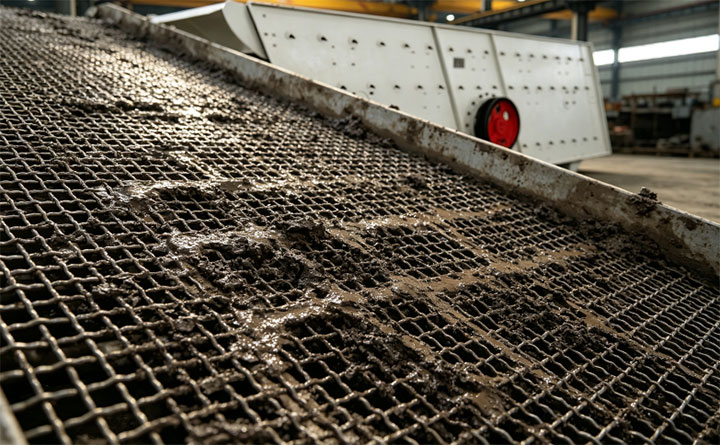
Vibrating shaker decks, while efficient in dry conditions, struggle significantly when handling wet, cohesive topsoil. The high-frequency G-force can press wet soil directly into the mesh openings, creating a solid seal known as pegging that requires frequent manual clearing. In contrast, trommel screens utilize a rolling cylinder where gravity constantly shifts the material bed. This natural tumbling action, combined with optional internal spiral flights or cleaning brushes, actively prevents wet soil from packing into the apertures, maintaining stable production rates during challenging weather windows.
Which One Should You Choose? Application-Based Buying Guide
Selecting the right screening equipment depends entirely on your raw feedstock conditions and your final product requirements. Matching machine mechanics to your specific site parameters avoids costly operational mismatches.
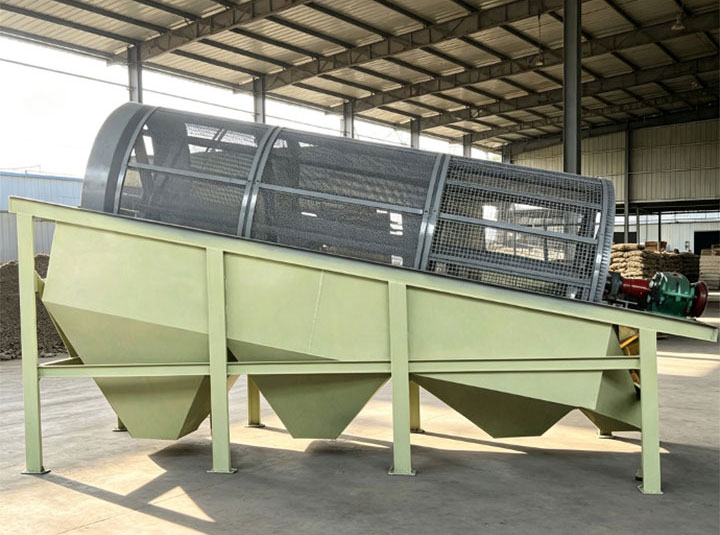
When to Choose a Trommel Screen: Opt for a trommel screen if your primary feedstock consists of damp, cohesive topsoil, compost blends, or organic-rich garden soil. It is the ideal choice when your operations must continue through humid or wet seasonal conditions without constantly stopping to clear blinded screens.
When to Choose a Shaker Screen: Select a multi-deck shaker (vibrating) screen when processing large volumes of dry, rocky, or heavily aggregated topsoil and sandy loam. If your facility requires massive hourly tonnage and your feed material is consistently dry and free-flowing, the high-velocity G-force delivers unmatched production speed.
Impact on Soil Structure & Quality: The physical action of the machine directly influences the quality of the finished dirt. Trommels use a gentle tumbling motion that preserves natural soil aggregates, resulting in a loose, aerated, and fluffy topsoil prized by landscapers. Conversely, intense vibrating shaker decks can over-pulverize dry clods into fine, dense dust that tends to compact easily after rainfall.
Site Footprint and Mobility Constraints: Consider your layout and transport requirements. Mobile trommel units often integrate self-contained feed hoppers and discharge conveyors, making them highly efficient for contractors moving frequently between temporary project sites. Multi-deck shaker systems typically demand stable structural foundations or dedicated multi-conveyor setups, making them better suited for permanent processing yards.
Cost, Maintenance, and Long-Term ROI Analysis
Evaluating the total cost of ownership (TCO) goes far beyond the initial purchase price. Long-term profitability depends heavily on daily energy consumption, wear-part replacement schedules, and routine maintenance labor.
Trommel screens generally feature simpler mechanical drives and fewer high-stress vibrating components, which translates to lower ongoing fatigue stress on the main frame. However, replacing cylindrical screen segments can be more labor-intensive compared to swapping flat panels. On the other hand, shaker screens operate under high-frequency G-forces that place continuous stress on bearings, springs, and drive motors. While changing a tensioned flat screen deck takes only minutes, premature bearing wear or structural fatigue can drive up maintenance overhead if the machine is pushed beyond its rated capacity with abrasive materials.
Frequently Asked Questions (FAQs)
Q: Can a shaker screen effectively process wet topsoil?
A: While possible with specialized polyurethane or anti-blinding mesh designs, standard shaker screens generally struggle with wet topsoil. High moisture causes cohesive clay particles to pack tightly into the wire apertures, leading to severe blinding and frequent production halts.
Q: Which equipment creates a better finished product for landscaping?
A: Trommels usually yield superior topsoil for landscaping and turf applications. The gentle rolling action preserves natural soil aggregates and clods, leaving the finished dirt loose, aerated, and structurally intact rather than over-compacted.
Q: What mesh size is standard for commercial topsoil screening?
A: Most commercial operations utilize a mesh aperture ranging from 1/4 inch to 1/2 inch (6mm to 12mm). This range effectively filters out stones, roots, and debris while allowing rich, fine organic soil to pass through.
Talk with an Application Engineer About Your Feedstock
Choosing between a trommel screen and a shaker screen ultimately comes down to analyzing your specific material moisture, daily tonnage targets, and site layout. Installing the wrong system leads to unnecessary bottlenecks and poor product quality.
If you are unsure which configuration best suits your topsoil processing line, our engineering team is here to help. Send us your feedstock specifications or material sample details, and we will provide a customized equipment recommendation tailored to your operational goals.

Email:
sale@xxdahan.com
WhatsApp:
+86 15236742901
Add:
1000m West of Forest Park,Yanjin County,Xinxiang City,Henan Province,China.