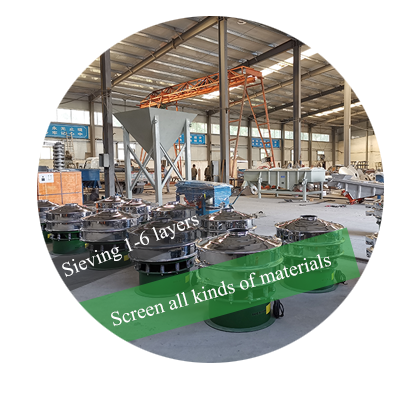
Diamond Vibrating Screen Selection
Understanding Diamond Screening Requirements
Before selecting a diamond vibrating screen, define what the screening process needs to achieve. The right setup depends on the incoming material and the size range required in the finished product, not simply on the machine's dimensions.
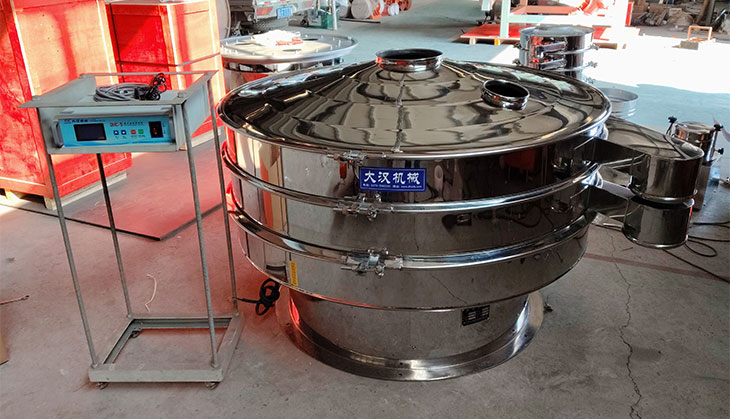
Start by identifying three things:
- Feed material: Specify whether the material is diamond powder, industrial diamond particles, or another mineral. Different materials may require different screening arrangements.
- Target size range: Establish the particle sizes that need to be retained, separated, or removed from the feed.
- Required output: Determine whether the process needs one oversize cut or several distinct size fractions.
These details give the supplier a practical starting point for evaluating a suitable screening solution. If the feed contains a wide range of particle sizes or the final grading limits are not yet clear, a sample screening test can help establish realistic requirements before equipment is selected.
How Diamond Particles Behave During Screening
During screening, particles must contact the screen surface and encounter openings that allow suitably sized material to pass through. Their movement is affected by shape, size distribution, and how freely individual particles separate from one another.
Irregular particles may approach an opening at different angles, while fine particles can occupy gaps between larger pieces and reduce the available screening area. Dust or particles that cling together may behave like larger agglomerates instead of separating individually. These effects can make the actual grading result differ from what nominal particle sizes suggest.
For diamond screening applications, observing how the feed moves and spreads across the screen surface helps explain why some particles pass through readily while others remain on the deck. This behavior provides useful evidence when deciding which screen design should be considered in the next stage of diamond vibrating screen selection.
Matching Screen Design to Particle Characteristics
Screen design affects how effectively material is separated and how reliably the machine operates over time. The opening size and shape must match the required grading limits, while the screen surface should suit the physical properties of the feed.
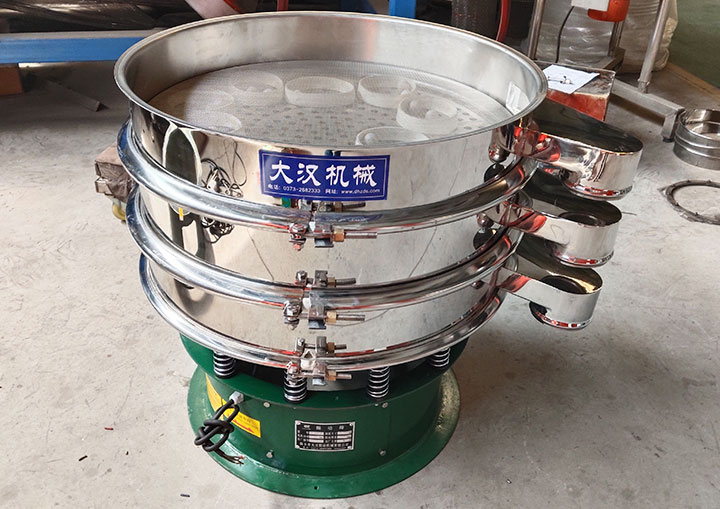
For fine particles, the usable open area is particularly important because small openings can restrict material passage. If particles tend to lodge in the mesh, a suitable screen-cleaning method may be needed to maintain screening efficiency. The choice should reflect the actual blockage problem rather than adding cleaning equipment without a clear reason.
Abrasive materials also place greater demands on the screen surface. Mesh durability, replacement frequency, and access for maintenance should therefore be considered alongside separation requirements. For a diamond vibrating screen, the appropriate screen material and construction must be confirmed for the specific material being processed instead of assumed from the product name alone.
Balancing Throughput and Separation Precision
Increasing the feed rate raises the amount of material entering the screen, but it can also create a deeper material bed and reduce the opportunity for particles to reach the screen surface. If the loading becomes excessive, correctly sized particles may leave the deck without passing through the intended openings.
A lower feed rate can give particles more opportunity to spread across the screen surface, although it may reduce hourly output. The operating target is therefore not the highest possible feed rate, but a rate that meets the production requirement while keeping the grading result within the specified limits.
When comparing diamond vibrating screen selection options, define the required hourly capacity and the acceptable separation tolerance separately. This makes it easier to identify whether a proposed machine is suitable for the actual production target instead of judging its performance by throughput alone.
Comparing Screening Configurations for Different Applications
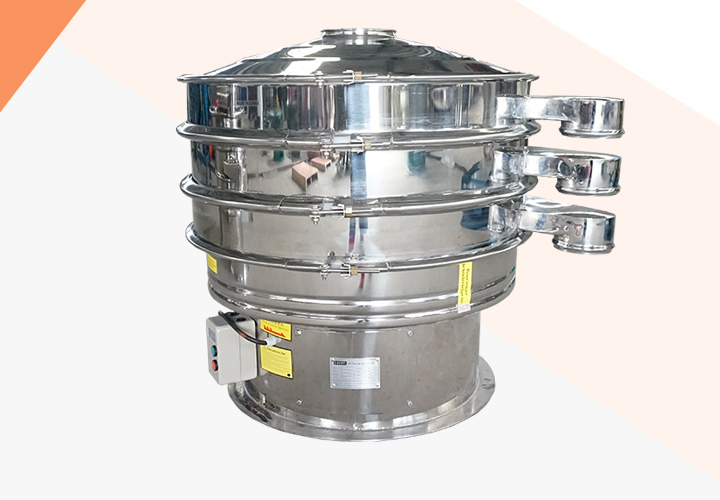
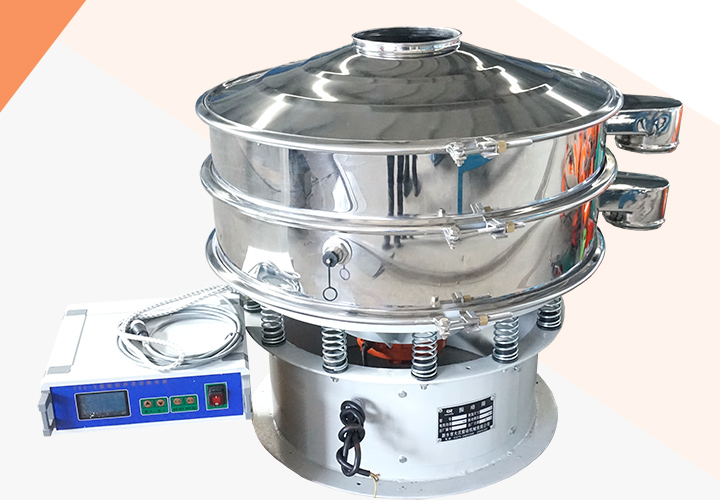
A single-deck vibrating screen is generally worth considering when the process requires one main separation cut, such as removing oversized particles from a product. When several size fractions must be produced in one operation, a multi-deck screen may reduce the need for separate screening stages.
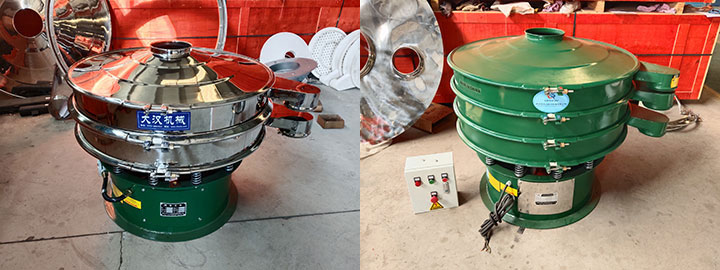
More decks do not automatically mean better performance. Each additional separation stage introduces requirements for material distribution, discharge routing, and collection of the finished fractions. The configuration should match the number of required size cuts and the way each fraction will be handled after screening.
Available installation height, connection points, and the layout of the surrounding production line can also influence the decision. During diamond vibrating screen selection, compare the space and process requirements of each configuration before deciding whether a single-deck or multi-deck arrangement is more practical.
Common Causes of Poor Screening Performance
Inconsistent screening results often have identifiable causes. Checking the symptoms in a consistent order can help distinguish a feed problem from a blocked screen, uneven loading, or a damaged screen panel.
- Screen openings become blocked: Inspect the mesh for trapped particles or material buildup. Check whether the existing cleaning method is working as intended.
- Separation varies across the screen: Look for uneven feed distribution, material accumulating on one side, or areas of the deck receiving excessive loading.
- Output declines during operation: Check for worn, stretched, loose, or damaged screen panels and compare their condition with previous inspection records.
- Material enters the wrong discharge fraction: Verify that the correct screen panel is installed and inspect for damage, gaps, or incorrect material routing.
Record the symptom, when it occurs, and any recent changes in operating conditions before making adjustments. This gives maintenance staff a clearer basis for identifying the cause and helps prevent unnecessary changes to the machine settings.
Verifying Equipment Performance Before Final Selection
When screening accuracy or material recovery is important, a representative material trial can provide evidence that equipment specifications alone cannot. The test should use an agreed sample and follow operating conditions that reasonably reflect the intended production process.
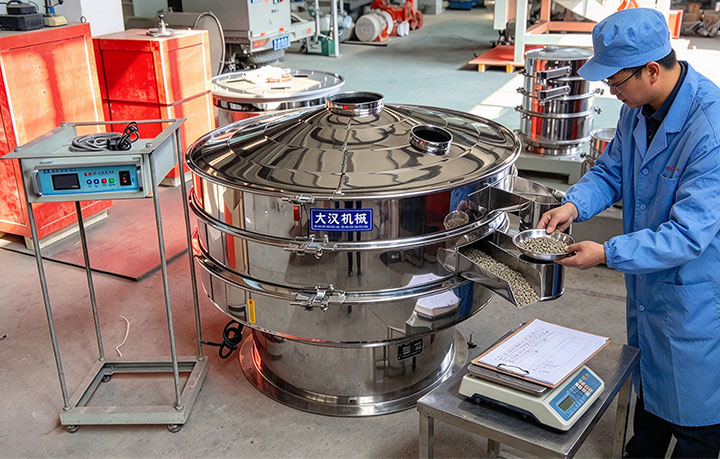
During the trial, record the feed rate and collect samples from each discharge outlet. Compare the particle-size distribution of each sample with the specified grading limits. Also record the quantity of material collected in each fraction and any visible carryover or accumulation that could affect the result.
Before testing begins, agree on the measurements that will determine whether the equipment meets the project requirements. These may include the required size range in each fraction, acceptable oversize or undersize contamination, and the conditions under which the results are measured. Use the same criteria when comparing different machine proposals.
For a diamond vibrating screen purchase, document the agreed machine configuration, screen specifications, test conditions, and acceptance criteria before placing the order. Clear records make the final equipment decision easier to verify and help both parties understand the expected result.
Preparing Your Diamond Screening Project for Quotation
To request a relevant equipment quotation, provide the following project information:
- Material name: Identify the material to be screened.
- Production target: State the required throughput and operating hours.
- Grading specification: List the required cut sizes and number of finished fractions.
- Installation details: Provide the available space, process connection requirements, and any site restrictions.
- Project requirements: Include the preferred equipment configuration, if known, along with any specific cleaning or maintenance expectations.
If some specifications are not yet available, explain the current process and the result you need to achieve. This helps the supplier identify which details must be confirmed before recommending equipment.
Contact our team to discuss your diamond vibrating screen selection requirements. You can also view our Diamond Vibrating Screen to review the product information and discuss a suitable solution for your application.

How to Choose Vibrating Screen Mesh Size: 5-Step Guide & Tool
Selecting the correct vibrating screen mesh size directly determines screening efficiency, product quality...
Multi-Layer Screening: 9 Factors for Choosing Decks or Layers to Maximize Efficiency
Selecting the right number of screen decks is critical. Choosing Decks or Layers to Maximize Efficiency means looking beyond deck count alone...
Why Does Fine Powder Clog the Mesh and How Ultrasonic Technology Solves It?
Fine powder screening can become difficult when particles stick to the mesh...

Email:
sale@xxdahan.com
WhatsApp:
+86 15236742901
Add:
1000m West of Forest Park,Yanjin County,Xinxiang City,Henan Province,China.