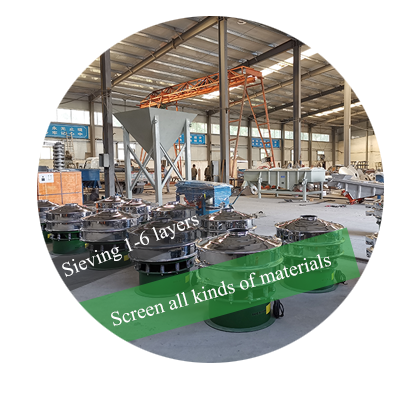
Detergent Powder Vibrating Screen
![[field:title/]](/uploads/allimg/260622/1-2606221KQ5606-lp.jpg)
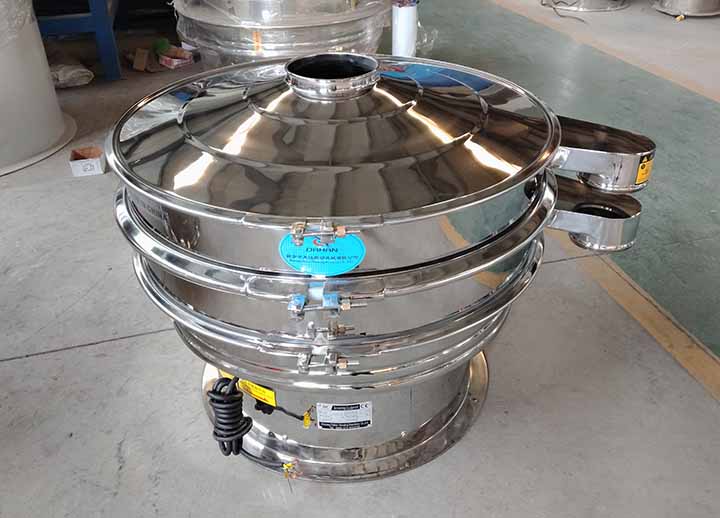
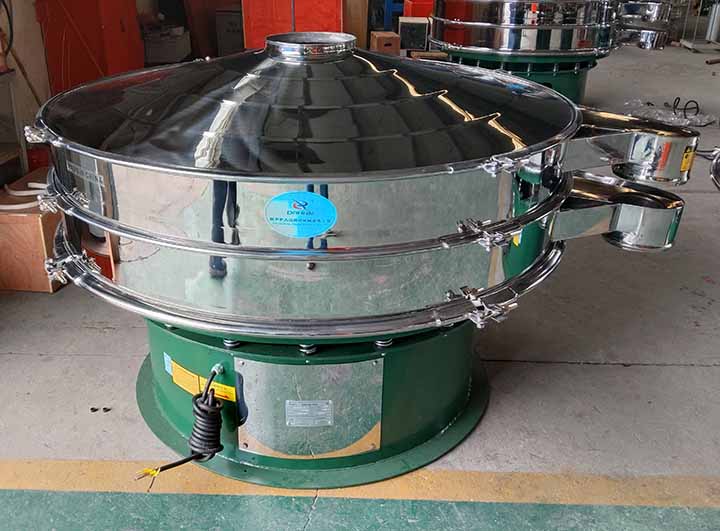
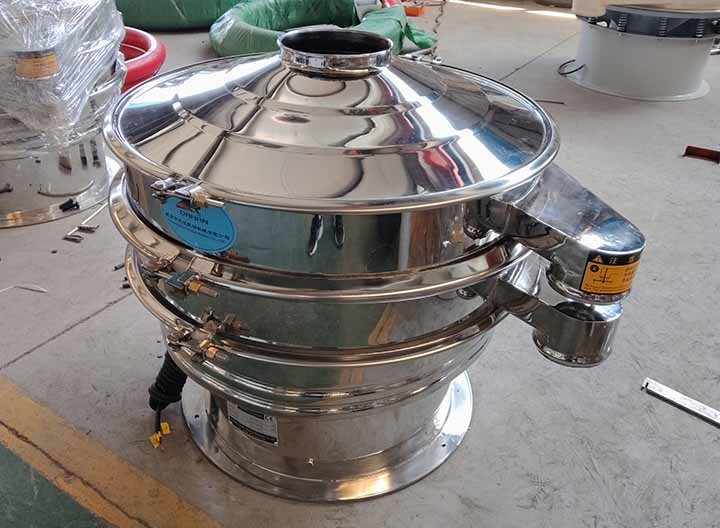
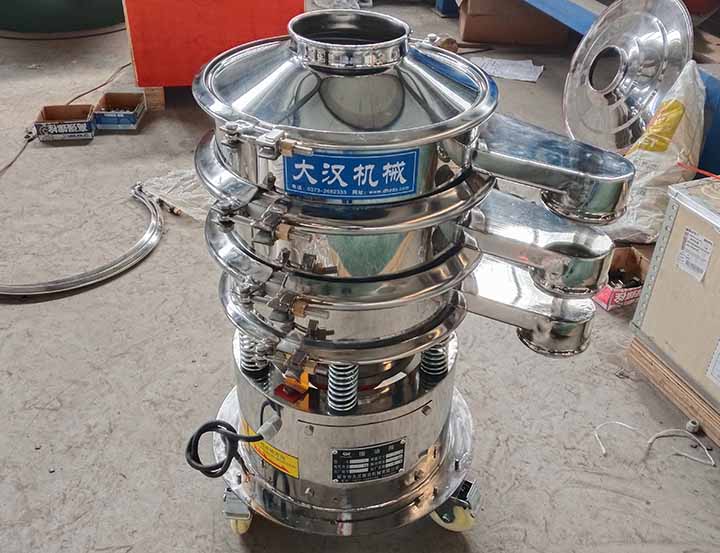
In the laundry detergent manufacturing process, the Detergent Powder Vibrating Screen is used to separate particles, isolate large clumps, and remove foreign impurities before packaging. Raw laundry detergent naturally absorbs moisture from the air, which can lead to material agglomeration, screen clogging, and dust emissions within the workshop. To address these issues, this mechanical screening machine utilizes three-dimensional high-frequency vibration to force sticky powder through the wire mesh, while simultaneously isolating large clumps for further breakup. For standard laundry detergent processing, the screening mesh ranges from 20 to 40 mesh (850 microns to 425 microns), and depending on the specific frame size, the processing capacity ranges from 1 ton to 5 tons per hour.
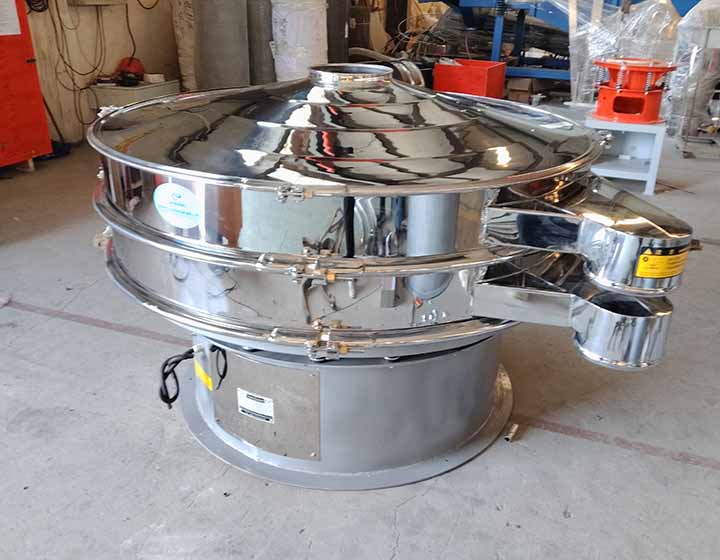
Detergent Powder Vibrating Screen Design
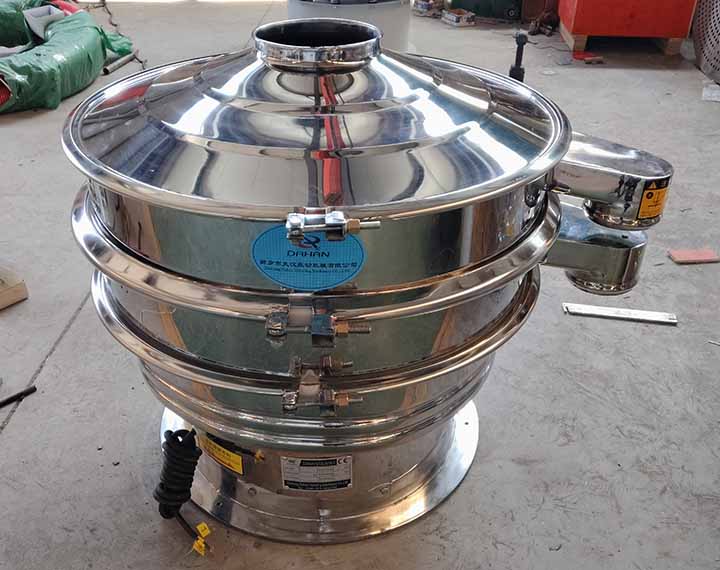
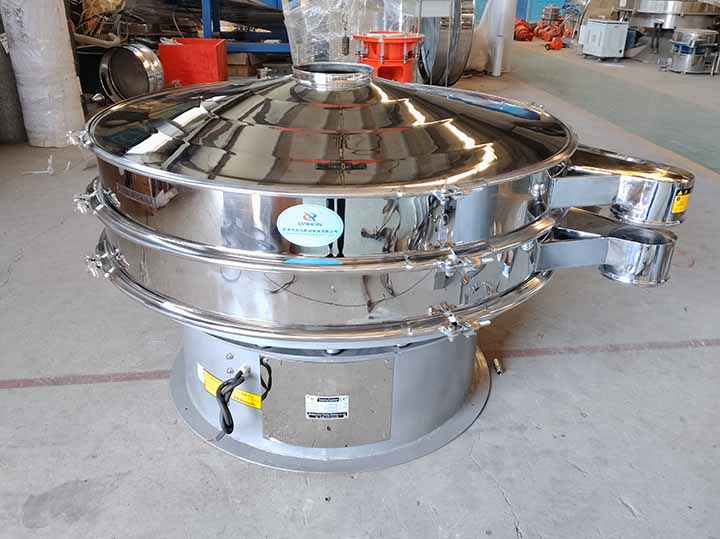
The laundry detergent vibrating screen integrates mechanical bouncing balls that continuously impact the lower surface of the woven wire mesh to remove sticky, moist particles and keep the mesh open. In terms of structural composition, components in direct contact with the laundry detergent are made of SUS304 or SUS316L stainless steel to resist the chemical corrosion of sodium carbonate and surfactants. The inner metal surface undergoes mechanical mirror polishing, resulting in low roughness and preventing chemical residues from adhering to the chamber walls. To isolate fine dust, silicone sealing rings and V-shaped clamps are used between the screen frames, achieving dustproof sealing under negative pressure.
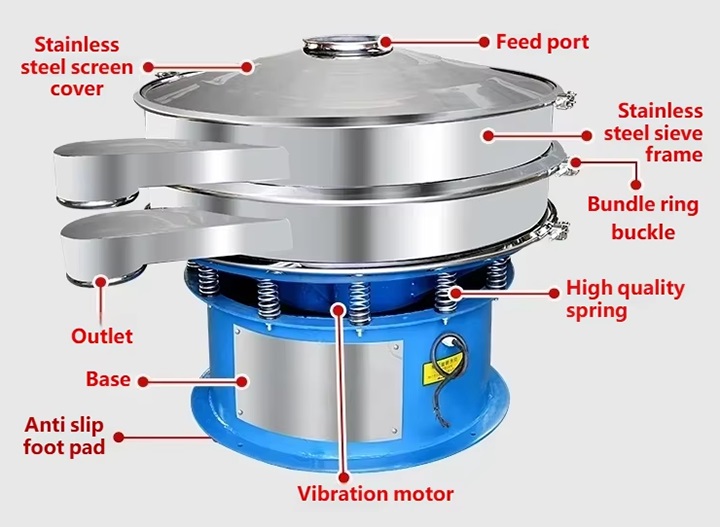
Vibrating screen models for screening laundry detergent
In addition to standard configurations, customized engineering services can modify the machine layout to match existing factory infrastructure. Production lines can integrate explosion-proof vibrating motors to cope with hazardous organic dust environments. Engineers can modify the discharge port angle, adjust the base frame height to match the headroom under the hopper, or add top cover connectors to connect to the factory's vacuum suction lines.
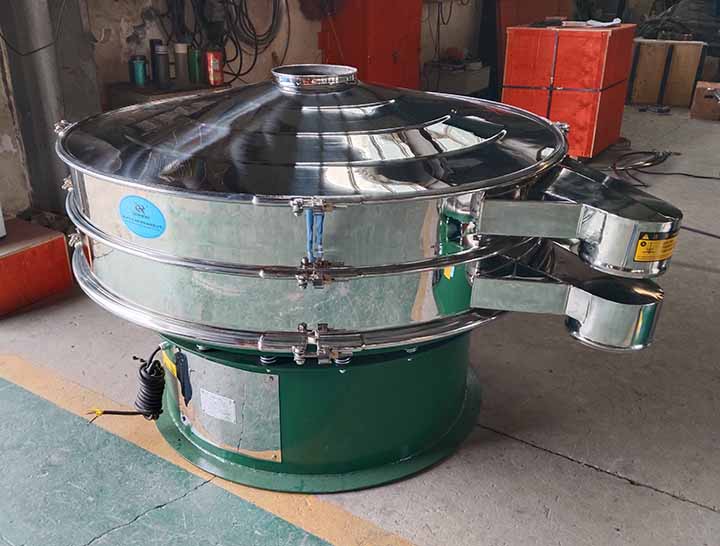
Applications
Detergent Powder Vibrating Screens can be integrated into workstations within automated manufacturing layouts. For example, they can be installed after the spray drying tower. When the slurry passes through the drying tower and cooling zone, forming coarse powder that falls into the vibrating separator, the vibrating screen quickly filters out incompletely atomized, large lumps of paste before allowing the detergent to enter the storage silo. Alternatively, they can be used in the final stage before packaging, where the screen is installed directly above automated filling and packaging machinery for final quality control, intercepting clumps, scale, or lint generated during operation and preventing impurities from entering the retail box.
Industrial Success Story
A chemical plant in Southeast Asia experienced a decline in production due to detergent clogging its vibrating screen caused by the high humidity of the tropical region. The plant integrated a DH-1200 single-layer vibrating separator equipped with an auxiliary ultrasonic cleaning component. By directly introducing high-frequency, low-amplitude ultrasound into the mesh, sticky chemical particles are prevented from accumulating on the mesh. This integration allowed the plant to maintain a continuous feed rate of 3 tons per hour, eliminating the previous requirement to stop operation every two hours for manual cleaning of the mesh.
How much does a Detergent Powder Vibrating Screen cost?
The procurement cost of a Detergent Powder Vibrating Screen varies depending on the specific material chosen, auxiliary components, and size requirements. For steel materials, the manufacturing cost of using a carbon steel base and SUS304 contact area is lower than that of a full SUS316L unit used for highly corrosive formulations. Regarding anti-clogging screen upgrades, a standard mechanical rubber bouncing ball is a basic budget option, while adding an electronic ultrasonic screen cleaning transducer assembly will increase the initial investment. Furthermore, for motor configuration, using a standard IP55 vibration motor can maintain a lower budget, while installing an explosion-proof motor will increase the overall price.
Frequently Asked Questions
Q: What are the common problems with vibrating screens?
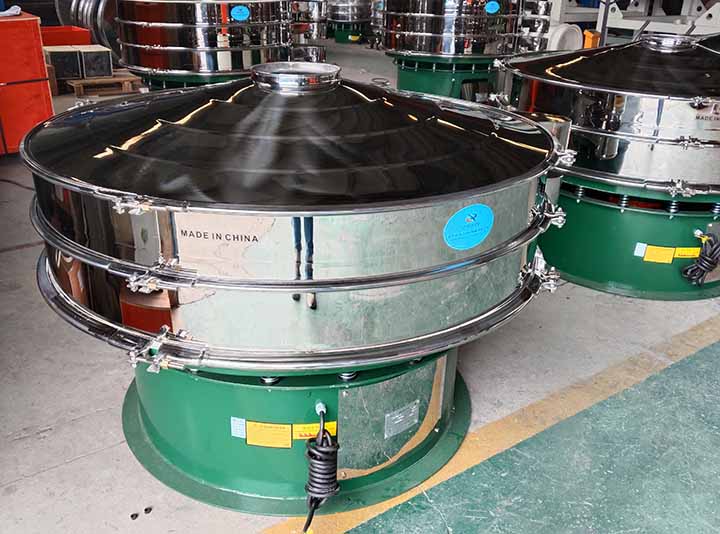
A: During screening, moisture can easily cause detergent to stick to the screen and clog the holes; in addition, alkaline chemicals can easily degrade and wear down the rubber gaskets, causing powder leakage in the workshop. Regularly checking the tension hooks and clamps can prevent such failures.
Q: What materials can be processed by vibrating screens?
A: Yes, they can process regular laundry detergent, concentrated soap granules, synthetic surfactants, sodium sulfate fillers, and raw material enzyme additives, covering particulate matter, dry fine chemical formulations, and moist agglomerated materials.
Q: What is the purpose of a vibrating screen?
A: It is used for safe impurity removal to isolate large contaminants and for particle size classification to ensure uniform particle size, thereby controlling the particle size distribution of the finished product and determining the dissolution rate of the laundry detergent.
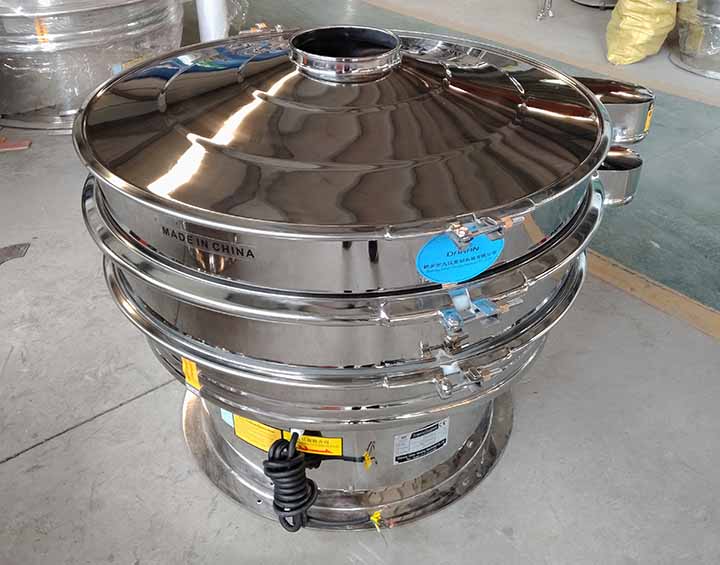
The Detergent Powder Vibrating Screen manages particle distribution and isolates agglomerated waste in soap manufacturing plants. By addressing issues related to mesh clogging and dust containment caused by moisture, this machine stabilizes the production flow rate before final packaging. For customized technical blueprints suitable for your plant layout, equipment selection advice, or itemized commercial quotations, please submit an online consultation to our engineering team.

Email:
sale@xxdahan.com
WhatsApp:
+86 15236742901
Add:
1000m West of Forest Park,Yanjin County,Xinxiang City,Henan Province,China.